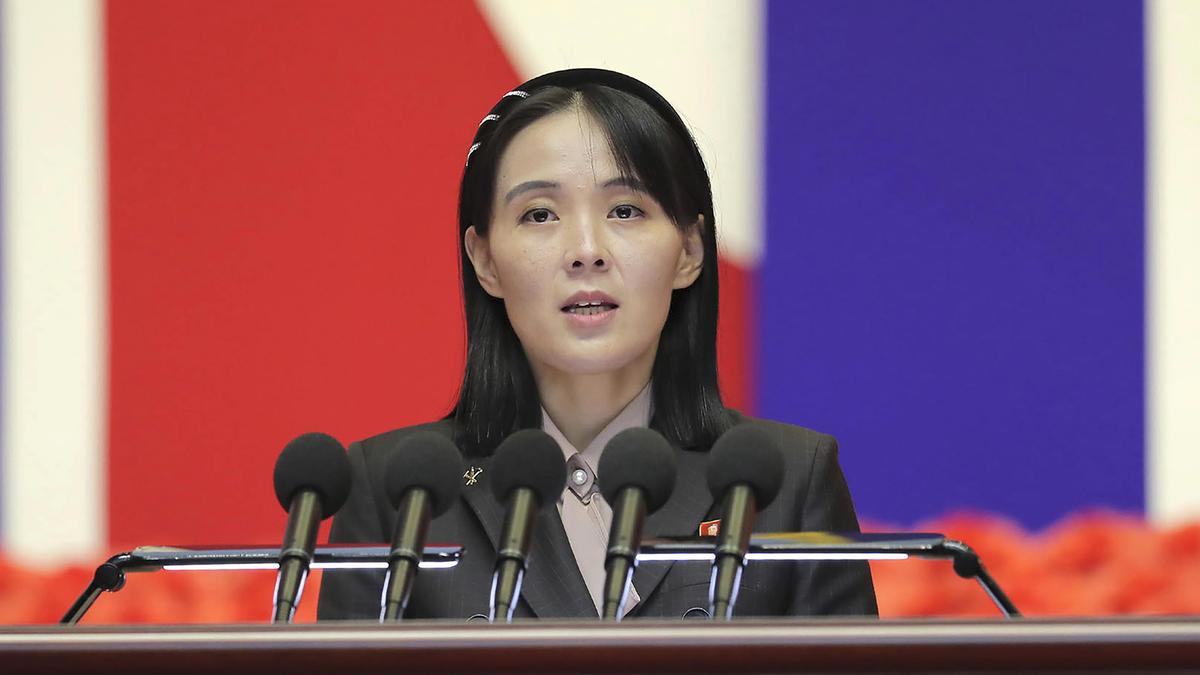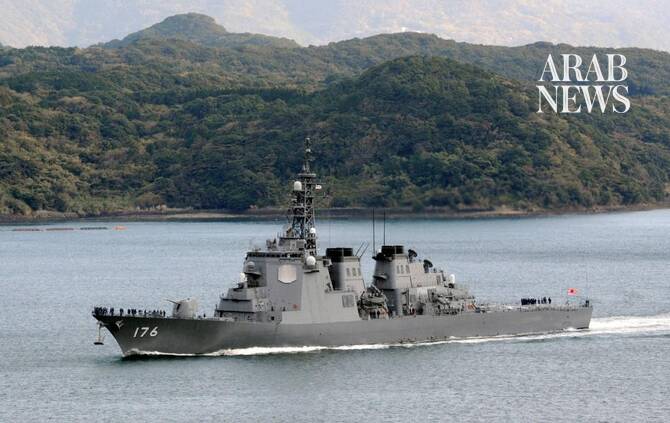
North Korea’s perspective on Japan is shifting. On August 4, Kim Yo Jong, Vice Department Director of the Workers’ Party of Korea and sister to supreme leader Kim Jong Un, strongly criticized Japan’s military buildup, warning that Pyongyang could take “additional military steps” in response. What provoked North Korea was the Maritime Self-Defense Force’s test-firing of U.S.-made Tomahawk cruise missiles and Tokyo’s moves to secure long-range strike capabilities.North Korea characterized these actions as a shift beyond defensive military power, enabling pre-emptive strike capabilities and overseas military operations. Just two days later, on August 6, North Korea launched a missile toward the East Sea. While it cannot be definitively proven that this launch was a direct retaliation for Kim Yo Jong’s warning, the fact that military action followed immediately after the warning certainly warrants attention.This narrows the question down to one: Is Japan North Korea’s next target? It is premature to draw such a conclusion right now. However, it is hard to deny that Japan’s weight in North Korea’s military strategy is changing compared to the past. Japan is not a new enemy to North Korea. Pyongyang has long designated Japan as a U.S. ally and a military threat surrounding the Korean Peninsula. Yet, recent changes differ from the past. Japan has actually begun strengthening its long-range strike capabilities.
Tokyo just changed Kim Jong Un’s nuclear calculus
Japan's long-range strike capabilities are reshaping North Korea's nuclear strategy, driving a new Northeast Asian arms race.
899 words~4 min read