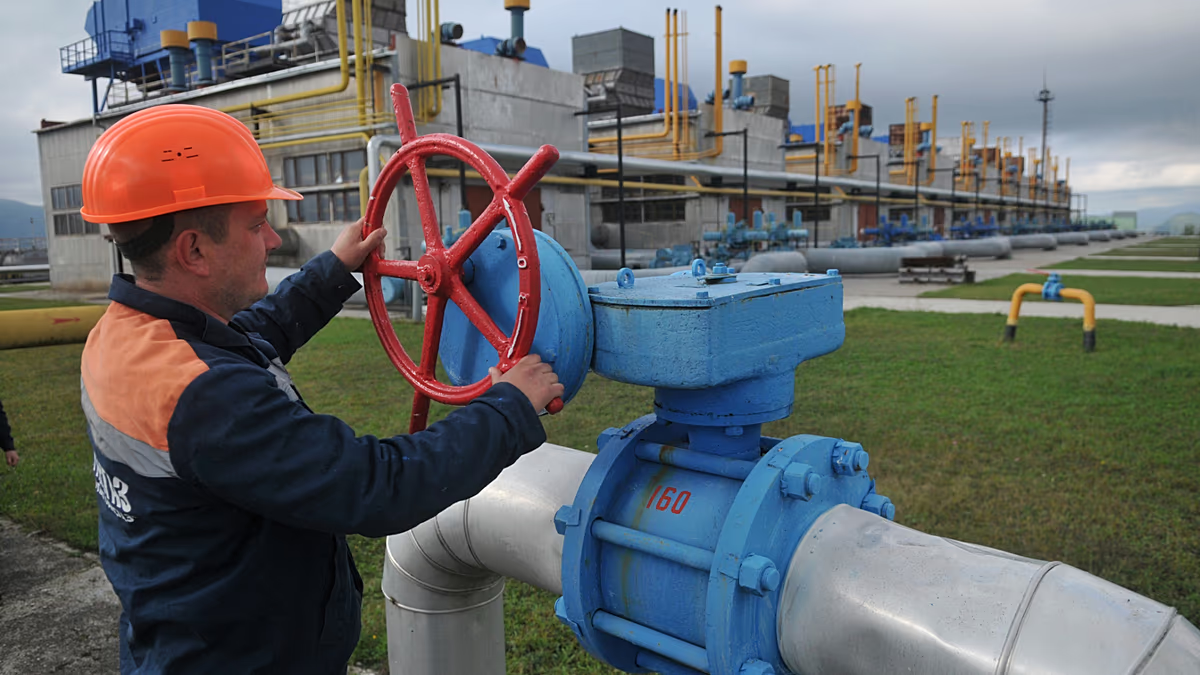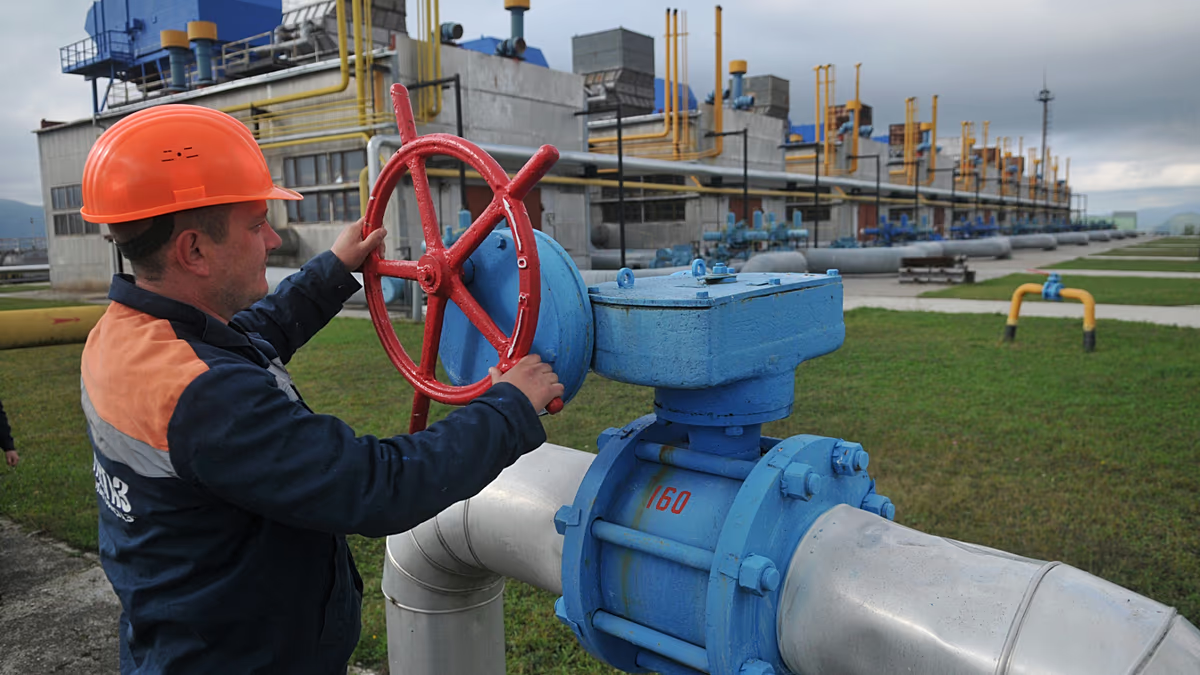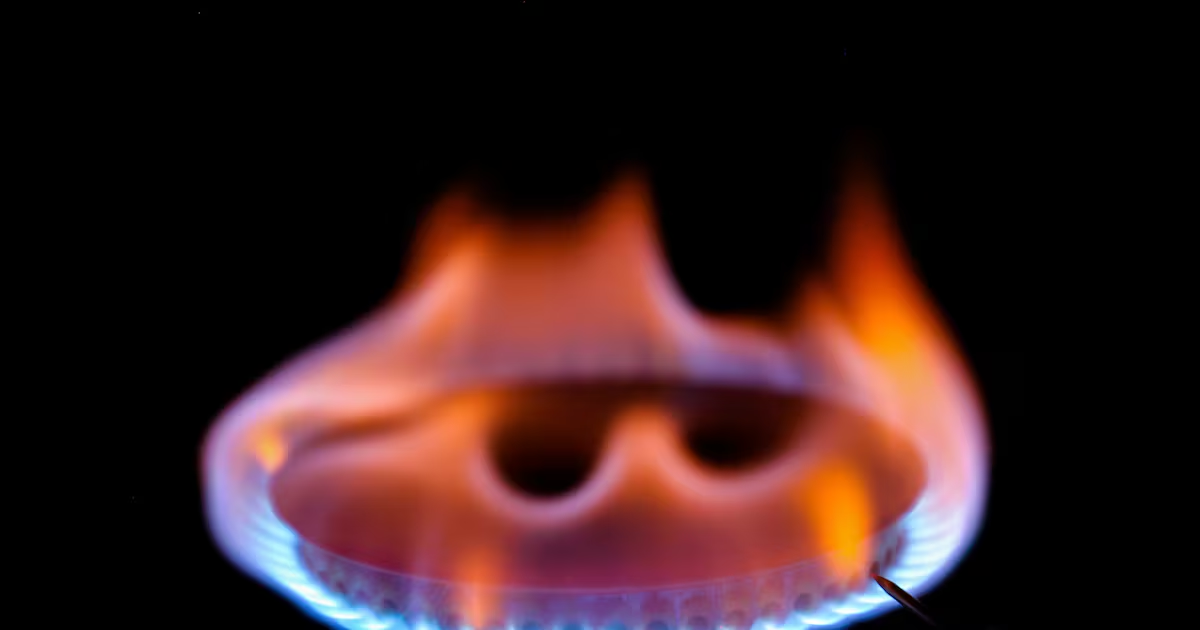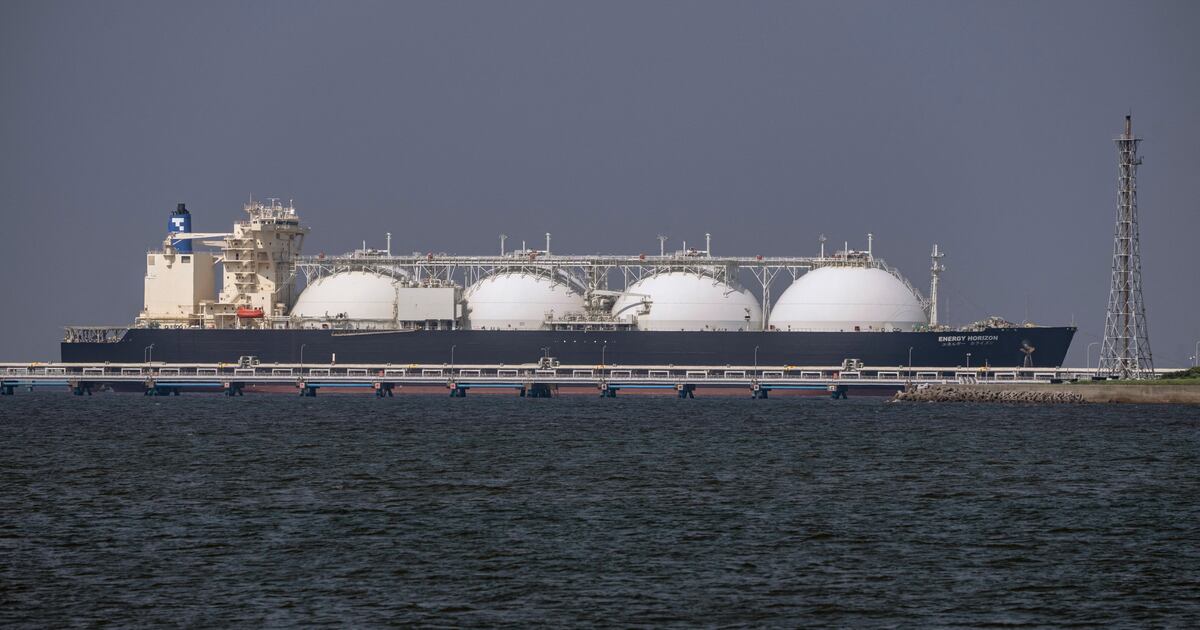
Europe is heading into the winter heating season with gas prices more than twice as high as they were at the start of the year, while unusually low storage levels and ongoing supply pressures are raising concerns that the situation could worsen in the coming months.
A prolonged summer heat wave is adding to the pressure. Record temperatures are driving up electricity demand, while drought and extreme heat are reducing output from hydroelectric and nuclear power plants. Gas-fired generators are increasingly being used to fill the gap, increasing demand for gas precisely when European countries would normally be focused on building up reserves for winter.
The impact is already visible in wholesale markets. Futures on the Dutch TTF benchmark, Europe's main gas pricing hub, have climbed about 120% since the beginning of 2026, reaching roughly €63.70 per megawatt-hour on August 18.
Prices remain far below the record of around €350 per megawatt-hour reached during the 2022 energy crisis following Russia's invasion of Ukraine. But Europe is entering the winter period with gas inventories relatively low and limited room to absorb another major disruption to supplies.
The biggest uncertainty is now the weather. Europe normally uses the summer months to replenish gas storage before demand rises for heating. This year, however, the injection season has coincided with several disruptions, including the virtual closure of the Strait of Hormuz, extended production outages at Norwegian gas fields and reduced hydroelectric and nuclear generation because of drought.