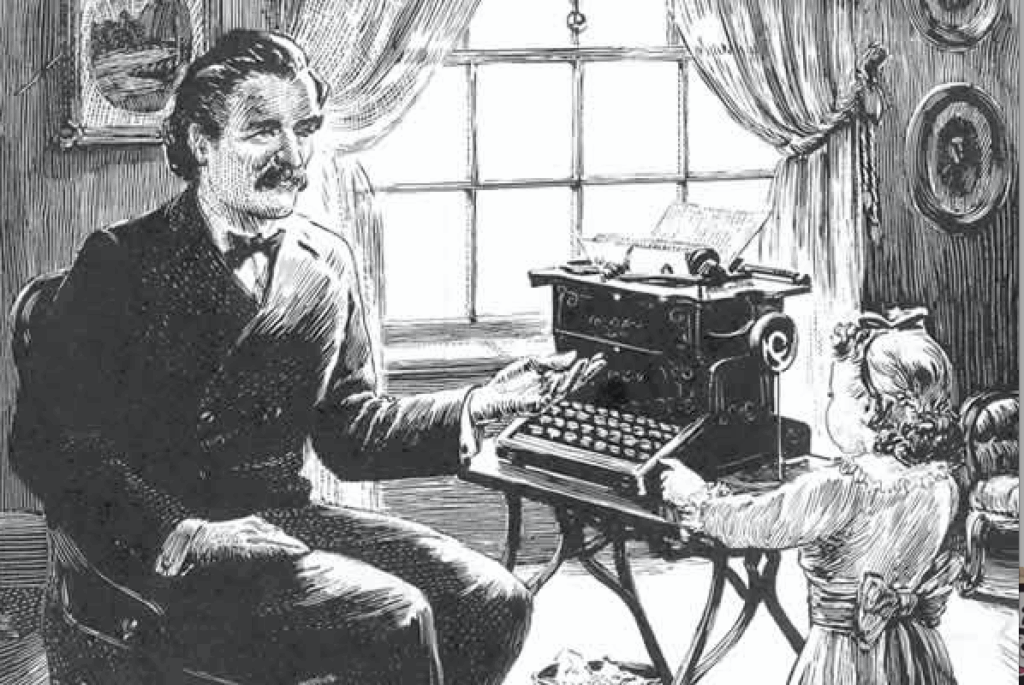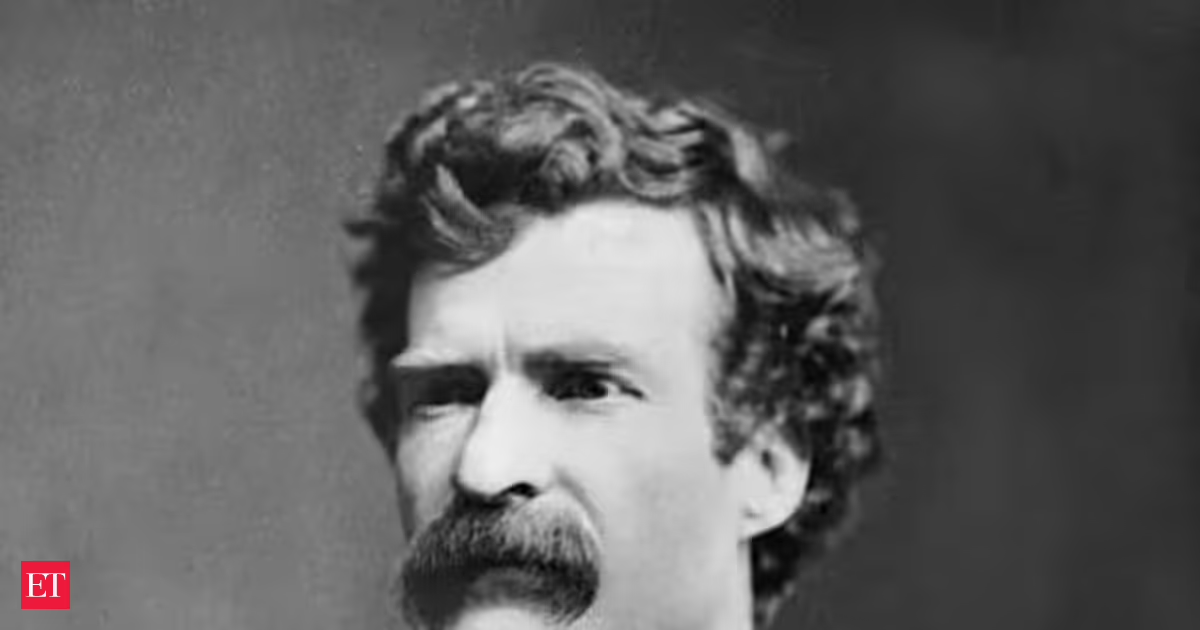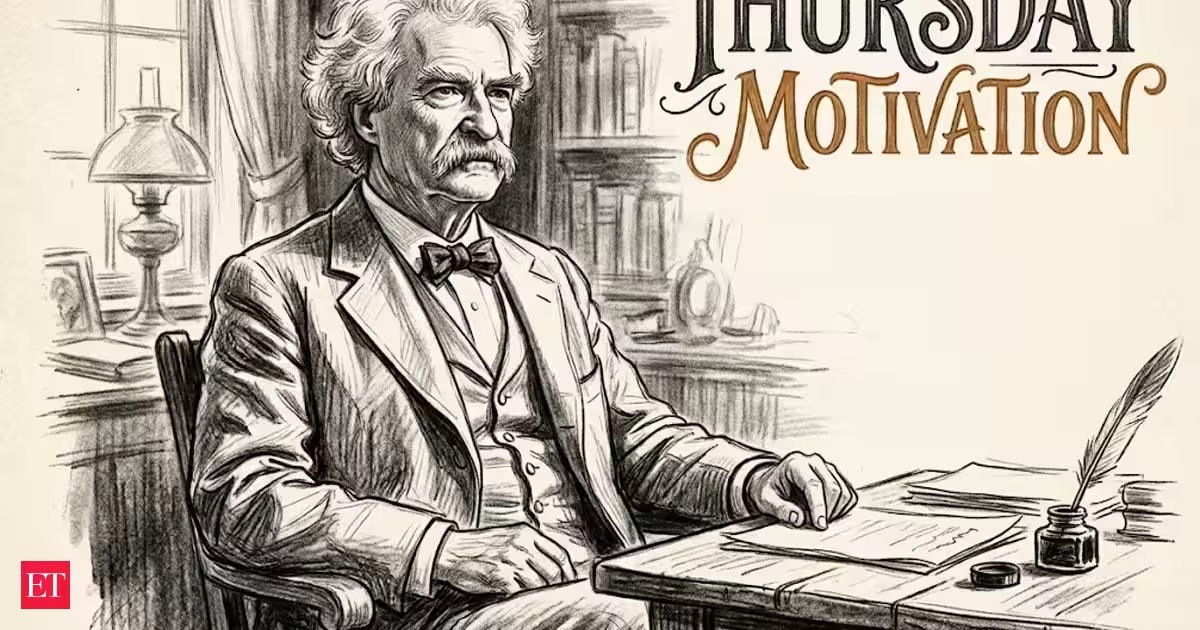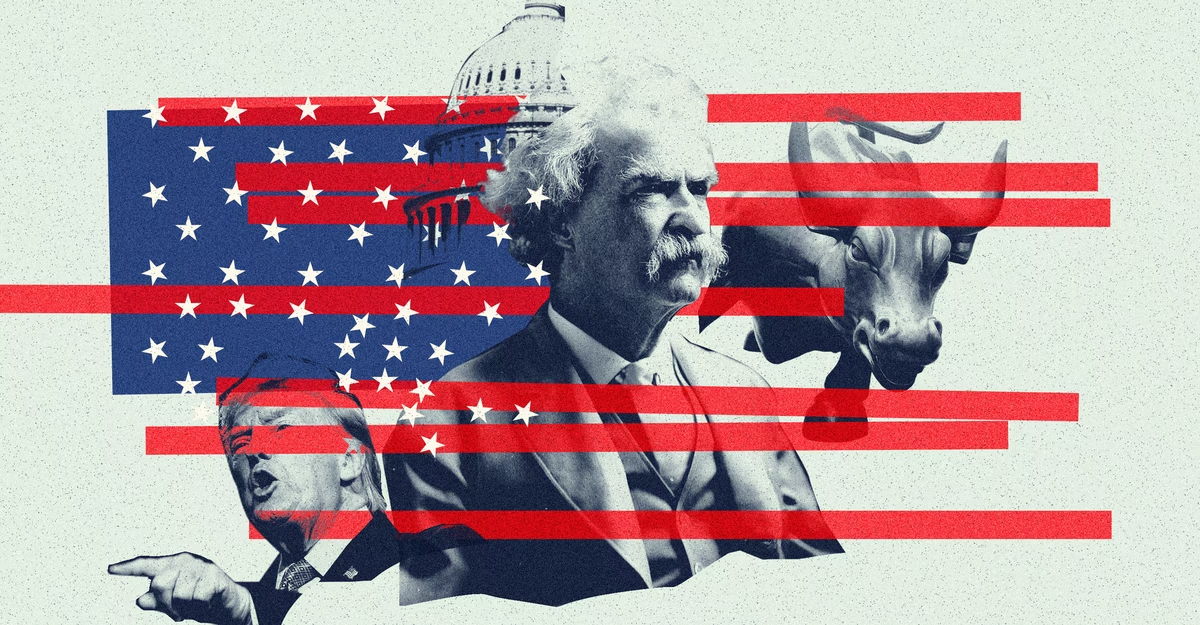
In the history of the invention of the typesetting machine and the consequent birth of mass media, Mark Twain is the Zelig of our tale, returning frequently as a typesetter in his brother’s ratty newspaper; as a tramp printer witnessing an explosion of progress in printing technology; as the bankrupted investor in the failed Paige Compositor, a competitor to the successful Linotype; as an early best-selling author and cultural celebrity; and as a publisher trying to invent a business model for books as an industry.Article continues after advertisement
Now that their machinery could produce volume, publishers needed ways to sell at scale, to build the modern phenomenon of the best-seller. The problem: In 1859, only 1,090 bookstores dotted America. By 1914, there were still only 3,501. So if readers couldn’t find books, books had to find their readers. For certain authors and publishers, including Twain, that was accomplished through subscription publishing, with door-to-door canvassers taking orders for books before they were printed. Until the end of the nineteenth century, three quarters of books in the U.S. were sold this way.
In 1874, the New York Tribune estimated that 50,000 agents were employed by subscription publishers. What a wonderful fictional character it would be to imagine the itinerant peddler pitching not pots or patent medicines but literature and literacy, foot in door after door, blurbing Twain with a few dozen sample pages and illustrations to whet curiosity and demand.