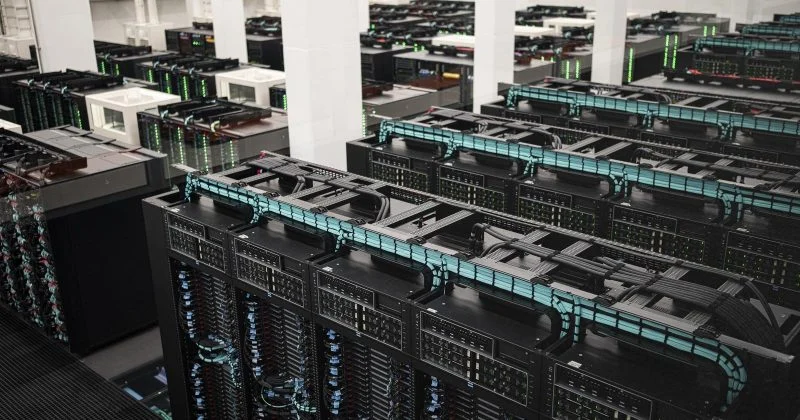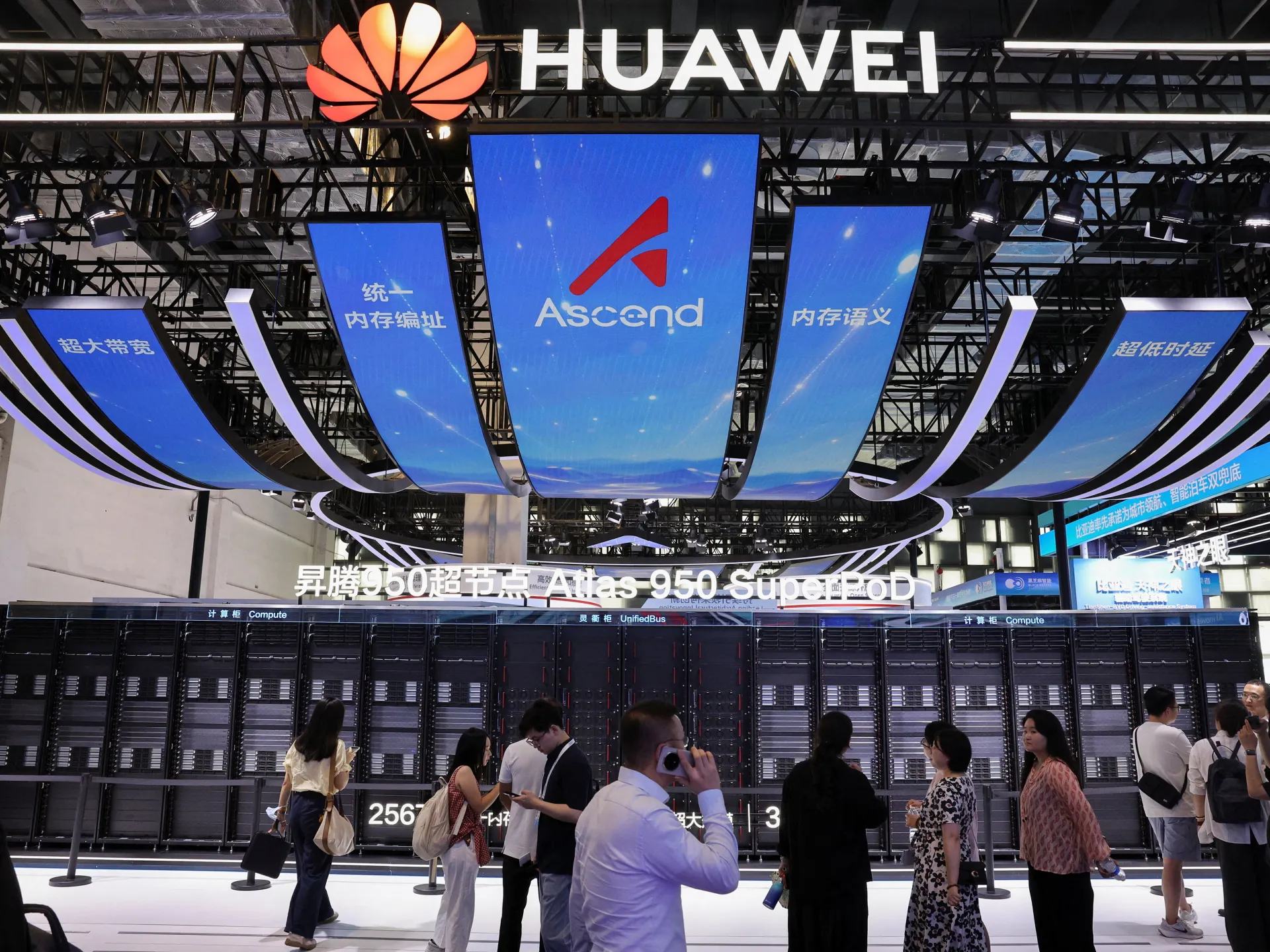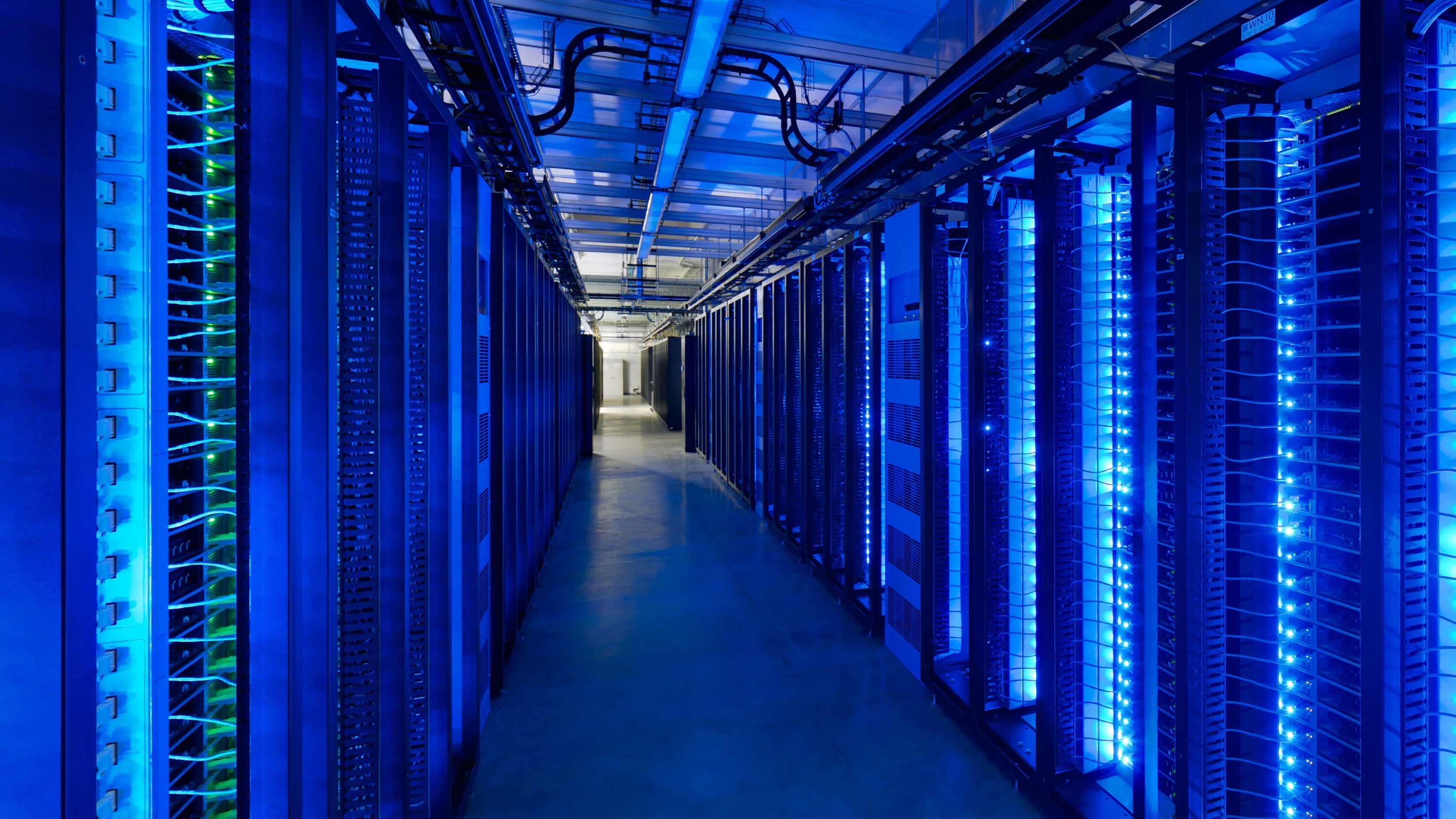
Brazil is spending 2.3bn reais, about $444m, on two AI supercomputers. One will be built with Huawei, the other is expected to go to Nvidia, and that is the entire point.
“The strategy is not to depend on a single company, technology or country,” the Lula government said in setting out the plan, which is an unusually direct statement of what most countries do quietly.
The Chinese half is the larger one. Huawei Technologies and the speech-recognition company iFlytek will build a 1.3bn reais system in Rio de Janeiro, worth roughly $251m and intended for training large language models, with work scheduled to begin in July 2027.
The second machine goes to a tender expected to be won by Nvidia, according to unnamed officials and the science and technology minister, Luciana Santos. That project is worth about 1bn reais, or $193m, and is due to be operating by the end of 2027.
It is going to Rio Grande do Norte, in the northeast, chosen for its energy potential rather than its proximity to anything. The state has substantial wind and solar capacity, which, for a machine of this size, is the constraint that matters most, as operators everywhere have been discovering.