Peak newsletter 🧠 | This is an excerpt from The Athletic’s weekly newsletter covering the mental side of sports. Sign up here to receive the Peak newsletter directly in your inbox.Last week, we asked 11 elite athletes from different sports one question: What is the single most important trait for a leader to have?This week, we asked the same question to 11 top coaches from different sports, including:
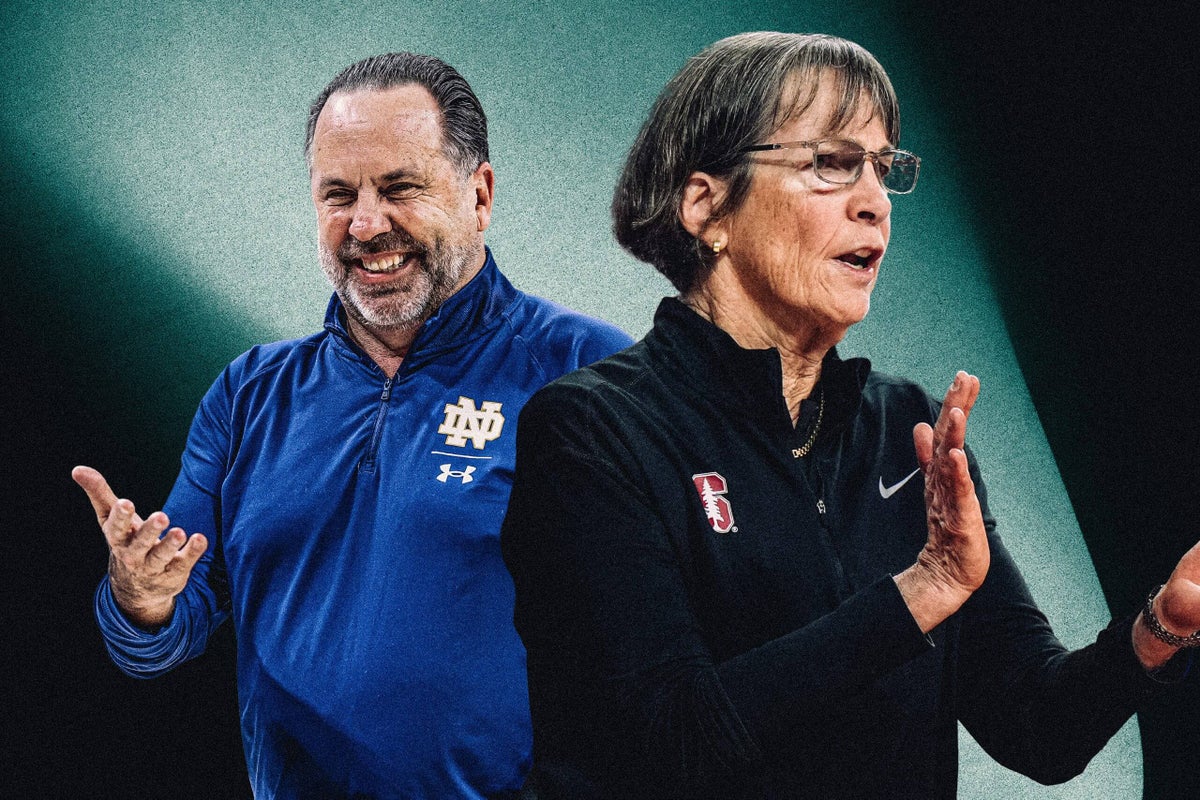
Two Hall of Fame women’s basketball coaches (Tara VanDerveer and Muffet McGraw)
a World Series champion (Joe Maddon)
and a Super Bowl champion (Bruce Arians).
College and pro coaches are tasked with managing egos, developing young athletes and leading different personalities and goals in the same unified direction.In some ways, it’s a masterclass in people management.IntegrityTara VanDerveer, former Stanford women’s basketball coach: When I was coaching the Olympic team, sometime in June, our team just was feeling a lot of pressure, but practice was not going very well at all.I told Carol Callan, who was the director, “We need to send everyone home.” I just felt that, and she said, “If that’s what you think we need to do, let’s do it.”I was making a decision that was, I think, in the best interest of the team at the time. (Callan) was trustworthy, and she trusted me, and I trusted her, and I think we got better results because of that.We had to do things that were best for the team. And when you have integrity, you do things that are best for everyone, not just yourself.Steadiness in any environmentCaron Butler, Miami Heat assistant coach: True leadership has to show and feel steady because you’re always going to be tested in competition.You want your leader to be steady, and you want your leader to be confident without having to say they’re confident. You’ve got to be able to visually see that and feel that.That makes everyone else more confident. When you have a leader that rattles under pressure, it makes you wonder: Do you abort or do you stay on?When you have a steady leader, no matter what happens, the mission is still the mission, and we’ve got to try to still complete it.EmpathyBrayan Peña, minor-league baseball coach: When leaders understand the people they serve and their perspectives, their needs and their challenges, they build trust. They make better decisions, and they help others perform at their best.AdaptabilitySean McDermott, former Buffalo Bills coach: For me, a big example was the night Damar Hamlin was critically injured. Everything changed in one horrifying moment.