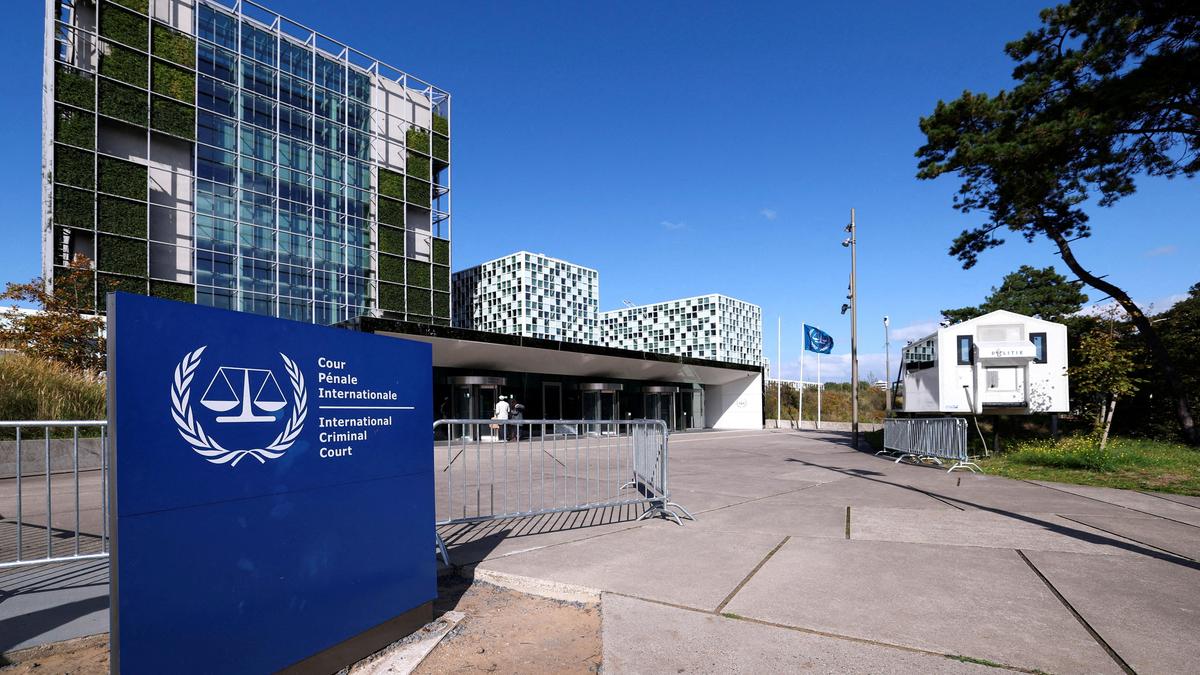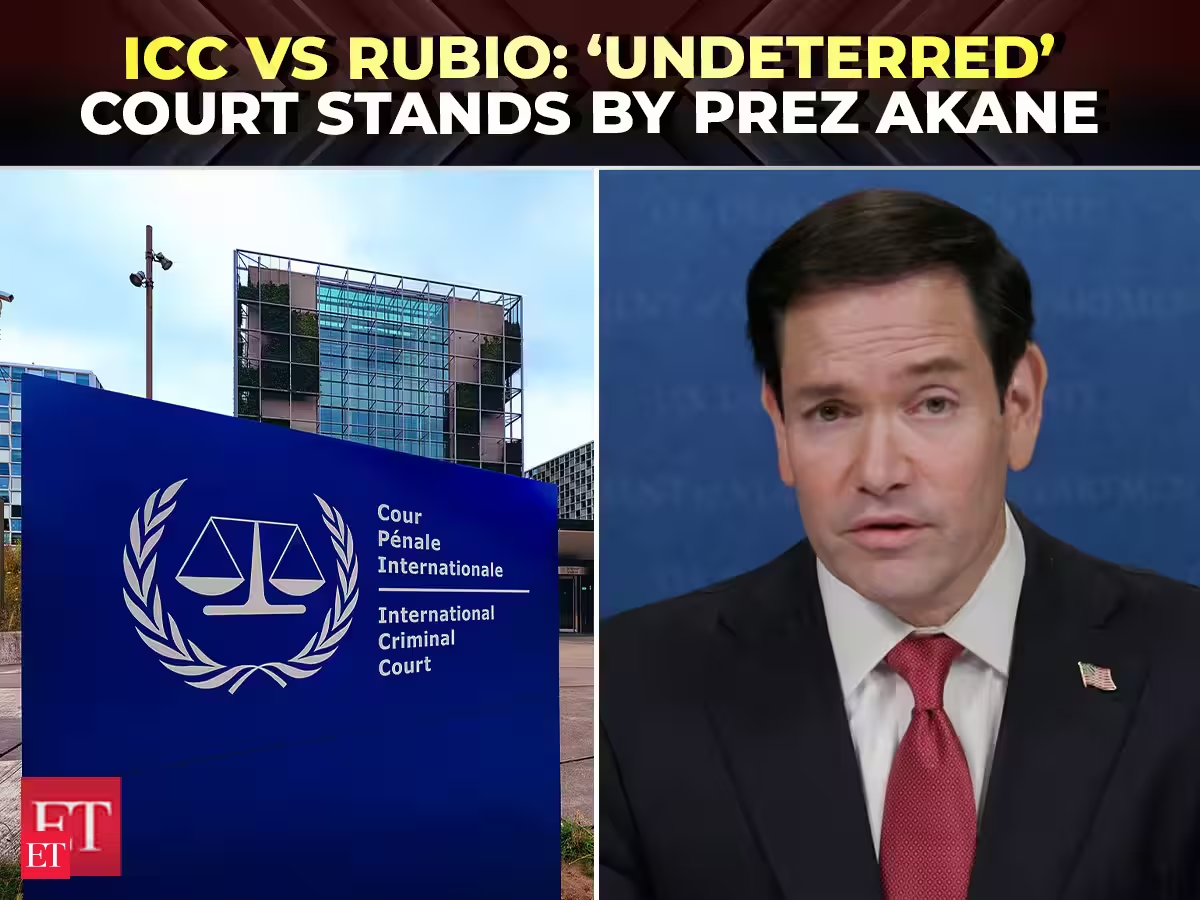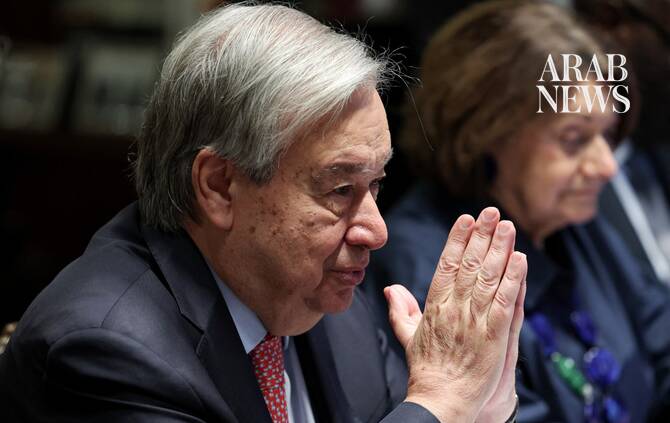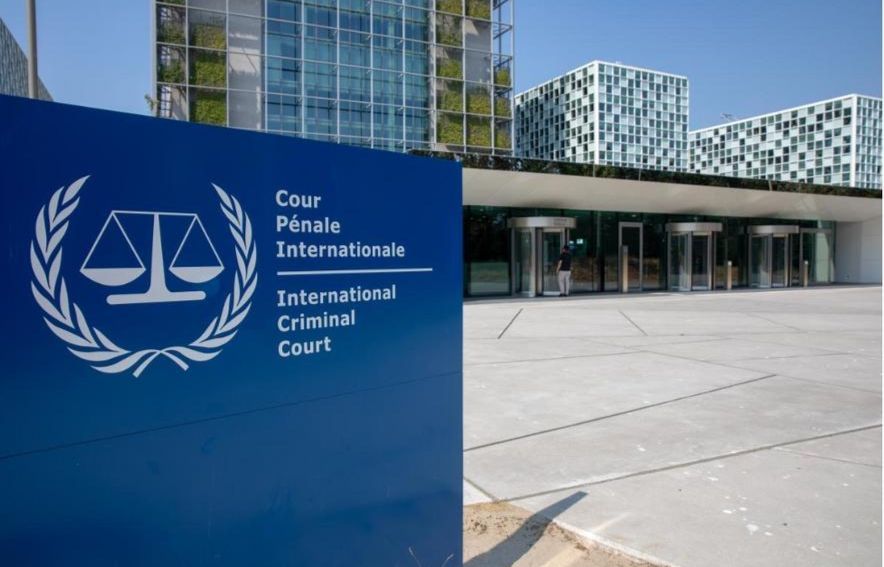
The Court condemns the U.S. sanctions on it.
On Tuesday, the United States sanctioned a Japanese judge and a Senegalese lawyer. Their crime? Doing exactly what they were appointed to do. If that sentence does not stop you, read it again.
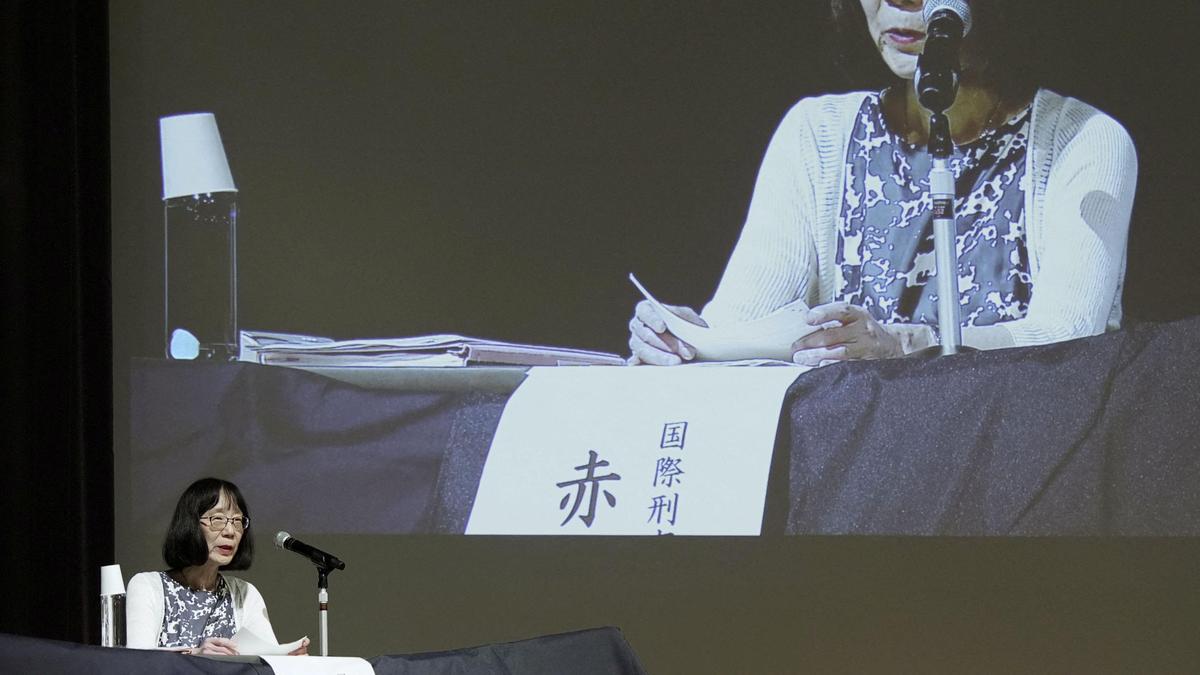
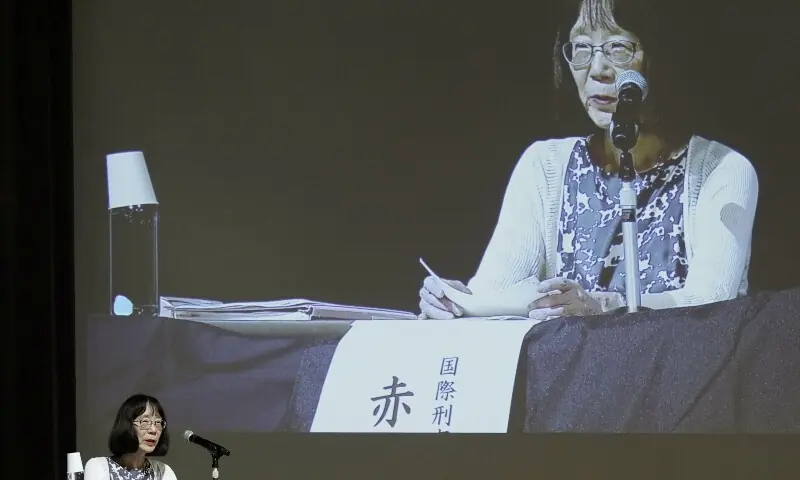
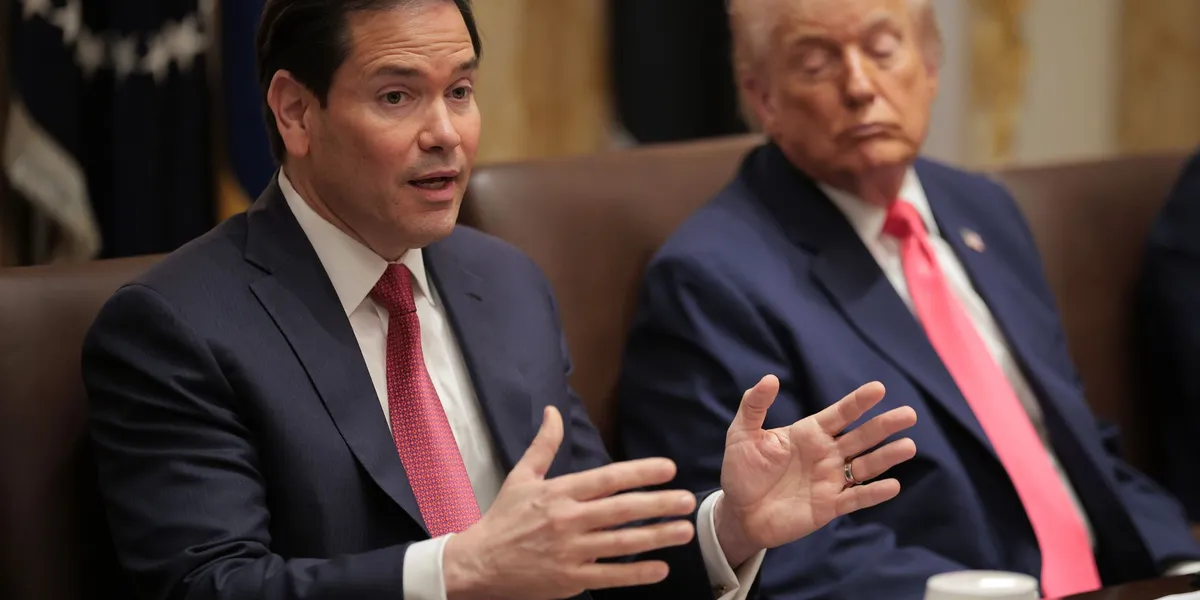
Tomoko Akane, President of the International Criminal Court, and Senior Trial Lawyer Abdoulaye Seye now find themselves barred from entering the United States and cut off from the American financial system. US Secretary of State Marco Rubio offered the justification without a flicker of self-awareness, stating that these individuals had “participated in efforts to investigate officials from countries that had not consented to ICC jurisdiction.” He said this as though it were damning. As though a court prosecuting atrocities should first seek permission from the governments whose officials committed them. There is a word for that logic. It is called impunity, and Washington is currently its most powerful advocate.
To understand why this matters beyond the immediate headlines, it helps to zoom out. The International Criminal Court was not dreamed up by idealists in a vacuum. It was built in the wreckage of the twentieth century, after Nuremberg, after Rwanda, after Srebrenica, on a single hard-won conviction: hat some crimes are so grave that the world cannot simply look away because the perpetrators happen to control a government. The United States did not just tolerate this idea. It championed it. American prosecutors stood at Nuremberg. American diplomats shaped the Rome Statute negotiations. And then, when the court began doing exactly what it was designed to do, Washington decided the experiment was over.