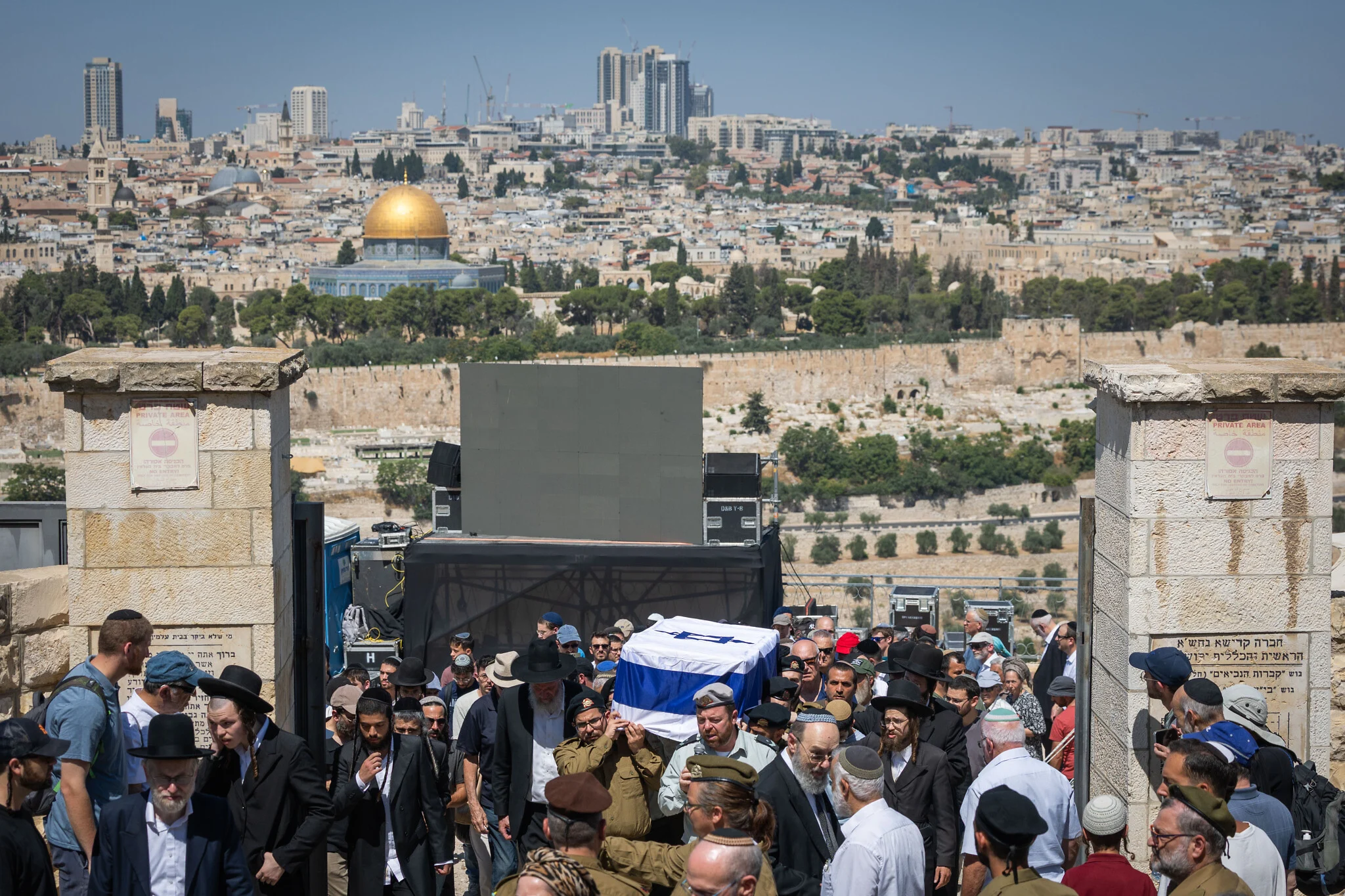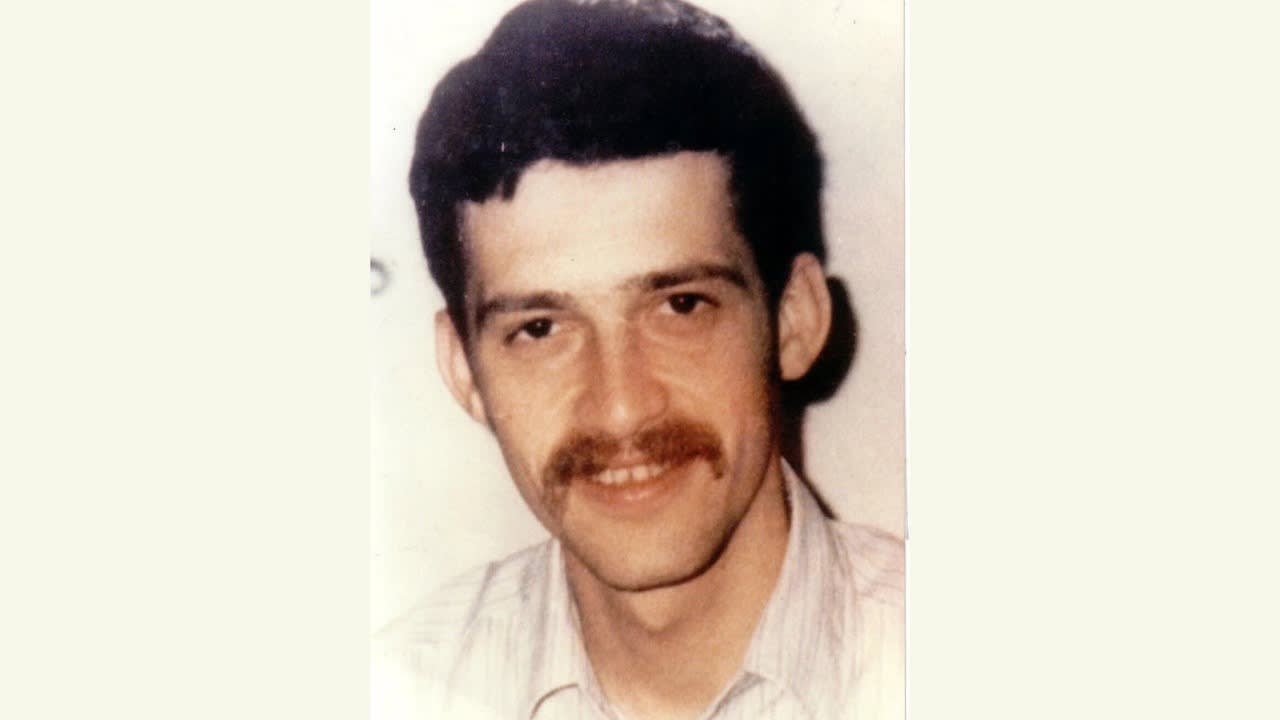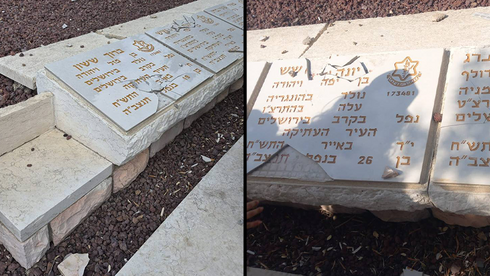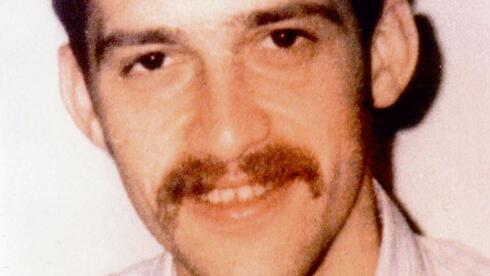
Sgt. 1st Class Yehuda Katz laid to rest 44 years after the Battle of Sultan Yacoub, closing the final missing-soldier case from one of the IDF’s most painful battlesAfter 44 years, Yehuda Katz, the last IDF soldier missing from the 1982 Battle of Sultan Yacoub in Lebanon, was being laid to rest Friday after his remains were located this week and returned to Israel.Katz’s funeral procession departed for Jerusalem’s Mount of Olives cemetery from the Kerem B’Yavneh Hesder Yeshiva, the religious seminary where he studied before his military service. Family members, rabbis, alumni and students gathered there to pay tribute to him.GallerySgt. 1st Class Yehuda Katz (Photo: Courtesy of the family)Hesder yeshivas are religious seminaries whose students combine advanced Jewish studies with military service in the IDF.Rabbi Mordechai Greenberg, head of the Kerem B’Yavneh yeshiva, recalled Katz’s commitment to his faith during his military service.“There are those who think yeshiva students deteriorate spiritually in the army. There is such a discourse,” Greenberg said. “With Yehuda, it was the opposite. He wrote down for himself the special commitments he had taken upon himself to observe in the army.”The Association of Hesder Yeshivas said Katz had been missing from his family and community for more than four decades, but hopes for his return had never faded.Katz's funeral procession arrives at Jerusalem’s Mount of Olives (Photo: Liran Tamari)“For 44 years, Yehuda Yekutiel Katz was missing from his family, his friends, the Kerem B’Yavneh yeshiva and the entire Hesder yeshiva community,” the organization said. “Generations of students have been born and raised since that battle, but the prayer for his return never ceased.”The association said Katz embodied the principle at the heart of the Hesder movement: combining religious study with responsibility for the defense of Israel.“We embrace the Katz family, his friends and the Kerem B’Yavneh Hesder Yeshiva community,” it said.The IDF announced that Katz’s remains were recovered overnight between Monday and Tuesday in a joint operation with the Mossad intelligence agency. Katz, a sergeant first class, was the last Israeli soldier still listed as missing from the Battle of Sultan Yacoub.The battle was fought between Israeli and Syrian forces on June 11, 1982, the sixth day of the First Lebanon War, known at the time in Israel as Operation Peace for Galilee.Hundreds lined the procession route with Israeli flags (Photo: Hevel Yavne Regional Council)Twenty IDF soldiers were killed, dozens were wounded and six were initially listed as missing after Israeli forces withdrew from the battlefield.Three of the six remained missing for decades.The circumstances and conduct of the Battle of Sultan Yacoub have been the subject of decades of public and historical debate in Israel, in part because of the heavy casualties, the prolonged uncertainty over the missing soldiers and criticism directed at commanders involved in the fighting, some of whom later entered politics.Katz was buried at the historic Jewish cemetery on the Mount of Olives in Jerusalem.The cemetery also carries significance dating to the 1948 War of Independence. During fighting and the siege of Jerusalem’s Jewish Quarter, about 70 people were killed, including roughly 30 civilians and 40 fighters, among them members of Jewish underground organizations and local residents who joined the fighting. Some residents were posthumously recognized as fallen servicemen.(Photo: Hevel Yavne Regional Council)During the early months of the fighting, the dead were evacuated from Jerusalem’s Old City with British mediation and brought for burial on the Mount of Olives.Katz’s burial Friday brings to an end a 44-year wait for his family and closes one of the longest-running missing-soldier cases stemming from Israel’s first war in Lebanon.
Israel buries last soldier missing from disastrous 1982 First Lebanon War clash
Sgt. 1st Class Yehuda Katz laid to rest 44 years after the Battle of Sultan Yacoub, closing the final missing-soldier case from one of the IDF’s most painful battles
595 words~3 min read