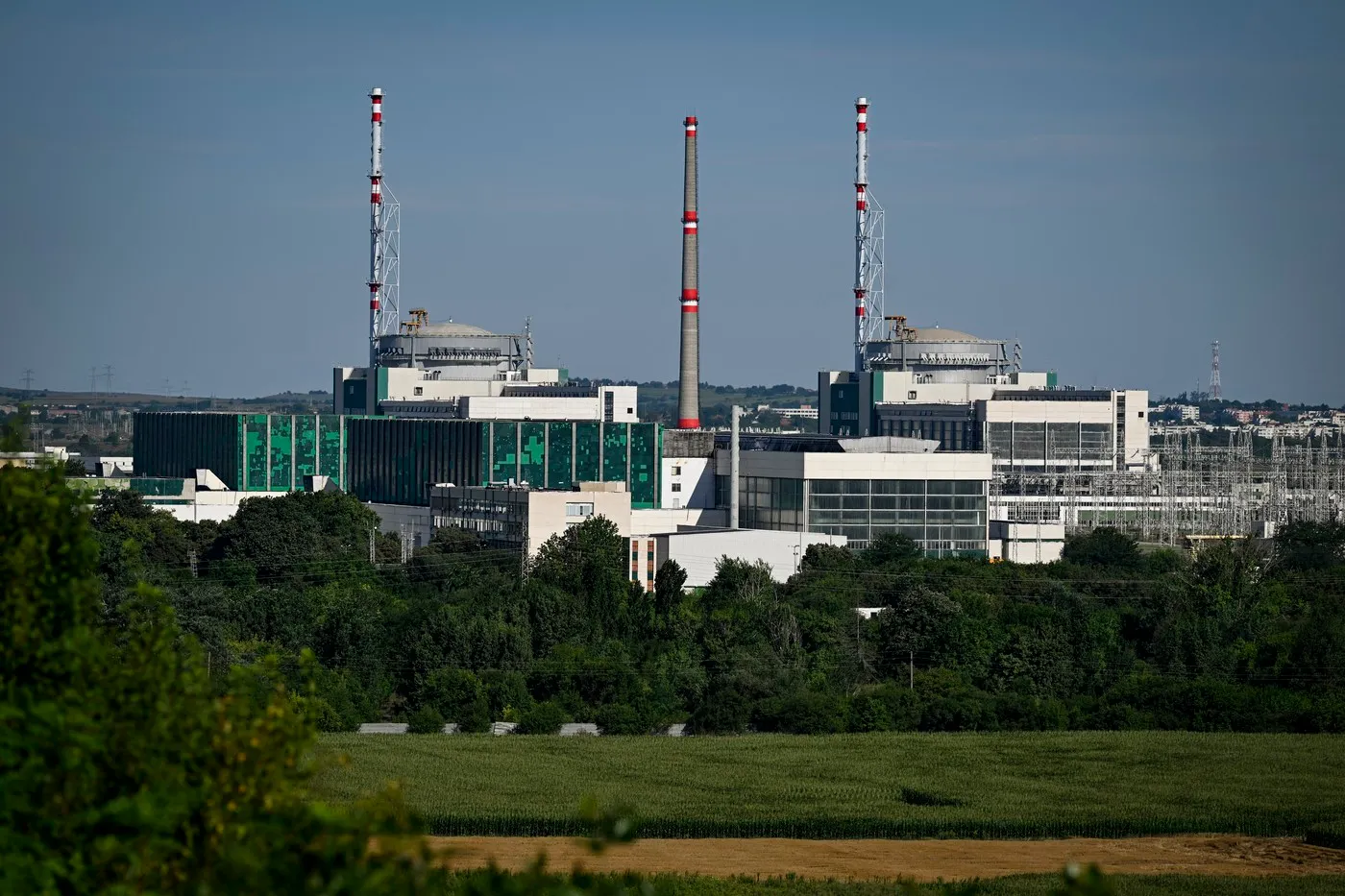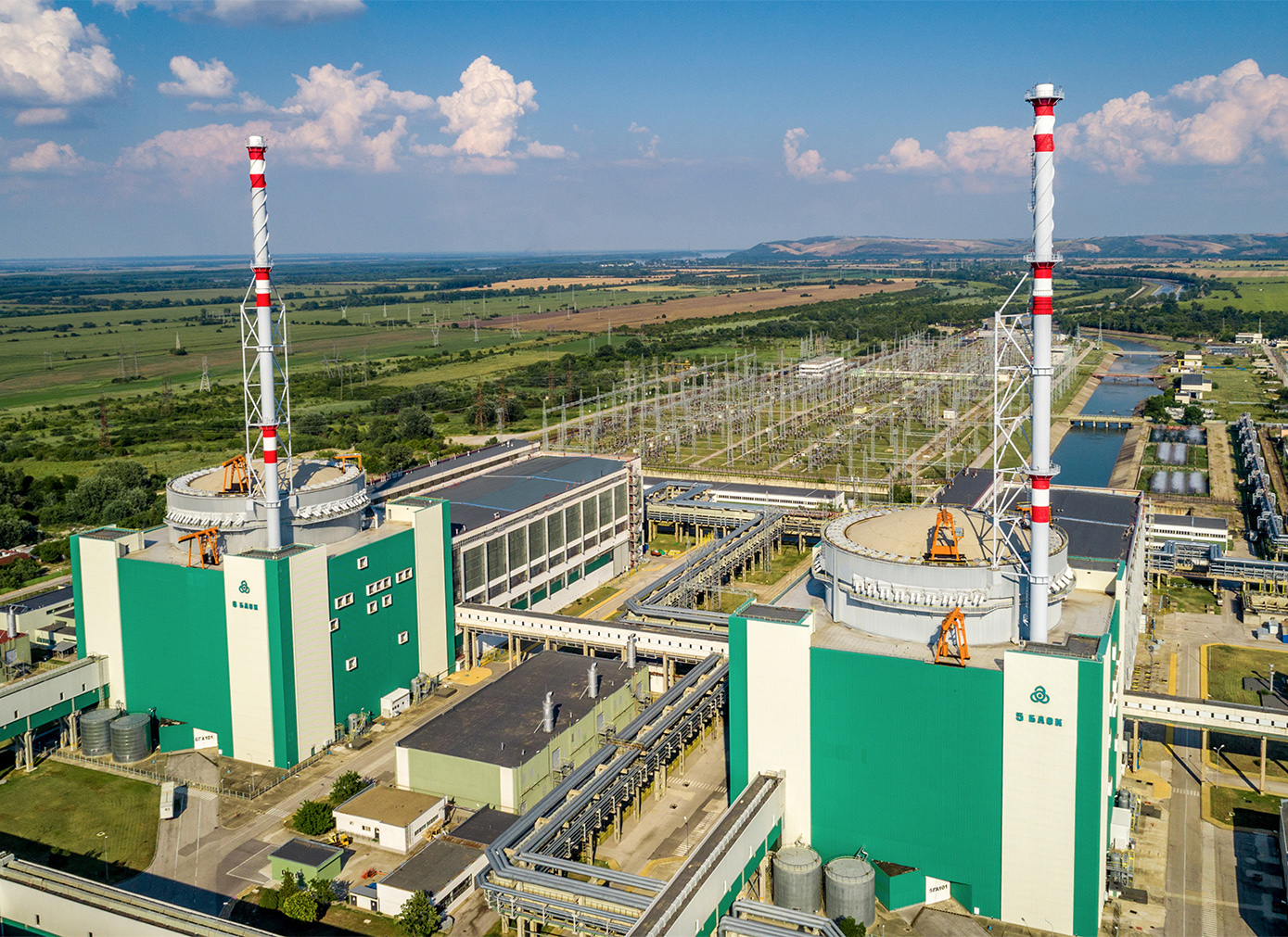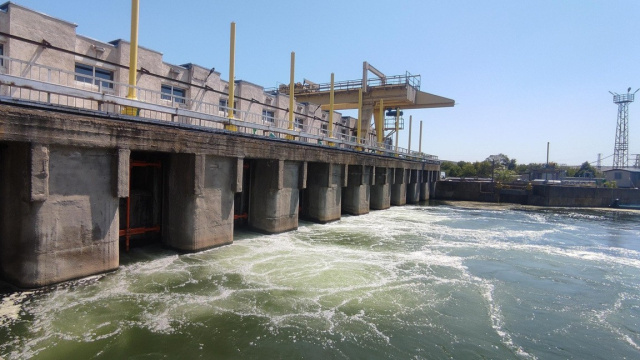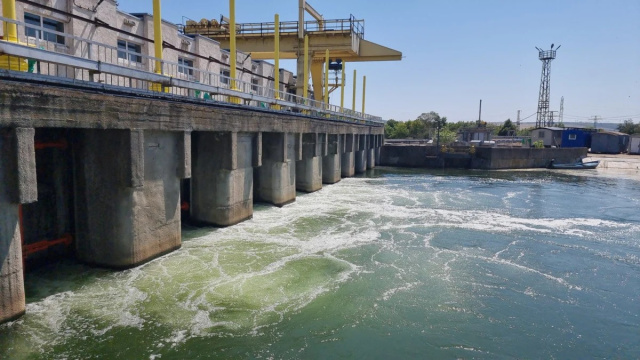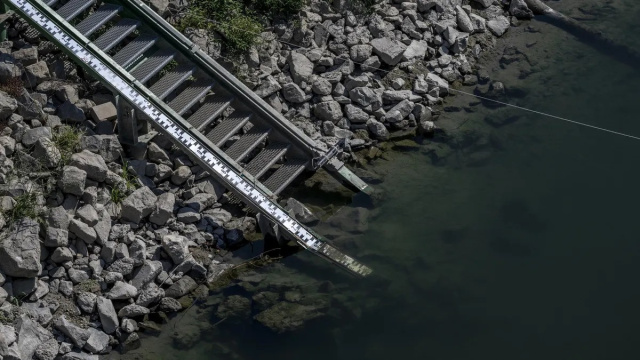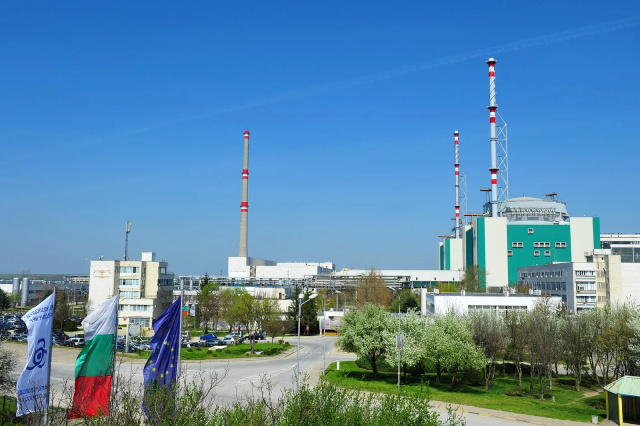
The output of Unit 5 at Bulgaria’s Kozloduy Nuclear Power Plant is being reduced by about 120 megawatts because of the critically low level of the Danube River. The measure has been introduced as a precaution to ensure the safe operation of the power unit amid an ongoing and unprecedented decline in the river’s water level.
Forecasts for water levels upstream of Bulgaria’s section of the Danube continue to indicate further decreases, prompting the plant to take additional measures. This is the first time in the 52-year operating history of the Kozloduy plant that the output of one of its units has been reduced because of extreme meteorological and hydrological conditions.
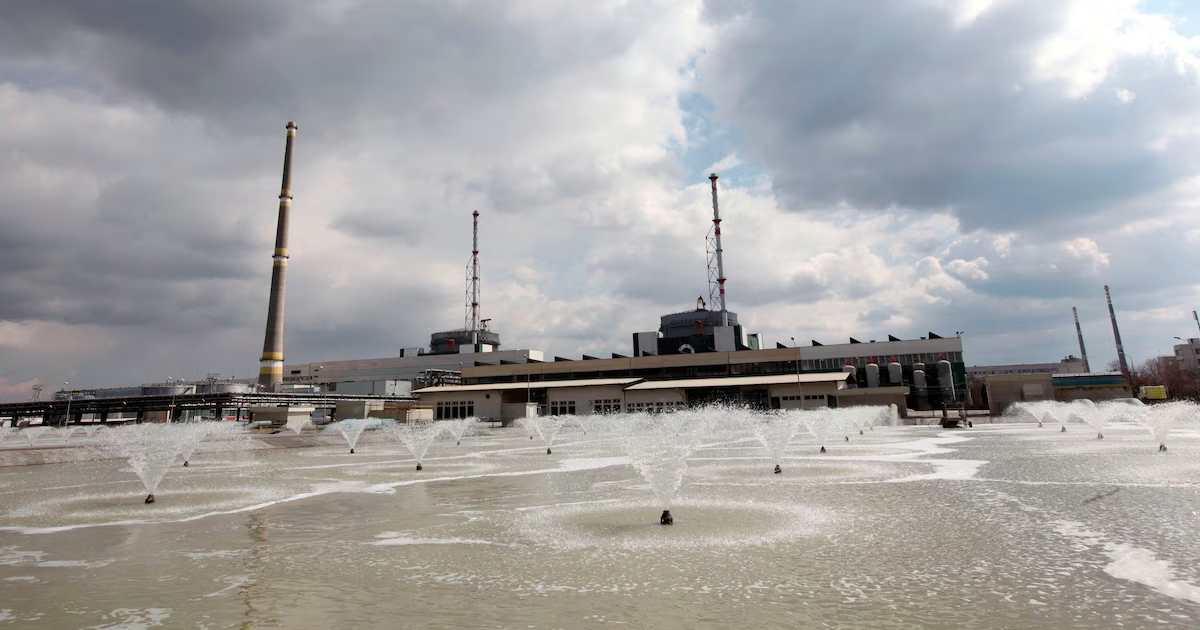
The Danube’s water is used at the plant to cool steam in condensers located in the non-nuclear section of the facility. It is not used to cool the nuclear reactors themselves.
Water is drawn from the river through the plant’s own riverside pumping station. The facility was specifically designed and built to maintain the necessary water supply even when the Danube’s level is unusually low.
The reduction in Unit 5’s output is therefore part of a precautionary response to the extreme hydrological conditions, rather than a measure related to the cooling of the nuclear reactor itself.