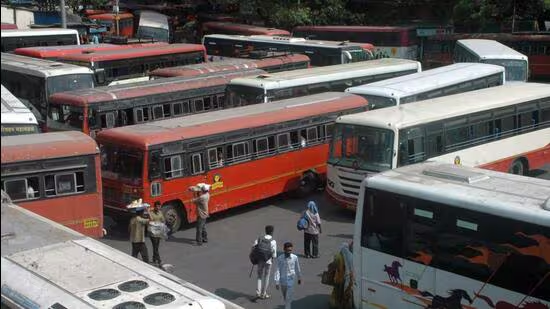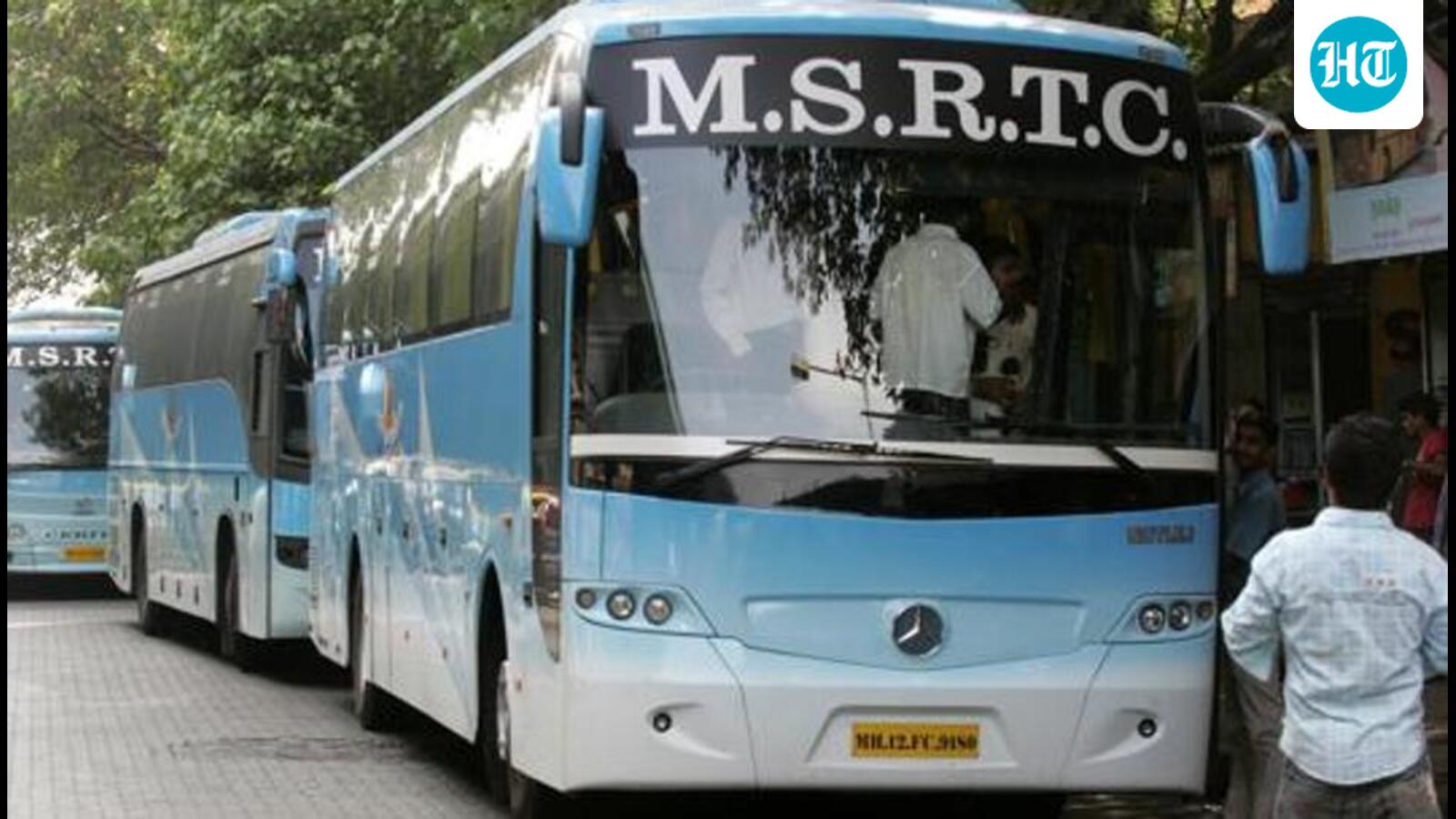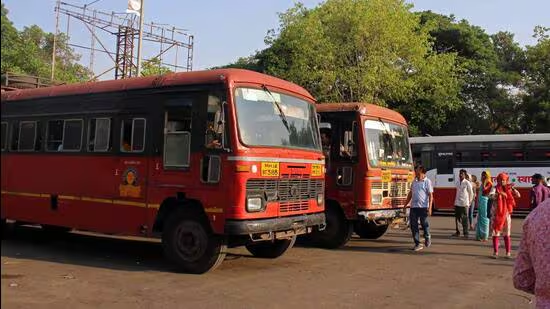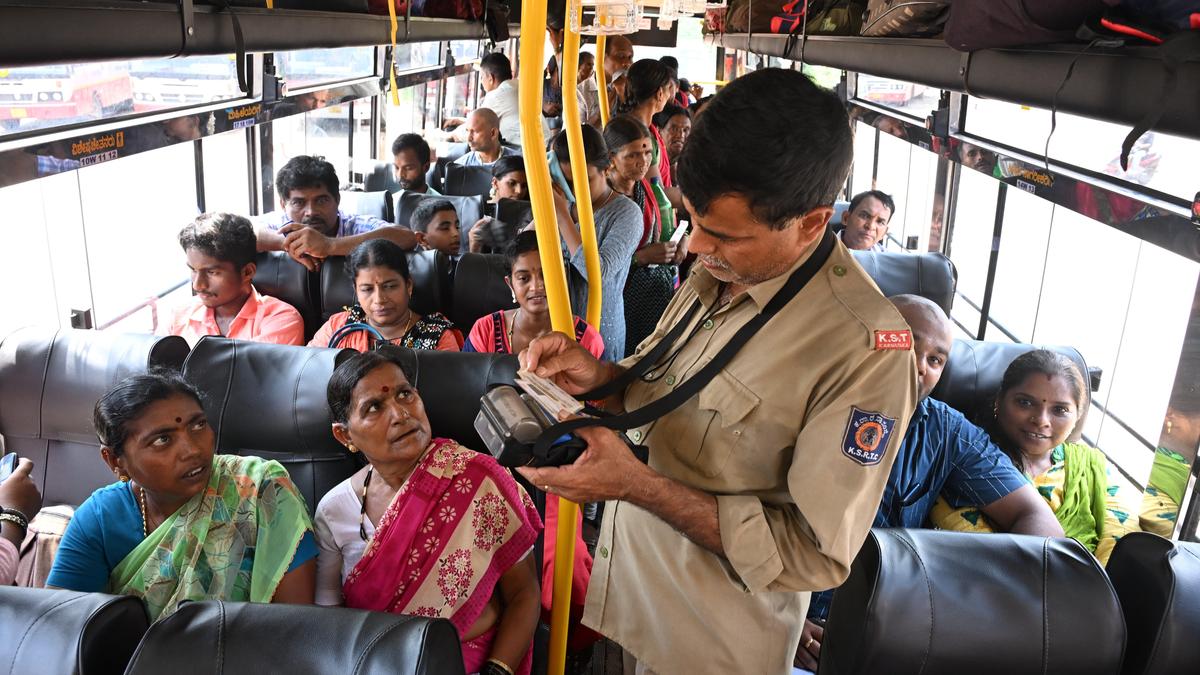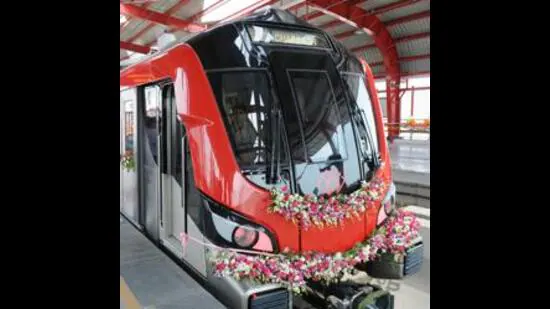
As digital payments and transit systems become increasingly integrated, the adoption of interoperable, contactless payment instruments is gaining momentum across India. The RuPay National Common Mobility Card (NCMC) ecosystem, in particular, is enabling users to access multiple mobility and payment services through a single smartcard.Against this backdrop, Ebix and its distribution arm Ebix Payment Services, along with National Securities Depository Limited (NDSL) payment banks*, have registered more than a crore NCMC RuPay smartcards in five months, a pace of roughly 66,000 cards a day, or about 46 every minute, sustained without a break. The run ranks among the fastest issuance runs recorded by a financial institution on the RuPay network in India.1 crore+cards registered5 monthsstart to finish~66,000cards a day~46cards a minuteWhat matters more than the number is who is now holding these cards.A state transport corporation’s concessional passengers - students, senior citizens, persons with disabilities, freedom fighters and other notified categories, are travelling on NCMC . The cards were issued in partnership with NSDL Payments Bank and are in daily use across the Maharashtra State Road Transport Corporation (MSRTC) network.The end of the paper passFor decades, concession travel in Maharashtra ran on a paper pass handed to the conductor at the door and checked against a photograph that had usually faded. Passes were difficult to verify, easy to misuse, and left the state reconciling a large annual subsidy mostly by hand.On the NCMC card, the concession entitlement is stored on the chip. The ticketing machine validates it offline in under a second, which matters on routes where a bus halts for barely thirty seconds. Checking a pass at the door has been replaced by a simple tap.The scale behind a crore cards in five monthsCard programmes of this size ordinarily take well over a year. Almost none of them involve enrolling beneficiaries scattered across every taluka in a state, verifying entitlement category by category, and doing it in places where the nearest bank branch may be an hour away.MSRTC's network reaches roughly 16,000 villages. Issuance followed that network rather than concentrating in Mumbai, Pune and Nagpur, which is what made the rollout difficult, and also what made it worthwhile.EbixCash Payment Solutions, operates regulated Reserve Bank of India entities holding AD-II, Full Fledged Money Changer (FFMC), Money Transfer Service Scheme (MTSS) and Prepaid Payment Instrument (PPI) licences, ran the end-to-end chain: card personalisation, issuance, fare collection, transaction processing and concession validation at the point of travel.The MSRTC Smart Card concession projectThe issuance sits within MSRTC's Smart Card Concession Project, a corporation-wide programme to move statutory concessional travel off paper entirely. Maharashtra extends subsidised fares to a wide set of categories under state policy, school and college students, senior citizens, persons with disabilities, freedom fighters, journalists and others; and each category previously carried its own pass format, its own renewal cycle and its own verification headache at the door.Under the project, every one of those entitlements is written to the chip on a single NCMC card. Issuance was run through MSRTC's depot network so that passengers could enrol where they already travel from, rather than being asked to reach a bank or a district office. Category, validity and concession slab are verified at the machine, offline, at the moment of boarding.For the corporation, the bigger change may be on the back end. Concession travel is reimbursed by the state, and until now that reimbursement relied on manual counts. Every concessional journey is now logged with a timestamp, giving MSRTC an auditable record to work from instead of an estimate.Aligned with the Prime Minister's Digital India VisionThe National Common Mobility Card is itself a Digital India initiative. Launched by the Prime Minister under the banner of 'One Nation, One Card', it was conceived to give every Indian a single, indigenously built travel credential that works across any transit system in the country - metro, bus, suburban rail, water transport; without a separate card for each city or each operator.Because the MSRTC card is NCMC-compliant and runs on the home-grown RuPay network, it isn't limited to Maharashtra's buses. The same card a student taps in a taluka town also works on a metro in another state, which is the core design intent of the NCMC framework, extending India's transit payments, alongside Aadhaar and UPI, into national digital infrastructure.The Prime Minister has spoken about Digital India needing to reach the last village, not stop at the last metro station, and this rollout followed that approach. Issuance went into roughly 16,000 villages, reaching students, pensioners, persons with disabilities and rural daily travellers - many of whom did not already hold a digital payment instrument. For a number of them, this is the first payment credential they have carried.Retail payment integration, auto-recharge, and expansion to metro and water transport are next on the roadmap. Once those are in place, the same concession card will also work as a general-purpose payment instrument."We've run large card programmes before, but not at this speed, and not for this set of passengers. A student or a pensioner in a village now carries the same card as anyone else in the country. That was the point of the exercise." said T C GURUPRASAD, Managing Director, EbixCash Payment Solutions. "MSRTC and NSDL Payments Bank were both clear that this had to reach the depot network, not just the cities, and that shaped how we built it. We'd like to run this same model for other transit and concession programmes." he added. The programme was formally inaugurated at a ceremony attended by Chief Minister Devendra Fadnavis, Deputy Chief Minister Eknath Shinde, Smt Sunetra Pawar, Transport Minister Pratap Sarnaik, and MSRTC Managing Director Dr Madhav Kusekar.At a Glance1 crore+ NCMC RuPay smartcards registered in five months~66,000 a day — roughly 46 cards every minute, sustainedA Digital Concession Travel — NCMC extended to concessional passengers of a state transport corporationWho it covers — students, senior citizens, persons with disabilities, freedom fighters, other notified categoriesWhere — MSRTC network, reaching roughly 16,000 villages across MaharashtraThe programme — MSRTC Smart Card Concession Project, digitising statutory concessional travel end to endNational framework — NCMC / 'One Nation, One Card', a Digital India initiative launched by PM Narendra ModiWho built it — EbixCash Payment Solutions (technology) · NSDL Payments Bank (issuer) · RuPay (network)Next — retail payments, auto-recharge, metro and water transportIssued with NSDL Payments Bank on the RuPay network under MSRTC's Smart Card Concession Project, the cards have replaced paper concession passes for students, senior citizens, persons with disabilities and freedom fighters, and others, across 16,000 villages in Maharashtra, in line with the Prime Minister's 'One Nation, One Card' vision.Disclaimer: The above content is non-editorial, and TIL hereby disclaims any and all warranties, expressed or implied, relating to it, and does not guarantee, vouch for or necessarily endorse any of the content.
Ebix and NSDL Payments Bank cross one crore registrations Under MSRTC NCMC Programmes.
Over one crore NCMC RuPay smartcards were registered in five months. These cards now serve MSRTC concessional passengers across Maharashtra's villages. The digital passes replace old paper systems, improving verification and reducing misuse. This initiative aligns with Prime Minister Modi's Digital India 'One Nation, One Card' vision. Future plans include retail payments and integration with metro and water transport.
1,132 words~5 min read