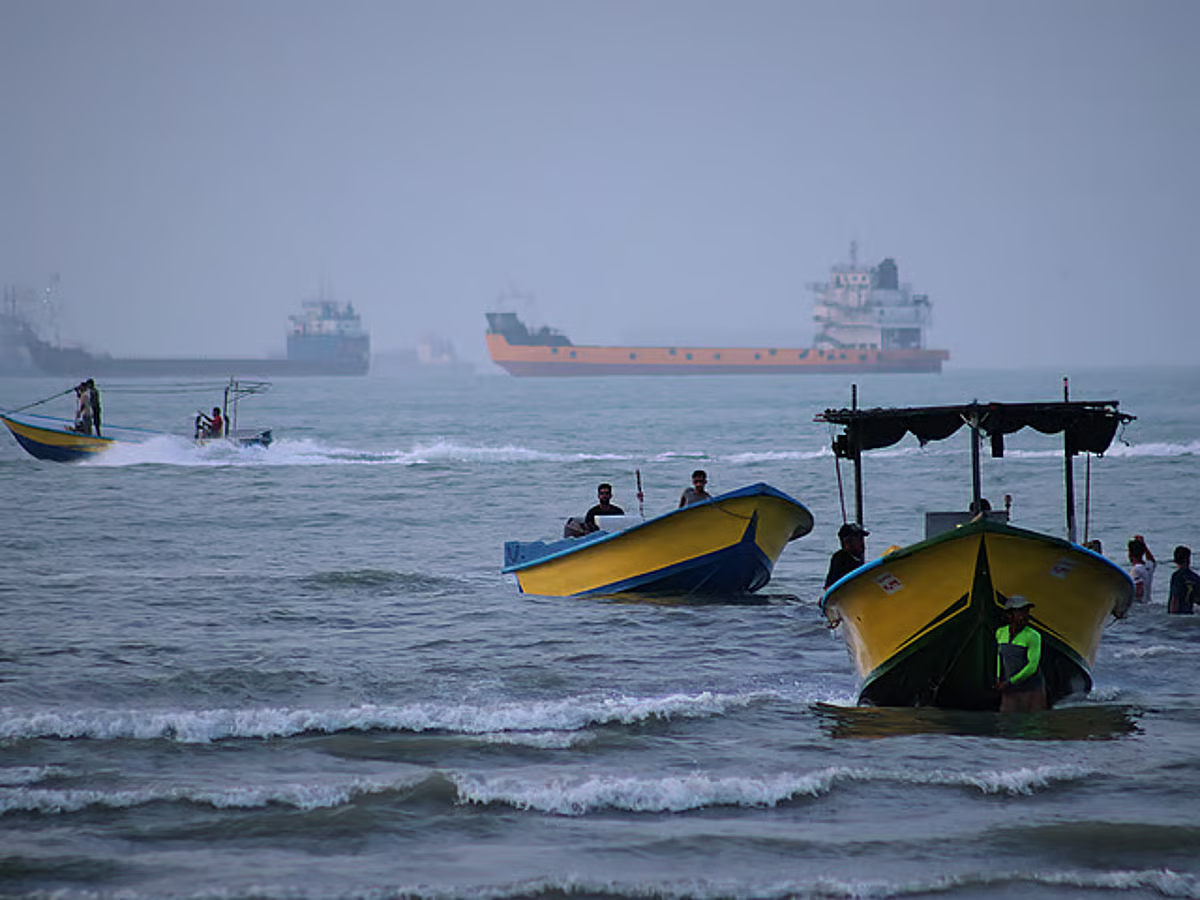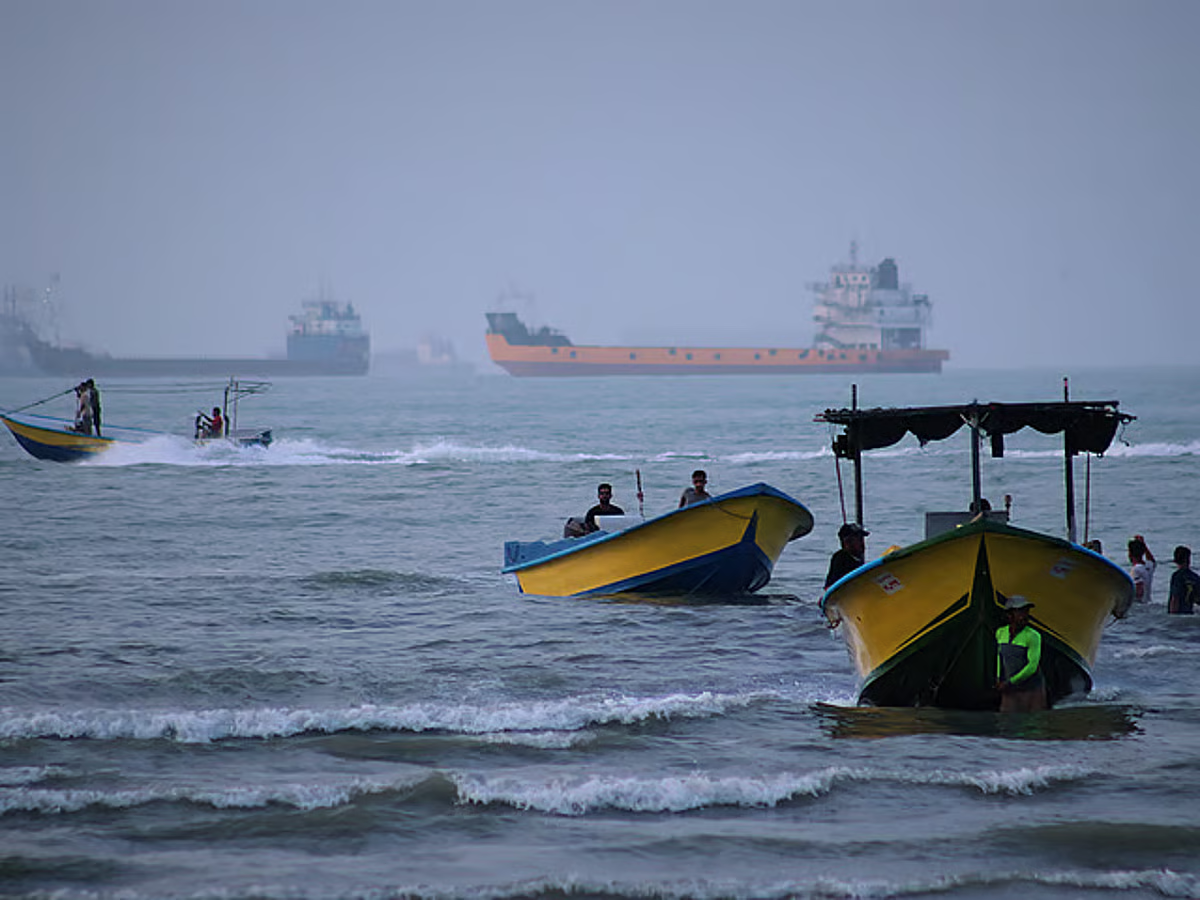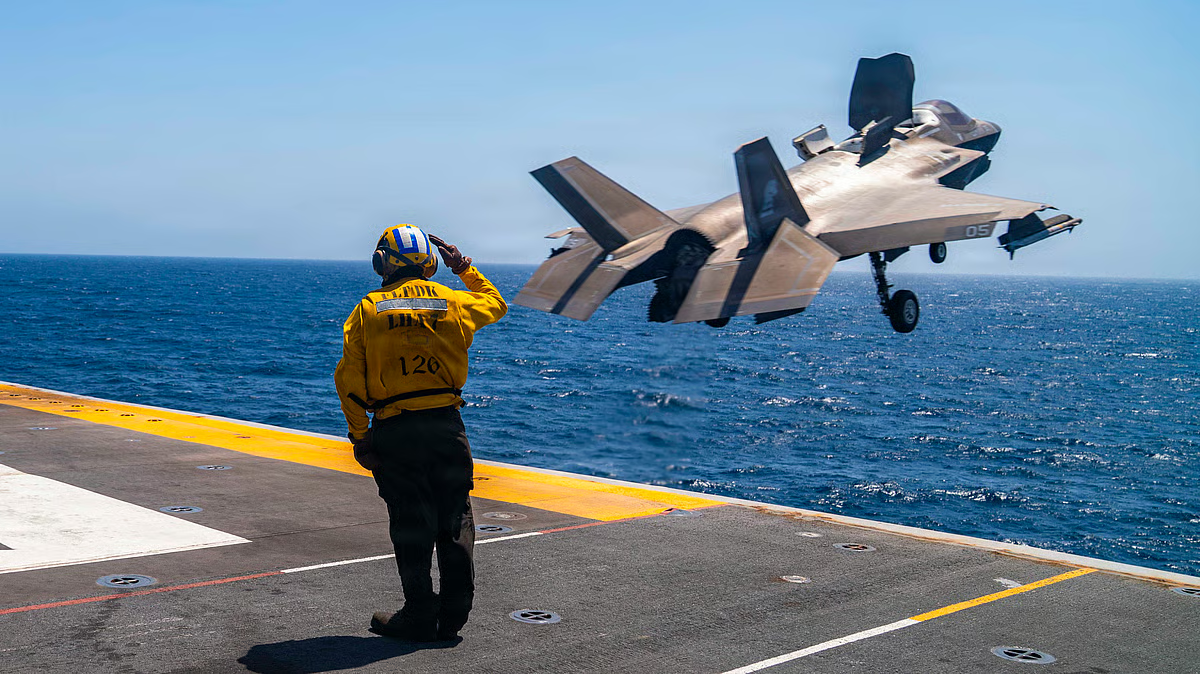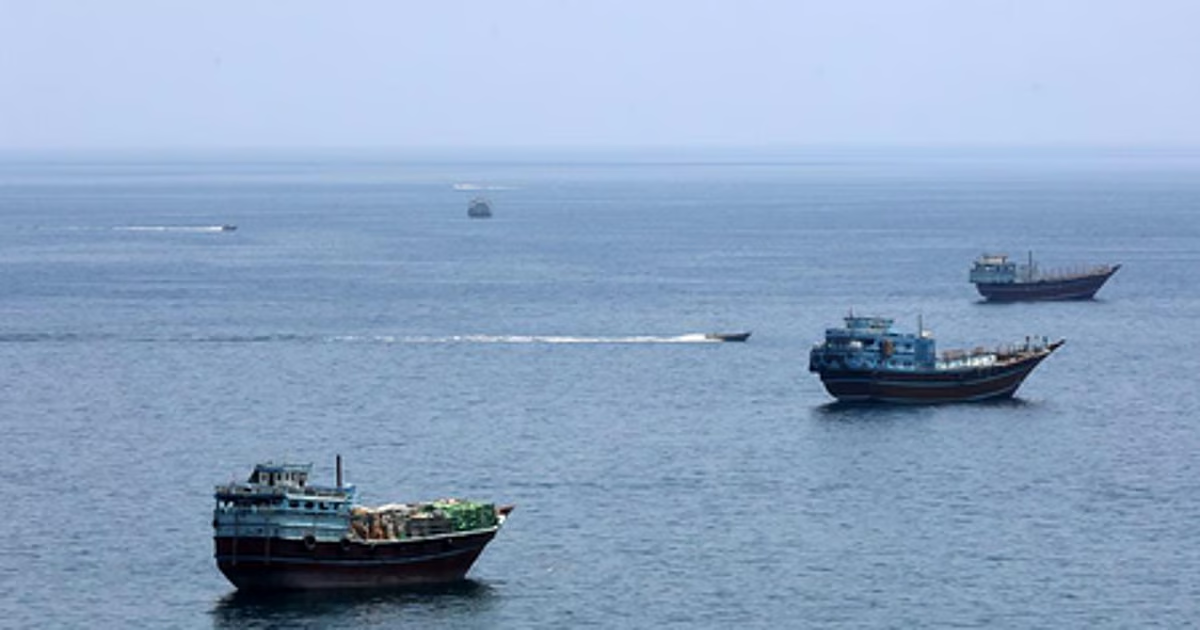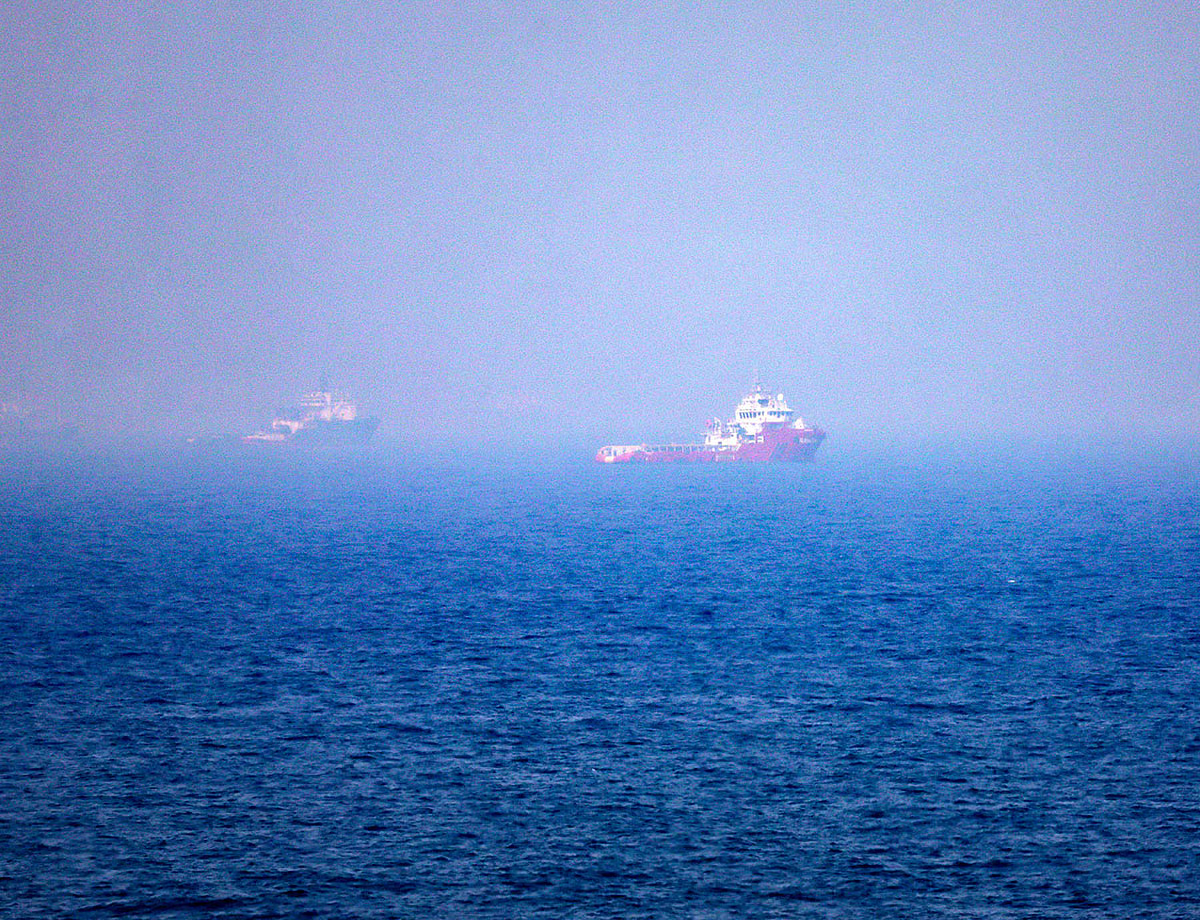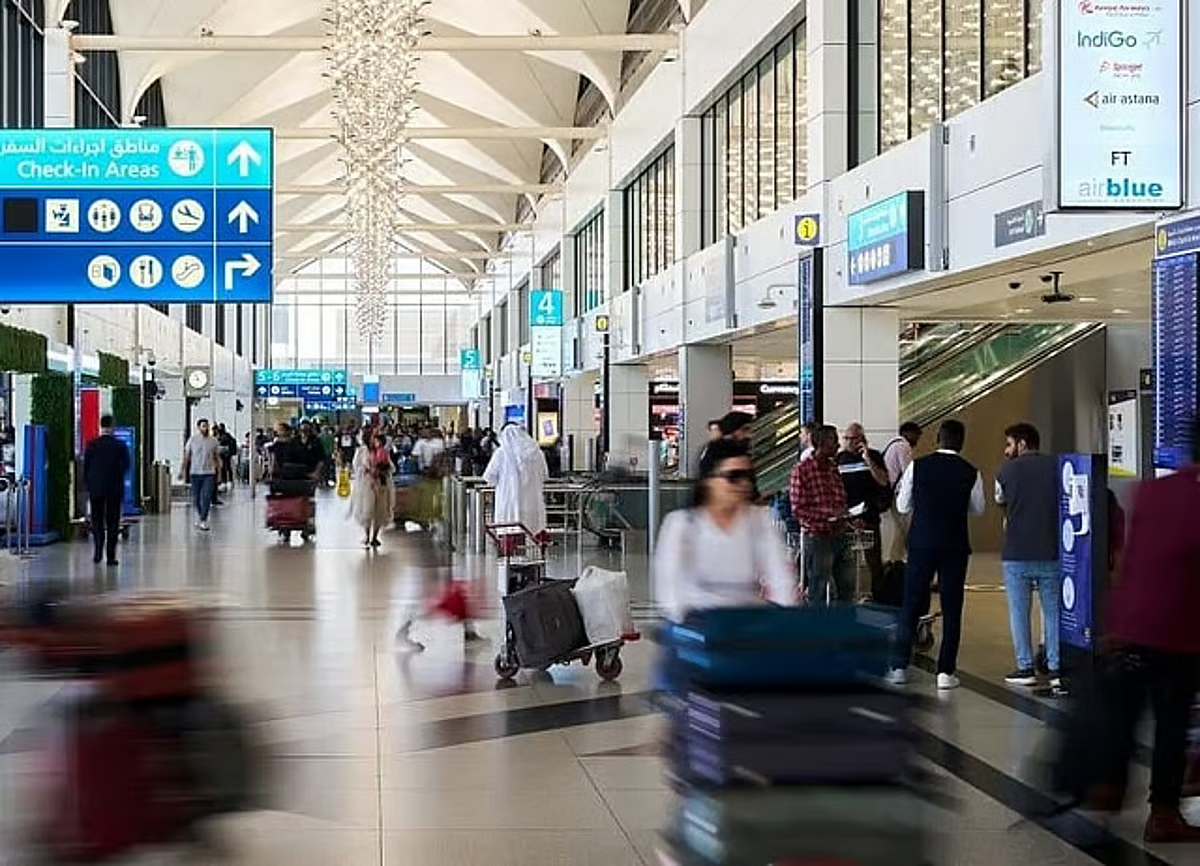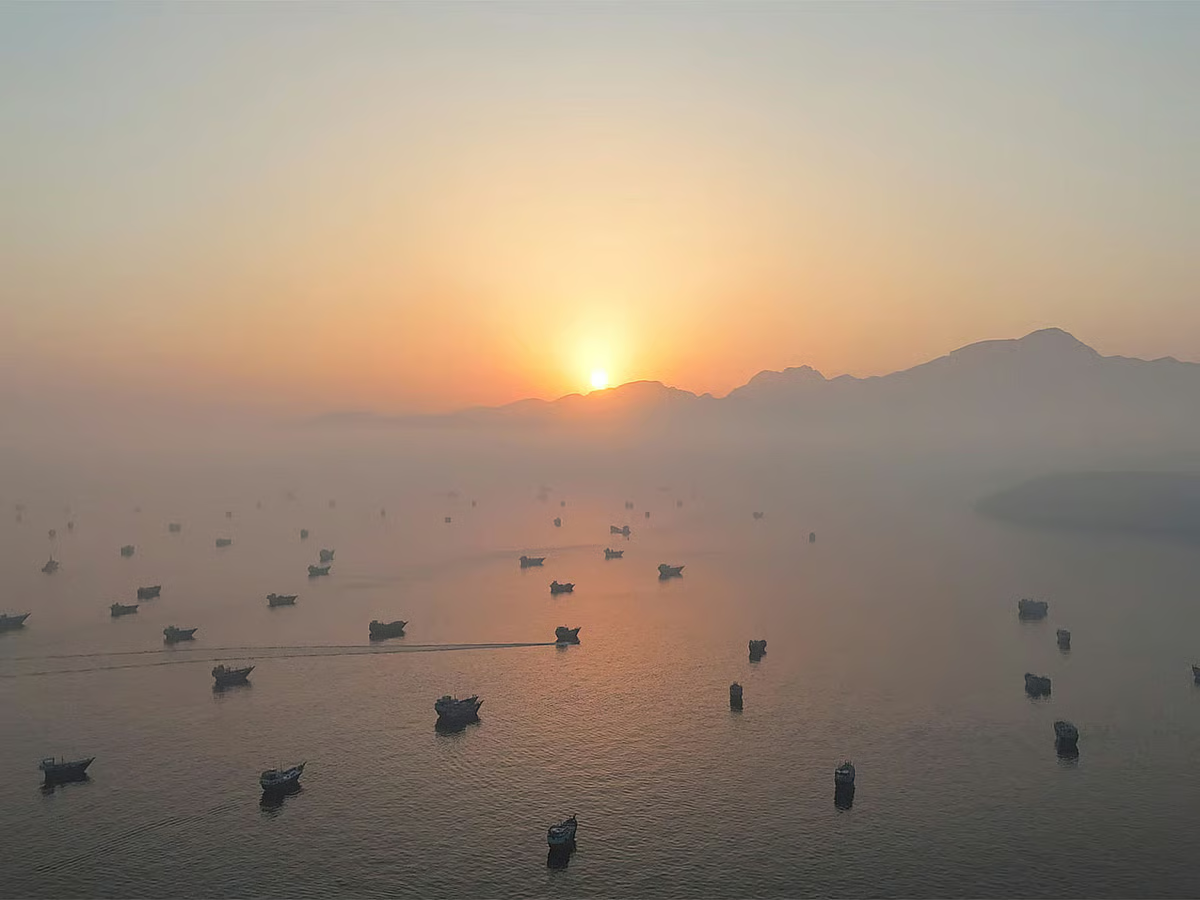
China has rejected the US push for further economic measures, while the US has also sanctioned Hezbollah and designated the Lebanese group as an Iranian proxy. Meanwhile, the USS George Washington has arrived in the Middle East to replace the USS Abraham Lincoln, which is heading home after an extended deployment that raised concerns over crew fatigue and morale.For UAE residents, the latest developments are being closely watched as uncertainty continues over the Strait of Hormuz, while rising oil prices, reduced shipping traffic and flight disruptions could have wider implications for travel, fuel, trade and regional security.Here are the key developments to watch today:US steps up pressure on IranWashington is increasing economic pressure on Tehran as diplomatic efforts remain stalled.US Treasury Secretary Scott Bessent vowed the “toughest sanctions in history” against Iran.He urged countries including China to support the pressure campaign.Iran condemned the proposed sanctions as unlawful and warned against further escalation.US Vice President JD Vance called economic pressure Washington’s “most effective tool”, but said the strategy was a “delicate dance” amid higher energy prices.US aircraft carrier heads homeThe US Navy is rotating its aircraft carriers in the region after an extended deployment.The USS George Washington has arrived in the Middle East to replace the USS Abraham Lincoln.The Lincoln is heading home after more than nine months of deployment.Its prolonged mission raised concerns over crew fatigue, mental health and morale.US Central Command said its forces have redirected 67 commercial vessels, disabled three and boarded two while enforcing a blockade on Iranian ports.Strait of Hormuz remains a key concernShipping through the strategic waterway has fallen as tensions continue.Seven commodity vessels crossed the Strait on Thursday, down from 14 the previous day, according to Reuters citing Kpler.No supertankers or LNG carriers were recorded crossing on Thursday.More vessels are using alternative routes or switching off tracking systems.The US and Iran continue to dispute control of the key waterway, a major route for global oil shipments.Oil prices remain elevatedCrude prices remain under pressure from uncertainty over shipping through the Strait.Brent crude: around $93.82 a barrel on Friday.WTI: around $86.78 a barrel.Brent has gained more than 7 per cent over five sessions.WTI has risen more than 8 per cent over the same period.Prolonged disruption could affect fuel prices, transport and the cost of goods in the region.Lebanon tensions add to regional risksTensions involving Hezbollah and Israel are adding to concerns over a wider escalation.The US has imposed new sanctions on Hezbollah.Washington has formally designated the group as an Iranian proxy.The US cited Hezbollah’s links to Iran’s Revolutionary Guards.Israeli air strikes and artillery fire were reported overnight in southern Lebanon.UAE flights face changesEtihad: Tel Aviv-Abu Dhabi flight cancelled following industrial action at Ben Gurion Airport; other flights affected by delays.Emirates: Two Dubai-Bahrain services cancelled.Air Arabia: Some UAE flights to Kuwait and Bahrain cancelled.flydubai: Services to Kuwait, Bahrain and Saudi Arabia operating as scheduled, although some other flights have been cancelled.What UAE residents should watch todayThe main developments to monitor are Strait of Hormuz shipping, oil prices, airline operations and any further US-Iran escalation.For UAE residents, the most immediate impact is likely to be on travel and energy markets. Travellers should check for last-minute flight changes, while businesses involved in shipping and trade should closely monitor developments around the Strait.
UAE residents’ update: US-Iran tensions rise as Hormuz crisis, oil prices and flights remain in focus
UAE residents face rising US-Iran tensions as Hormuz shipping, oil prices and flight disruptions threaten travel, fuel costs and regional security.
543 words~2 min read