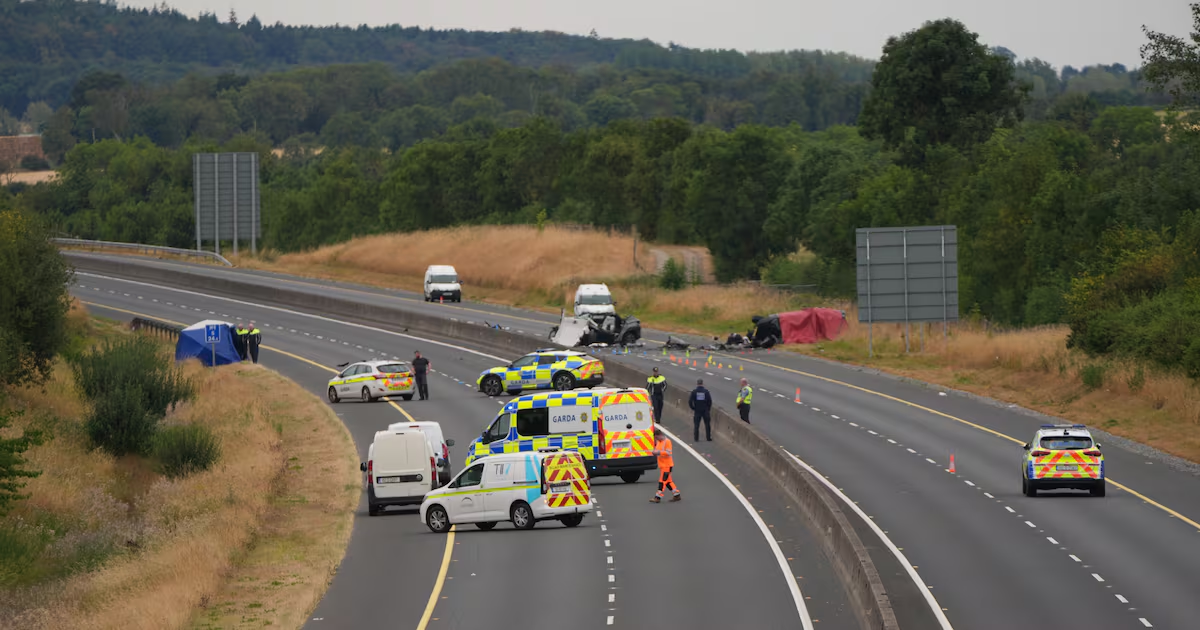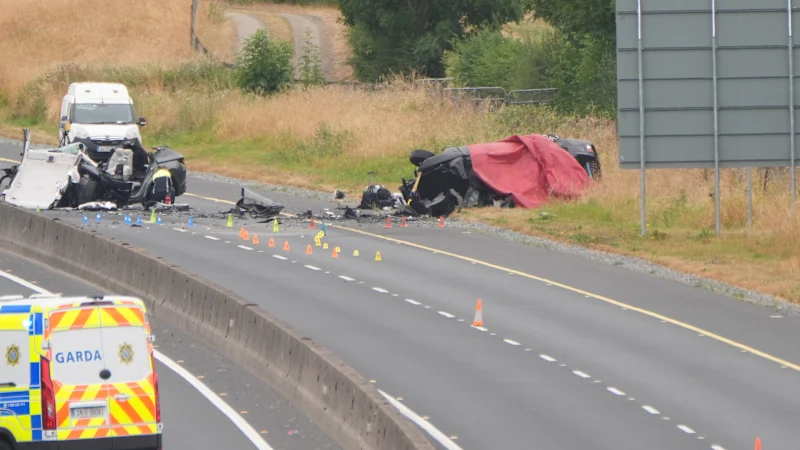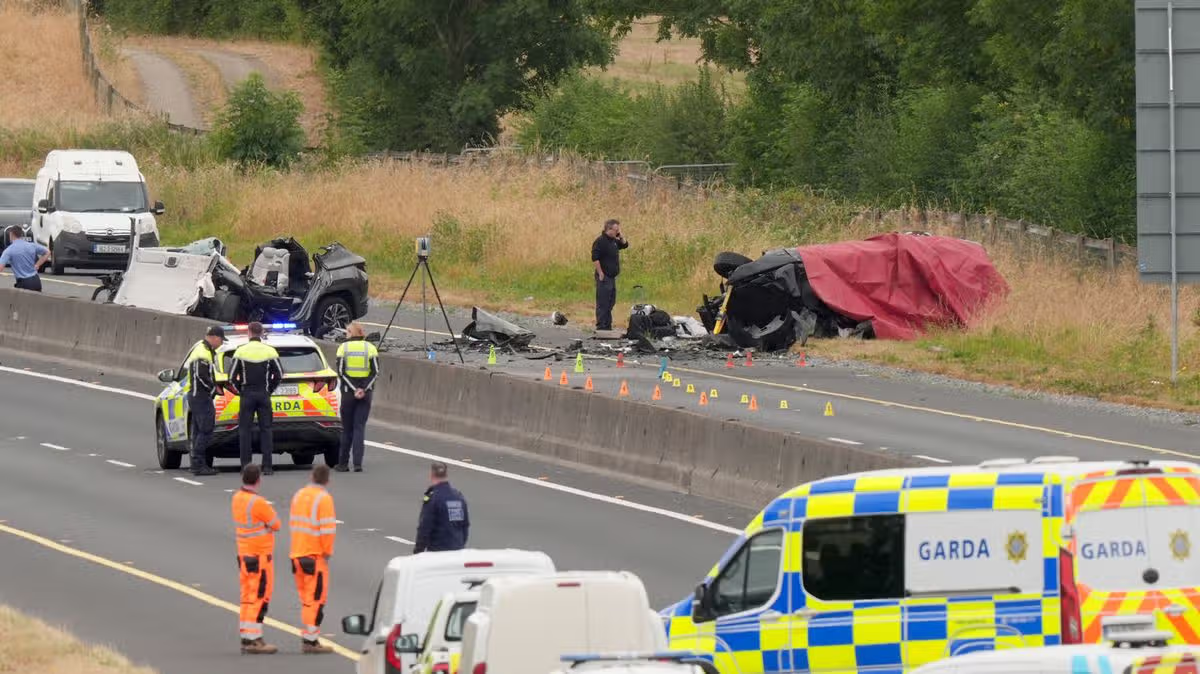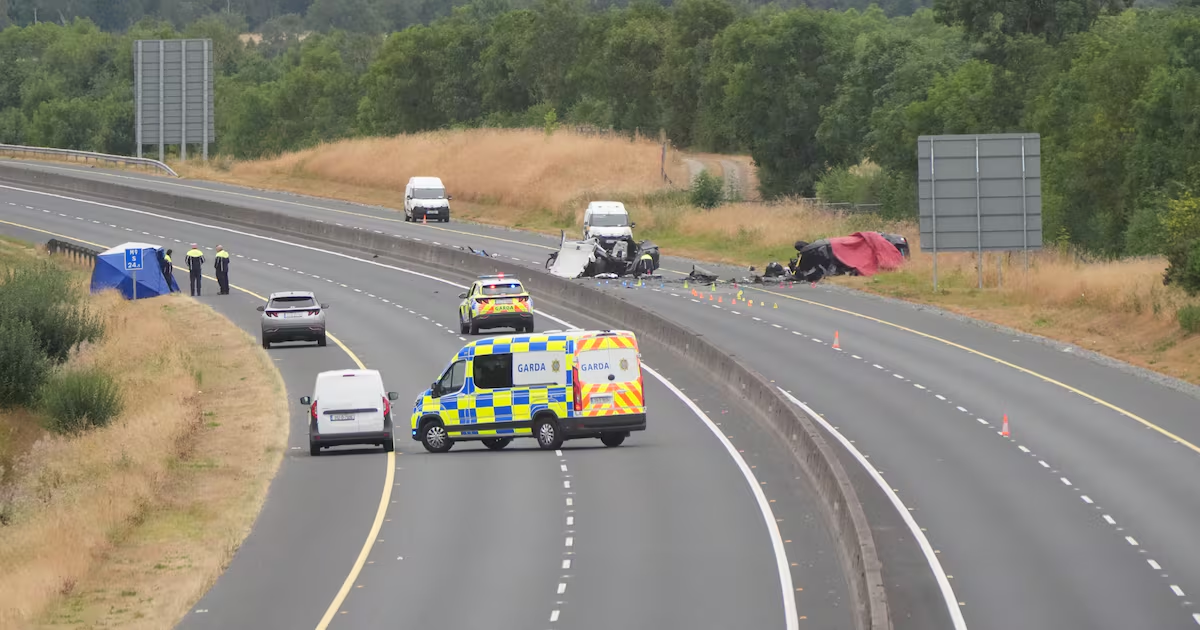
A consensus is building, from gardaí to child psychologists, that the horrific collision on the M9, near Moone, Co Kildare, last Sunday was made possible by the influence of social media. Criminologist Trina O’Connor called the actions of the five teenagers who drove a BMW the wrong way down the motorway, killing themselves and seriously injuring four people in another car, “performative crimes”, committed, in the words of our Taoiseach, “for likes on social media”. The incident is generating policing, criminal justice and children’s welfare policy debates, but is also exposing the limits of Europe’s social media regulations to make companies liable for the harms their products cause. The Irish Times reported on Monday how videos of teenagers joyriding have been posted to TikTok “almost daily” for some time. TikToks of the most dangerous driving get the most engagement, or “likes”, a metric that has two impacts. Why is dangerous driving hard to police on social media? Video: Bryan O'Brien Editor: Eoin Ronayne The first is that videos that get strong reactions are amplified by the algorithms that determine users’ social media feeds. So the more outrageous or dangerous a video is, and the more people engage with it, then the more likely it is to reach a wider audience. Second, as we heard from Professor Niamh Hourigan on RTÉ this week, the quest for social media “likes” are themselves incentivising young people to engage in dangerous criminal behaviour. For boys feeling marginalised from society, , creating and sharing this type of content is a way to be part of an online community built around high risk-taking behaviour, she says. Hourigan also says joyriding is not new, but the way social media is designed means a young person seeking the approval of peers can now get a “hit” from a far wider pool or people applauding what they have done. TikTok’s platform rules ban users from posting videos “glorifying violence or promoting crimes”. Under the Digital Services Act, a European Union regulation passed in 2022, the enforcement of in-house community guidelines that social media companies set for themselves is no longer a matter of discretion. Failure to enforce your own policies is a violation of the Act. [ TikTok joyriders: The more dangerous the driving, the more ‘likes’ they get ]Yet Hugh Dooley of this newspaper found that TikTok has allowed videos of car thefts to be posted even since last weekend. The response of the State to last weekend’s horrific incident has so far focused on this point of failed rule enforcement. Minister for Justice Jim O’Callaghan’s statement on the collision emphasised that social media companies had a “responsibility to enforce their own code of conduct”. Coimisiún na Meán, the regulator responsible for the Digital Services Act, said this week it had contacted TikTok to ask for an explanation about how it was enforcing its guidelines. If the commission decides to investigate TikTok for any possible connection to the fatal collision, it is likely to focus on this point of a company failing to enforce rules that it set for itself. While this is an improvement on where we were before these new rules, the regulator won’t be able to examine if tech companies are responsible for any increases in dangerous behaviour by young people. Until recently, tech companies were shielded from pretty much all legal liability for harmful and illegal things that happened on their platforms. European and United States laws passed in the early 1990s, including one known as “section 230” in the US, treated tech companies as neutral intermediaries. They were in the same category as the owners of telephone wires, so could not be held liable for what happened on their chat rooms or servers. That liability shield has been shifting on both sides of the Atlantic, especially when it comes to social media. But this shift has happened in radically different ways, both demonstrated this week. European policymakers spent 10 years building a new set of regulations that focused on making sure companies have good systems in place to try to stop bad things from happening through their products. These systems include making sure companies have well enforced community standards and risk-mitigation measures. While this has increased the levers available to force companies to act more responsibly, it hasn’t changed any legal liability that companies hold for the actual harms that result from their products or indeed even from the failures of these systems. However, the US has taken a different path. It has failed to pass new tech regulations at federal level for decades. Instead, civil cases suing tech companies for real world harms have tried to chip away at the idea of tech company infallibility. One recent ruling in a lawsuit against Meta in New Mexico may have entirely thrown out the so-called section-230 defence. Overturning decades of precedent, the judge in that case found that the liability shield in section 230 only focused on hosting content from third parties, and not on a platform’s own dangerous product design choices. That case led to the award of $375 million (€320 million) in damages, with the judge also mandating that Meta change how it operates, something lawmakers have failed to do. This case has opened the floodgates for a wave of US civil claims against social media companies. It is being compared to the Big Tobacco settlements of the 1990s that changed that industry. This week, one such case, launched against Meta by attorneys general from several states, is seeking $200 billion in damages and an end to the recommendation algorithms and “like” counts that have formed part of our national conversation this week. Europe spent a decade building a complex regulatory infrastructure around social media while US policymakers sat idle. But recent civil cases may see the US leapfrog Europe and actually punish dangerous design choices by tech companies. These cases could end up affecting Irish platform users long before regulatory inquiries are completed. This will, of course, be of scant comfort to the heartbroken families affected by last weekend’s crash or for those of us who now feel decidedly less safe on our roads.
M9 crash exposes limits of rules on social media giants when it comes to online harms
Deaths of five teenagers linked to popularity of high risk-taking for ‘likes’ and affirmation
1,023 words~5 min read