George Young
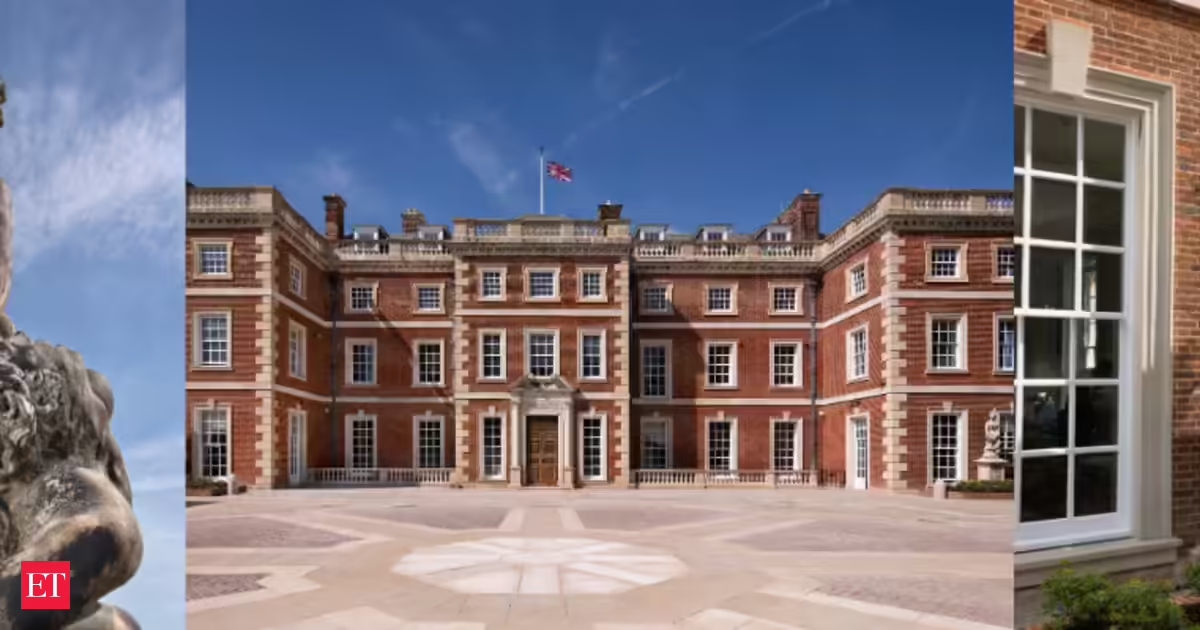
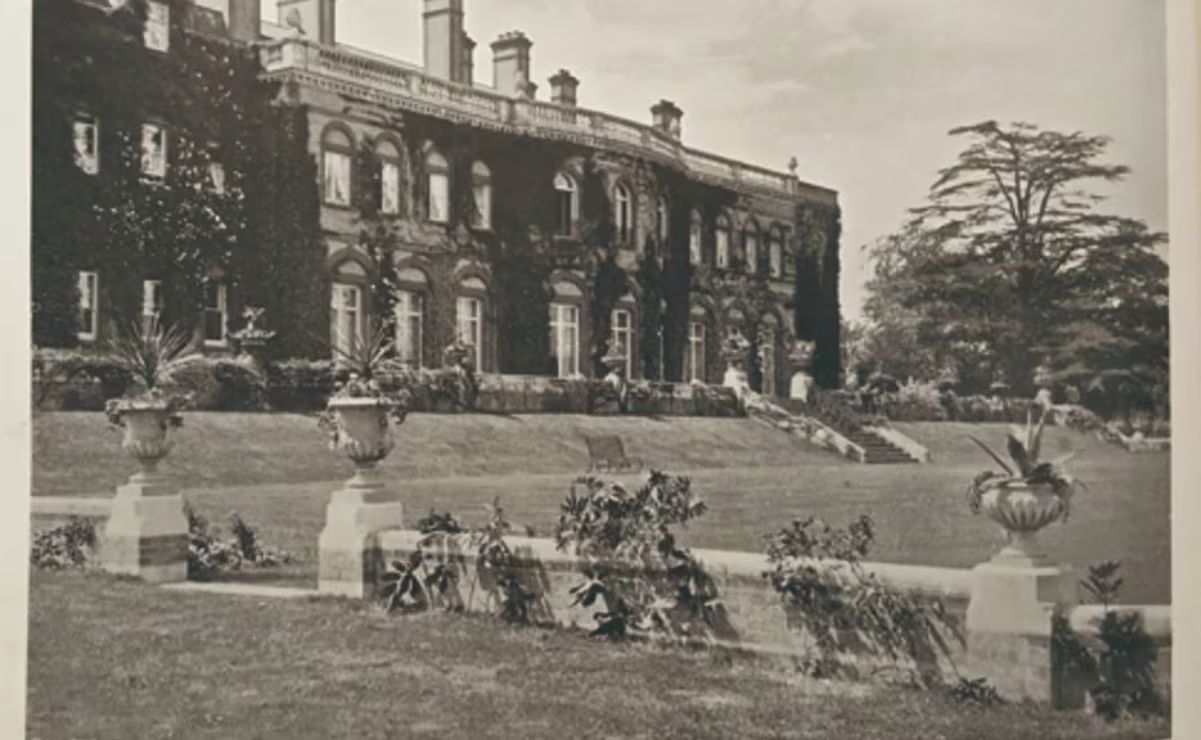
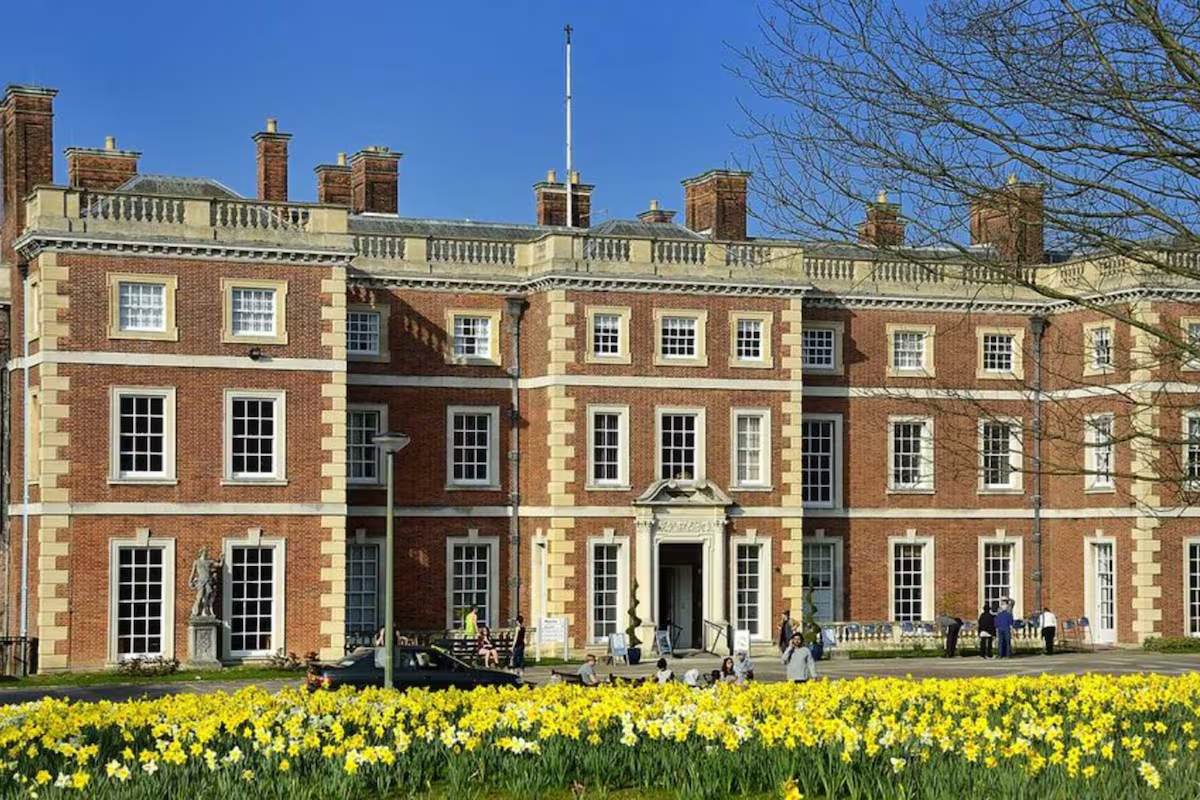
Trent Park, one of the most significant sites of social, political and wartime British history, had all but been forgotten in national memory. Described by Historic England as of ‘international interest which bears comparison to […] Bletchley Park’, the house, set in over 400 acres of medieval hunting grounds formerly owned by the Duchy of Lancaster, was one of London’s most neglected mansion houses – until now.
After the Crown deemed the park surplus to requirement in the 18th century, it was given to court physician, Richard Jebb, who contracted King George III’s architect, Sir William Chambers, and leading landscaper of the day, Humphry Repton, to create Trent Place. The estate was then sold to the earls of Cholmondeley and a succession of wealthy merchants, before being bought by the Bevans in 1833 whose bank, the second largest in London, was the forerunner to Barclays.
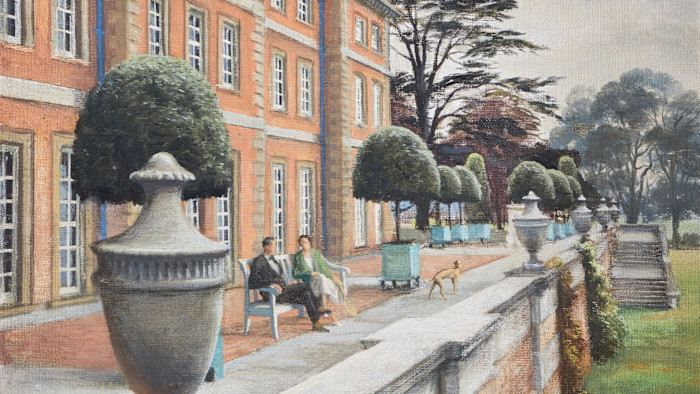
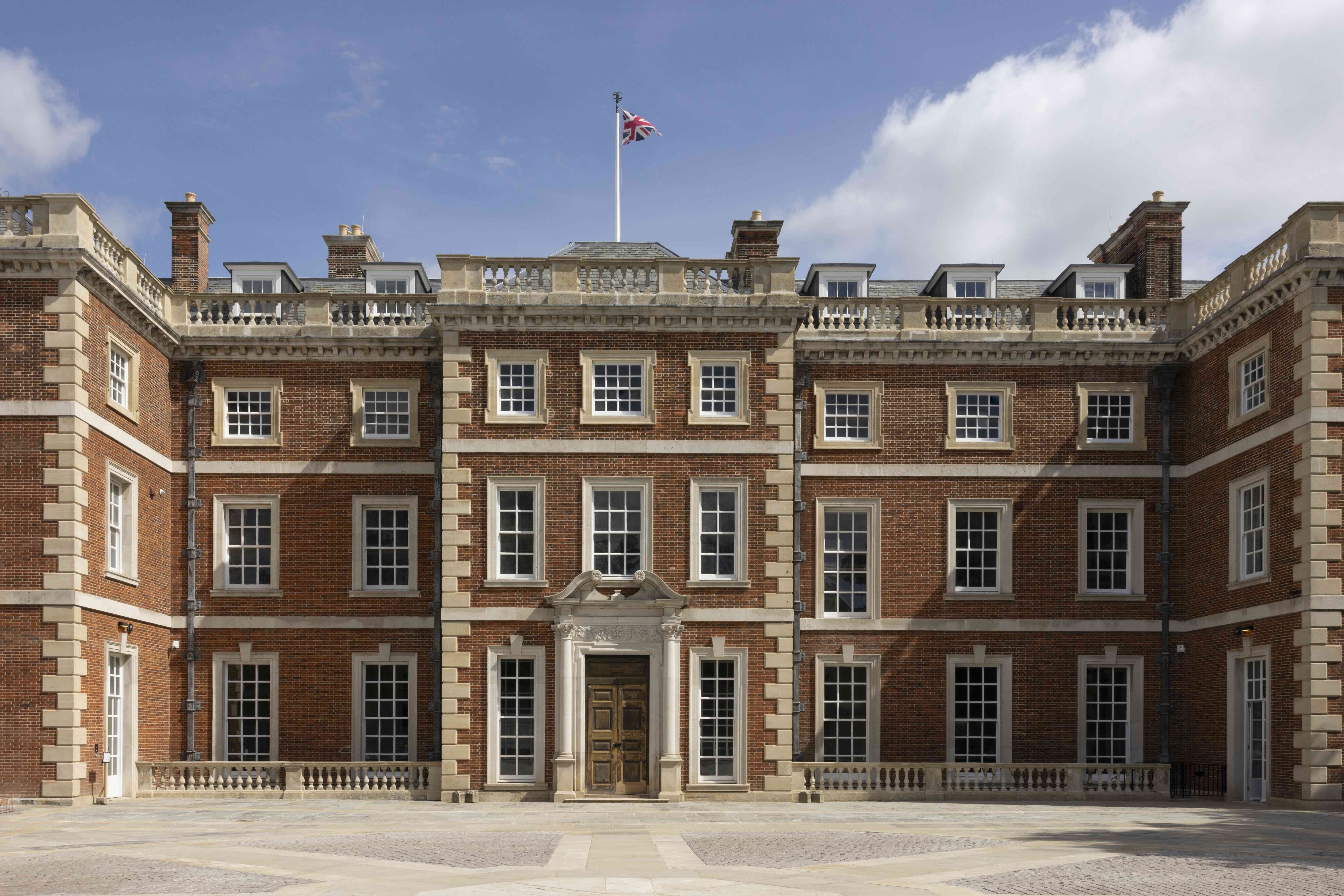
But in the interwar years, the house took on an entirely different life. Sir Philip Sassoon, heir to two banking fortunes, inherited it from his father in 1912, undertaking a reconfiguration to its Georgian proportions and almost outrageous ostentation: a menagerie of king penguins, black swans and flamingos in the lake, possibly England’s first heated swimming pool, murals by Rex Whistler and a patriotic Union Jack forecourt over which Sassoon would lead the RAF’s so-called ‘Millionaire’s Squadron’. The visitor book, also now on view, recounts the luminaries of early 20th-century Britain: Princesses Elizabeth and Margaret, Charlie Chaplin, T.E. Lawrence, Fred Astaire, Stanley Baldwin, Edward VIII and Wallis Simpson. One account recalls Churchill arguing with George Bernard Shaw over the teacups.