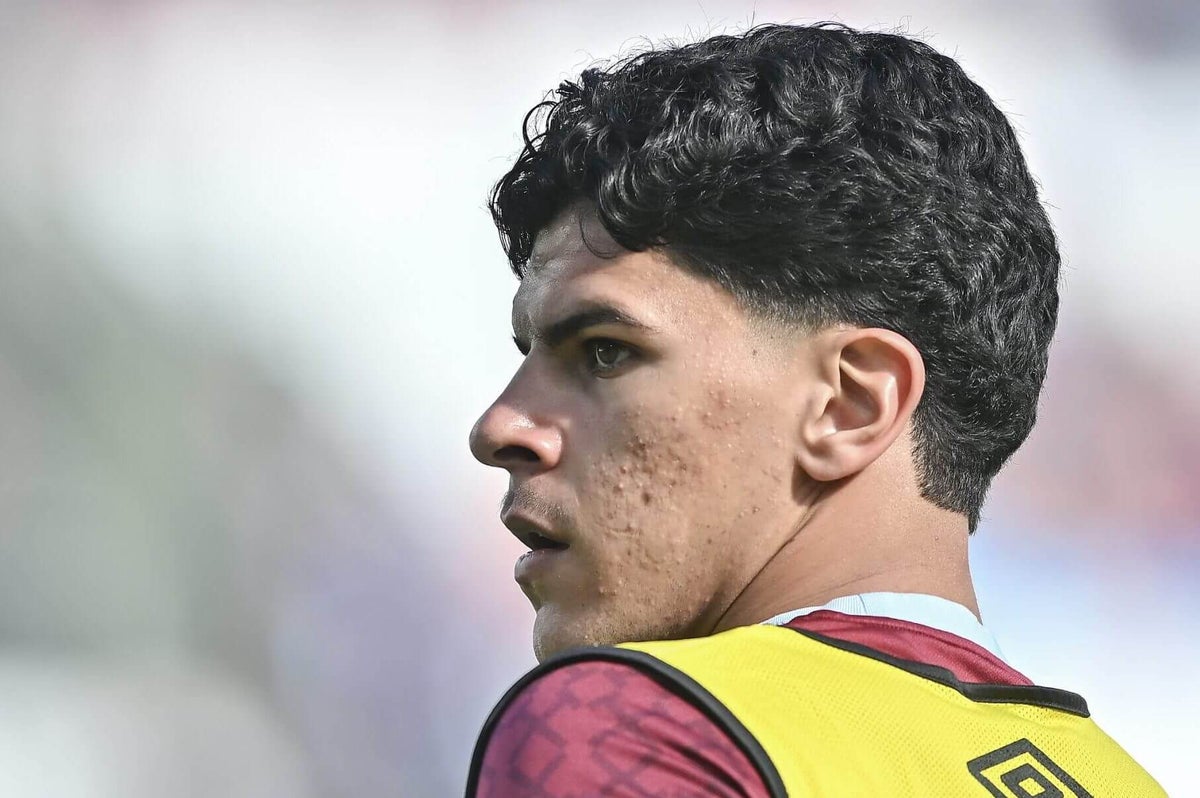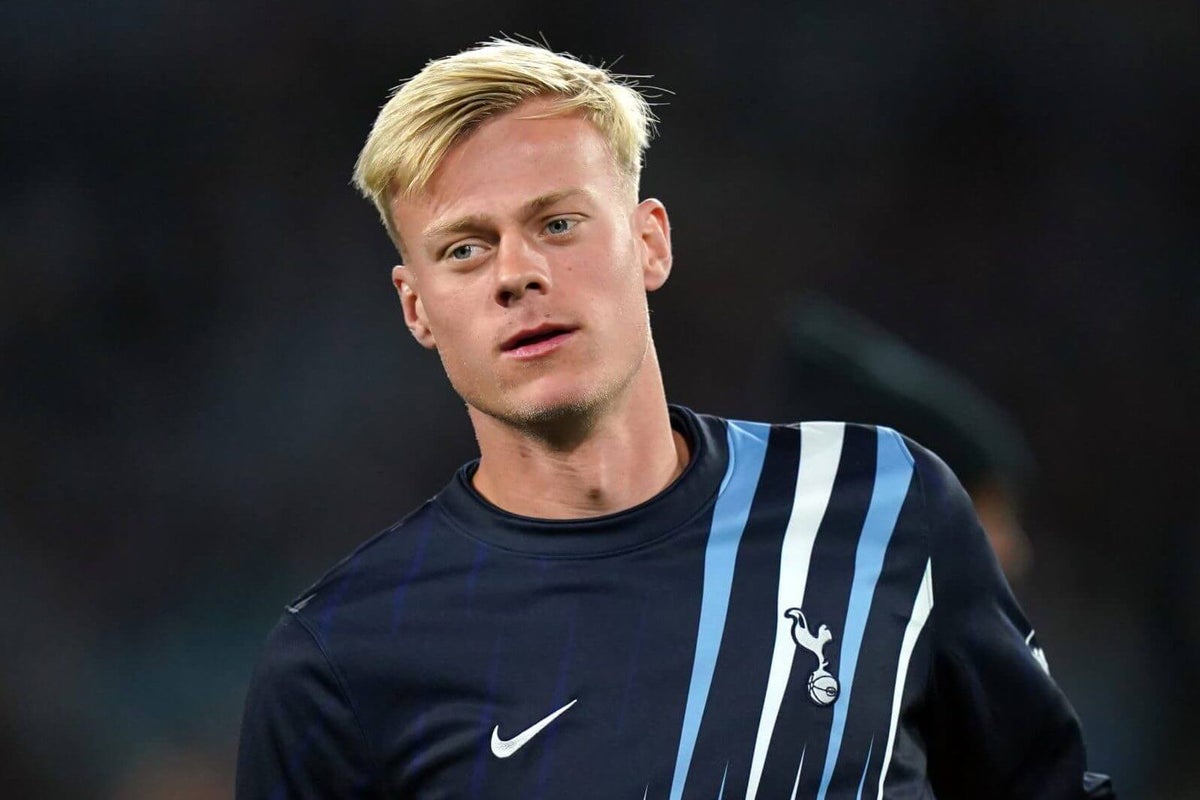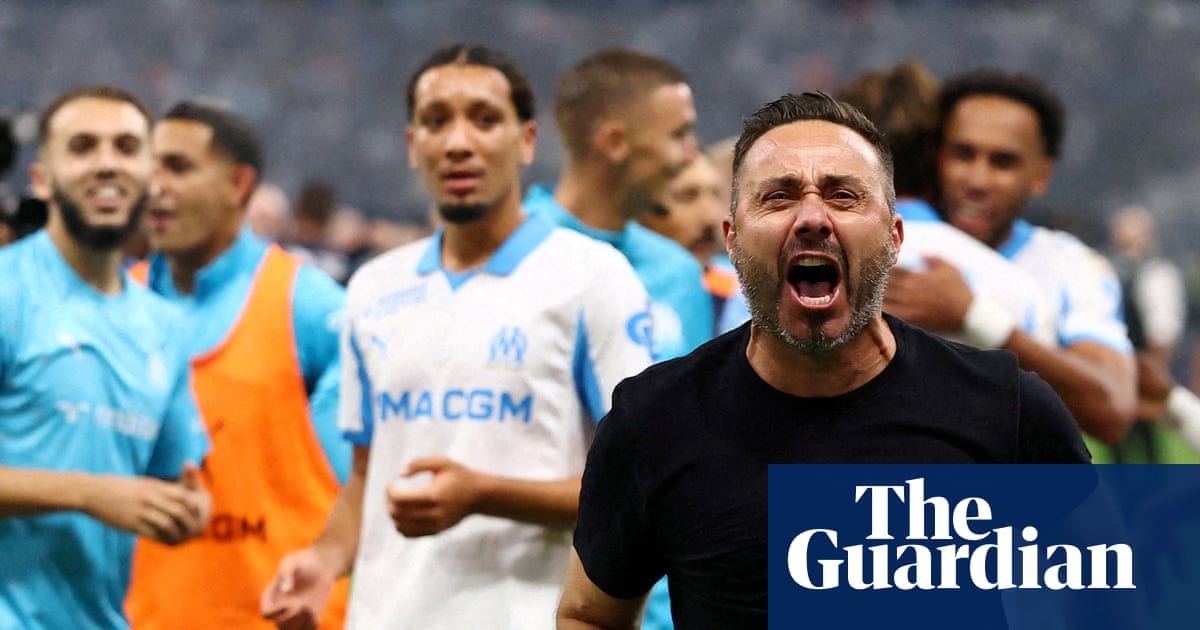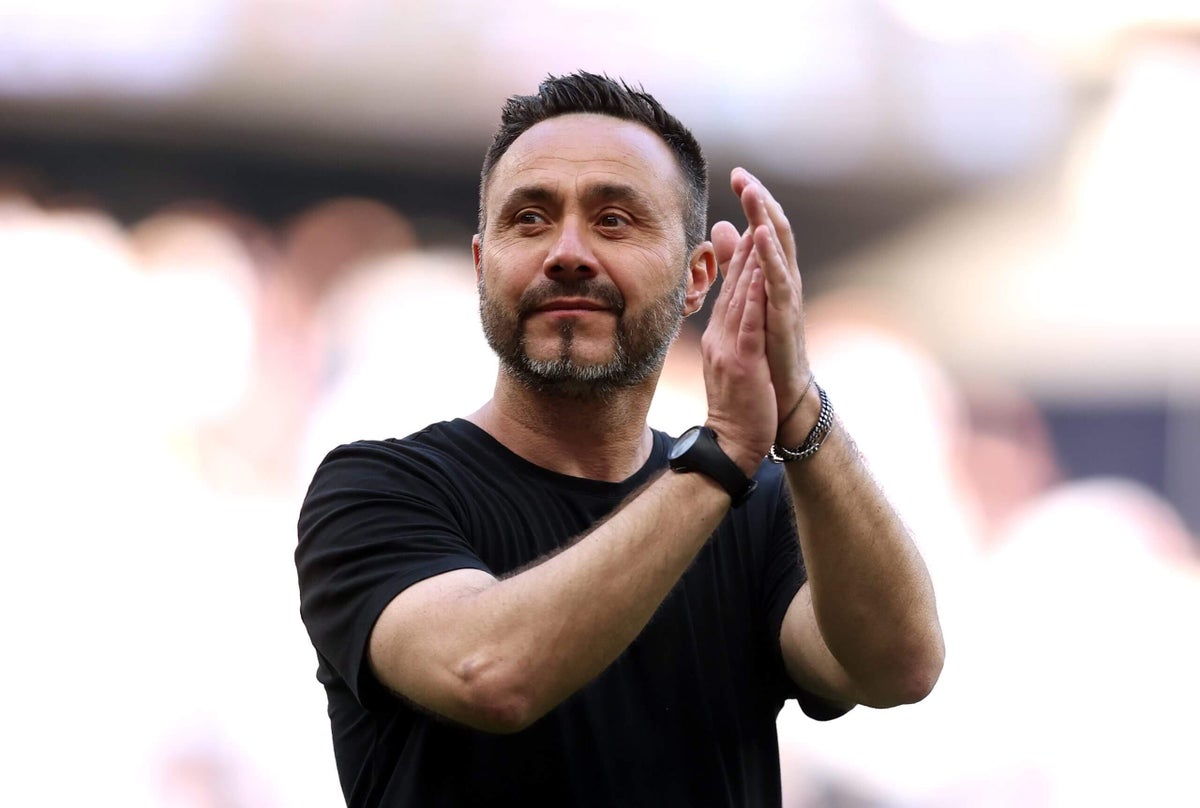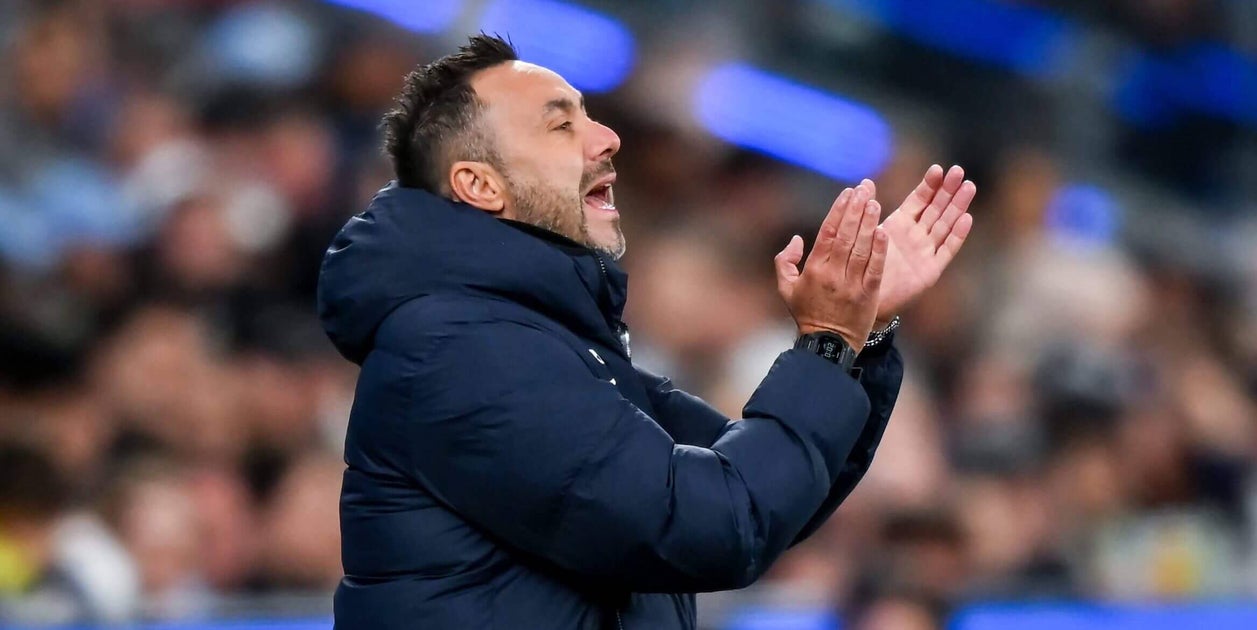
Marlon Santos has worked with some of the greatest coaches in world football.He started his career at Fluminense, where he developed under Abel Braga, who coached seven of Brazil’s ‘Big 12’ clubs over a 40-year management career across Europe and South America. He left Rio de Janeiro for Barcelona, joining Luis Enrique, who is considered one of the best — if not the best — coaches in the world after winning back-to-back Champions Leagues with Paris Saint-Germain.But for Marlon, who Roberto De Zerbi signed at Sassuolo before being taken with him to Shakhtar Donetsk in Ukraine, the Tottenham Hotspur head coach is one of a kind.“I have been with Luis Enrique, Arda Turan, Lucien Favre; they’re great, top coaches,” Marlon, a centre-back who returned to Shakhtar in 2025 after spells in Italy, Brazil and MLS in recent seasons, tells The Athletic. “But De Zerbi, he gives more time. He was always working on details with me. He changed my identity as a footballer.”There’s not much to say about De Zerbi that hasn’t already been said — much of which by some of his most celebrated peers. Pep Guardiola famously described him as “one of the most influential managers in the last 20 years”, and he has received compliments from many others at the top of the coaching game, including Jurgen Klopp and newly-appointed Chelsea boss Xabi Alonso.While De Zerbi says the plaudits “embarrass” him, he clearly brings something unique to the table.De Zerbi quickly forged a bond with his players at Tottenham (Richard Heathcote/Getty Images)Take it from Adam Lallana, who De Zerbi instantly wowed at Brighton and Hove Albion.“He’s just made football (make) so much more sense to me since he’s been here,” the former England international midfielder, turned coach of Southampton’s Under-21s, told The Athletic in 2023. “I knew what I enjoyed about football and the feeling I got when I was doing it or was involved in a team doing it, but he’s given me reasons for that.“He’s just made it all make sense, and that’s the tactical input that he’s taught me.“He’s given substance to it: ‘This is why you are doing this, so that you can have this’.”Before De Zerbi begins working with his players tactically, he aims to connect with them as people. The tactical instructions were brief and simple for Tottenham last season, as they narrowly avoided the drop, with De Zerbi focusing on building a positive mindset and unity within a group whose confidence was shot by ruinous spells under Thomas Frank and Igor Tudor.After picking his players up off the floor (literally, in some cases) following the 1-0 defeat to Sunderland in his first game in charge, De Zerbi organised a meal at Bacchanalia, a Greek and Mediterranean restaurant in the high-end area of Mayfair in London. He encouraged the squad to mingle and forget their troubles for a night with the aid of alcohol, which he described as “good medicine,” providing a springboard for their improved performances and eventual Premier League salvation.Finding common ground and projecting a positive vibe is at the heart of his coaching success, and many players view him as exceptional in that regard.“On a personal level, Roberto is a very, very good guy,” says Marlon. “When you come to one of his teams, he makes you immediately feel like you are part of a family. He had different staff during my time working with him, but they worked together really well and developed the same connection, symphony, and frequency with each other and with the team. They made it easy for the players. Robbie has a feeling for team atmosphere.“I always think about how much he cared. He was careful with my family, with everyone’s family. He loves people. He’s human, you know? He leaves such a good impression.”Marlon followed De Zerbi from Sassuolo to Shakhtar in 2021 (Sergei Supinsky/Getty Images)Yet De Zerbi’s ability to build an “easy” association with his players does not make him any less demanding. Like Marlon, Jan Paul van Hecke is a centre-back whom De Zerbi has taken from one club to another. As he does with many of his favoured students, De Zerbi refers to Van Hecke as his “son”, but their relationship was not always plain sailing. According to the Netherlands international, they clashed in their early days working together because “he had such a way of playing, and I needed to get used to it”.
‘He changed my identity as a footballer’: This is what it’s like to play for Roberto De Zerbi
Players who have played for Tottenham Hotspur's Italian head coach explain how he works, and why his methods are so often successful
1,857 words~8 min read