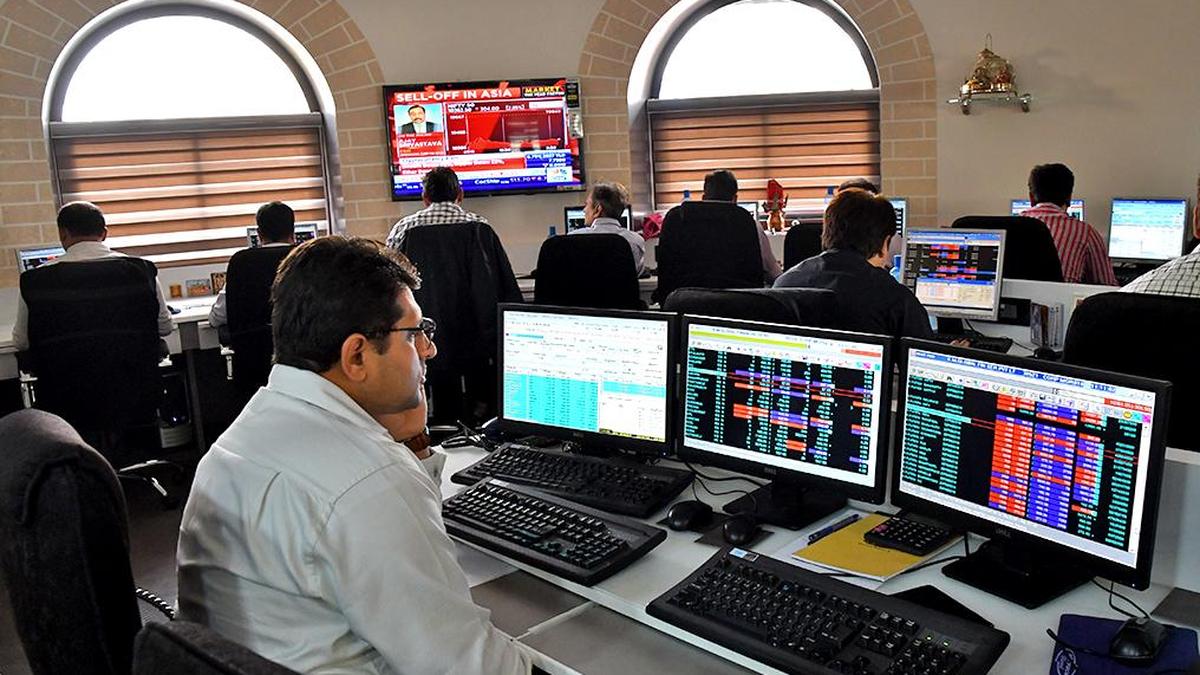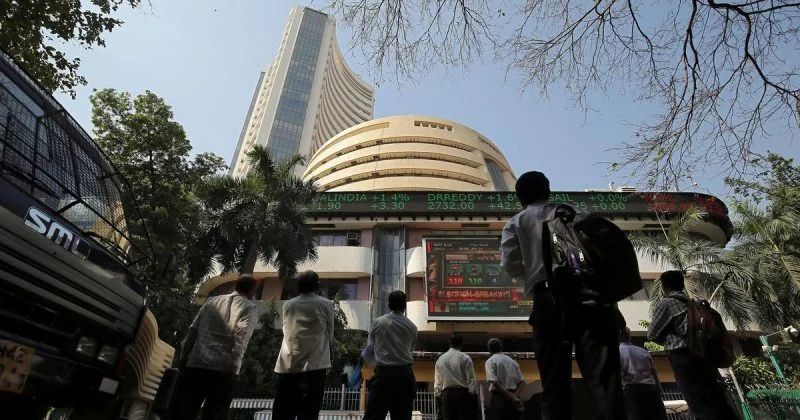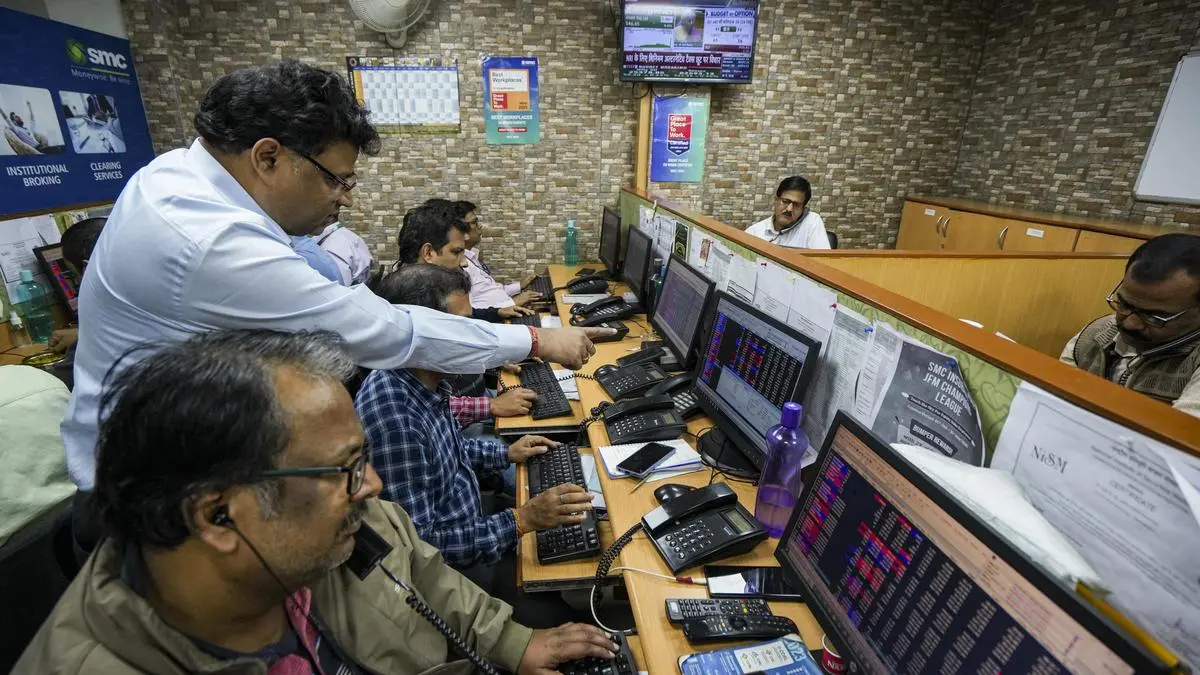
File picture: Traders react after fluctuations in the stock market in Kolkata
| Photo Credit:
Swapan Mahapatra
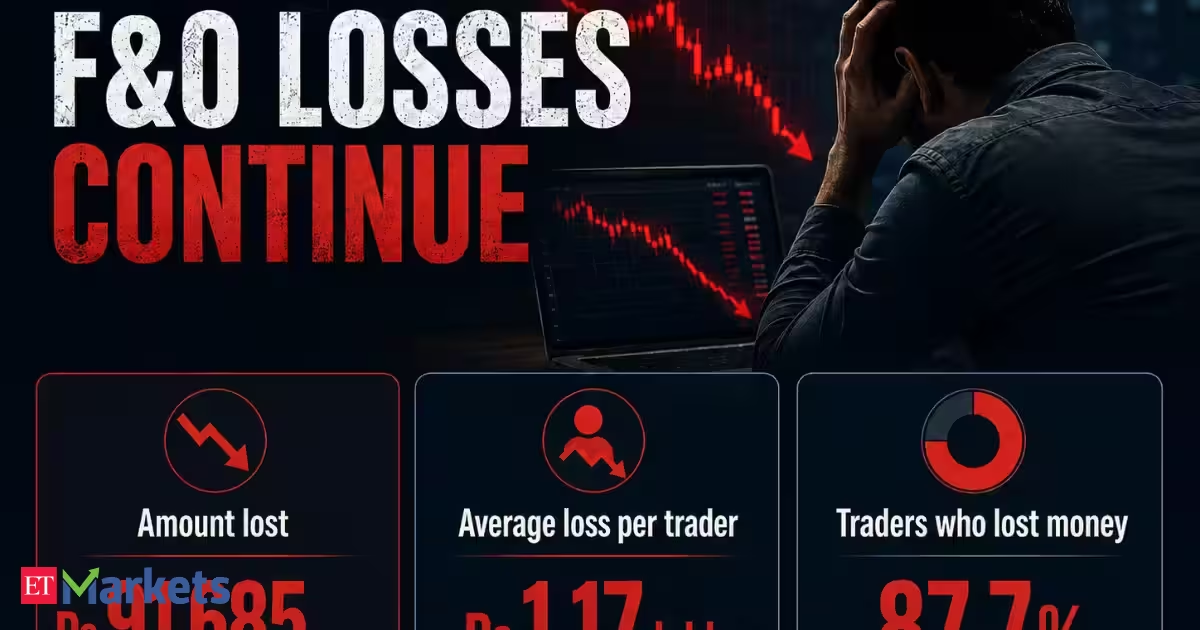
Proprietary trading firms, including those owned by global companies, saw their gross profit from equity derivatives decline to ₹445 billion ($4.65 billion) in the year ended in March, as speculative fervor cooled following curbs imposed by the market regulator.The cohort’s gross profit fell nearly 3% from 460 billion rupees in the previous financial year, according to the latest study published by the Securities and Exchange Board of India on Thursday. Most major categories of traders saw their profits decline during the year, while individual investors posted smaller losses.Losses for individual investors before accounting for trading costs declined to 722 billion rupees from 979 billion rupees a year earlier, the study showed. Their net losses stood at 917 billion rupees, while the number of individual traders fell below 8 million from 9.8 million. Foreign portfolio investors made a gross profit of 139 billion rupees during the year, down from 310.9 billion rupees a year earlier.The figures show the impact of regulatory curbs introduced by SEBI in late 2024 to rein in speculative trading that had helped turn India into the world’s biggest derivatives market by volume. They also underscore the persistent divide between sophisticated investors and individuals, even as losses narrowed for retail traders. SEBI has previously found that nine out of 10 individual traders lose money in futures and options.Retail traders have now lost money for a fifth straight year despite efforts to limit speculative activity. SEBI has increased contract sizes, tightened position limits and introduced other safeguards, while the central bank has imposed tighter funding rules for proprietary traders and stock brokers.The measures have cooled the market. The number of individual traders fell by about 2 million in fiscal 2026, according to SEBI data, while the average daily notional turnover in futures and options on the National Stock Exchange of India Ltd. declined to a 17-month low in July.The aggregate losses of individual traders were broadly matched by the profits of corporate and institutional participants, the regulator said in the study. Still, individuals accounted for nearly 31% of equity derivatives trading, up from 26% a year earlier, according to NSE data.A handful of highly active proprietary trading firms supported liquidity in India’s derivatives segment, the SEBI said, adding that such firms contributed to tighter bid-ask spreads, continuous availability of price quotes and efficient price discovery, particularly in options.More stories like this are available on bloomberg.com©2026 Bloomberg L.P.Published on August 21, 2026