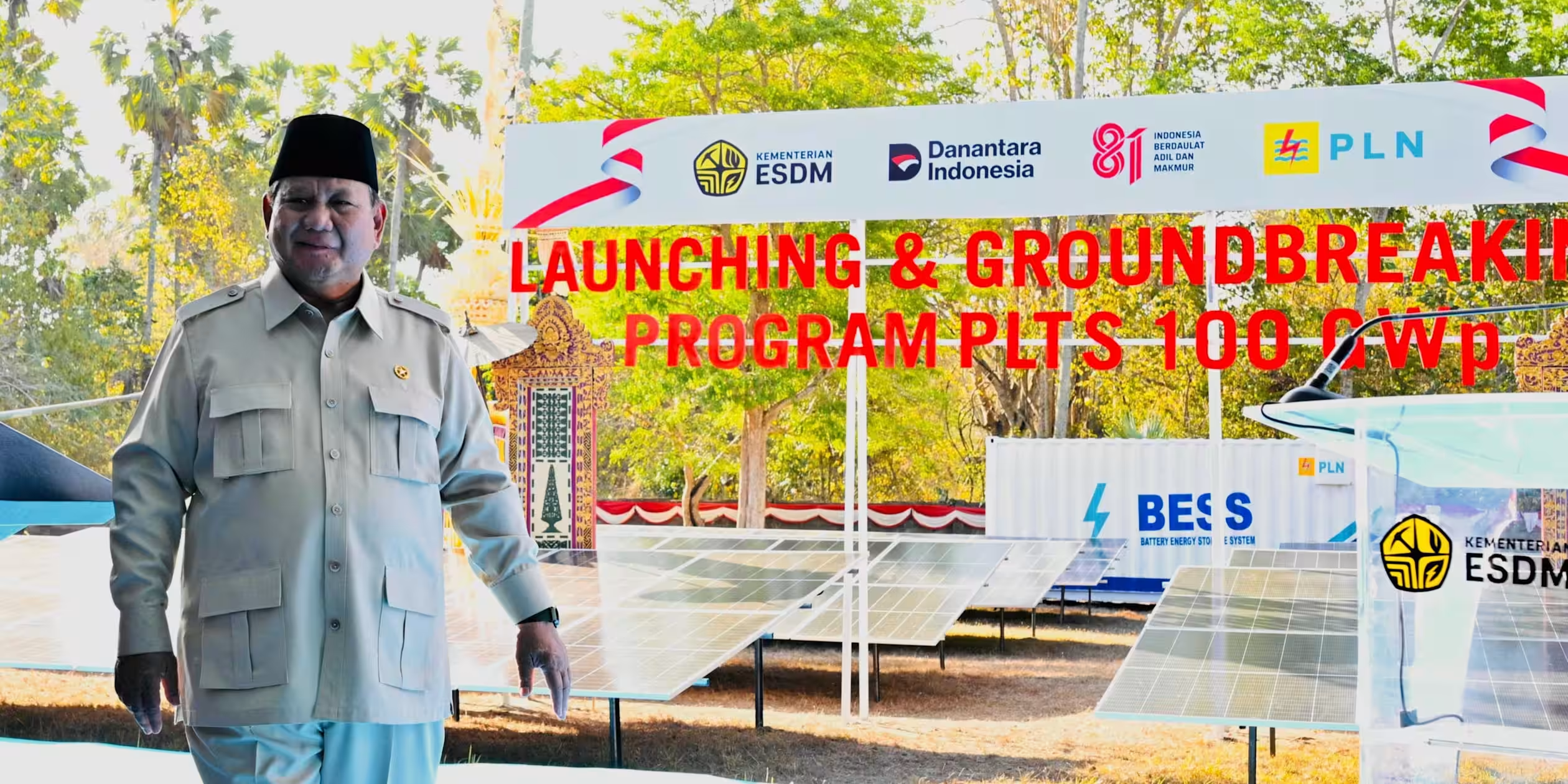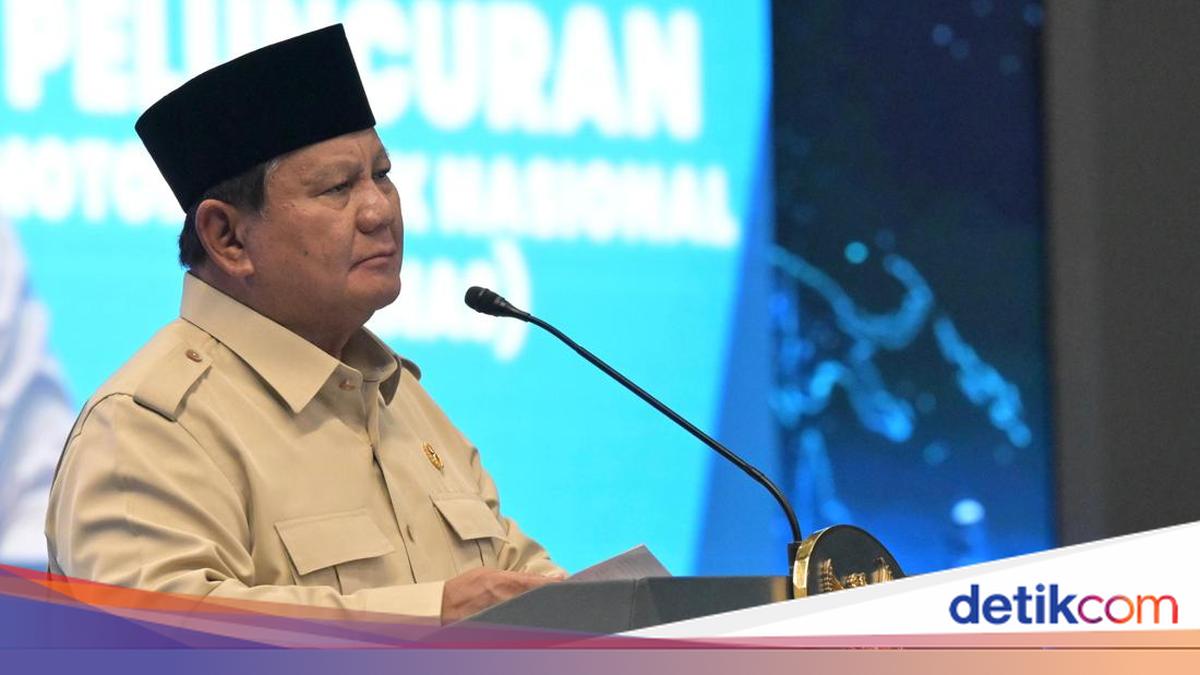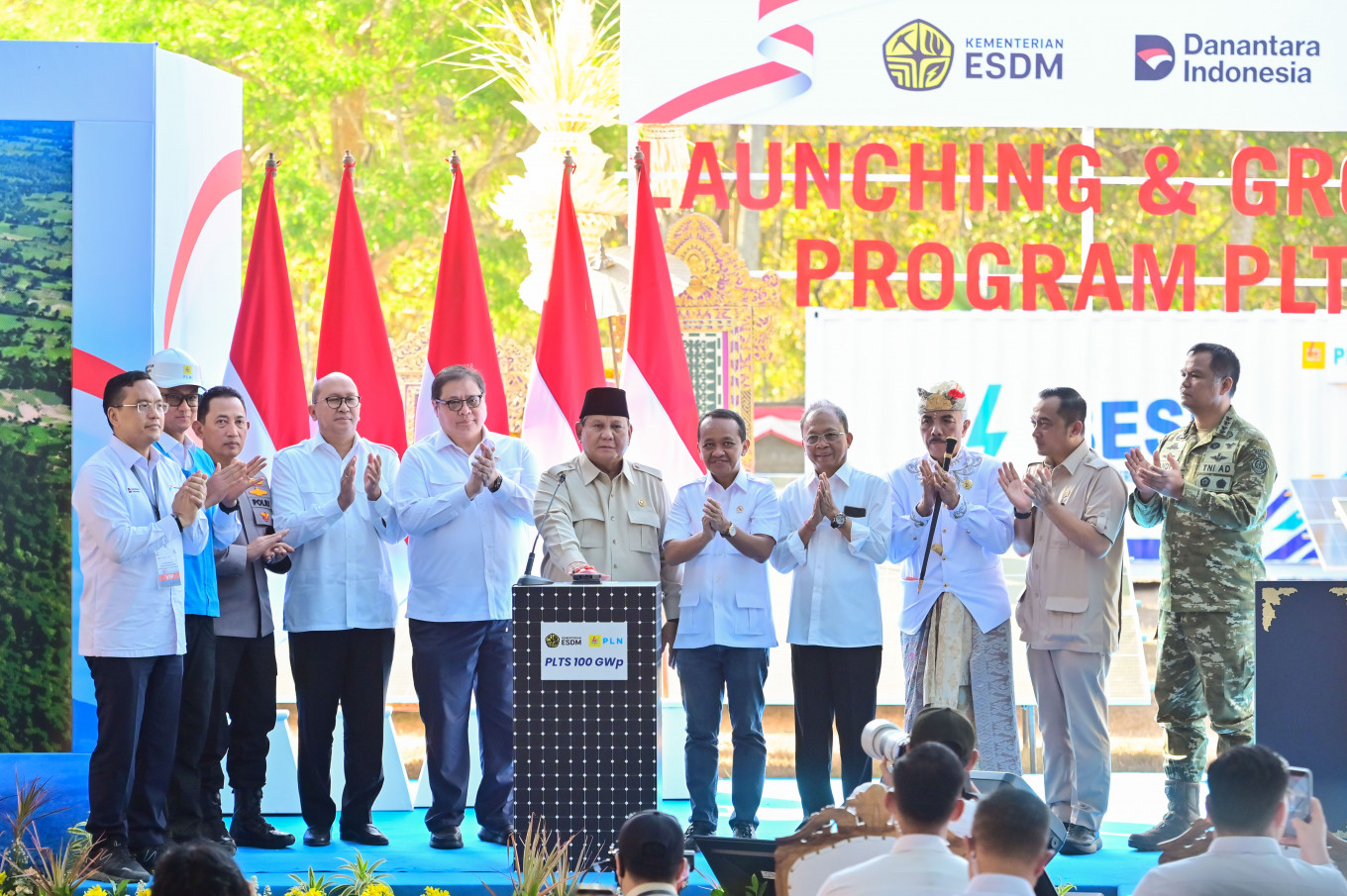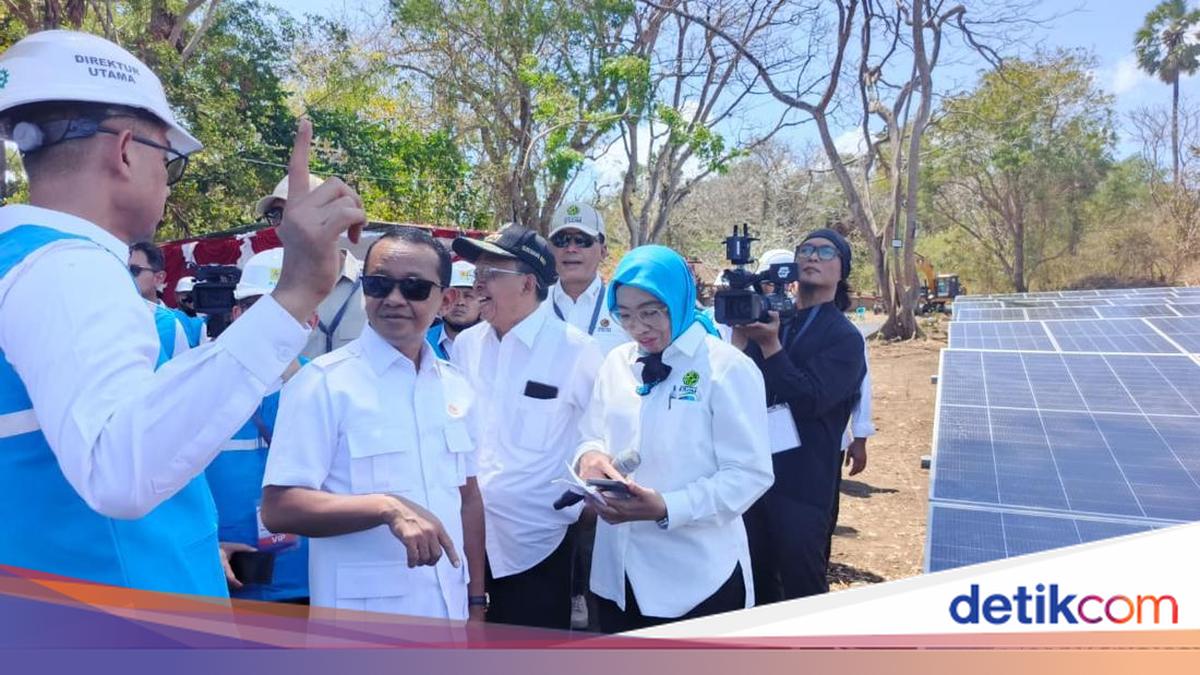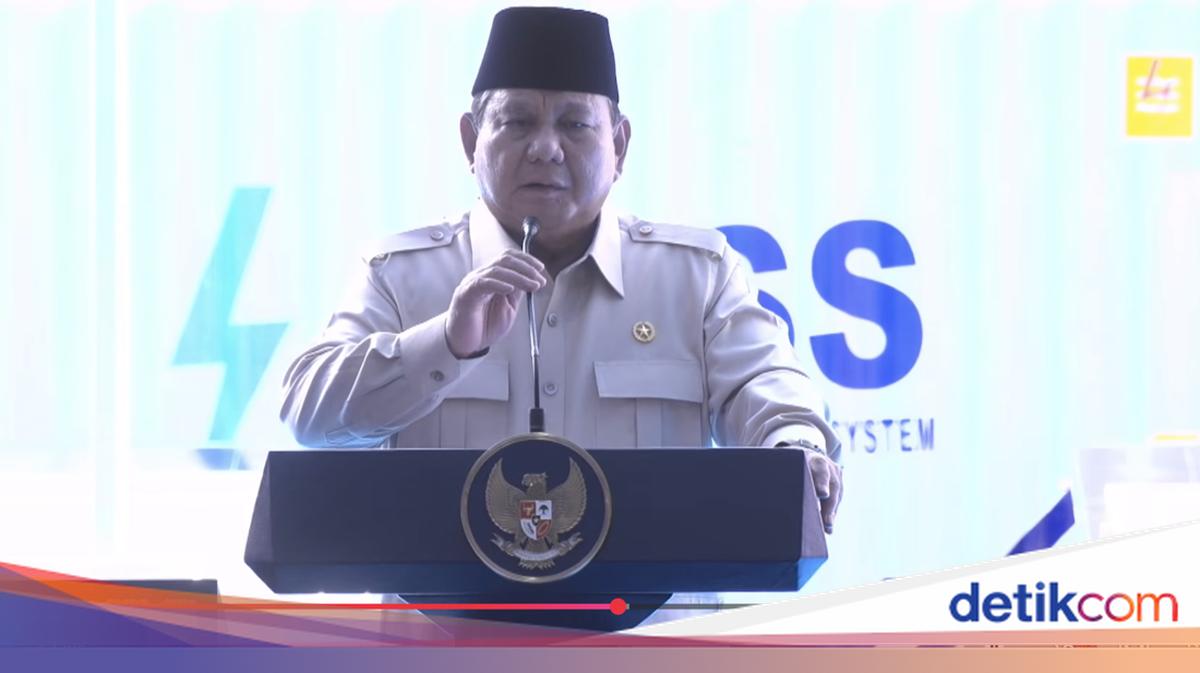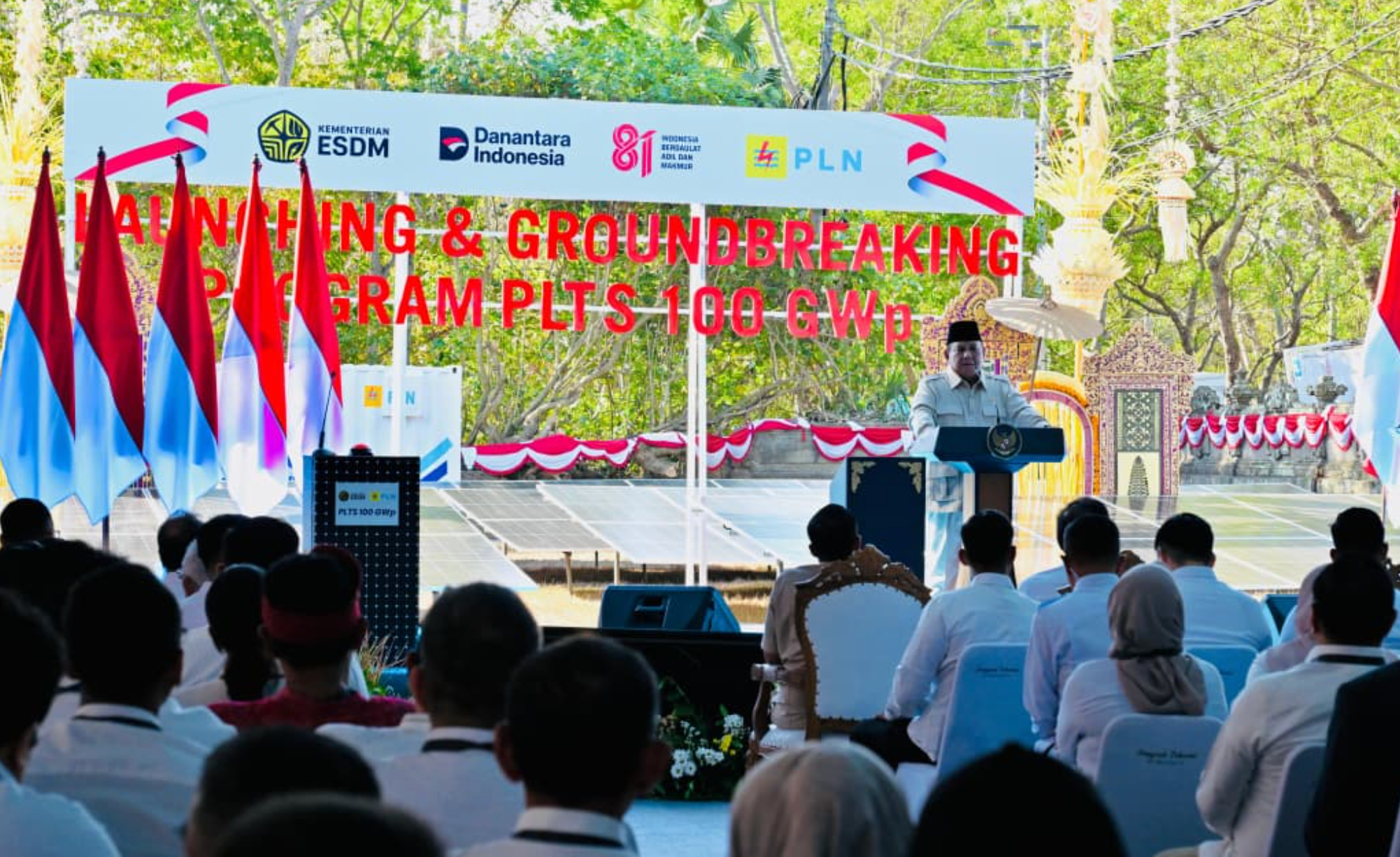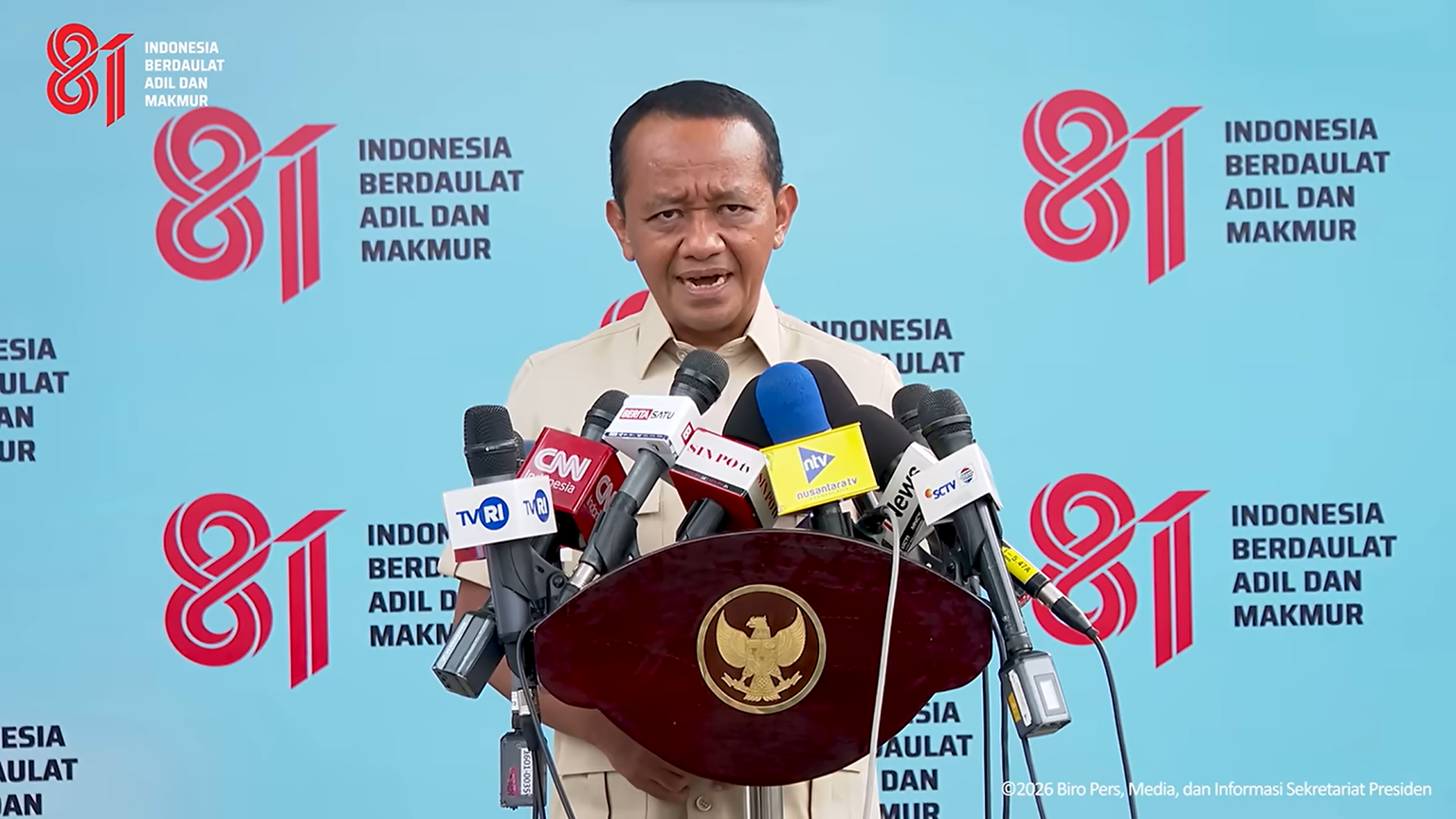
On 11 March 2026, at the first anniversary of Danantara Indonesia, President Prabowo Subianto made the striking promise that Indonesia would build 100 gigawatts of solar power ‘as quickly as possible’. Yet achieving this goal within the next five years will be very difficult.
Indonesia has been making energy transition promises since 2009, yet little ground has been gained. The country set a target of renewables being 17–19 per cent of the energy mix by 2025 but fell short, only reaching 15.8 per cent. Solar energy contributes less than 1 per cent of total energy consumption, while coal continues to dominate.
Compared with its neighbours, Indonesia’s progress has been considerably slower. Vietnam grew its solar and wind capacity from near zero to more than 21 gigawatts between 2018 and 2023. China now generates around 40 per cent of its electricity from clean energy, with over 60 per cent of installed capacity already from clean energy. While Indonesia’s 15.8 per cent figure is for the share of primary energy, it can still be seen that Indonesia’s renewable share has barely moved for two decades.
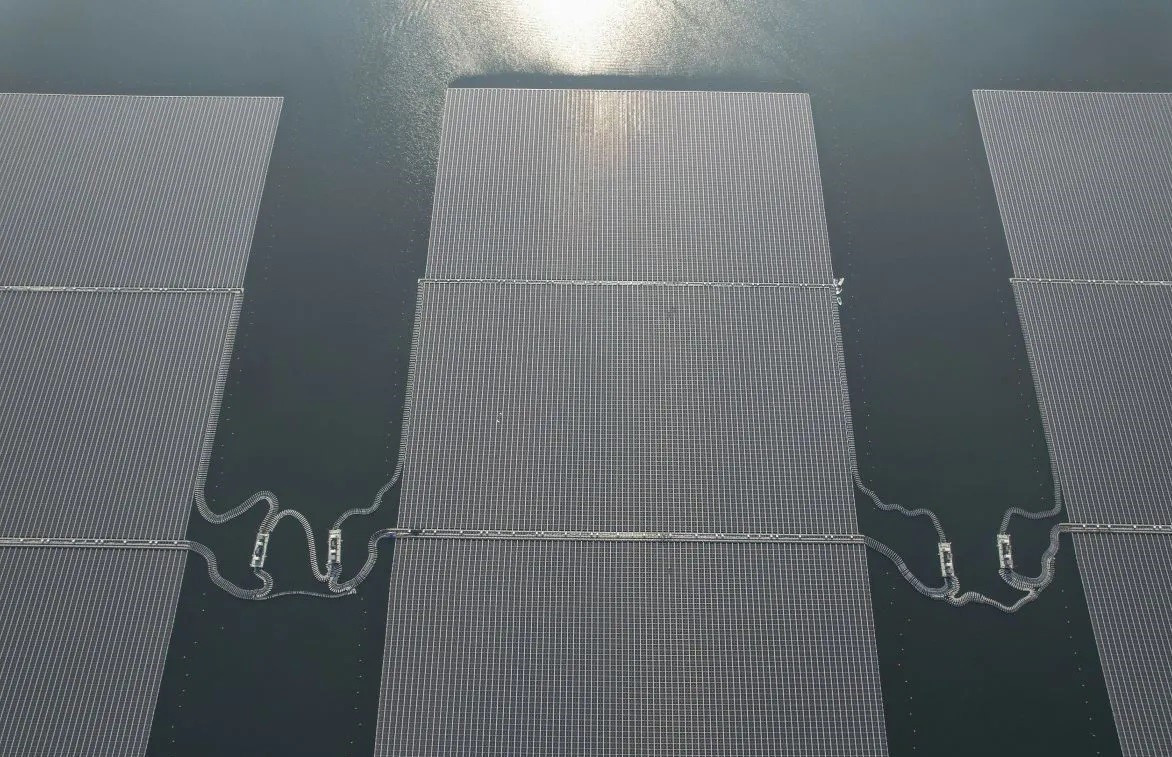
Research by the 100% Renewable Energy Group at The Australian National University shows that because of its equatorial location, Indonesia has 180,000 terawatt-hours per year of potential offshore floating solar alone — more than 400 times the country’s 2025 electricity consumption.