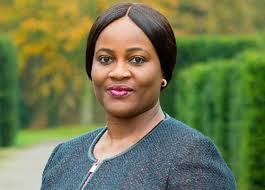
Financing fossil fuel transition requires thinking out of the box as charted by Chinelo Anohu, writes Oluchi Chibuzor
The London Climate Action Week 2026 had since come and gone several weeks now, but its significance continues to reecho. With over 100,000 participants drawn form over 100 nations and 25 governments across six continents, plus 1,300 events and 30 flagship events, it is no longer news that it lived up to its billing as a platform for the UN Global Climate Action Agenda.
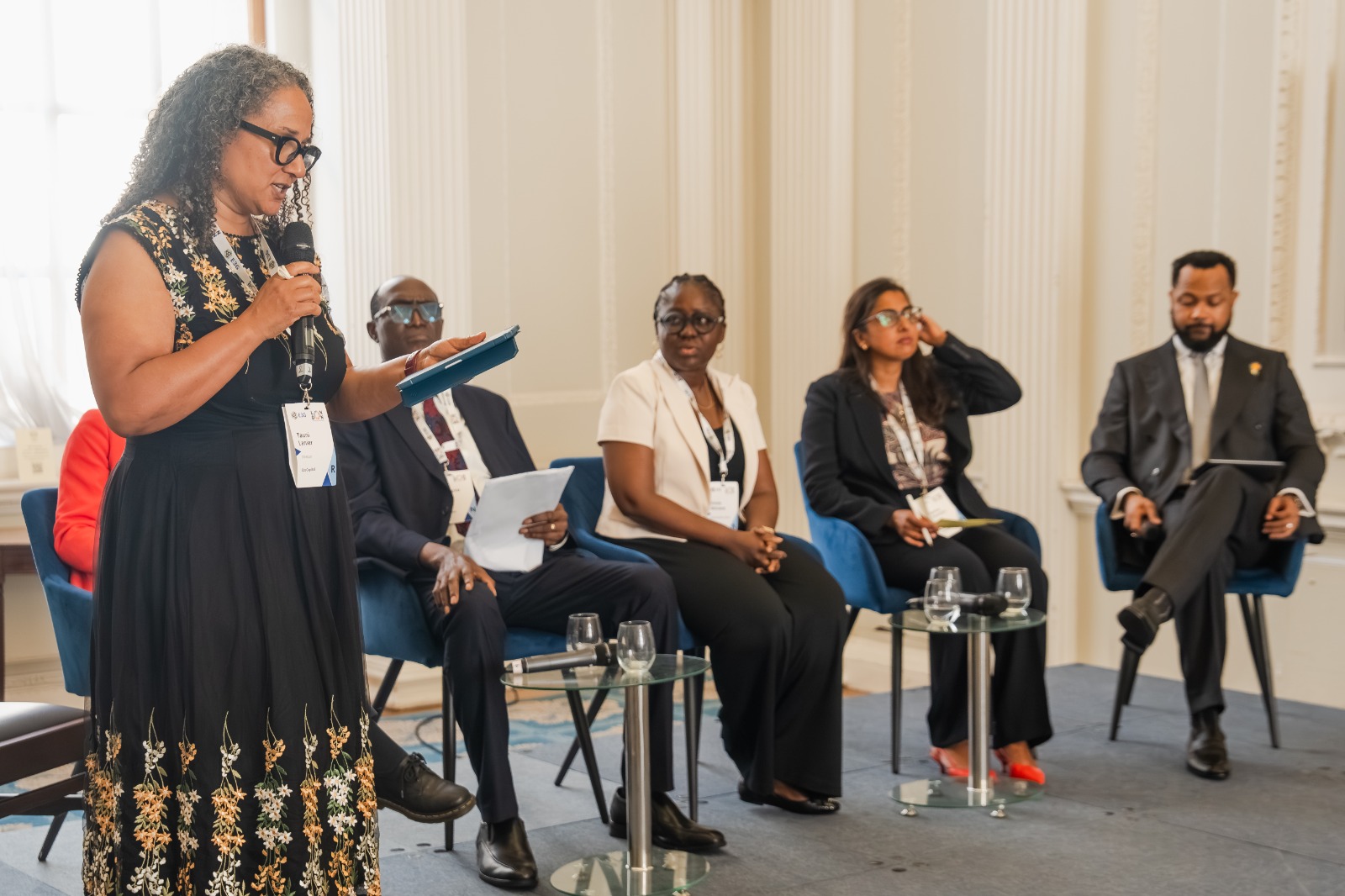
The discussion, “Beyond the Fossil Fuel Chokepoint: Financial Pathways for Decarbonisation,” anchored by the Oxford House and the University of Oxford Climate Alumni Network, (OxCAN) took the conversation to a new level. However, after all said and done, energy transition costs good money. And unless this money matter is gotten right, the conversations around climate action would remain a sheer grammar warehousing.
This is why the keynote address, “Financial Pathways for Decarbonisation in Global Growth Markets and Frontier Economies,” presented by the Founder/CEO of Mutandis Africa, Chinelo Anohu, remains a subject for discussions in the relevant circles weeks after the London event.
The former head of the African Development Bank’s Africa Investment Forum (AIF) began a deep dive into the subject: “The question is no longer whether the world must transition away from fossil fuels. The harder question is whether the world can finance the transition in a manner that is orderly, equitable, investable, and politically durable,” she began.