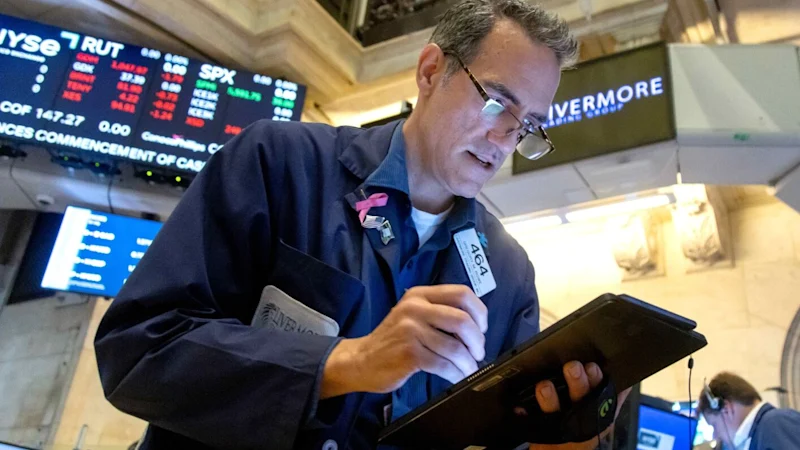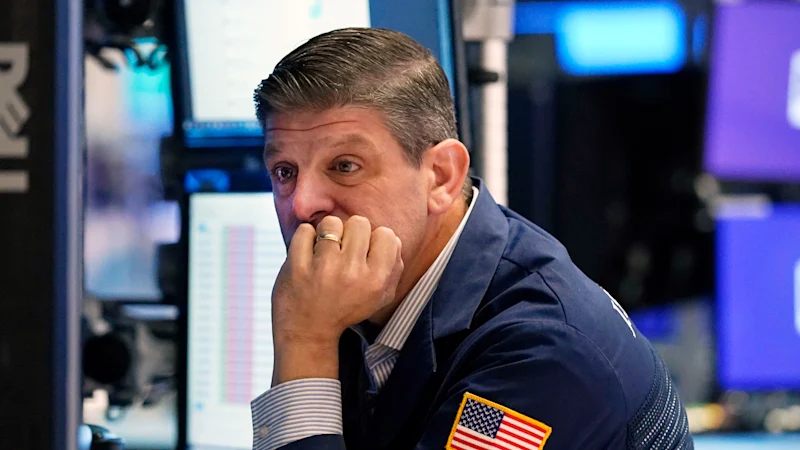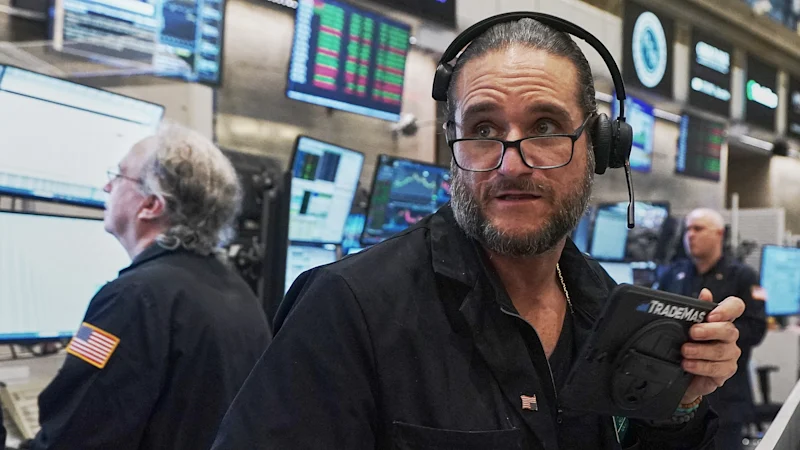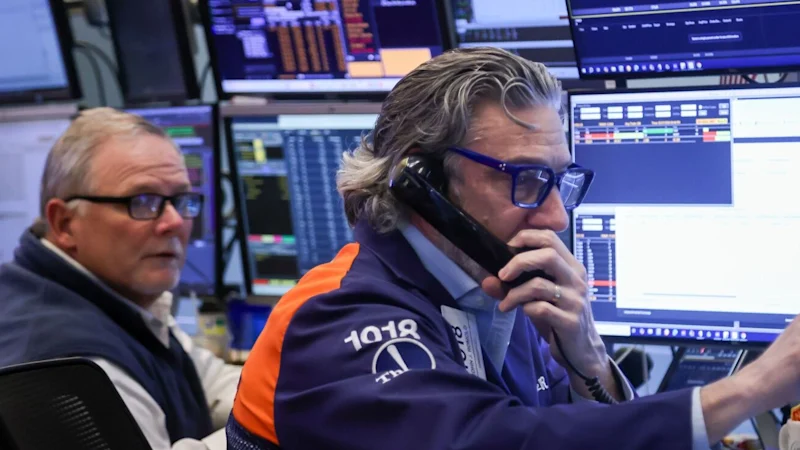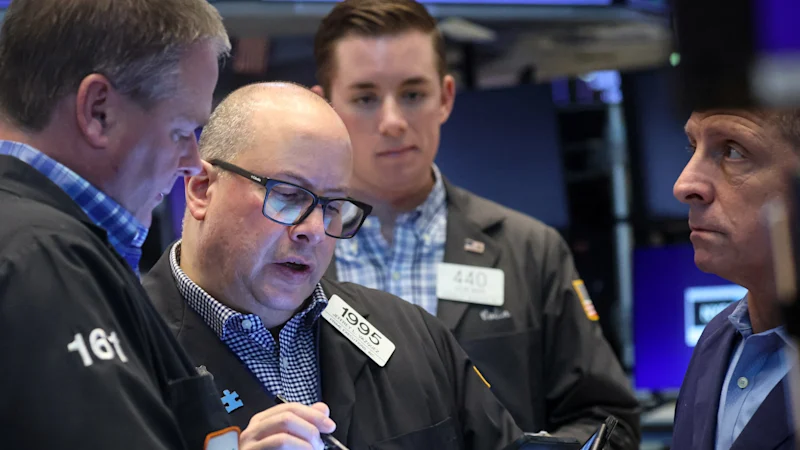
Staff reportersUpdated August 21, 2026 — 11:08am,first published August 21, 2026 — 5:17amRising oil prices, high bond yields and inflation fears prompted a retreat on the Australian sharemarket after it opened Friday, with the local bourse followed Wall Street’s decline.The S&P/ASX 200 was down 17.1 points, or 0.2 per cent, to 9066.7 in early trade, with six of 11 industry sectors in negative territory.Wall Street closed in the red for the fourth time in five days.BloombergBucking the trend was fast food chain Guzman y Gomez. It lifted 6.4 per cent at the open after increasing network sales by 17.9 per cent to $1.38 billion in the 2026 financial year, during which it opened 35 new restaurants, taking its total to 284 across Australia, Singapore and Japan. The burrito seller booked a net loss of $26.7 million, primarily due to one-off costs of exiting the US market. Excluding this, underlying net profits rose 29.7 per cent to $53.4 million. The company declared a total fully franked dividend of 48 cents per share, which includes a 14.4 cents per share special dividend.Kyle Sandilands and Jackie ‘O’ Henderson’s months-long legal battle against their former employer ARN Media has cost the radio company more than $17 million as it battles rapidly declining revenue and profits. ARN revealed the figure, which is likely to increase when it meets Henderson in the Federal Court in October, in its half-year results on Friday. The company posted a loss of $28.3 million for the half year. Revenue was down 14 per cent to $128 million. ARN shares traded 1.9 per cent higher.Mining stocks were mixed. BHP slipped 0.2 per cent, Fortescue added 0.6 per cent and Rio Tinto was up 0.5 per cent. Northern Star edged up 0.2 per cent while fellow gold miner Evolution Mining advanced 2.1 per cent.Financial stocks slid across the board with Commonwealth Bank losing 0.5 per cent, National Australia Bank down 0.6 per cent, Westpac declining 0.3 per cent and ANZ Bank shedding 0.4 per cent.Energy stocks advanced as a US push to isolate Iran’s economy sent oil prices higher. West Texas Intermediate for October traded above $US86 a barrel, with that contract on pace for a weekly gain of almost 6 per cent. Global benchmark Brent closed near $US94 on Thursday after advancing for five sessions.Woodside Energy jumped 1.6 per cent and Santos added 0.8 per cent while Ampol rose 0.2 per cent and Viva Energy advanced 0.7 per cent.Technology stocks are mixed with WiseTech up 0.3 per cent and Xero rising 1.6 per cent but Technology One slid 0.3 per cent and NEXTDC lost 0.5 per cent in early trade.The Australian dollar was trading at US71.13¢.Overnight on Wall Street, the S&P 500 fell 0.9 per cent for its fourth loss in the five days since setting its record last week. The Dow Jones Industrial Average fell 1.3 per cent, and the Nasdaq composite sank 1 per cent.The bond market remains the centre of the action after yields charged higher through the northern summer on worries about high inflation, gargantuan government debts and other factors. US Treasury Secretary Scott Bessent made a move that jolted financial markets to at least double the size of his department’s planned purchases of longer-term Treasurys from September 9 to November 4.That helped to push yields down after the 10-year Treasury’s yield had hit its highest level in more than a year, and the 30-year yield got back to where it was in 2007, before the Great Recession sent yields towards zero worldwide. It’s a big deal because high yields slow the economy by raising interest payments for people, companies and the government, and they can undercut prices for shares and other investments.But analysts had cautioned the effect may be short-lived, given how small the purchases are relative to the overall size of the Treasury market and how they don’t fix the fundamental concerns of investors that had driven up yields in the first place. Plus, more signals arrived quickly to push worries higher.The US government’s debt topped $US40 trillion ($56.2 trillion) on Wednesday, a staggering record that arrived months after the national debt first blew past the $US39 trillion mark in April, because Washington continues to spend far more money than it brings in.A couple of encouraging reports on the US economy also helped to push up longer-term Treasury yields, which move with expectations for the economy and inflation in coming years. One said that fewer US workers applied for unemployment benefits last week than economists had expected, while another said that manufacturing in the mid-Atlantic region appears to be much stronger than expected.On Wall Street, Walmart was one of the heaviest weights on the S&P 500 and fell 9.2 per cent even though it reported stronger profit and revenue for the latest quarter than analysts had expected. Investors focused instead on how an important underlying measure of revenue growth at its stores slowed once more. Its forecast for profit in the current quarter also fell short of analysts’ expectations.Helping to keep Wall Street’s losses in check was Deere, which reported stronger profit and revenue for the latest quarter than analysts had expected. It rose 6.9 per cent as the company said order trends indicate the agriculture equipment business looks set to accelerate after this year.In sharemarkets abroad, indexes were mixed in Europe.With AP, BloombergThe Market Recap newsletter is a wrap of the day’s trading. Get it each weekday afternoon.From our partners
ASX slides lower on oil, inflation worries; Guzman y Gomez jumps
Rising oil prices, high bond yields and inflation fears prompted a retreat on the Australian sharemarket after it opened.
906 words~4 min read