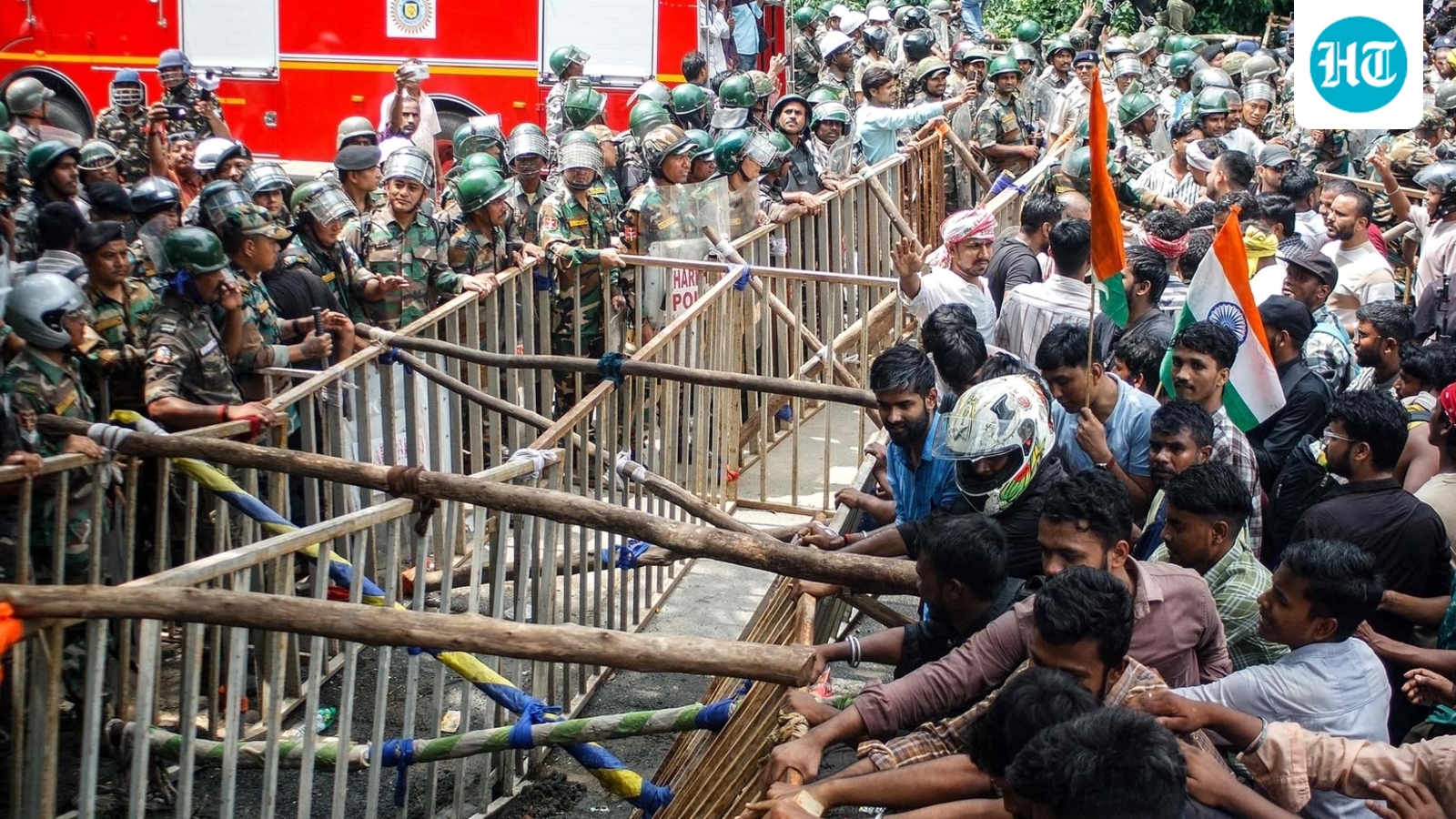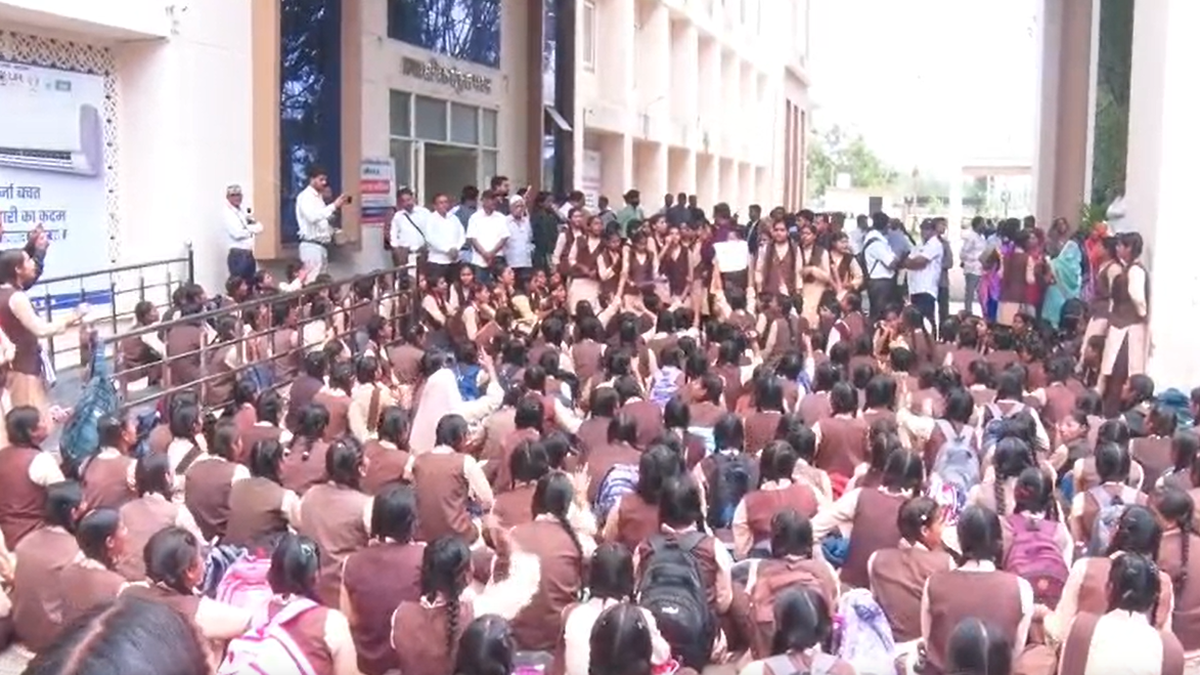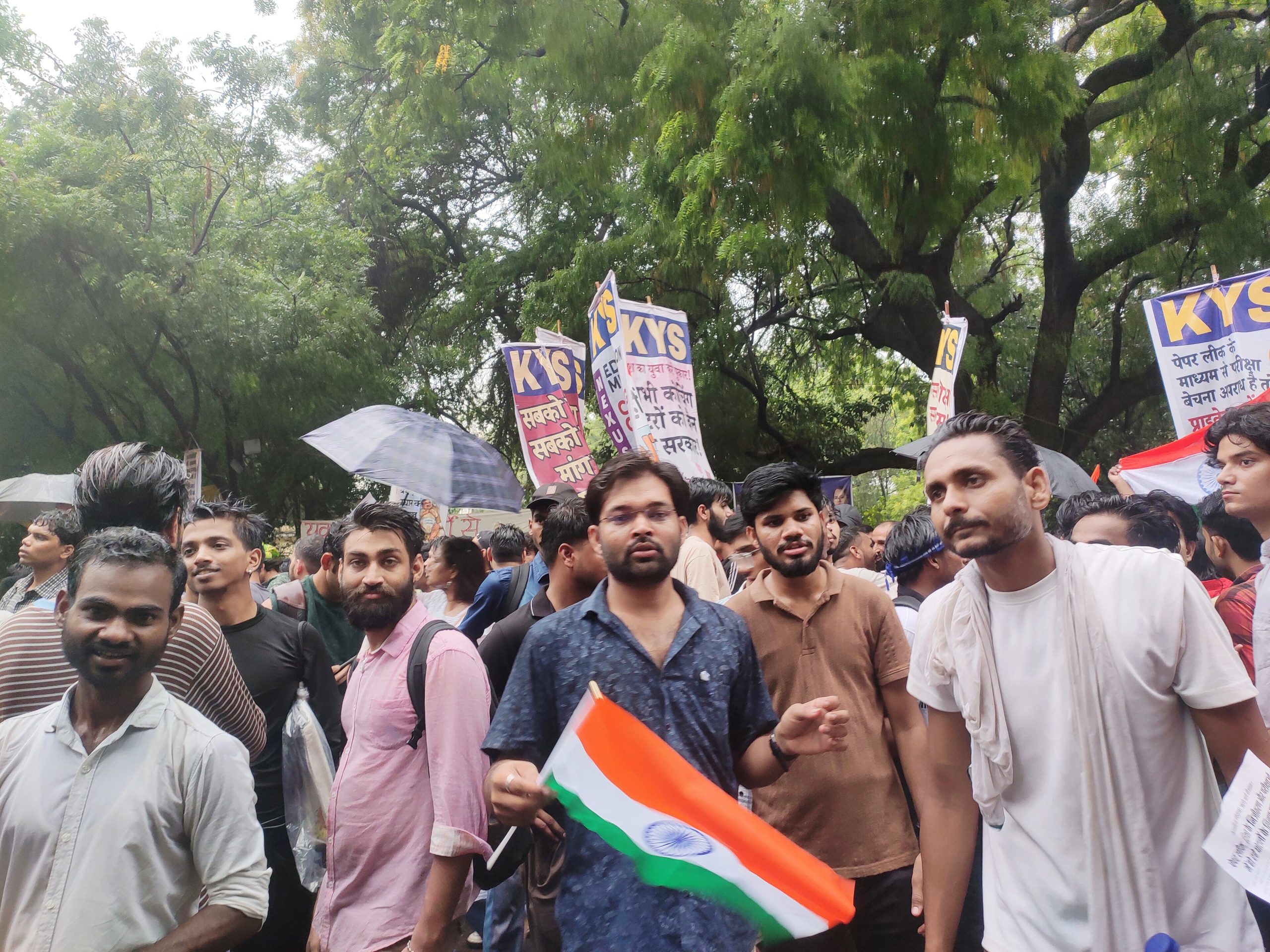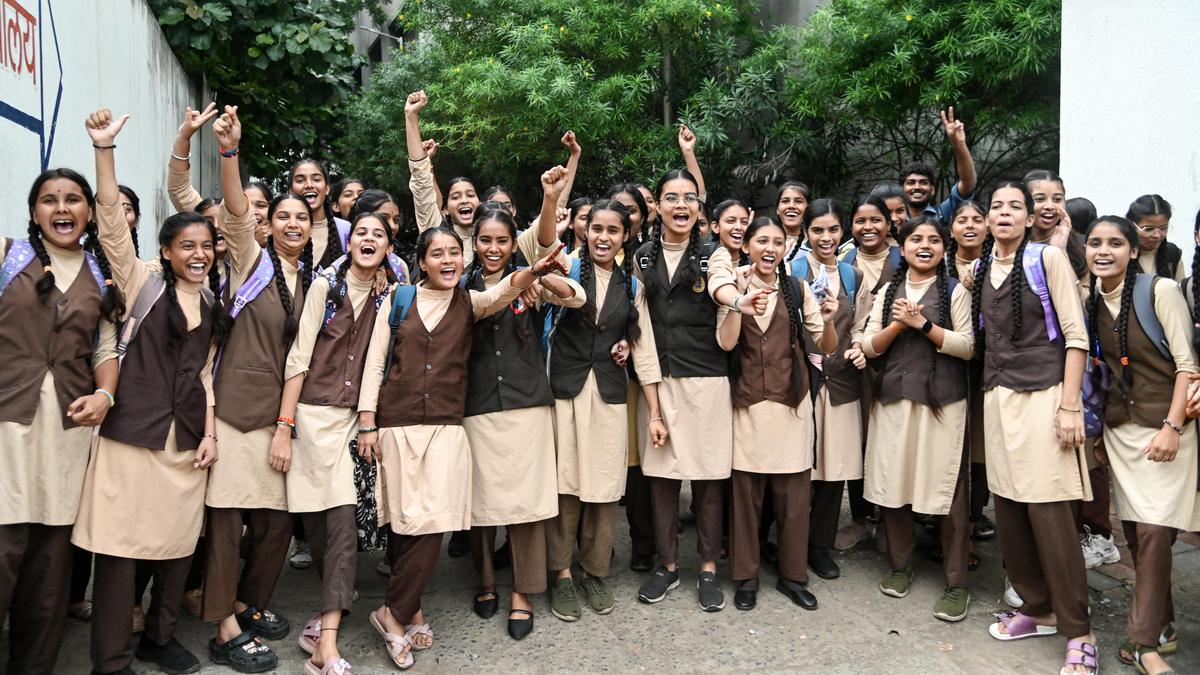
As the bell that signalled the end of the school day rang at 2.30 p.m. on August 18, scores of girls rushed out of Ujjain’s Maharani Lakshmibai Government Girls Senior Secondary School, Sarafa, with cheers and chants of victory. They were celebrating an assurance from the Madhya Pradesh government that their school would not be shut and merged with a school in Daudkhedi village, 6 km away. Many had tears in their eyes — they would be able to continue their studies.Located opposite the famous Mahakaleshwar Jyotirlinga Temple in Ujjain, the government girls’ school was founded in 1959. Most students here come from the rural pockets around. The celebrations, teachers say, are a result of the girls’ struggle and courage that they showed as they raised their voices before government authorities.On August 13, local newspapers had reported the merger of various schools. Under the Madhya Pradesh government’s ongoing merger exercise, 10 more schools, five each from Ujjain city and nearby villages, are being shifted to Daudkhedi, impacting 2,978 students, as per a March 30 order from the Department of Education. Sarafa was to be the 11th.On August 14, a day before India’s 80th Independence Day, more than 300 girls of the school, most between Classes 9 and 12, gathered at the campus. Instead of going to their classrooms, they headed to the Ujjain Collector’s office and staged a protest against the government’s plans to shift their school.The demonstration, videos of which went viral in no time, saw the girls, many with their parents, raising slogans against the move, even as some of them broke down. Two girls fainted. Finally, the administration assured them that their voices would be heard.As per the government’s Periodic Labour Force Survey (PLFS) 2023–24 data released by the Ministry of Statistics, India’s female literacy rate stands at 74.9% for those aged 7 and above.Over the past month, school children in various parts of the country, mostly in India’s northern States ruled by the Bharatiya Janata Party (BJP), like Madhya Pradesh, Uttar Pradesh, Bihar, and Rajasthan, have risen up to question those in power. Protests are around the education system and its access: broken roads leading to schools, teacher shortages, crumbling classrooms and toilets.Gen Alpha risingMost students were inspired by the Gen Z protests over question paper leaks and other irregularities in the competitive examination system. The protests had begun in New Delhi and then spread across the country, leading to the resignation of then Union Education Minister Dharmendra Pradhan, a move considered unprecedented for Prime Minister Narendra Modi’s Central government in its 12 years of rule.The police brutality on students during their July 20 Sansad Chalo march to Parliament further angered a large section of the nation’s youth and their parents, a trusted voter base for the ruling BJP.While the Gen Z protests largely involved college-going urban youth, the Gen Alpha uprising is seeing school students in small towns and rural regions questioning those responsible for their education. There is now a growing push for accountability and transparency.On July 13, students of Eklavya Model Residential School (EMRS) in Chhindwara district’s forested Tamia tehsil raised angry slogans on the school campus alleging poor meal quality in hostels, saying there were worms in their food. Angry students, who gathered outside the school campus in the rain, demanded that the District Collector come and hear their woes. The school administration had not acted on their complaints, they said. The EMRSs are Union government-run institutions for students from tribal communities.On August 15, a group of primary and middle school students from the Chandla area in Madhya Pradesh’s Chhatarpur district stopped the convoy of State Cabinet Minister and local MLA Dilip Ahirwar. They were angry about a broken road to their school, the absence of a boundary wall, and no electricity.The same day, scores of schoolchildren, accompanied by some adults, from Chhatarpur’s Maharajpur tehsil set out on a 40-km march to the district headquarters over infrastructural woes, including a drain that swells in the rains, which the students have to cross to reach their school. Even though the march was stopped, as senior district officials went to meet the protesters, the protest went on for 18 hours and only ended after Maharajpur BJP MLA Kamakhya Pratap Singh met them after midnight.On August 19, several children of a government primary school and their parents from Damoh district’s Arth Kheda village staged a demonstration at the Collector’s office over their school building. They said it was dilapidated and its roof could cave in with the rains. They raised slogans like, “Hum apna bhavishya maangte; hum apna school maangte (We demand our future; we demand our school).” They alleged that repair work in January did nothing for the building, and they were tired of administrative assurances. The school is currently being conducted at a temporary location in the village, a protestor said.Uttar Pradesh, India’s most populous State with over 200 million people, has so far witnessed four such demonstrations by Gen Alpha students in the last month in Hamirpur, Azamgarh, and Fatehpur, besides Lucknow, all over the lack of the basics.On August 17 in Uttar Pradesh’s capital, Lucknow, over 200 students from Jai Prakash Narayan Sarvodaya Vidyalaya for Girls marched roughly 3 kilometres to the Dubagga-Kanpur bypass to protest against the shortage of teachers and inadequate basic amenities in their school. There have been similar protests in Rajasthan’s Alwar and Barmer districts and Bihar’s Gaya.Governments feel the pressureThe August 14 protests by the girls in Ujjain prompted top BJP leaders and local officials to visit the school and hold discussions with the students on August 18, the next working day at the school, after the Independence Day-Nag Panchami weekend.The protest held significance, as Ujjain is the hometown of Madhya Pradesh Chief Minister Mohan Yadav and a long-standing stronghold of the party that rules the State and is at the Centre. His sister, along with BJP MP from Ujjain Anil Firojiya and Ujjain North MLA Anil Jain Kaluheda, showed up at the school with several other administrative staff, including the District Collector.“Chief Minister Mohan Yadav was informed about the proposal to relocate the Sarafa school to Daudkhedi. Keeping the convenience of the female students in mind, the Chief Minister immediately directed that their classes continue at the existing Sarafa school until alternative arrangements are made,” Firojiya said. He added that work would also be undertaken to construct a better school building after identifying a suitable site in the vicinity.The quick outreach for the girls also holds significance, as women are considered a trusted voter base of the ruling BJP and were credited as an important factor in the party’s landslide victory in the 2023 Assembly elections despite anti-incumbency. After the meeting, a group of girls broke down while thanking the leaders.Monika Sisodia, a Class 12 (commerce) student and one of the girls who led the protests, says, “While we were very disturbed when we found out that our school would be shifted, the August 13 news triggered us. We did not discuss our plans to protest with the teachers, but we decided to fight for our education.” Monika says that the girls had read about the Gen Z protests and were inspired by them.“We have won the fight now, but we were ready to even go on a hunger strike to save our school. Had this not happened, many girls would have had to quit their studies,” says Monika, who dreams of becoming a police officer.When asked if they feared online abuse, threats and trolling that many of the Gen Z protesters have had to face in the aftermath of their agitation, Monika and her peers said they are not active on social media.A teacher, standing nearby, said, “Some of us teachers and parents were concerned about the possible consequences. So, we spoke to the students and advised them not to engage in any political slandering or language that may be problematic.” This came in the wake of criticism from a section on the Gen Z protests around abusive language.Future and studies at risk
Gen Alpha rises, one school at a time
Students of Gen Alpha protest against school mergers, demanding accountability and better education, inspired by Gen Z activism.
2,417 words~11 min read