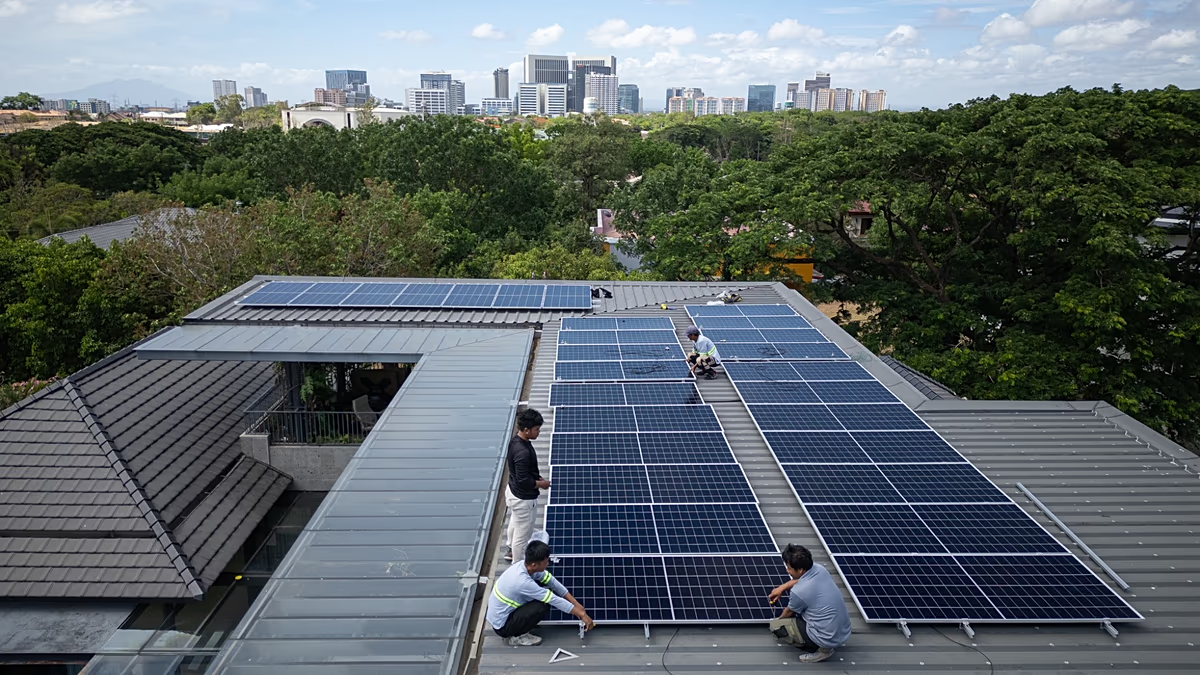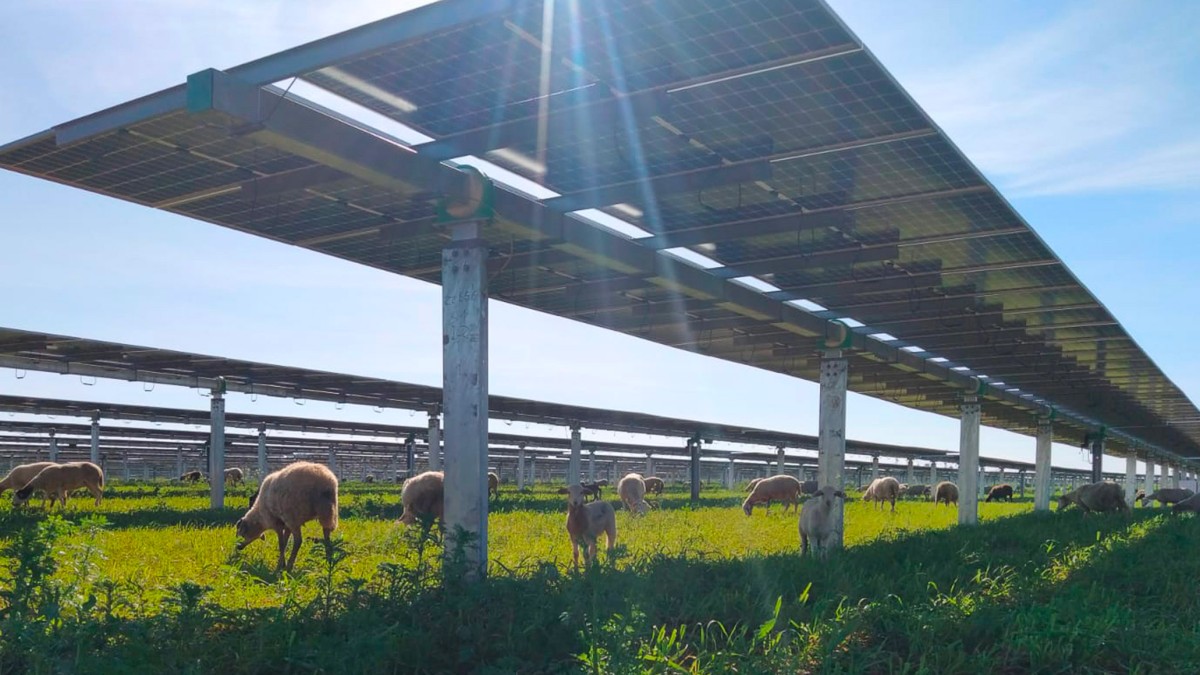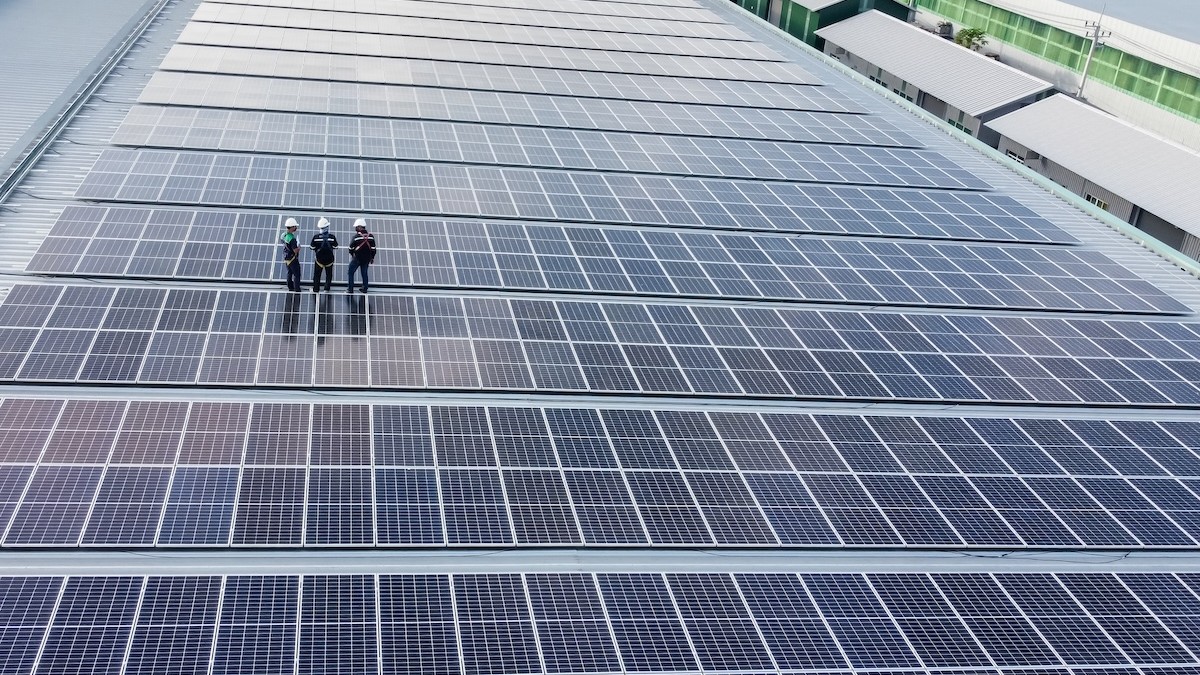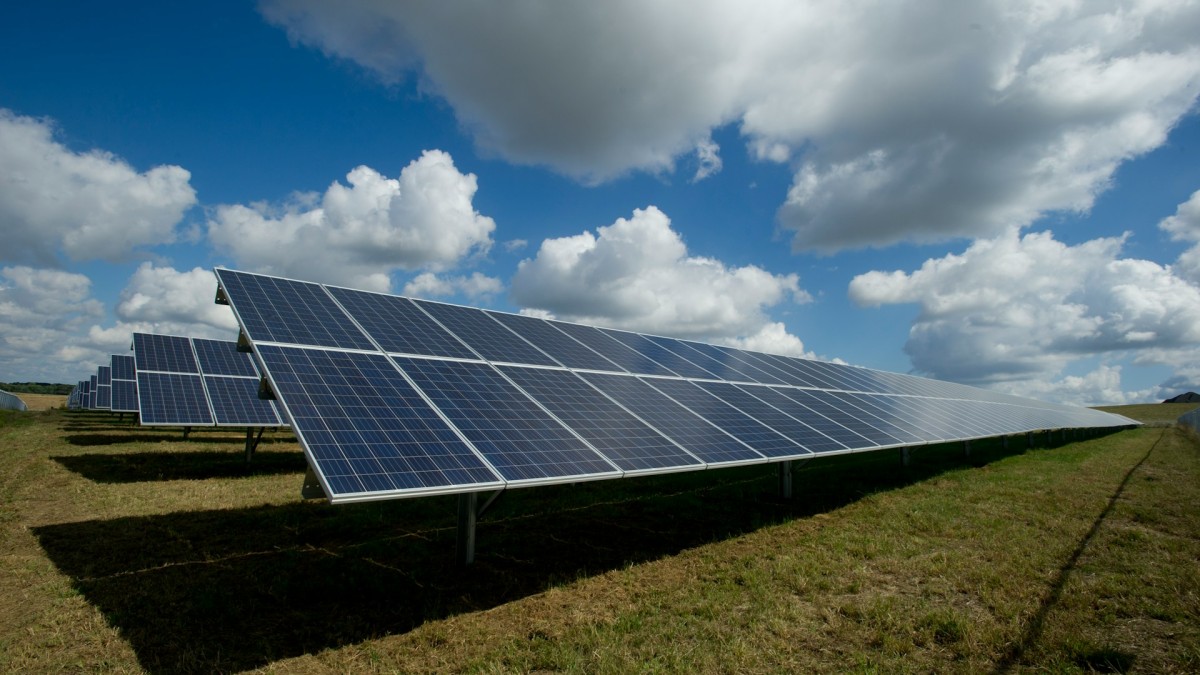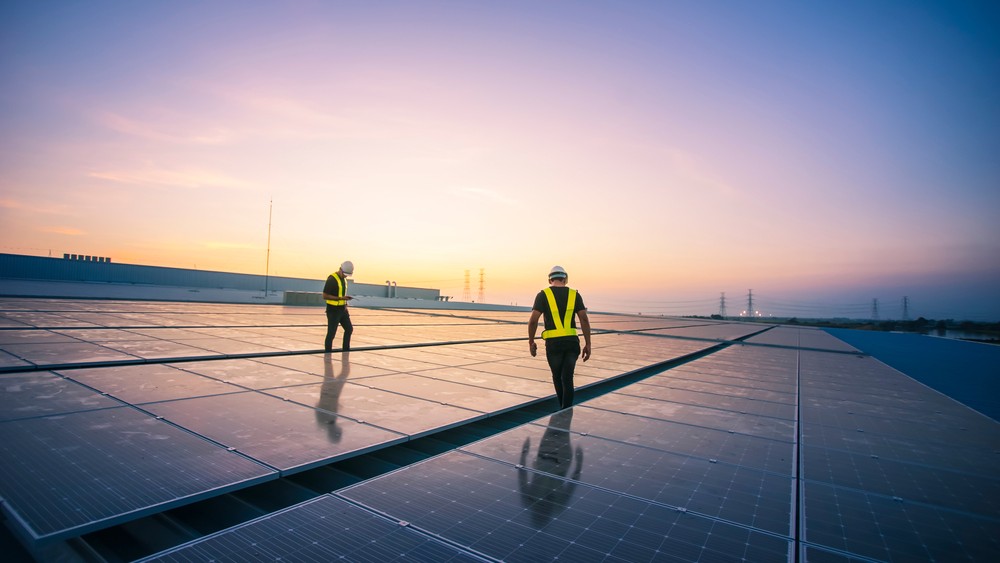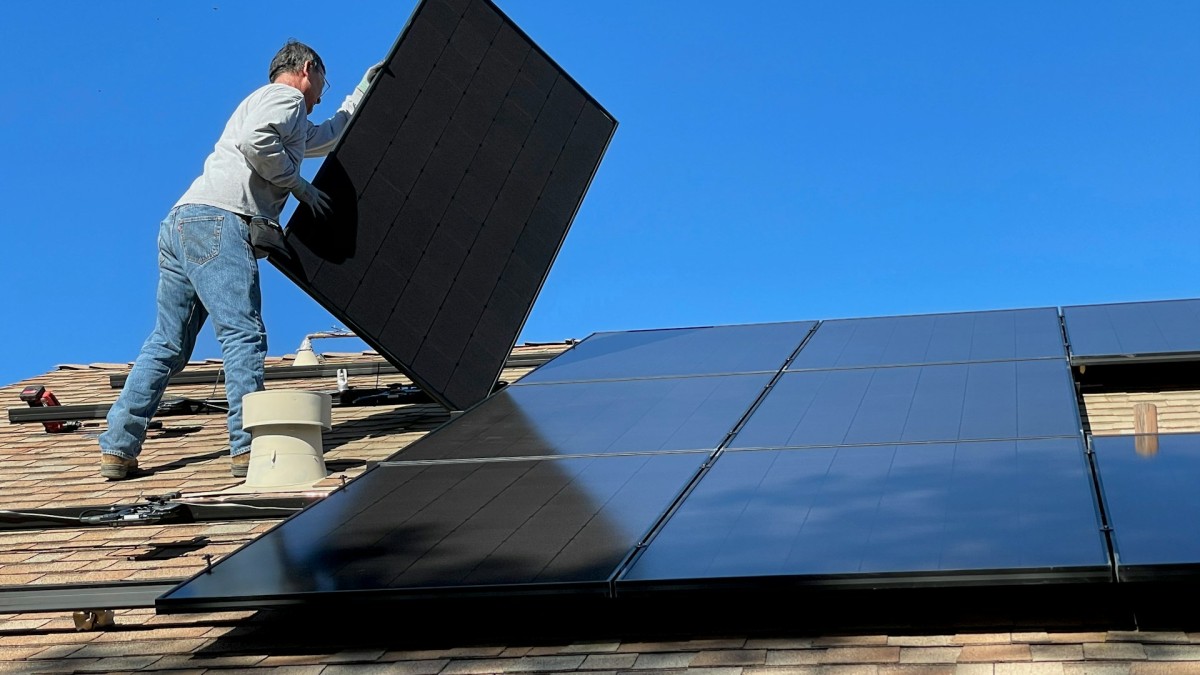
Solar power is far and away the world’s fastest-growing form of energy production, beating out every other form of energy on Earth in 2025. Despite a recent political pivot away from renewable energies in the world’s largest economy, solar power additions continue to shatter its own records year over year as the sector has long since outgrown any need for subsidies. Solar power has simply become too cheap to fail.“We have a plentiful and cheap source of electricity that can be built quickly, almost anywhere in the world,” NewScientist wrote in an article published late last year. “Is it fanciful to imagine that solar could one day power everything?”How has a once-niche and costly form of energy generation taken over the global economy in under 30 years? According to a new report from Scientific American, solar’s stunning success story comes down to four interrelated factors: affordability, policy, fossil fuel leapfrogging, and the finite nature of fossil fuels.Set OilPrice.com as a preferred source in Google here.Solar power is now the cheapest form of energy on Earth, with solar panel prices having plummeted an astonishing 90 percent since 2010. This newfound affordability has led to an enormous uptick in photovoltaic installations in nearly every corner of the globe. While richer nations initially led the charge for solar power capacity additions, poorer nations are now representing an increasingly considerable share of demand growth. In countries where national power grids are unreliable or limited and power is costly, solar-plus-battery systems represent an affordable and secure alternative. Pakistan, for example, has become an unexpected poster child of solar adoption in recent years as residents install rooftop solar and batteries faster than any other market on Earth.This rapid decline in costs has evolved thanks to early policy pushes from two vastly different economies and governments – China and Germany. According to Scientific American, in the early 2000s “the German Green Party leveraged a power-sharing arrangement to demand subsidies for rooftop solar” at the same time that China was undertaking a massive effort to expand its manufacturing capacities. “The German subsidies helped to create a European market for solar modules and components, and Chinese firms built factories to meet that demand,” the article argues.China still dominates the solar manufacturing sector today, controlling a whopping 80 percent of global supply chains. While this raises some concerns for energy security, cheap and abundant Chinese solar panels have made the worldwide solar revolution possible. And that solar revolution has been of utmost importance in many developing countries that are being tasked with the difficult imperative of leapfrogging straight over fossil fuel development and straight into clean energy buildout.Finally, solar power is no longer a matter of climate policy – it’s a matter of energy security and simple economics. While commitment to climate goals is intermittent, whipsawing between political administrations, energy security strategy is evergreen – and solar now represents the clearest pathway forward to energy autonomy and resilience. Ongoing volatility in global oil and gas markets driven by the United States’ and Israel’s war in Iran (on top of drawn-out supply chain complications from Russia's war in Ukraine) has catalyzed a global embrace of solar power as a central part of energy security strategy.“Wind and solar cannot be embargoed, blockaded, or shut off by a foreign power,” David Frykman, General Partner at Stockholm-based venture capital group Norrsken, wrote in an op-ed for Fortune earlier this year. “Every terawatt-hour of domestic renewable generation is a terawatt-hour that no adversary can weaponize.”As a result of these four factors, it’s clear that the solar power revolution is here to stay, even as administrations come and go. In fact, ironically enough, Donald Trump is currently overseeing the biggest expansion of solar power in United States history.By Haley Zaremba for Oilprice.comMore Top Reads From Oilprice.comFire Breaks Out at Rosneft-Owned Refinery After Ukrainian Drone StrikeKazakhstan Caught in the Middle of the U.S.-China AI RivalryBeijing Bets on Fossil Fuels Even as It Leads the World in Renewables
How Solar Panel Prices Fell 90 Percent In 15 Years | OilPrice.com
Solar power outpaced every other energy source in 2025, driven by falling costs, early policy bets and a global push for energy security.
660 words~3 min read