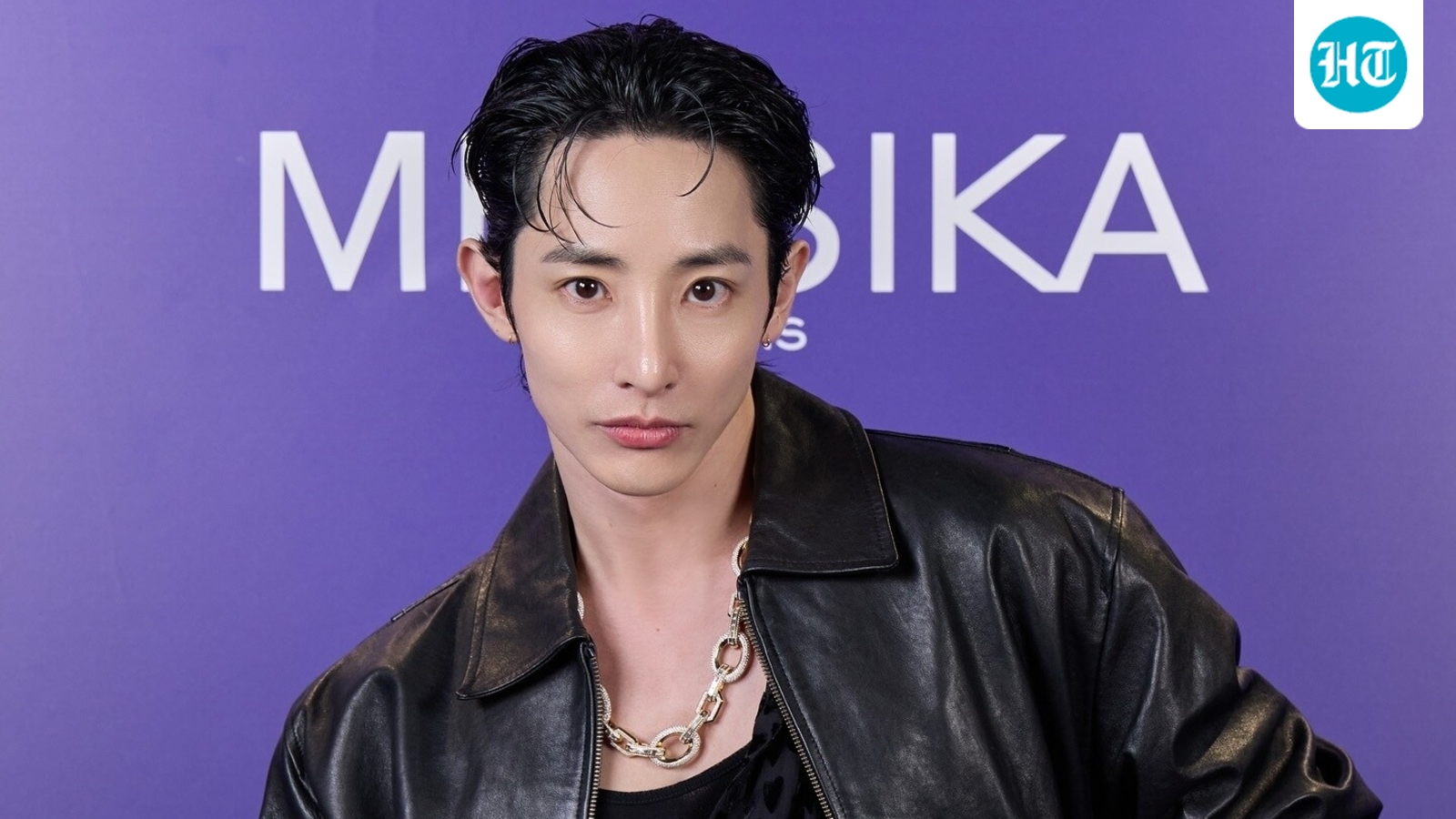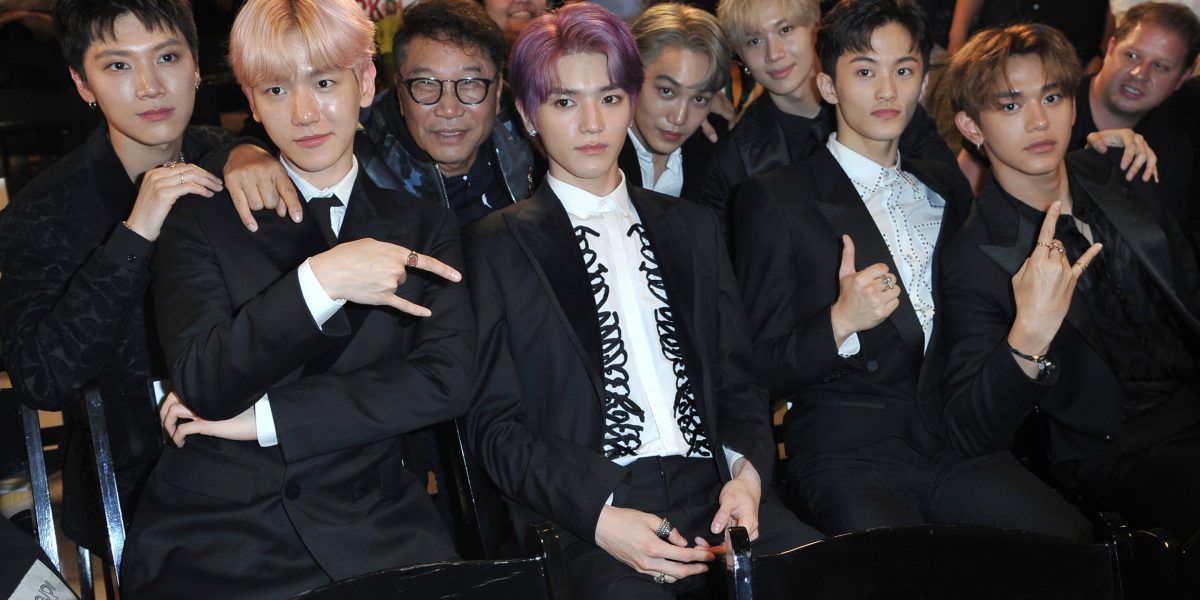
Lee Soo-man, the founder, executive producer, and namesake of SM Entertainment. (courtesy of SM Entertainment)
Recently, a management dispute over SM Entertainment, the nation’s largest K-pop agency, has become a hot topic. At the center of it all is the founder and largest shareholder of the company: Lee Soo-man. With competitors such as Hybe and Kakao also joining in the dispute, major changes are expected in the K-pop industry. Lee, SM’s executive producer, created and perfected the agency-led K-pop system in the 1990s. Given Lee’s position helming the nation’s biggest entertainment agency for over 30 years and the indelible mark he has left on the history of the K-pop industry, the current SM management dispute holds several meanings. The group that marked the beginning of K-pop in the 1990s was Seo Taiji and Boys. The group made their debut with “I Know” in 1992 and dominated the music scene as “presidents of culture” until January 1996, when they announced their retirement. Their retirement upended the music industry in Korea.Particularly, Korean popular music was transformed into mainstream music through the introduction of dance, rap, hip-hop, and heavy metal. Before this, Korean music had mainly been centered around ballads and trot. Another notable change was how teenagers emerged as the most important consumer group of music. HOT takes over the teenage market The sudden retirement of Seo Taiji and Boys in 1996 left a vacuum in the teenage idol space. It was Lee Soo-man who seized the key opportunity this presented. Lee founded SM Studio in 1989 and introduced singers like Hyun Jin-young and Wawa, Han Dong-joon, Kim Kwang-jin, and J&J. The name of the company was then changed to SM Entertainment in 1995. Lee Soo-man presented an entirely new concept born out of a different system than those in the past. Namely, idol groups. These groups became the idols of teenagers. Lee’s first group to successfully prove the concept was HOT.In many ways, HOT can be called the original idol group that gave rise to the current agency-led K-pop idol system. Members were assigned different roles according to specific plans and were selected based on a particular role such as main vocalist, dancer, hip-hop-style rapper, and main spokesperson for the group. Above all, the target audience was teenagers, a product of Seo Tae-ji’s ability to prove the importance of this market. The groups were formed in a way that would appeal to teenagers and members were even mostly in their late teens or early 20s. As live shows changed to become more focused on performances, the importance of agencies also began to grow. In the past, people with good voices who could dance were selected to become singers. It was common for good dancers at clubs to be recruited by the head of an entertainment company and then make their debut. However, things had now changed, and the performances no longer depended solely on the individual skills of members. In order to present performance-oriented shows, all the members of the group had to be in perfect harmony with each other. For this, a long process of practice and training was necessary. It was SM Entertainment that organized all these necessary steps into one coherent system. Training became an important component of the idol system to overcome the limitations of the previous generation of singers. For instance, many groups in the 1990s focused mainly on dance and performance and often lacked good singing skills. As a result, people strongly criticized such groups, wondering if all it took to become a singer was knowing how to dance.In order to present more competitive “products,” agencies set up a detailed system involving far more practice and training. Throughout this process, the dancing and singing skills of idols improved significantly and this is what became the foundation for the current competitiveness of K-pop. In other words, the secret of “compressed development,” which was the driving force behind South Korea’s rapid economic growth, was also adopted in the idol system.