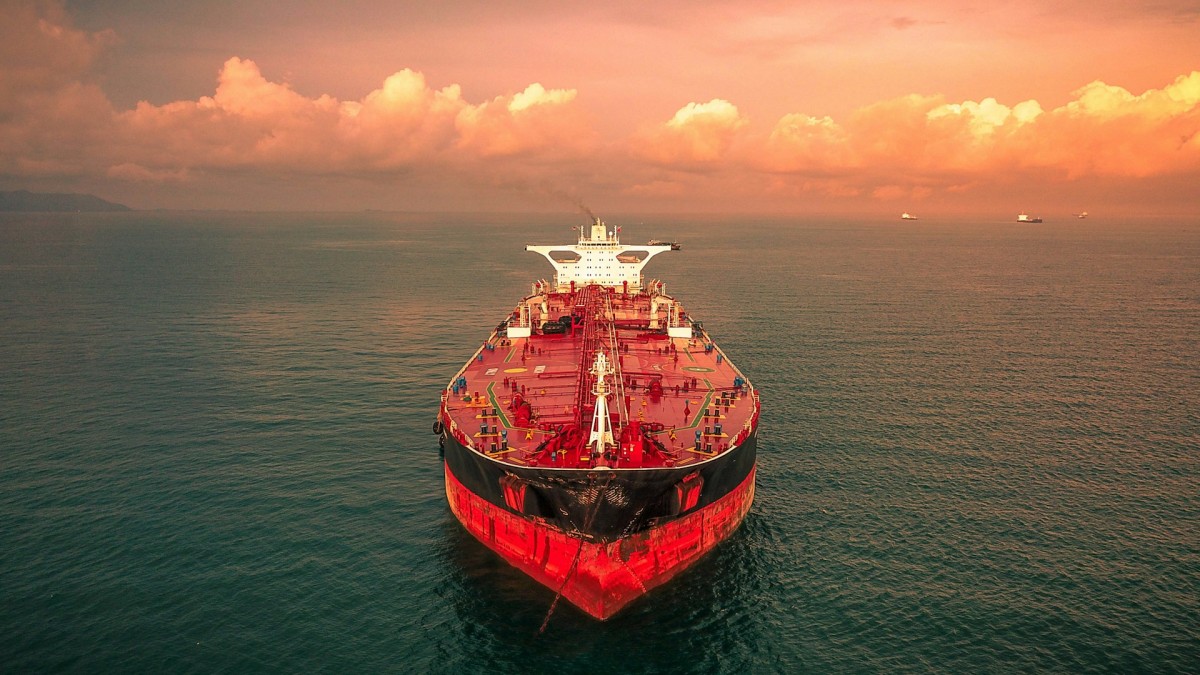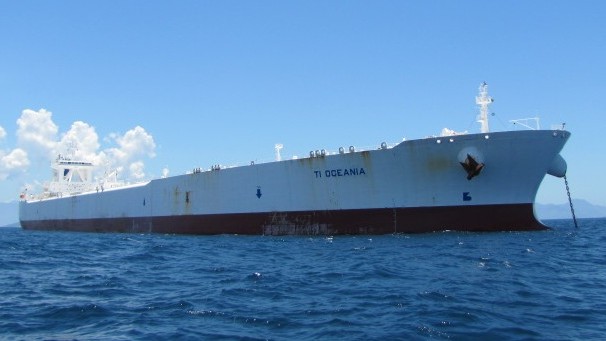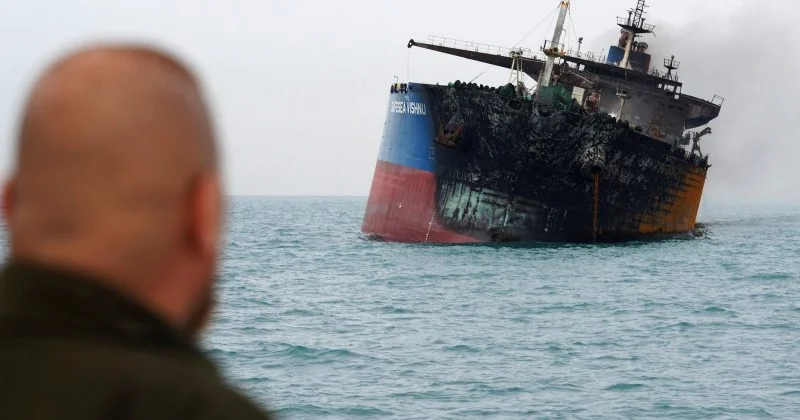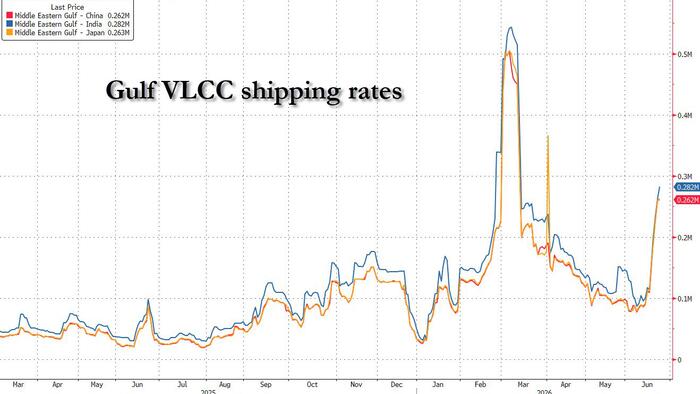
Shipping executives are navigating more attacks on tankers in more regions than ever before — around the Strait of Hormuz, the Bab al-Mandeb strait and the Black Sea, all vital to the oil trade — keeping the global fleet in a semipermanent state of dislocation as millions of barrels per day are rerouted. Disruptions and trading inefficiencies have pushed some freight rates to stratospheric levels, lifting shipping profits but adding to the price paid by consumers. Insurance and vessel costs have also risen, piling on more pressure. The UK Maritime Trade Operations Centre, which monitors maritime security, has recorded 29 attacks on vessels during Strait of Hormuz transit, of which 45% were tankers. The "Southern Omani route remains the highest-risk corridor,” it said, accounting for 16 of 18 strikes since Jul. 6, when Iran started targeting tankers on that route. Vessels traditionally passed through a central corridor, but Iran has been pressing vessels to use a route close to its coast, while Oman provided an alternative route, initially as an “evacuation” route for vessels trapped in the Gulf. Yemen’s Houthis, aligned with Tehran, claim to have hit eight Saudi Arabian tankers in the Red Sea since declaring a blockade of the country a month ago. Shipping has emerged as a greater target in the war between Russia and Ukraine in the past couple of months, as Kyiv targets Russia’s export of oil and military fuel in the Sea of Azov and Russia attacks merchant vessels calling on southern Ukrainian ports. Caspian Pipeline Consortium loadings from Kazakhstan have also been disrupted.
Tanker Rates Hit Record Highs Amid Multiple Disruptions
The unprecedented number of attacks on tankers in the Mideast and Ukraine conflicts has pushed freight rates to record levels.
260 words~1 min read