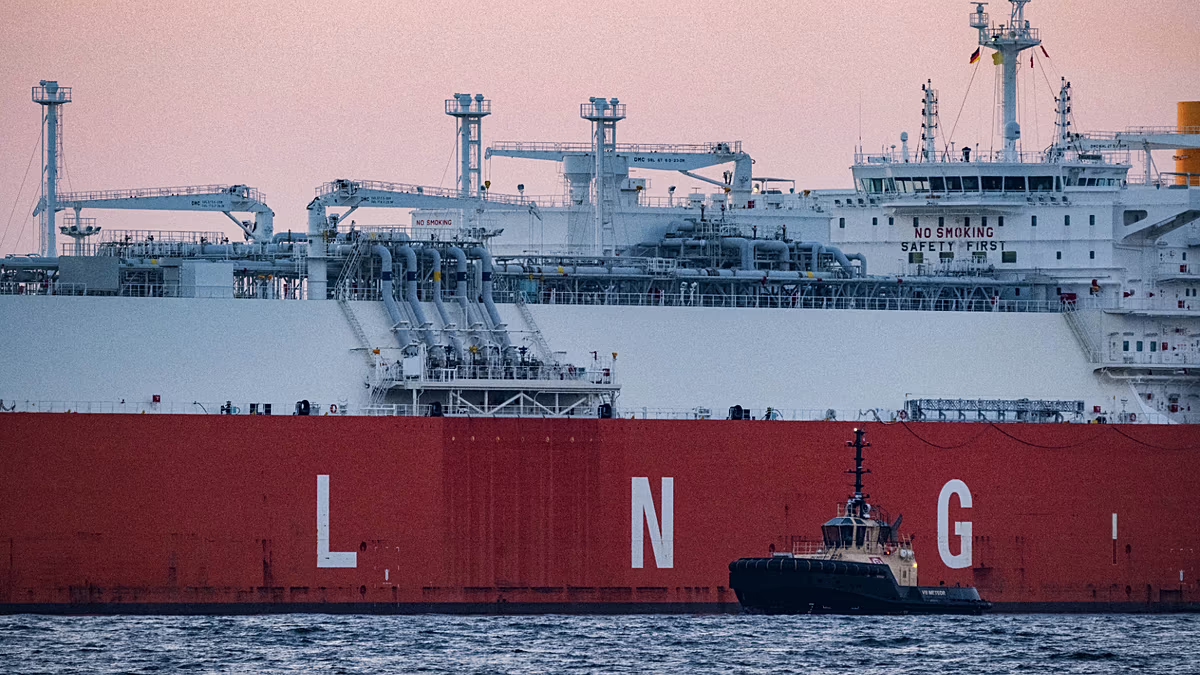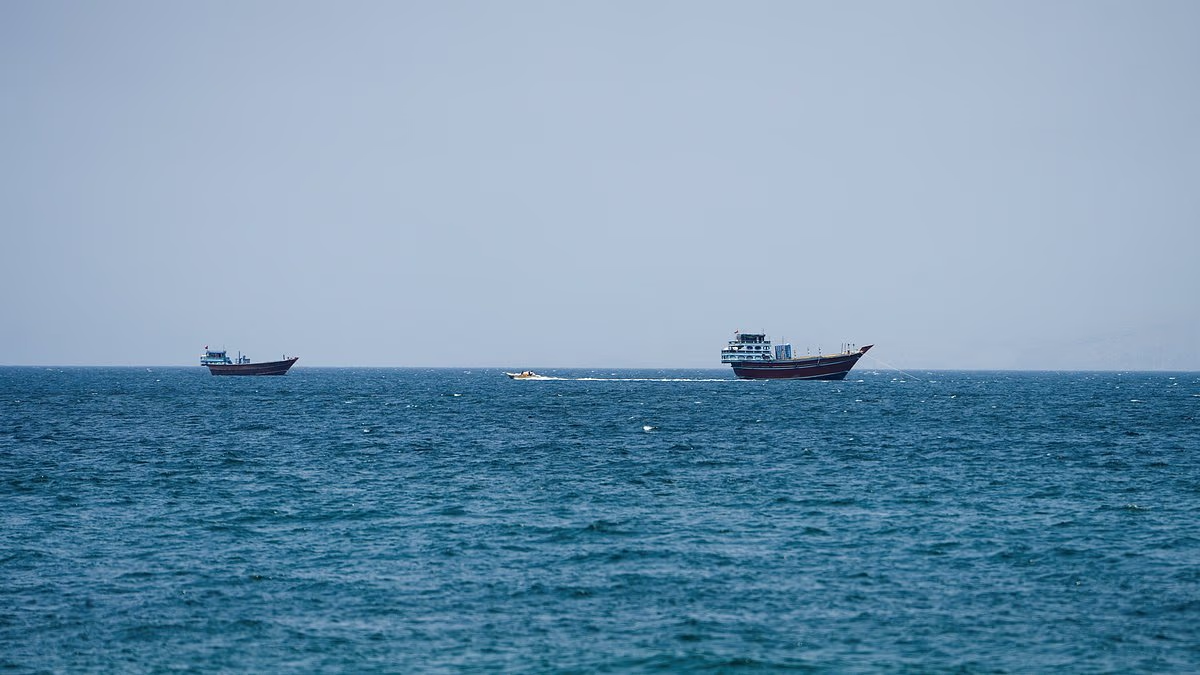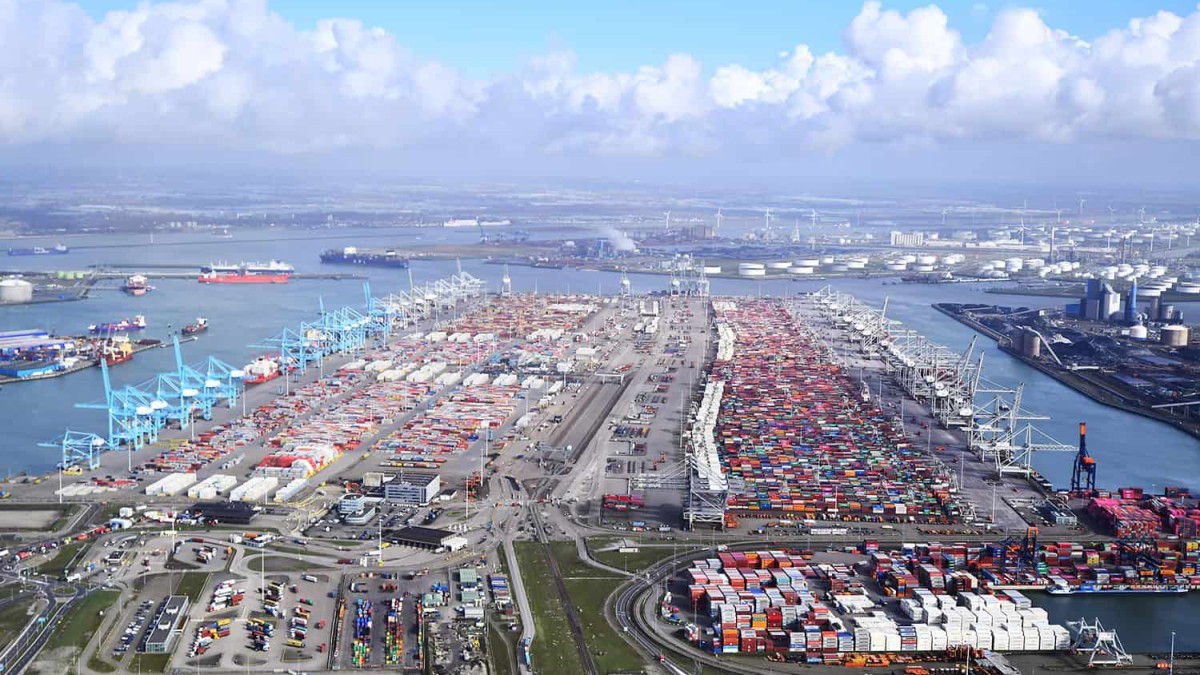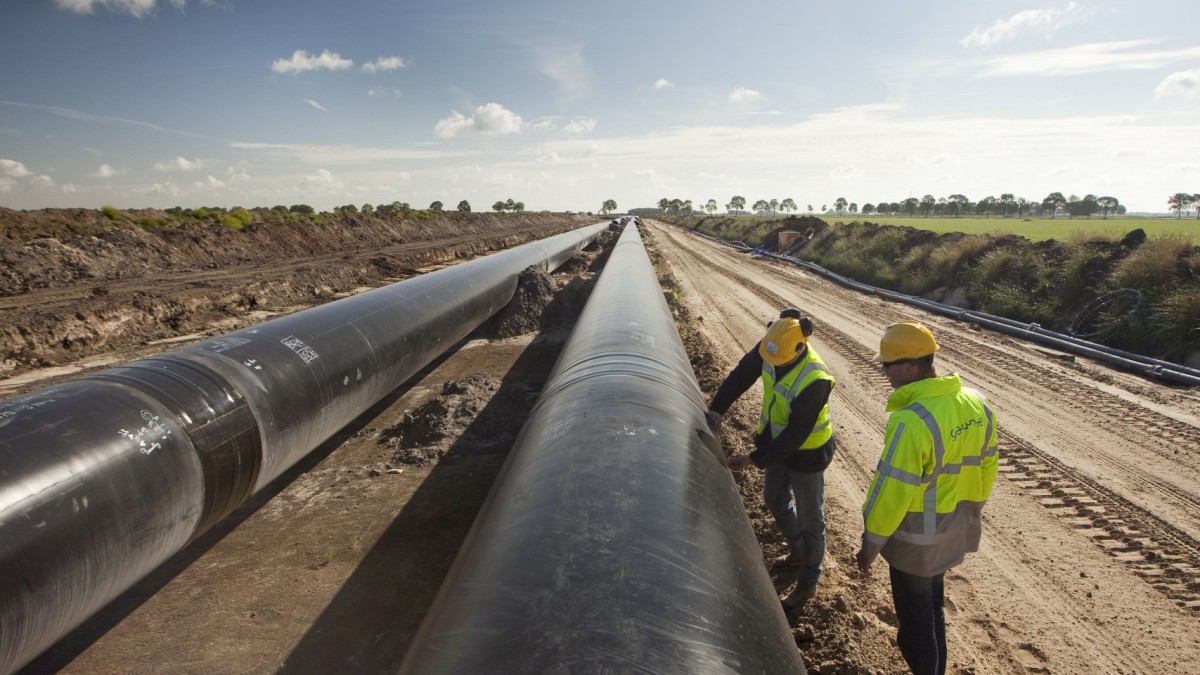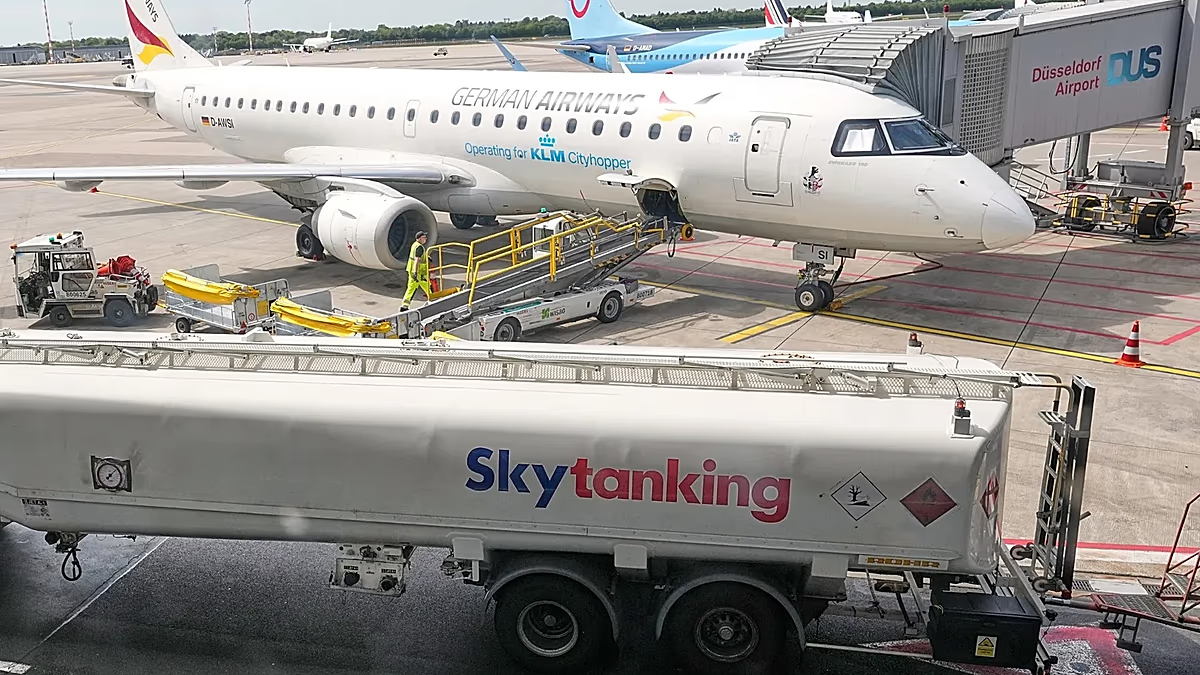
Europe has discovered something unusual during the latest energy crisis: its emergency system actually works.The closure of the Strait of Hormuz removed or disrupted one of the largest flows of oil and gas in the world. Prices rose, shipping routes changed, insurance costs increased, and concerns emerged over the availability of refined products, particularly aviation fuel.Yet Europe did not run out of oil, diesel, or jet fuel. That outcome should not be dismissed. It resulted from decades of mandatory stockholding, coordinated emergency planning, alternative supplies, refinery adjustments, and—inconveniently—higher prices suppressing some demand.But Europe should also be careful about drawing the wrong conclusion. Strategic reserves can absorb the first impact of an energy shock. They cannot make an import-dependent energy system permanently secure. And after using part of its oil buffer, Europe is now heading toward winter with a much less comfortable gas position.Europe Used the Right Reserves at the Right TimeOn March 11, the International Energy Agency’s 32 member countries agreed to make 400 million barrels of emergency oil available. It was the largest coordinated stock release in the organization’s history.European IEA members contributed around 107.5 million barrels. The composition of that contribution is more important than the headline number. Approximately 68% consisted of refined petroleum products, while only 32% was crude oil. Europe also relied more heavily on temporarily reducing compulsory industry stocks than on releasing oil exclusively from government-controlled reserves.This was a logical response. Crude oil still has to be delivered to the right refinery and processed into the fuel actually needed by consumers. A release of diesel or jet fuel can address a product shortage much faster.This mattered because Europe has a specific vulnerability in aviation. EU refineries produce only around 70% of the jet fuel consumed in the bloc, with the remaining 30% normally imported, according to the European Commission.Earlier concerns—including my own—focused heavily on whether this import dependency could produce jet fuel shortages. Those shortages did not materialize. Emergency stocks, rerouted cargoes, refinery flexibility, commercial inventories, and demand adjustment kept the market supplied. By July 24, the Commission’s Oil Coordination Group still reported no immediate oil supply problem, despite renewed hostilities and the continuing blockade of Hormuz.That was not evidence that the threat had been exaggerated. It was evidence that the response worked.Europe Still Has Oil—But Less Room for ErrorThere is no single European strategic petroleum reserve. Instead, EU countries maintain different combinations of government stocks, national stockholding agencies, and inventories held by private companies under legal obligations.Under the EU Oil Stocks Directive, each country must maintain crude oil and petroleum products equal to at least 90 days of net imports or 61 days of domestic consumption, whichever is higher.The European contribution to the IEA action therefore cannot simply be subtracted from one large reserve tank. Some countries sold or released physical stocks. Others lowered the minimum inventories that companies were required to hold. The volumes were also made available over time, rather than entering the market on a single day.Nevertheless, the buffer has become thinner. Governments can authorize another coordinated release, but the decision would be more difficult than the first.The 400-million-barrel global action sounds enormous. Yet around 20 million barrels of crude oil and petroleum products passed through Hormuz every day in 2025. The entire IEA release was therefore equivalent to roughly 20 days of normal Hormuz flows.In practice, releasing it gradually extends its market impact. But the underlying limitation remains. Strategic stocks can bridge a disruption while supply chains adjust. They cannot replace a major producing region indefinitely. A second release could reduce panic, improve the availability of specific fuels, and put downward pressure on prices. It could also leave Europe more exposed to another disruption involving Hormuz, the Red Sea, Russian infrastructure, or one of the alternative supply routes on which it now depends.An emergency reserve is valuable because it is held back. Once it becomes a routine instrument for controlling fuel prices, it stops being a strategic reserve and starts becoming an expensive price-support mechanism.Gas Is Now the Bigger ProblemEurope’s gas position is more concerning than its oil position. By mid-August, EU gas storage was only around 61% full, compared with a five-year average of approximately 78% for this point in the year. European gas prices had climbed above €60 per megawatt-hour as traders considered the possibility that restricted LNG supplies through Hormuz could continue into the winter.This is not yet a physical shortage. Europe has extensive LNG import capacity, strong Norwegian pipeline supplies, additional US cargoes, and a gas network capable of moving supplies between countries. But its margin is unusually small.Gas storage normally provides around 30% of EU winter consumption. The formal target remains 90%, to be reached between October 1 and December 1. Countries may deviate by ten percentage points under difficult conditions, with the possibility of a further five-point adjustment during persistent market stress.This flexibility is sensible. Forcing every country to buy gas at almost any price simply to meet an inflexible deadline can drive prices even higher. But flexibility does not create gas. Using storage now to suppress prices would be particularly shortsighted. Unlike emergency oil stocks, most European gas storage is working seasonal inventory. Gas injected during summer is expected to heat homes, supply industry, and support electricity generation during winter.Withdrawing it early might lower prices temporarily. Europe would then have to replace the same gas later, possibly during cold weather and at a much higher price. Oil stocks can still be used selectively. Gas stocks need to be rebuilt.Electrification Changes What a Strategic Reserve IsA more electrified and renewable Europe would still need reserves. It would simply need different ones.A fossil fuel system requires a continuous flow of consumable energy. Cars, aircraft, boilers, refineries, and industrial facilities need new fuel every day. When imports stop, the countdown begins immediately.Wind turbines, solar panels, hydroelectric plants, and existing electricity networks do not require daily fuel deliveries. A disruption in the supply of new solar panels could slow future expansion, but it would not stop the panels already operating from generating electricity.This does not mean that Europe can replace oil and gas with solar panels and forget about resilience. Weather-dependent generation requires batteries, hydro reservoirs, thermal storage, interconnectors, demand flexibility, and dispatchable backup. Renewable gases, hydrogen, biomethane, and synthetic fuels may provide limited strategic reserves for long-duration shortages and hard-to-electrify sectors such as aviation.Europe would also need physical stocks of transformers, cables, inverters, grid-control systems, and critical materials. The European Commission is already developing a coordinated approach to stockpiling critical raw materials.The difference is fundamental. A barrel of oil disappears after one use. A transformer, battery, heat pump, or solar panel can provide energy services for years or decades. One system stockpiles fuel because it remains dependent on the next delivery. The other stockpiles equipment and flexibility so that domestic energy production can continue.Europe’s oil reserves performed exactly as intended during the Hormuz crisis. They bought time, prevented shortages, and allowed global supply chains to adjust.Europe should now use that time wisely. The ultimate purpose of a strategic reserve is not to preserve dependency. It is to survive long enough to reduce it.By Leon Stille for Oilprice.comMore Top Reads From Oilprice.comIraq-Syria Oil Pipeline to Bypass Hormuz Is 4 Years and $15 Billion AwayChina's Renewables Boom Faces Record Clean Power Curtailments$100 Diesel Cracks Signal a Much Tighter Oil Market Than Brent Suggests
Europe’s Energy Reserves Worked. The Next Test Will Be Harder | OilPrice.com
Oil stocks remain available for another intervention, but Europe’s unusually low gas storage creates a more immediate risk.
1,225 words~6 min read