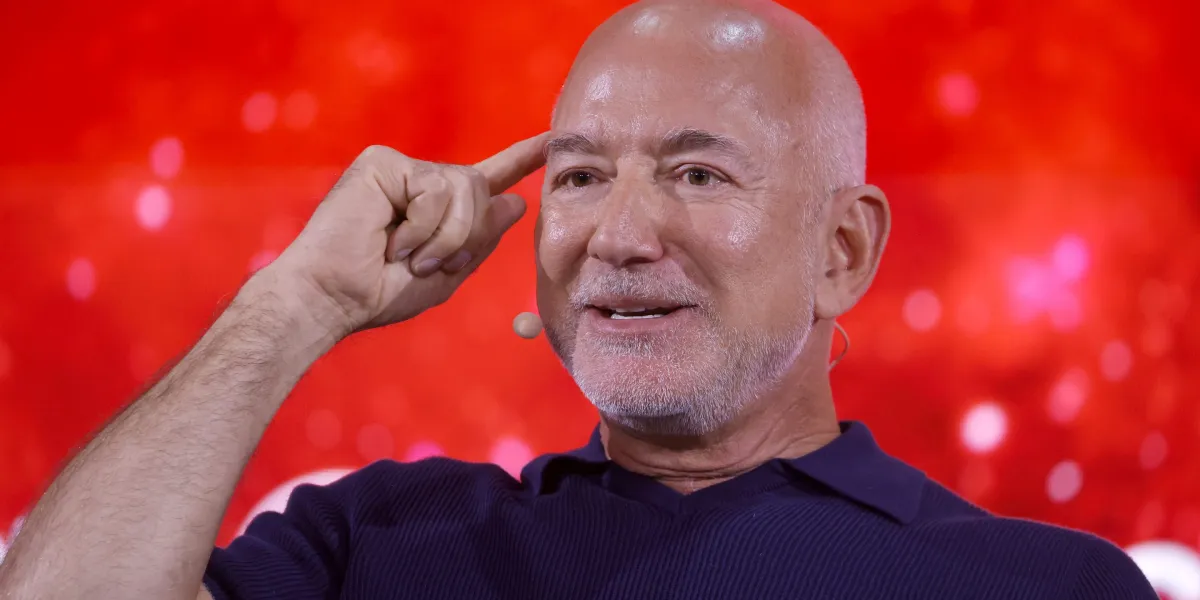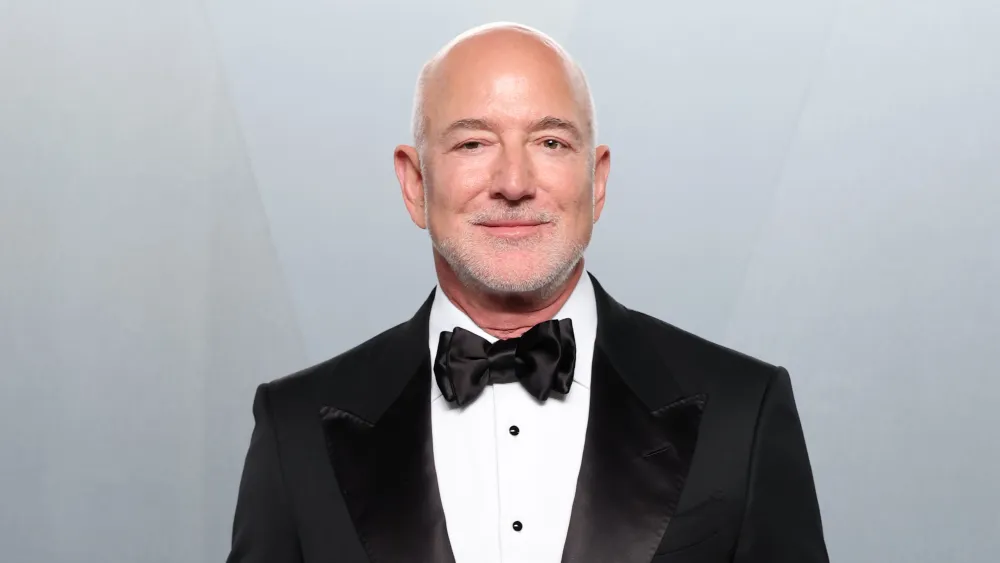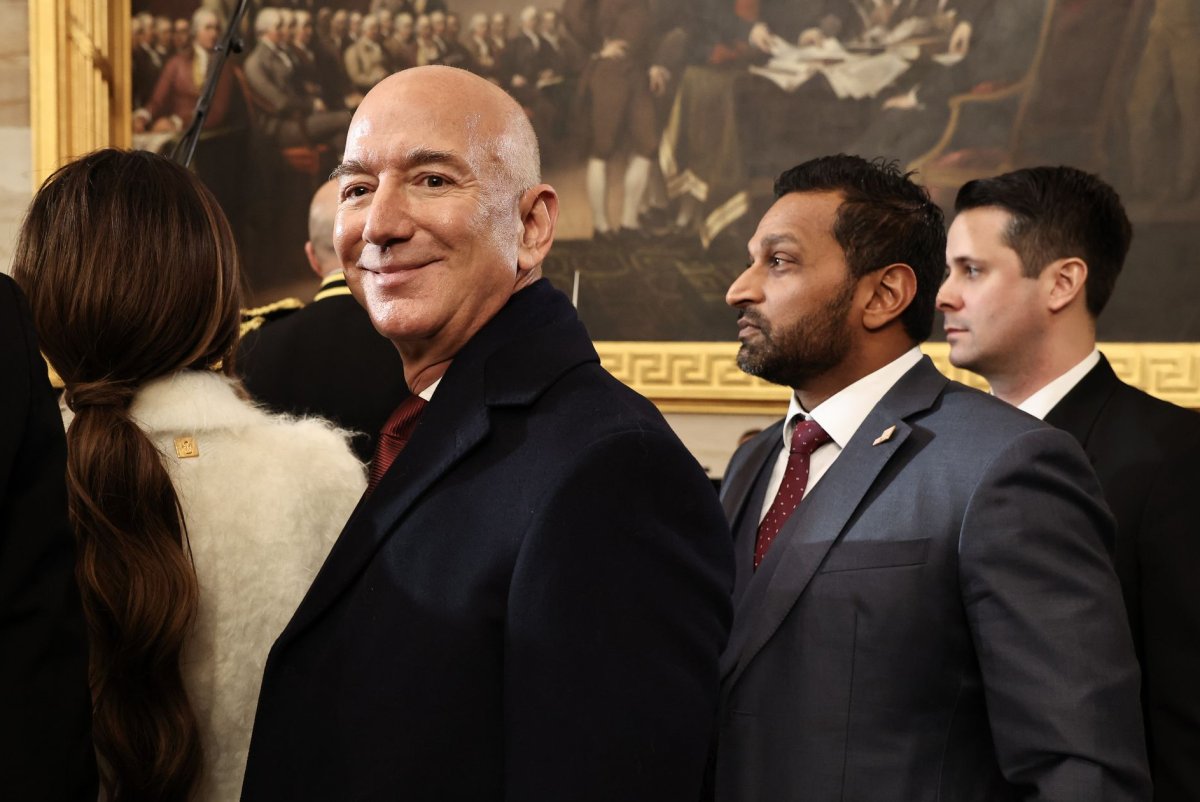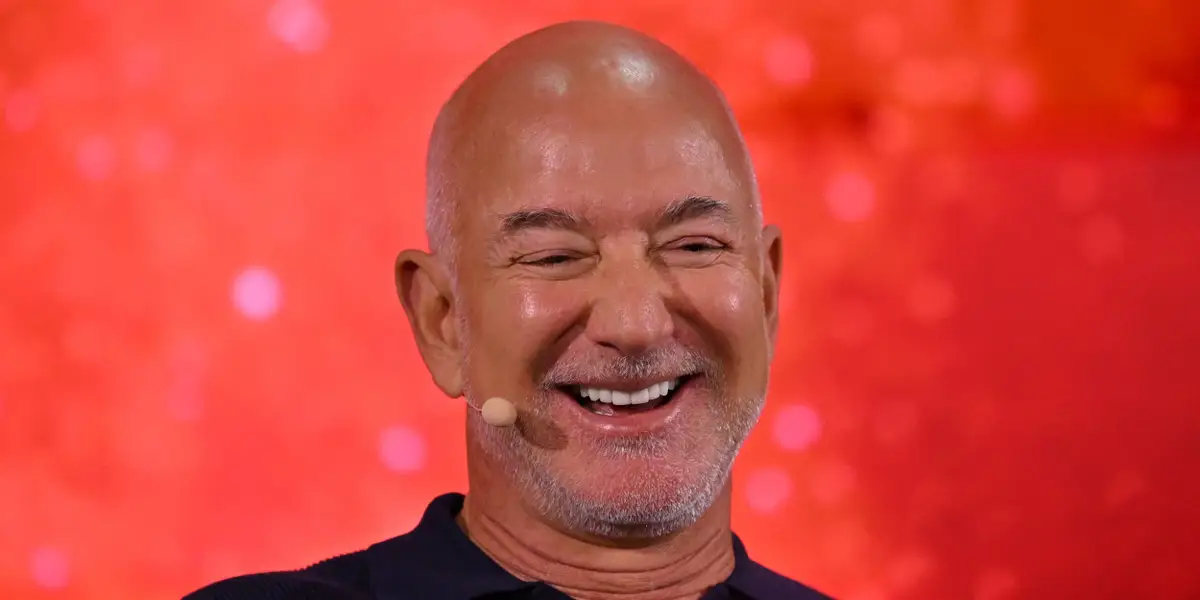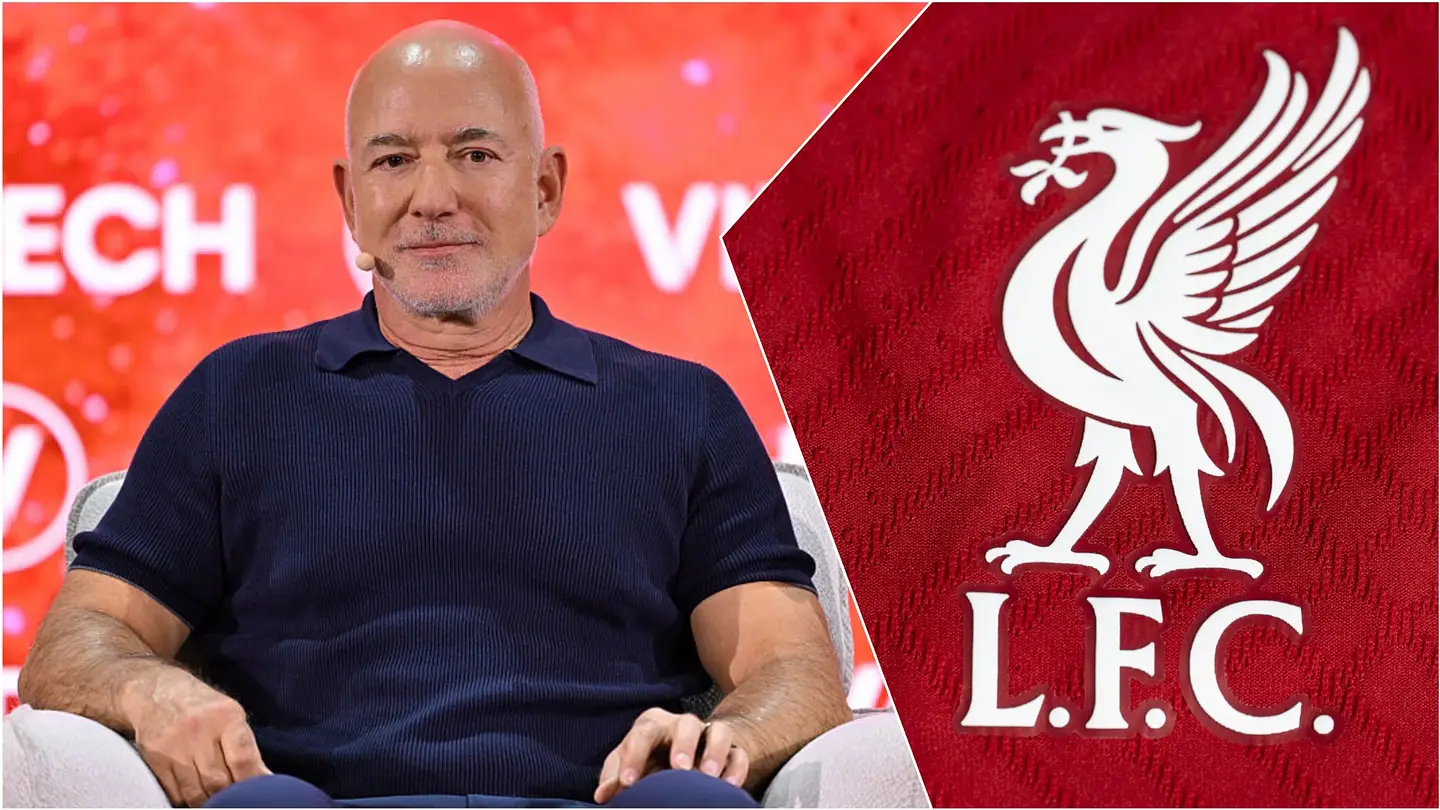
Are you missing soccer? It's been a month now since the World Cup ended, but English football is back this week. The Premier League season kicks off Friday with defending champions Arsenal taking on Coventry City.Meanwhile, Jeff Bezos, the billionaire founder of Amazon, is wading into the sport. He’s the latest American investor to buy a stake in a team — he’s now part of a group that purchased more than a third of Liverpool Football Club.For more on that, “Marketplace Morning Report” host Kimberly Adams spoke with Andrés Martinez. He's co-director of The Great Game Lab at Arizona State University’s Walter Cronkite School of Journalism and Mass Communication, which explores how sports connect the U.S. to the rest of the world.The following is an edited transcript of their conversation.Kimberly Adams: Jeff Bezos is part of a group of investors that bought about one-third of Liverpool. Why is this somewhere that Bezos would want to park his money?Andrés Martinez: I think Jeff Bezos is — I mean, he's clearly not alone. The English Premier League is the most globalized sports league on the planet, with TV rights in 189 countries and counting. We saw the reach of the World Cup this summer. The final of that was watched by more people on American television than have ever watched a baseball game or a basketball game. Last year was the first season in the English Premier League where a majority of the clubs were owned by Americans. So Jeff Bezos, if anything, is a bit late to this party.Adams: How good of an investment is it, though?Martinez: Well, you know, you look at the valuations for these sports teams. I mean, just a few days ago, we found out that the Lakers were being sold in our NBA for $12.5 billion, and you have to question the rationality of that. But sports teams are rare assets. I mean, it's like beachfront property or a van Gogh painting. There are only so many, and there's such status that's conferred by owning them that they're really worth as much as the next willing, eager bidder is willing to pay for them.And interestingly enough, these English football clubs seem like a relatively good deal, even in this very frothy market. I mean, the Liverpool valuation with this latest deal is pegged at about $7 billion — a little bit over half the price of the Lakers. The Seahawks, in the NFL, recently were sold for close to $10 billion. And Liverpool has a reach that is probably 15, 20, times greater than the Seahawks in terms of its global footprint and followers.Adams: And what do all the Brits think about all this American ownership of their football teams?Martinez: For the English, football is, you know, one of their greatest exports. And I was really struck by the radical globalization and opening to the best players, the best coaches, and the deepest-pocketed owners from the outside world, in the 15, 20 years — at a time when, in other areas of life, we were rethinking — and certainly they were rethinking — globalization. You know, Brexit and so forth. At the risk of generalizing, I think now people over there are more comfortable with the idea that Americans do bring a certain commercial savvy to the running of clubs, which isn't always a bad thing, in the sense that American ownership in general are pressing for more sustainability.
Why would Jeff Bezos want to buy an English football team?
The billionaire founder of Amazon is now part of a group that owns a minority stake in Liverpool.
573 words~3 min read