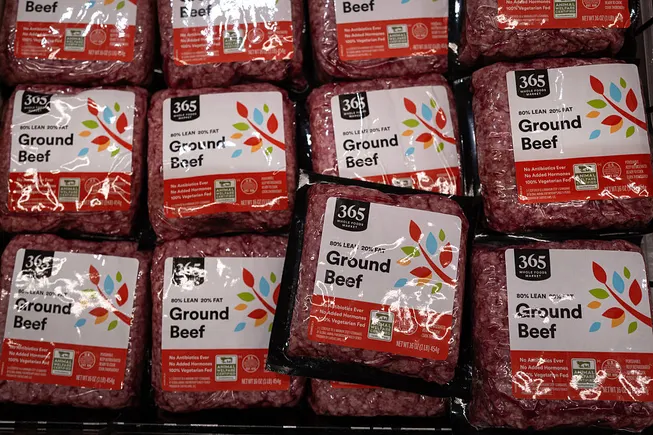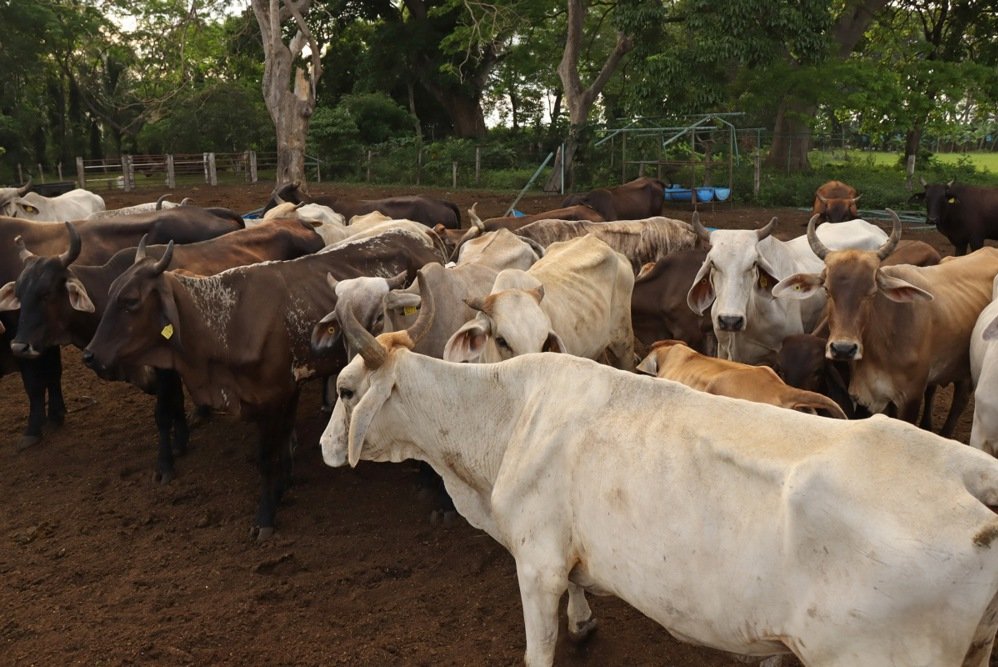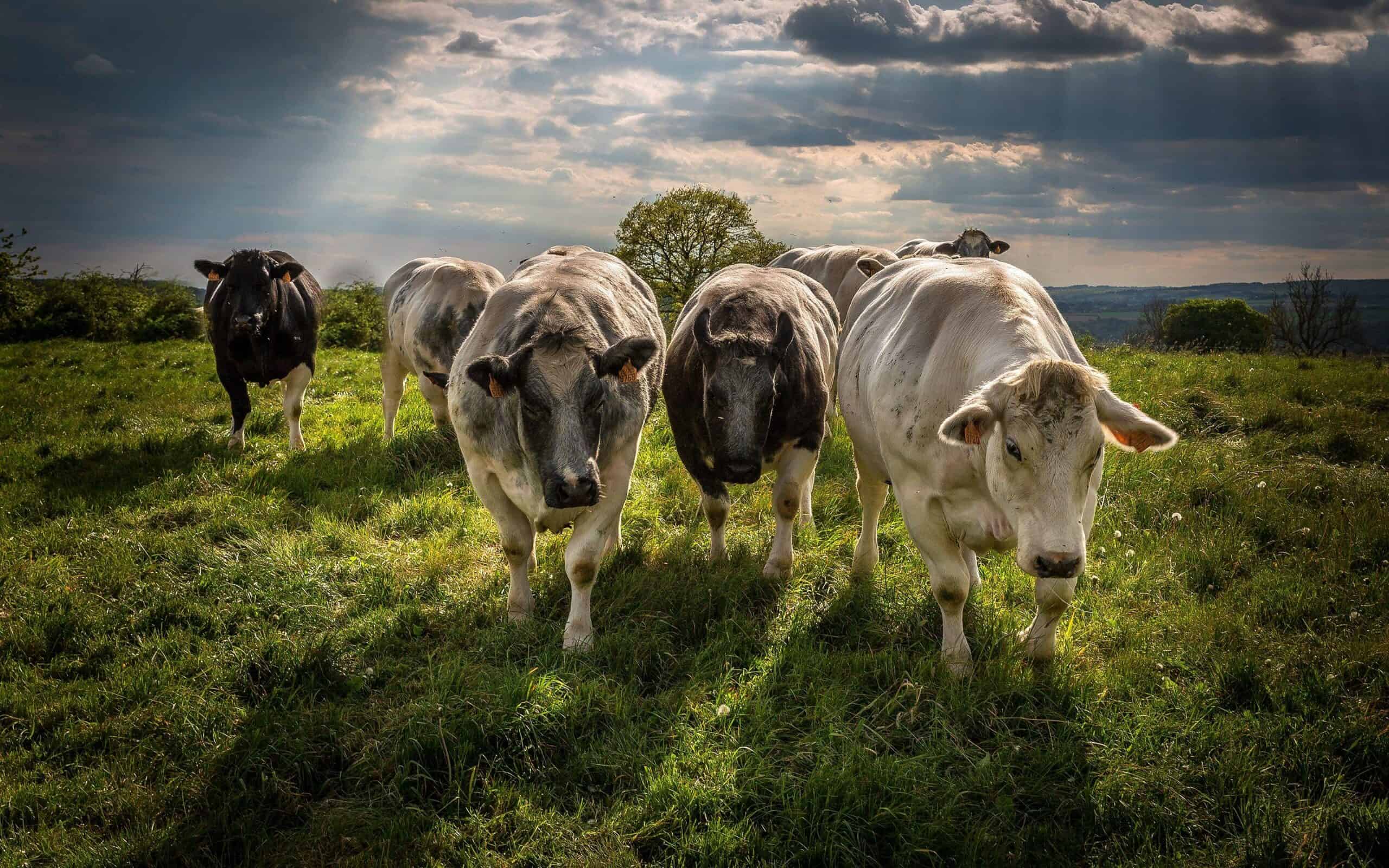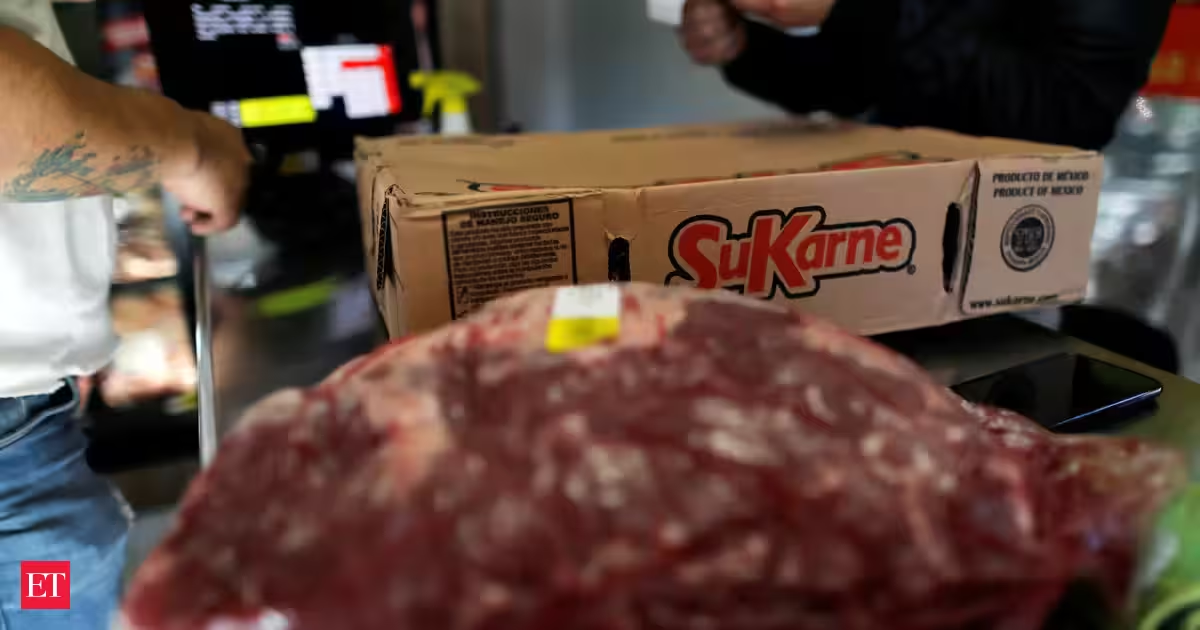
Tyson Foods is shutting down two beef facilities and cutting more than 3,200 jobs as the US cattle supply crisis continues to squeeze the meat-processing industry. Tyson Foods is making another major move to shrink and restructure its beef business as the United States faces one of its most severe cattle shortages in decades.The meat giant is ending operations at its beef facility in Joslin, Illinois, and its case-ready beef facility in Eagle Mountain, Utah. The closures are expected to affect about 3,200 workers combined. Tyson is also seeking a buyer for its beef facility in Pasco, Washington.The latest cuts come only months after Tyson shut down its large beef plant in Lexington, Nebraska, where about 3,200 workers were employed.ALSO READ:Jeff Bezos’ ex-wife MacKenzie Scott, who sold half of her Amazon stake, helped erase $40 billion in medical debt with $100 million in donationsTyson Foods announces major beef restructuringTyson Foods announced the latest changes on August 13 as it looks to build what it describes as a more efficient beef-processing network. The company plans to concentrate its beef operations around facilities in Dakota City, Nebraska; Holcomb, Kansas; and Amarillo, Texas. Production capacity from the Illinois and Utah facilities will be shifted to other locations.Tyson said the changes will allow it to maintain a similar level of cattle harvesting while operating through a smaller and more strategically located network. The company also expects to restart a second shift at its Amarillo facility when cattle supplies improve.Tyson said the decision is necessary because of historically tight cattle supplies and “to create a more competitive footprint amidst one of the most historic cattle shortages the country has ever experienced,” the company said in its announcement.ALSO READ: Europe’s youngest self-made billionaire: James Dacombe dropped out of high school at 17 to build his startup and now his wealth has crossed the $1 billion mark at 25More than 3,200 workers affectedThe Joslin facility, which employs thousands of people, was hit by layoffs following Tyson's announcement. The Eagle Mountain facility is expected to lay off up to 723 workers, according to a Worker Adjustment and Retraining Notification filing cited by TheStreet.Workers at the Utah facility are expected to remain compensated through October 12, 2026, which is expected to be its final day of operations. Tyson said affected employees can apply for available jobs at other company facilities.ALSO READ: Jeff Dean, whose Google exit wiped out nearly $200 billion in a day, has this advice for Gen Z entering AIThe impact extends beyond Tyson employees. Meat-processing plants are major employers in many rural communities, meaning closures can affect cattle producers, local businesses and surrounding economies.Colin Woodall, CEO of the National Cattlemen’s Beef Association, said the Joslin facility had long been important to the region.“NCBA is troubled by the closure of the Joslin beef processing facility. For many years, the plant has played a vital role in the Midwest beef supply chain, and its closure will significantly impact cattle producers, employees, and rural communities across the region,” Woodall said.US cattle shortage is driving the crisisThe latest Tyson Foods closures come as the US cattle herd sits at a nearly 75-year low. The nation's cattle inventory was about 86.2 million head as of January 1, 2026, according to USDA data cited by TheStreet.ALSO READ: 18-year-old California student wins $40,000 in prestigious Regeneron science competition for machine-learning program that could help physicists better understand particle collisionsA prolonged drought has reduced grazing availability, while disruptions involving cattle imports from Mexico have added further pressure to an already tight supply chain.At the same time, cattle costs have risen sharply for meat processors. Tyson has warned that its beef business could post an adjusted operating loss of $500 million to $650 million in fiscal 2026, significantly higher than its previous forecast.The shortage is also being felt by consumers. The average retail price of lean and extra-lean ground beef reached a record $8.65 per pound in June, according to federal data cited by Reuters.Tyson Foods cuts beef footprintThe closures show how deeply the cattle shortage is reshaping America's beef industry.Tyson is not simply eliminating capacity. Instead, the company is moving production toward facilities it believes can operate more efficiently and expanding operations in Amarillo when cattle become available.“Tyson Foods’ Pasco, Washington, beef processing facility is also critical for cattle producers in the Northwest, and we appreciate the company’s commitment to seek a buyer rather than pursuing an outright closure,” Woodall said.For workers and cattle producers, however, the restructuring highlights the growing economic consequences of America's shrinking cattle herd. And with supply constraints expected to persist, Tyson Foods' latest plant closures may be another sign that the beef industry's difficult period is far from over.
Tyson Foods closes beef plants in Joslin, Illinois and Utah, lays off over 3,200 workers as historic US cattle shortage hits meat giant hard
Tyson Foods is closing its beef plants in Joslin, Illinois, and Eagle Mountain, Utah, affecting more than 3,200 workers as a historic US cattle shortage squeezes the meat industry. The company is restructuring its beef operations amid record cattle prices and tight supplies. With these changes, the company will ramp back up a second shift at its Amarillo, Texas facility as cattle become available.
780 words~4 min read