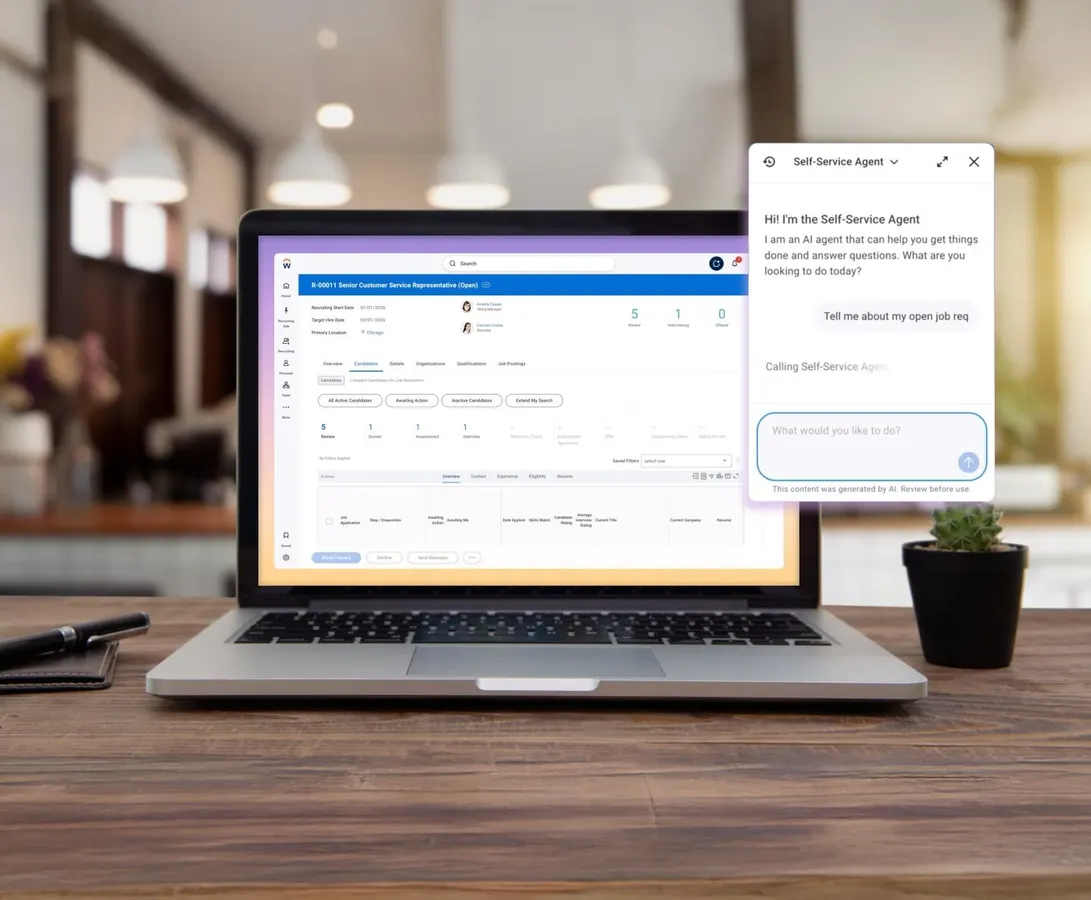
Olufunsho Peters is the CEO of INFINION Technologies.gettyI’ve noticed there’s a lot of hype around AI in the business world—excitement about what the technology can do, such as automating workflows and predicting sales trends. But hype about AI’s exciting possibilities is one thing. Practical implementation of AI is another. This is what I refer to as the “math” of AI implementation. For small to medium-sized businesses (SMBs), practical AI implementation that increases productivity is arguably especially important, as they may have tighter time and budget constraints. The Groundwork That Should Come Before AI Implementation Whatever use case(s) leaders of SMBs have in mind for AI, the groundwork has to come before implementation. One foundational factor leaders should focus on is their end goal for using it. What specific problems do they want to solve? What outcomes do they want? AI adoption for the sake of adoption is, in my experience, unlikely to lead to success. It’s also important for leaders to home in on data, specifically, the quality and organization of the data that they feed into AI tools. Low-quality, unorganized data won’t yield good outputs. For example, if a retail business wants to use AI to automatically reorder inventory based on real-time demand, but its sales data is missing key details (such as which items were returned or which sales were duplicates from a system glitch) and housed across disconnected point-of-sale and warehouse systems that don't talk to each other, then the AI won't have an accurate source to work from and can generate inaccurate answers that lead to poor business decisions. Additionally, leaders should treat AI as a system, not a quick fix. AI implementation should be backed by strong infrastructure and maintenance. AI tools should be integrated with other business assets, such as data pipelines and software solutions. Leaders should carefully think through how AI fits into their existing technical setup. Four Key Ways That SMBs Can Use AI To Increase Productivity Based on my experience helping my company’s clients implement AI and implementing AI internally for my team, there are four key ways that I believe SMB leaders can use AI to increase productivity at their organizations. First, leaders can use AI to eliminate tedious manual tasks, such as data entry and routine follow-ups. For instance, if a real estate agency sends routine follow-ups to clients, AI integrated into its operational software can easily pull out the information needed, compile follow-up messages and send those messages to staff members for review, who can then send them to clients. Another example is a financial institution my team once worked with. The company needed to manually review customer information for loan prequalification purposes. The company already had an AI-powered chatbot but wasn’t leveraging it in the most strategic way. So, we helped them integrate that chatbot with some of their other technologies, which automated much of the review process and saved staff time. Leaders can also leverage AI for cross-platform communication, which can save their teams time and reduce issues such as siloed information and data errors. For example, AI agents that can communicate with both a company's ERP and CRM can automatically update a customer's order history in the CRM whenever a sale is logged in the ERP, ensuring sales and support teams work from the same data.Additionally, leaders can use AI as a virtual assistant across their companies. AI tools can handle high-frequency, repetitive administrative work, such as scheduling appointments and setting reminders. Finally, leaders can use AI to reduce friction for their employees and customers, such as handling common inquiries. For instance, internally at my company, employees can use an AI tool to ask policy and leave questions (such as how many vacation days they have left) and receive answers directly in the chat they have open. AI solutions can be deployed similarly on the customer side, such as an AI chatbot that answers customer questions across the different channels they use, such as social media and text message. Why Leaders Should Be Aware Of, And Address, The Risks That Come With Using AIImplementing AI has its risks, which can be said for other types of technology as well. Some common risks include compromised data security, the amplification of existing data errors and falling out of regulatory and compliance requirements. Leaders should be aware of those risks and others—and take steps to address them. For instance, they can encrypt their data, carefully review their data for any errors before feeding it into an AI tool and familiarize themselves with local data protection and AI regulations to ensure compliance. Taking these steps doesn’t guarantee that there won’t be any issues, but it can significantly reduce the likelihood. Routinely Tracking And Monitoring Results Is Vital After implementing an AI solution, leaders should track and monitor results to determine whether productivity gains are being achieved. Sometimes it may appear that AI is increasing productivity, but when you dig deeper, the numbers tell a different story. Even if the numbers show that AI is increasing productivity at an organization, that boost isn’t guaranteed to last. That’s why it’s vital for leaders to routinely track and monitor results. That way, if they notice the AI solutions they’ve implemented aren’t actually improving productivity on their teams, they can make the necessary adjustments to change course before the problem gets worse. Ultimately, AI implementation is not a magic solution. It’s a system that requires due diligence and the right strategy. When leaders of SMBs tackle the “math” of AI implementation, they stand to increase productivity at their organizations.Forbes Technology Council is an invitation-only community for world-class CIOs, CTOs and technology executives. Do I qualify?
A Pragmatic Framework For SMBs Leveraging AI To Move From Activity To True Productivity
Ultimately, AI implementation is not a magic solution. It’s a system that requires due diligence and the right strategy.
TL;DRAI
INFINION CEO presents pragmatic AI adoption for SMBs: data-first, clear goals, systemic integration—not technology theater. CIOs should treat AI as infrastructure requiring governance and compliance groundwork; most SMB failures stem from skipping these prerequisites.
942 words~4 min read