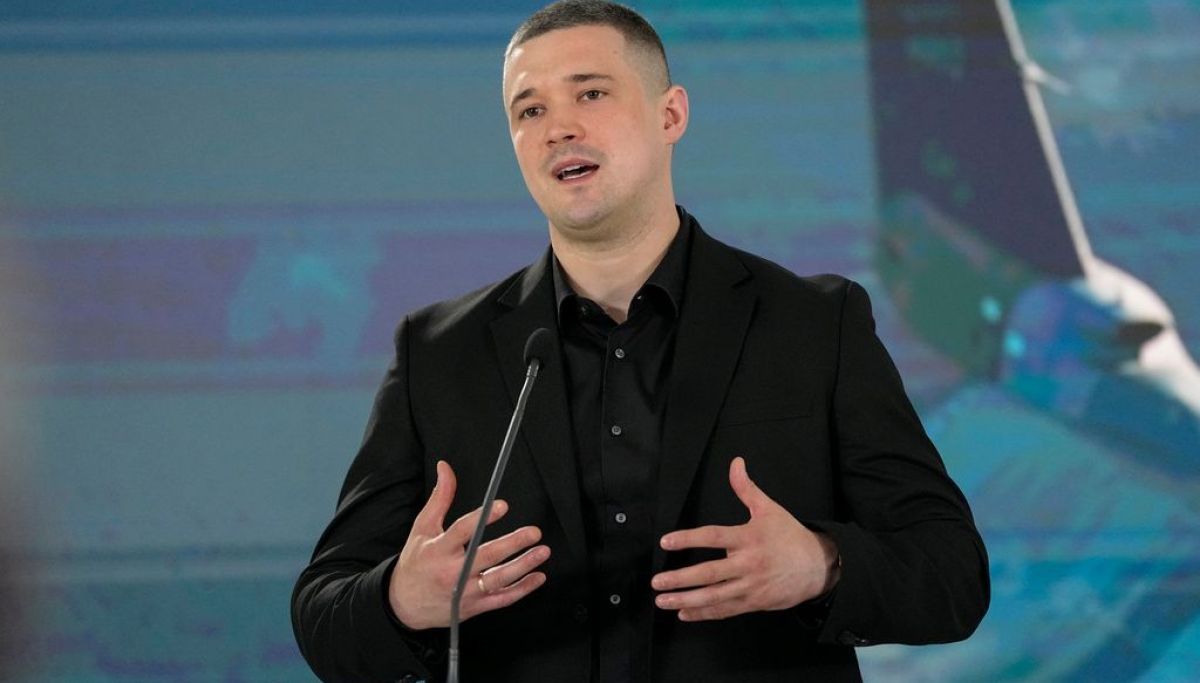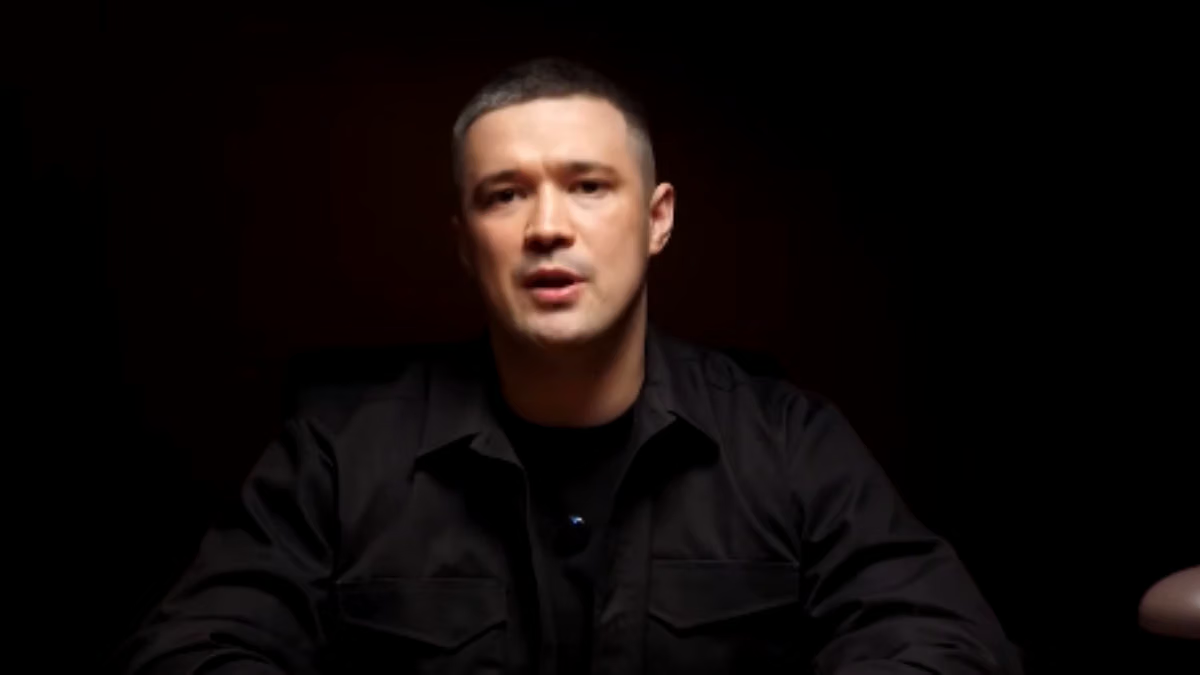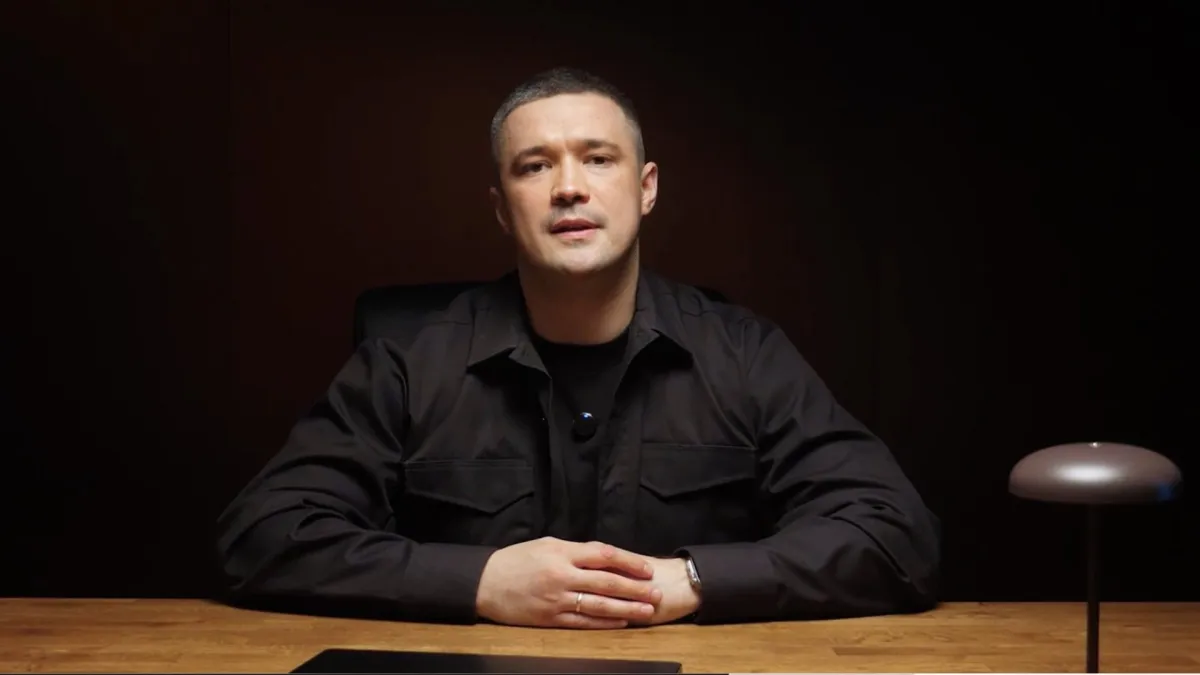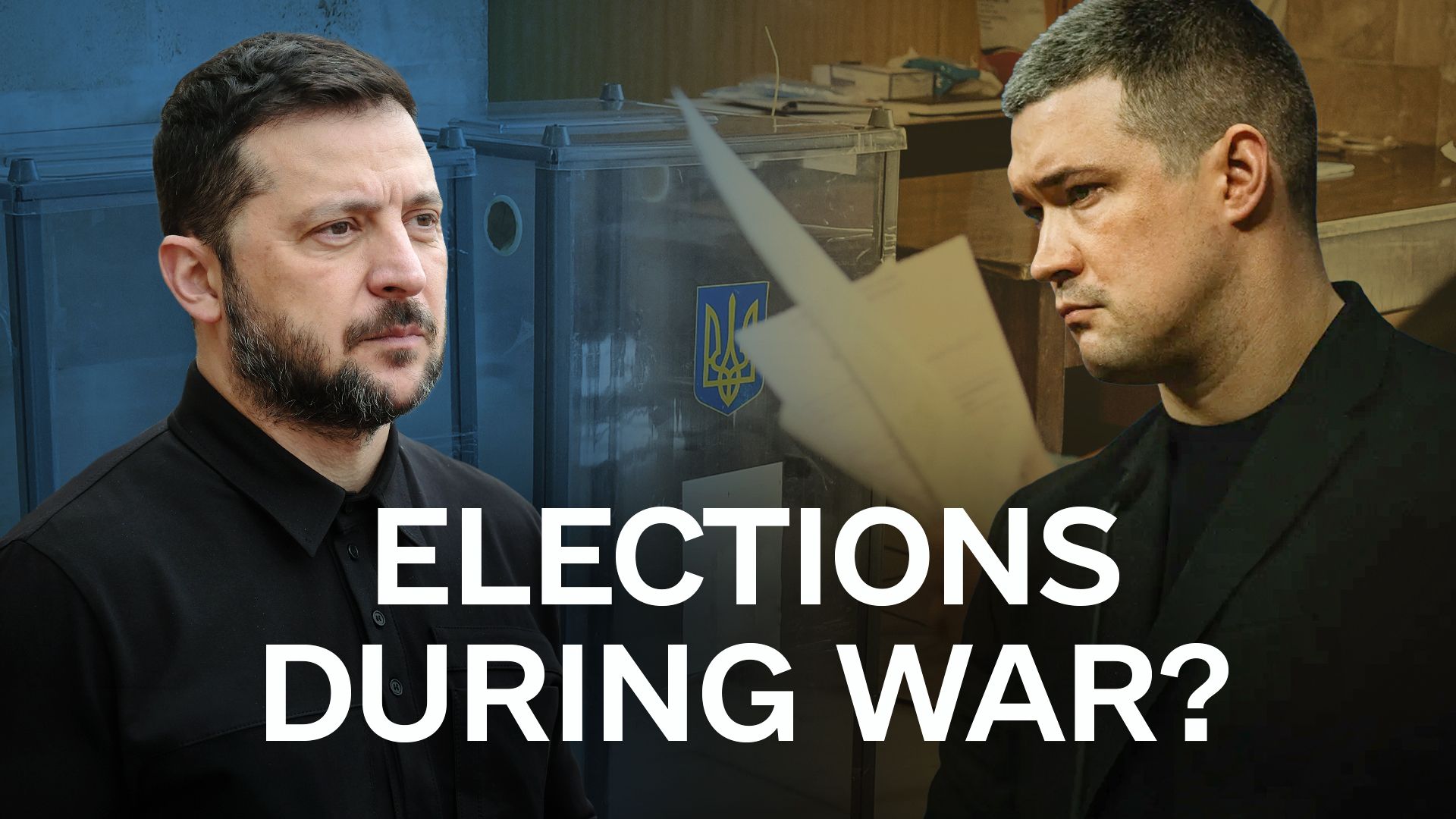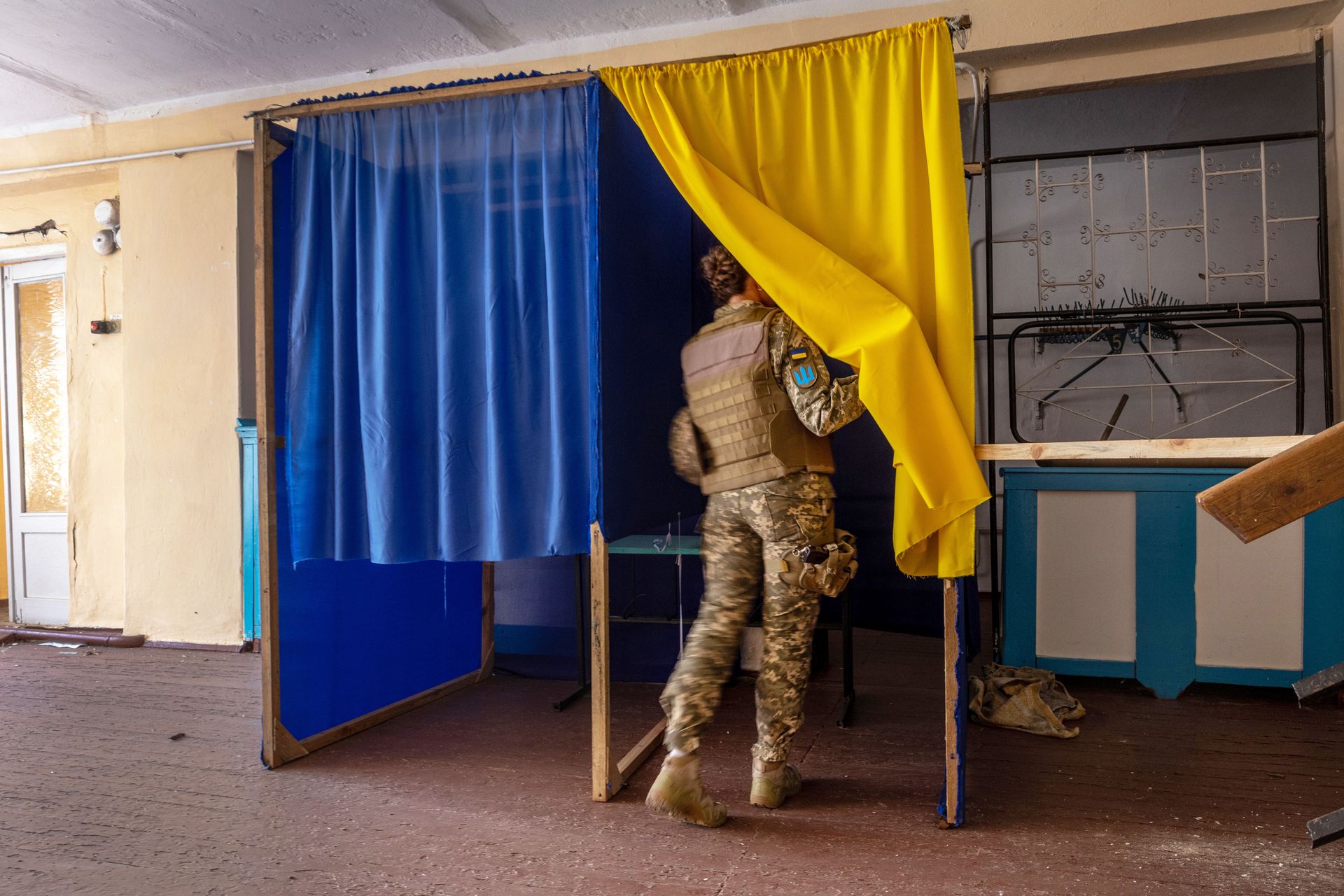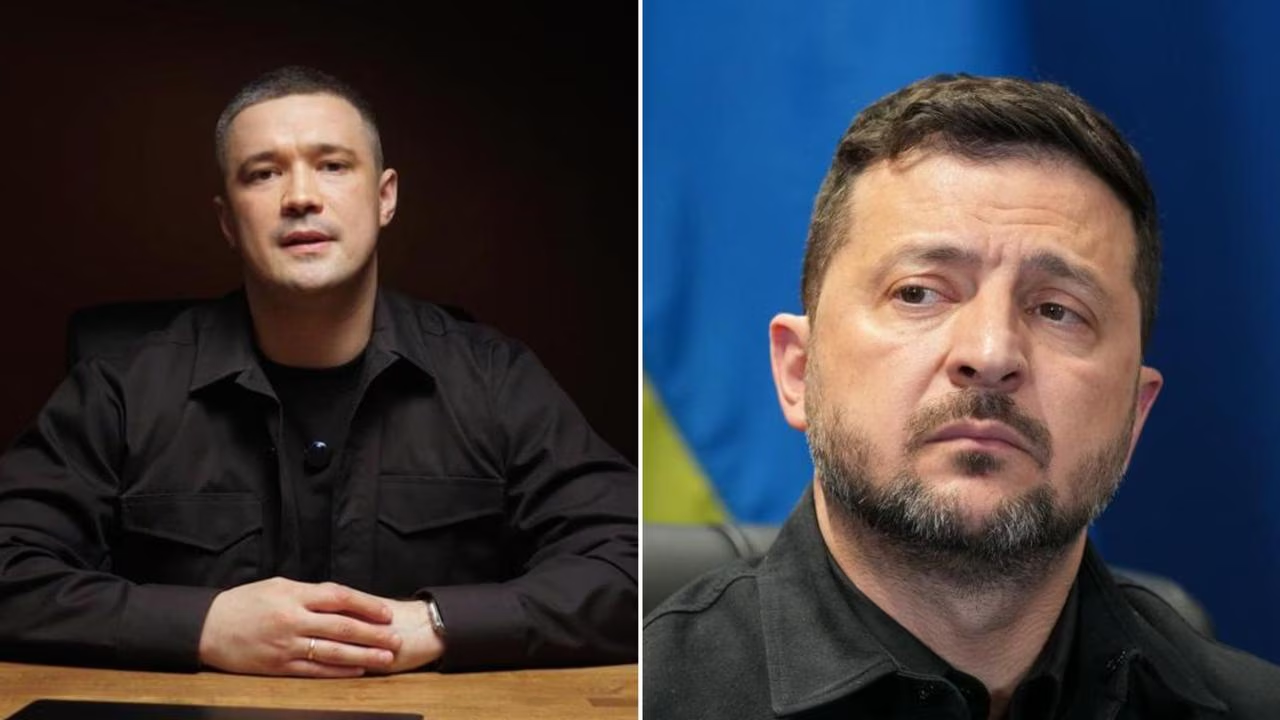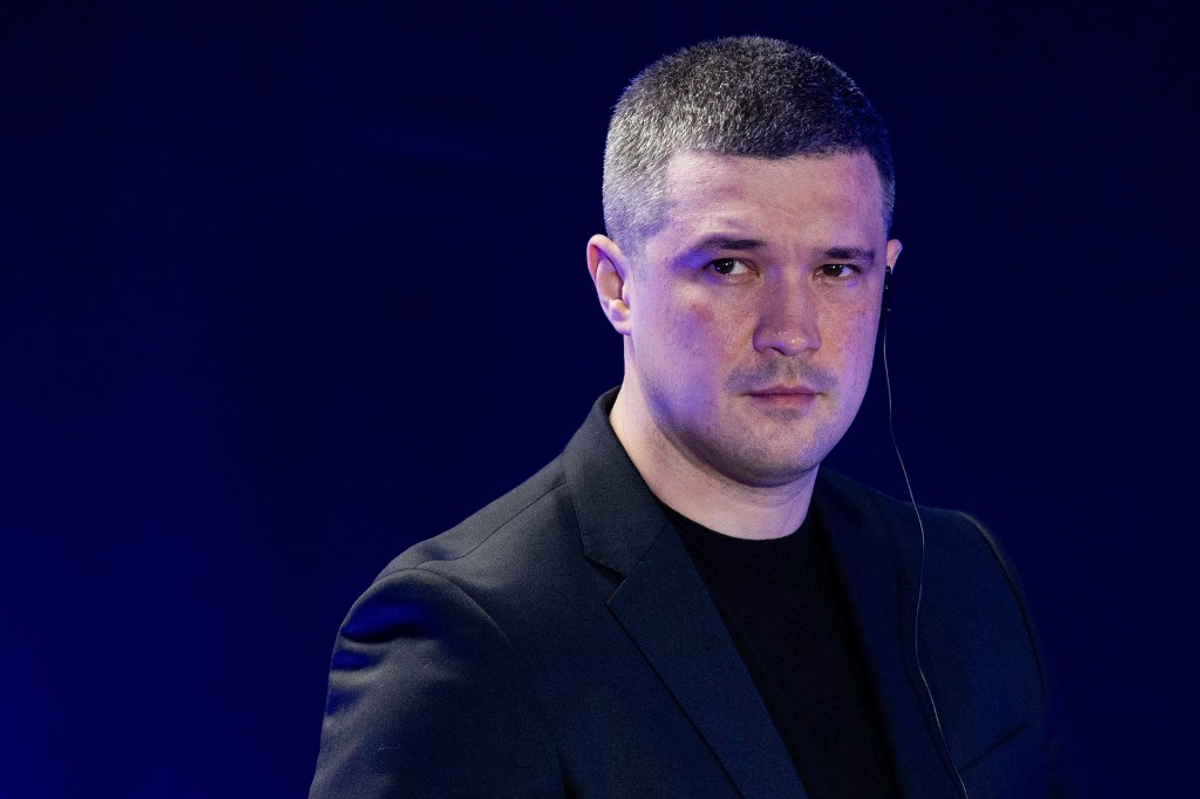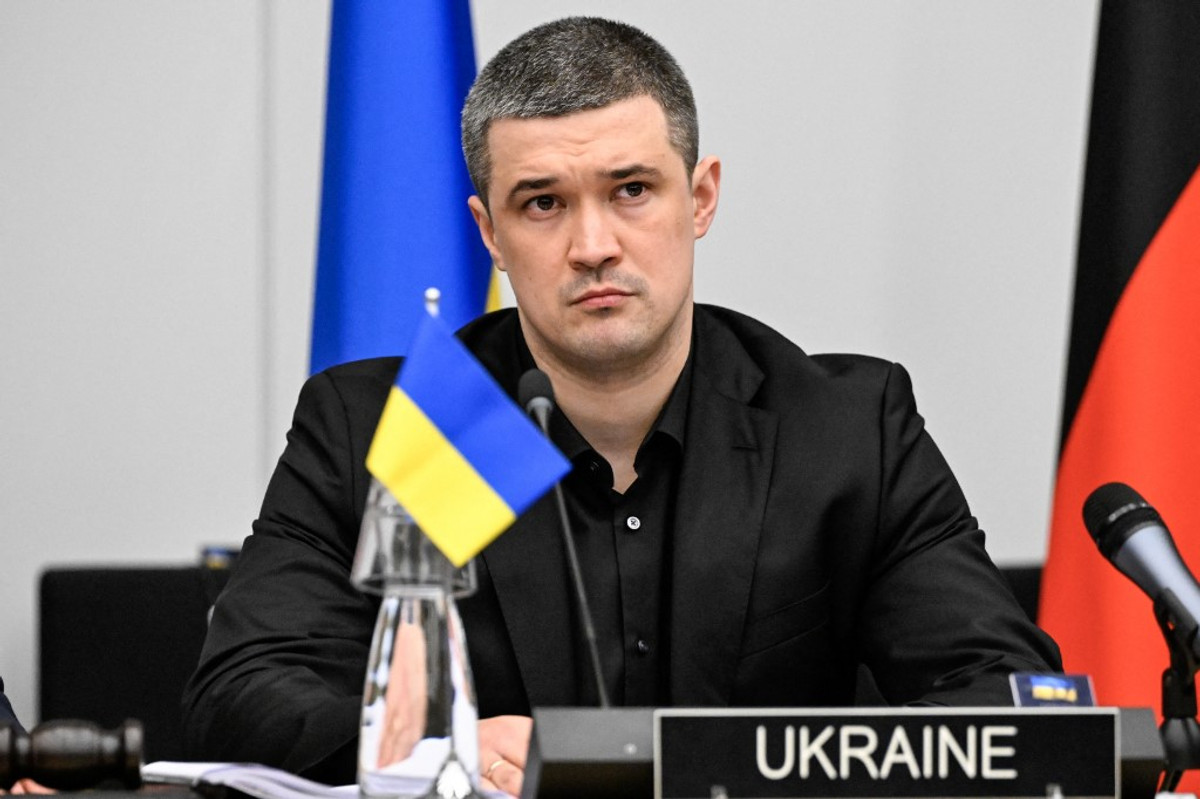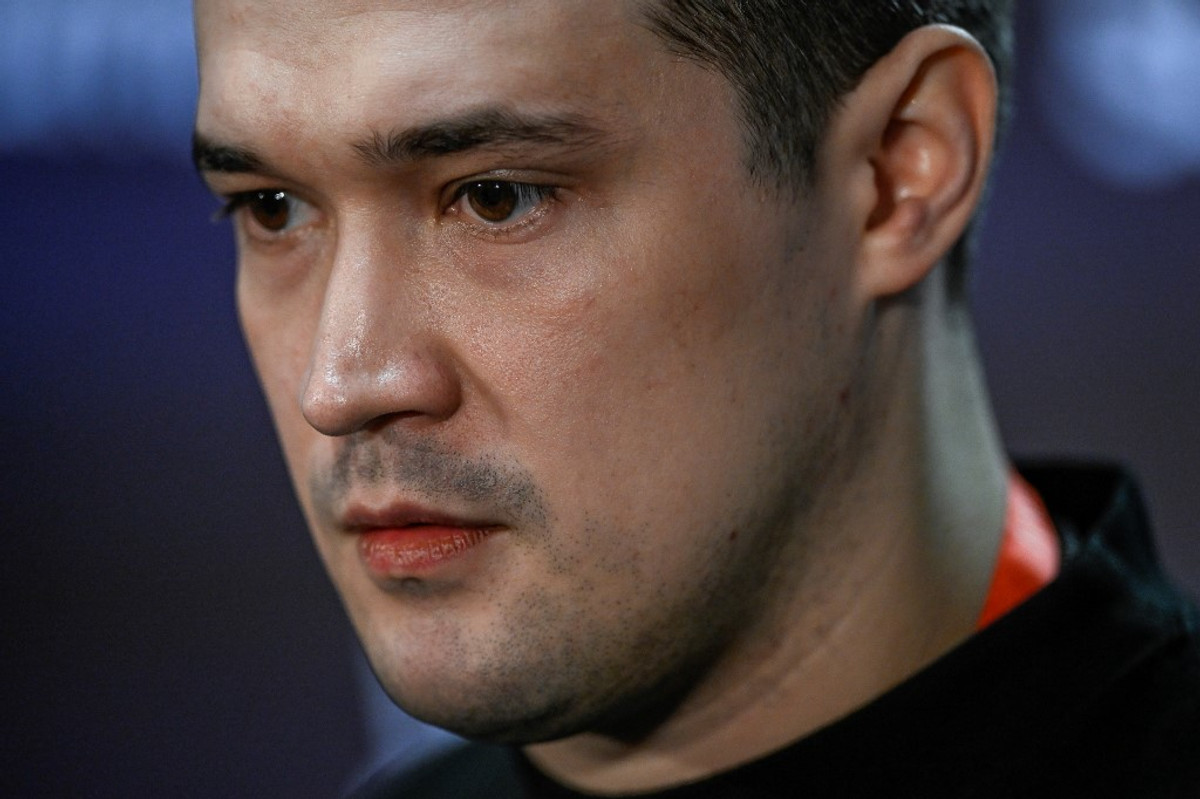
Mykhailo Fedorov has crossed a political line from which there is no easy return. In a nine-minute address on Aug. 18, the former defense minister described a “systemic crisis of governance,” denounced corruption and called on Ukraine to find a “legal, safe and realistic mechanism” for holding elections during a prolonged war.JOIN US ON TELEGRAMFollow our coverage of the war on the @Kyivpost_official. “Democracy cannot be held hostage by Russia,” he said. “We must not let [Russia President Vladimir] Putin decide when Ukrainians can choose their government.” For years, this argument came mainly from outside Ukraine. In Washington, it was promoted most persistently by leading Republican figures – from the late Sen. Lindsey Graham to US President Donald Trump and several Republican senators who supported Trump’s pressure on Kyiv. Fedorov has now brought that argument home, and he’s not alone in propounding it. From Zelensky’s digital architect to political challenger Fedorov was one of the people who helped make Zelensky president, running the social-media operation behind his 2019 campaign. Aged 28, he became the youngest minister in Ukrainian history and built his reputation around Diia and the promise of a “state in a smartphone.” After Russia launched its full-scale invasion, he became one of Ukraine’s earliest and most persistent advocates of drone warfare, helped secure Starlink access through his communication with SpaceX head Elon Musk and promoted the Army of Drones and Brave1 defense-technology cluster. When he became defense minister in January 2026, he promised to impose data-driven management on one of the country’s largest, most opaque and most expensive institutions.
From Trump to Fedorov: Ukraine’s Wartime Election Debate Comes Home
Calls for Ukraine to vote during the war were long promoted most insistently by Republican figures in Washington. Mykhailo Fedorov has now turned that external pressure into a domestic political challenge.
1,757 words~8 min read