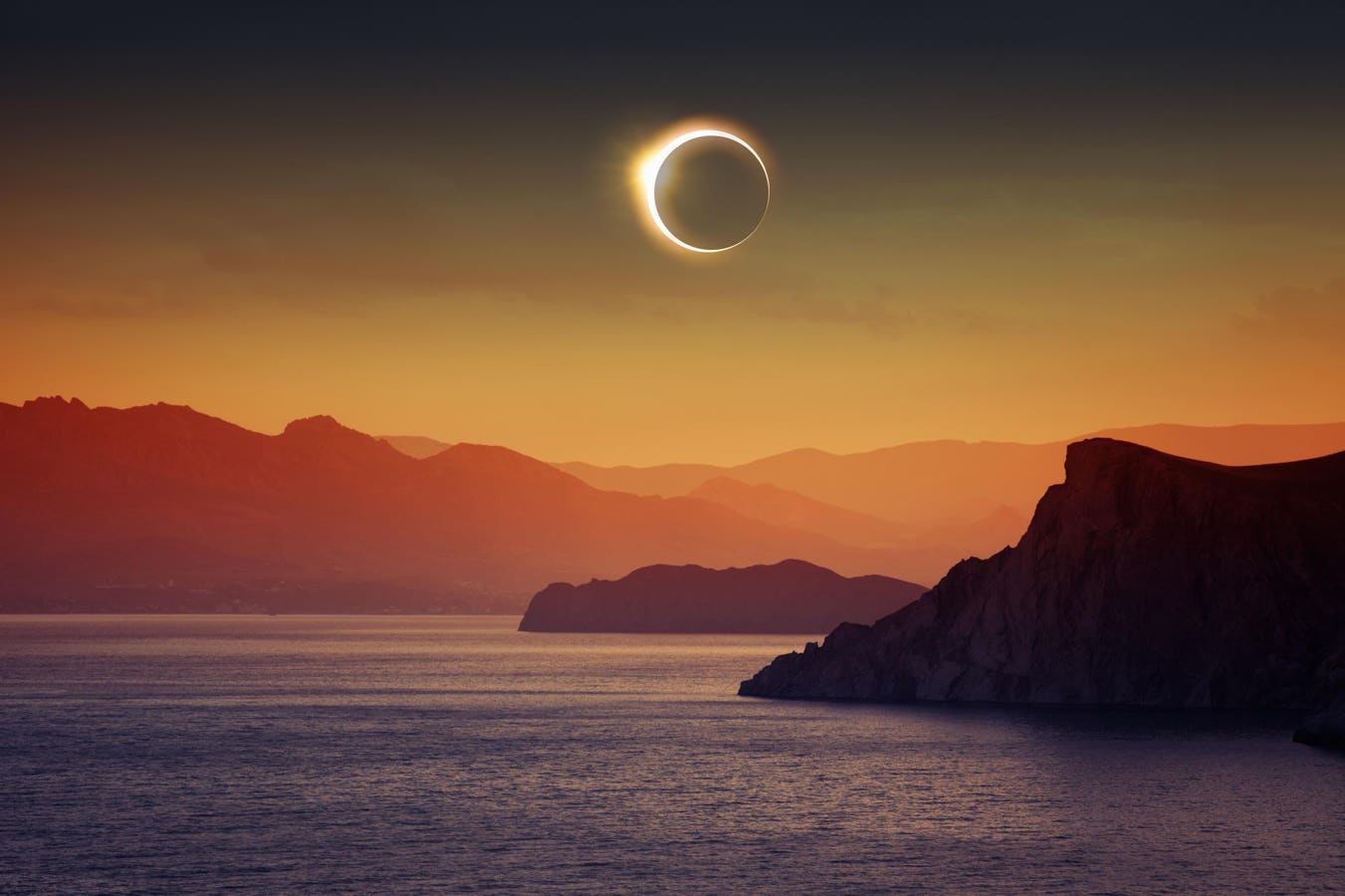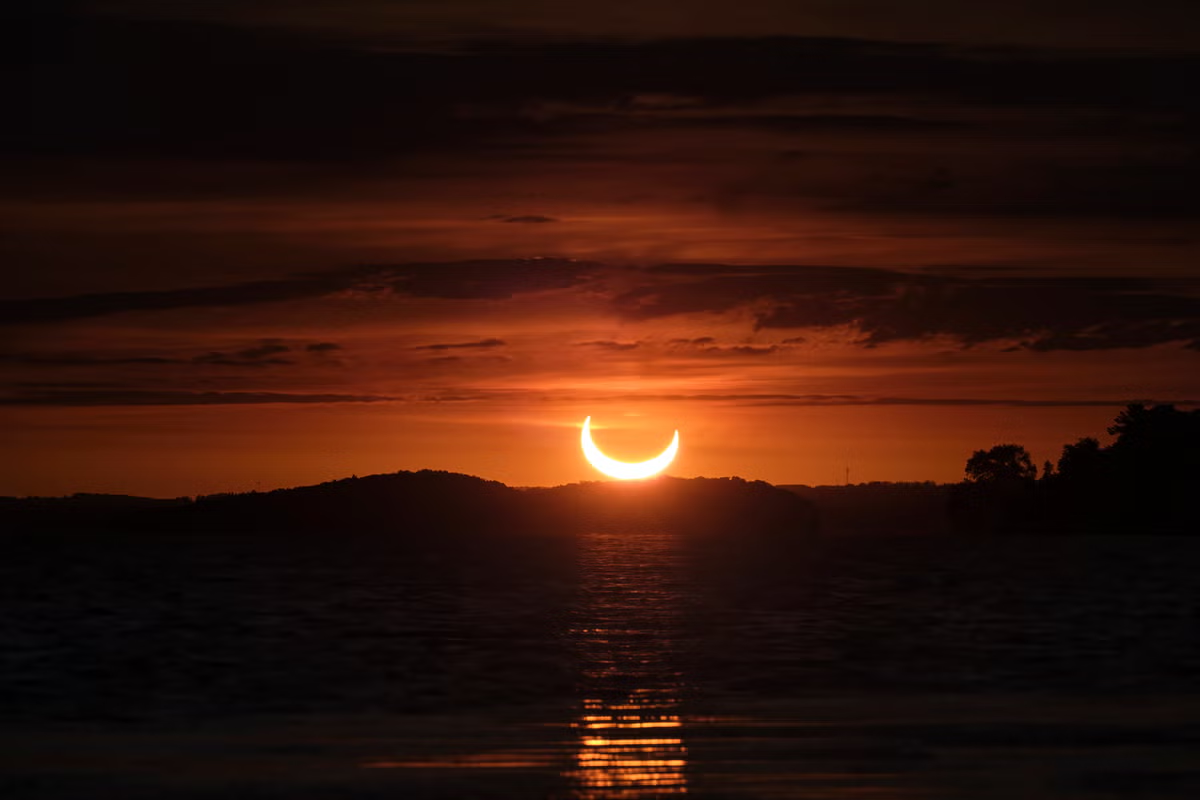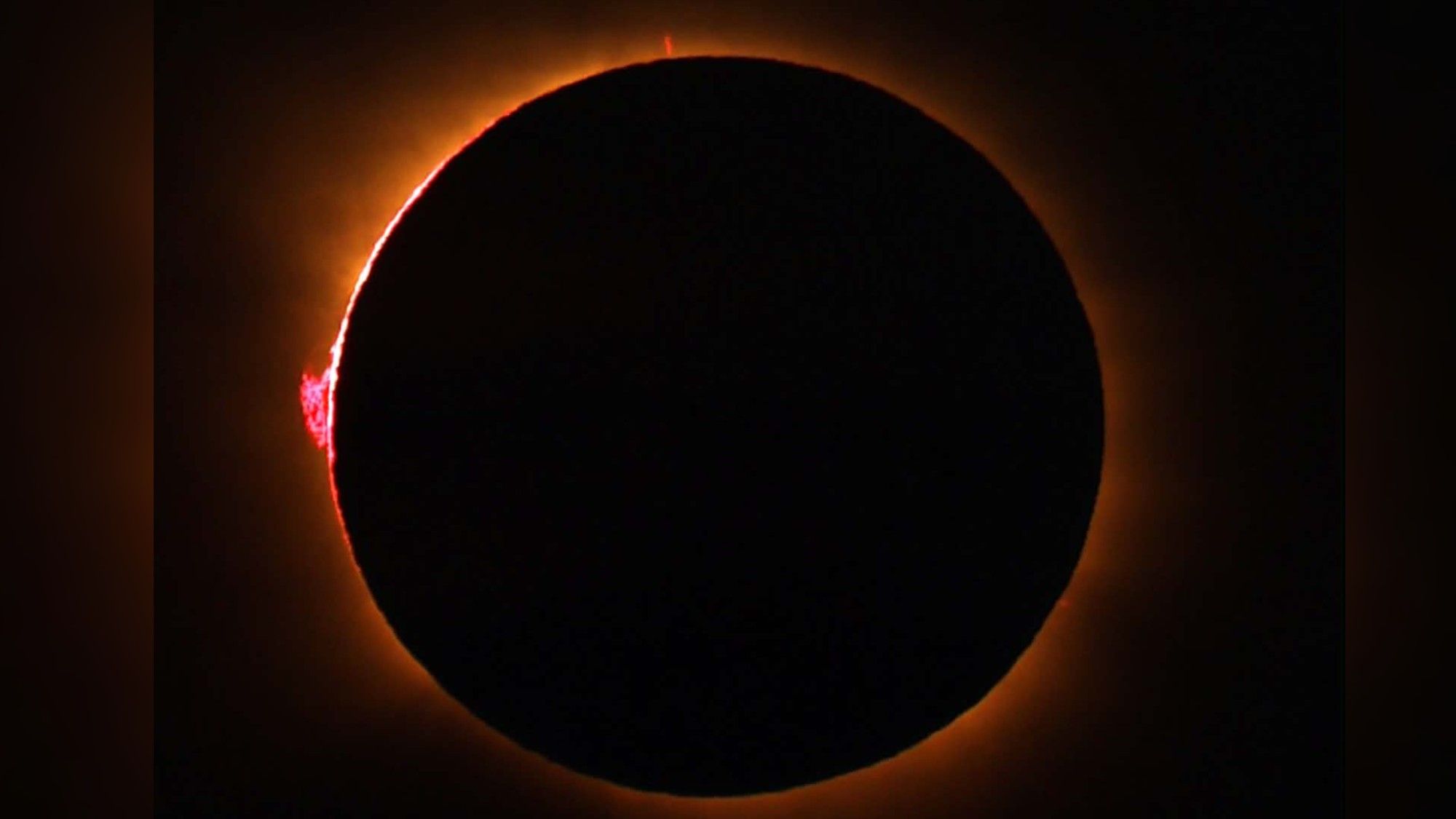
A brilliant red prominence appears on the limb of the sun during a total eclipse on Aug. 12, 2026 as seen from the cruise ship Le Boréal near the Balearic Islands.
(Image credit: Joe Rao)
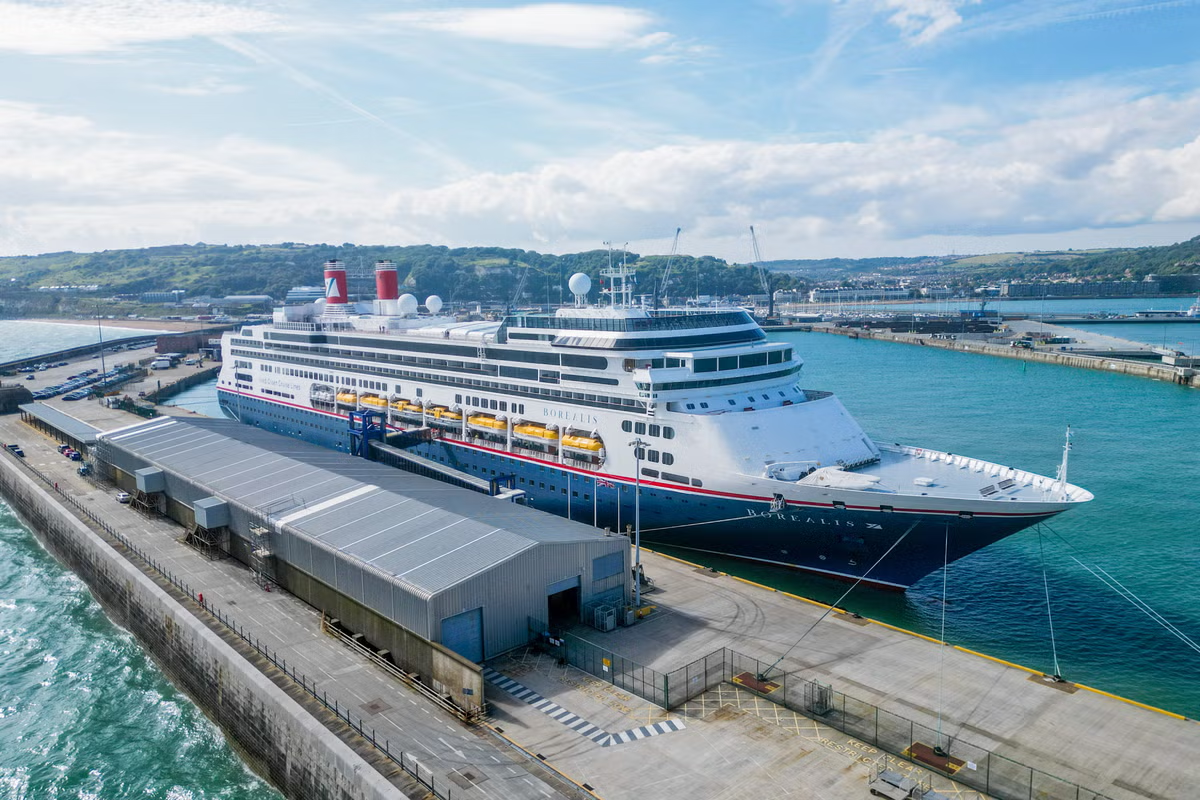
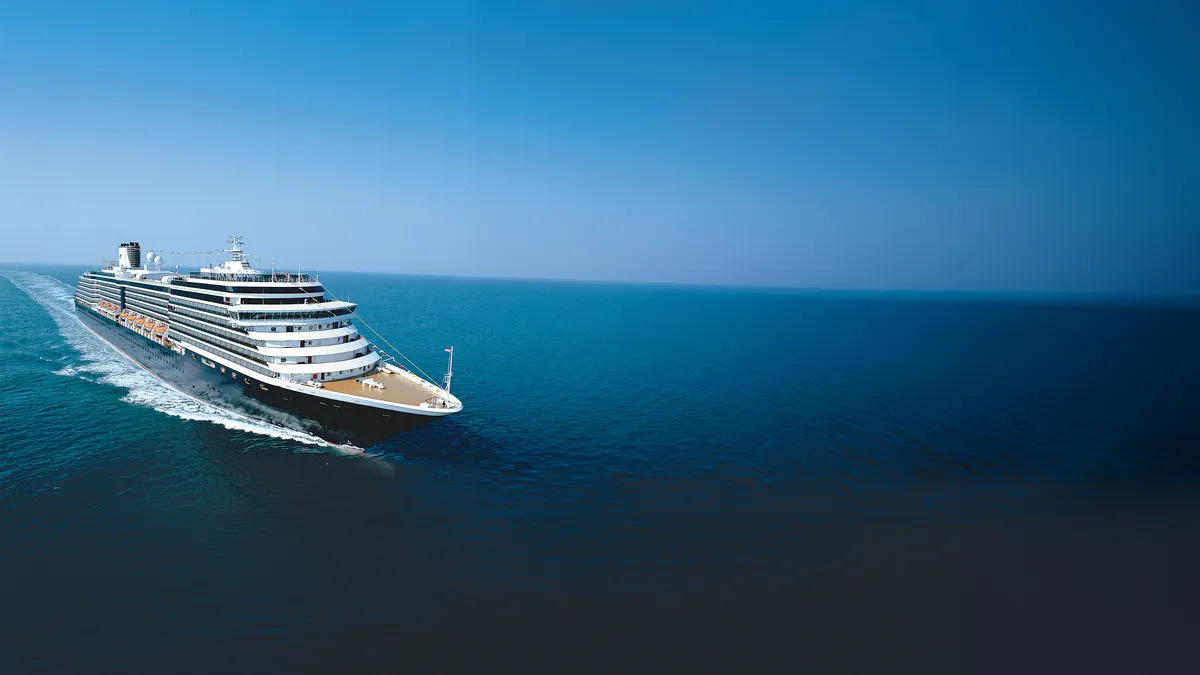
When the 11,000-ton cruise ship Le Boréal set sail from Nice, France, on Thursday, Aug. 6, its 205 passengers and 136 crew members began a voyage whose success would depend not only on careful planning, but also on the ship's ability to outmaneuver clouds at the last critical hour.The ship is owned and operated by the French cruise line Compagnie du Ponant. This eclipse cruise was the result of more than a year's planning by Ponant, and most of those who signed on were there specifically to witness the celestial spectacle; that shared purpose heightened the drama of the eclipse itself.This was going to be a sunset eclipse, with the sun no more than three degrees above the horizon. To picture that height, make a fist and hold it out at arm's length. Place the bottom of your fist on the horizon; the top of your fist measures about ten degrees. During totality, the sun would appear only about one-third of a fist-width above the horizon. Even if the sky overhead was clear, clouds could still gather near the horizon, leaving open the possibility that the sun might be hidden at the critical moment.I was on board Le Boréal as both a lecturer and the ship's onboard meteorologist. The main advantage of using a cruise ship to view an eclipse is its two-dimensional mobility, allowing it to maneuver around potential cloud cover. In practice, that meant working with Captain Mathieu Tsingrilaras to position Le Boréal on eclipse day in a location free of any clouds that might otherwise obscure the total eclipse.Although the Iberian Peninsula and the adjacent waters of the Balearic Sea — a body of water between mainland Spain's eastern coast and the Balearic Islands — typically enjoy warm, dry, clear weather in August, the circumstances of this eclipse could still prove problematic.