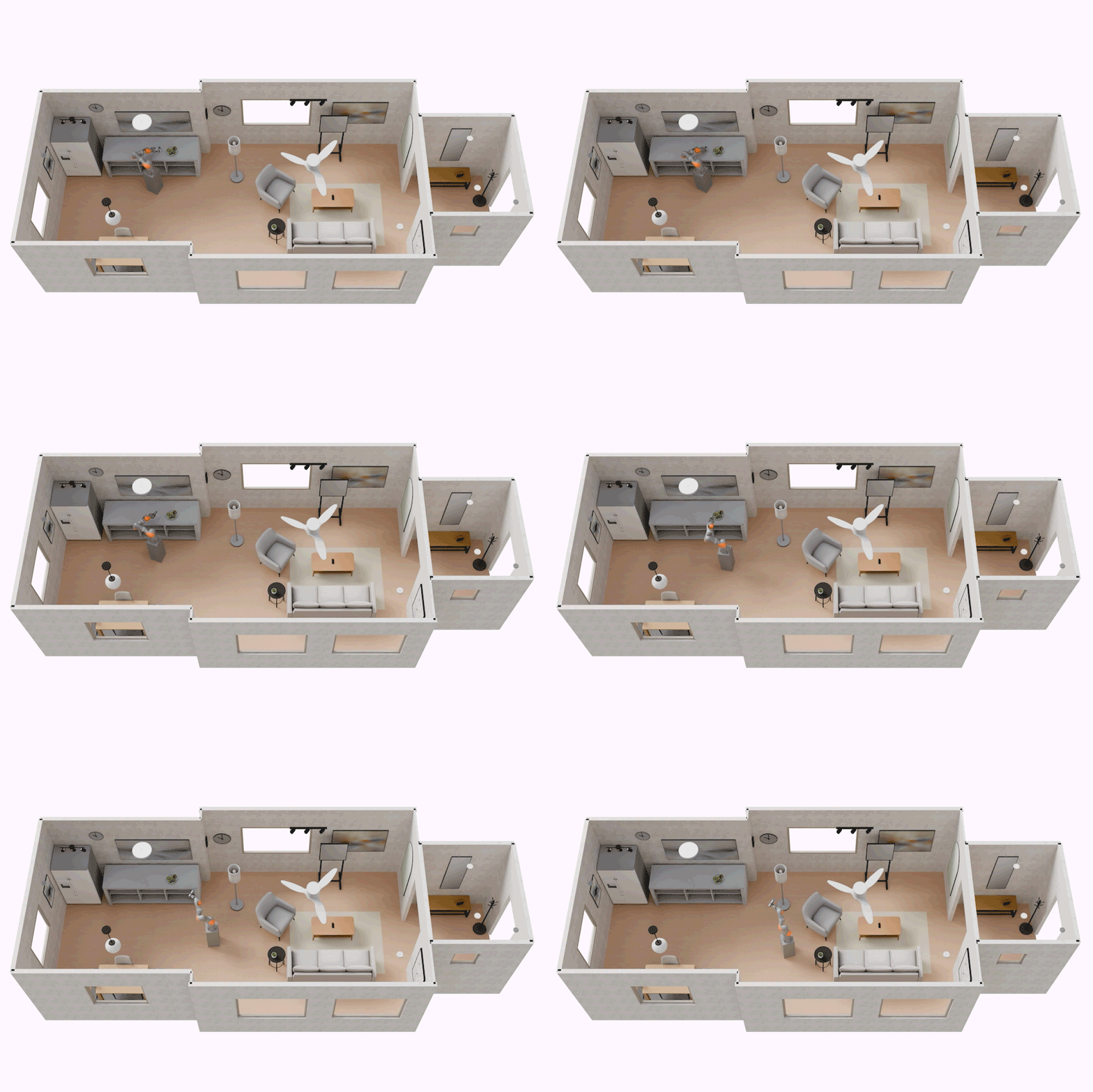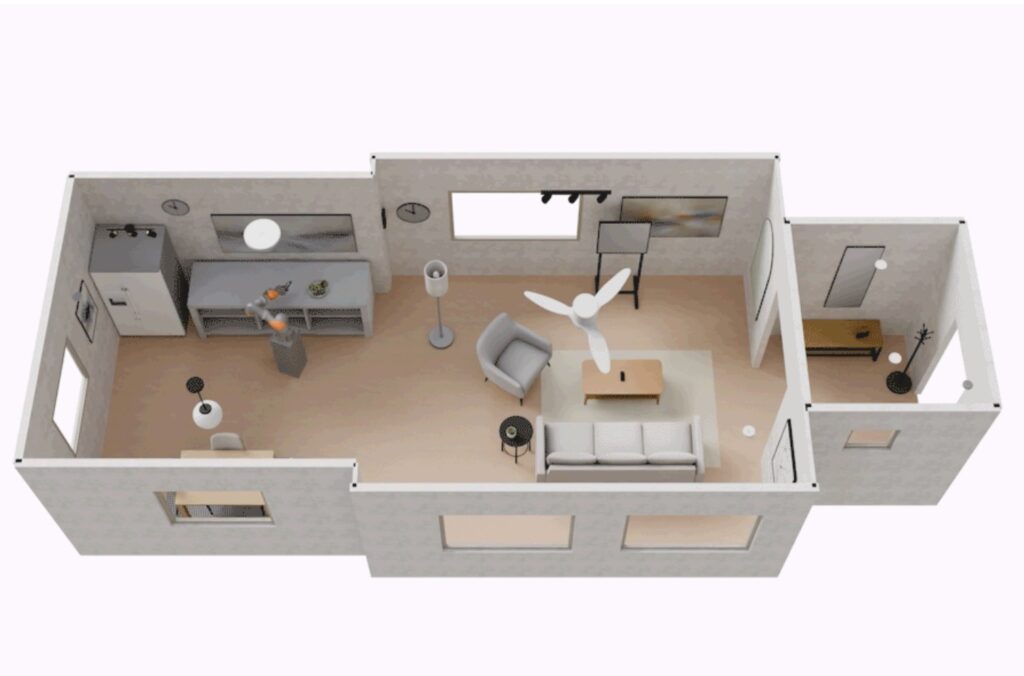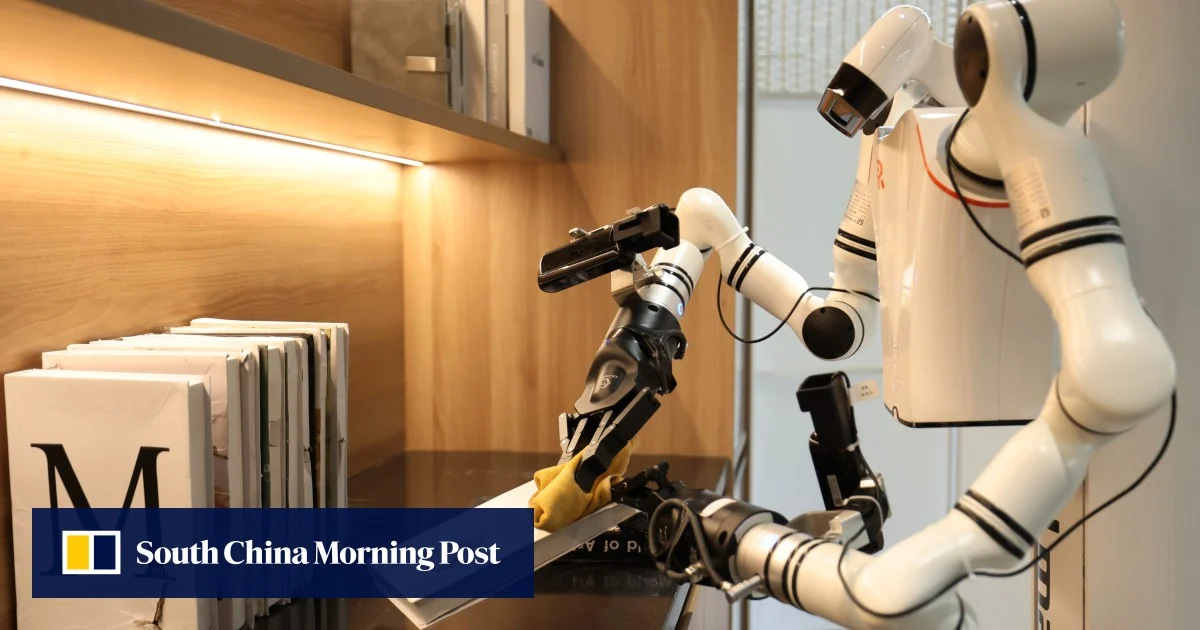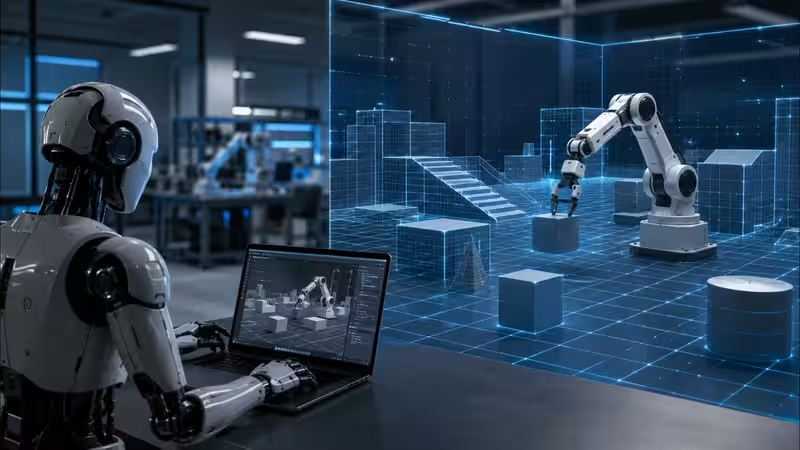
Robots could soon spend far more time practising in virtual worlds before they are deployed in real homes, factories and other environments. Researchers at MIT’s Computer Science and Artificial Intelligence Laboratory (CSAIL) and Toyota Research Institute have developed SceneSmith, a system that uses AI agents to automatically create detailed 3D environments where robots can practise tasks and test different action plans. The main idea behind this is to address one of the biggest challenges in robotics: Training robots with diverse data without physically teaching them every task in the real world.The ask here is simple, and what has been created is very interesting to see how it unfolds. Here is all that you need to know about this virtual world created by MIT’s AI agents:About The AuthorAarohy Kapoor is a dynamic content producer and editor, known for creating high-impact, consumer-first content across diverse categories including technology, home decor, health & fitness, food, pet care, sports and everyday lifestyle essentials. With a strong editorial experience and an understanding of modern consumer behaviour, she specialises in product reviews, comparison articles, buying guides and deal-led content that simplify decision-making for readers.
MIT’s AI Agents Create Virtual Worlds Where Robots Can Train Before Entering the Real World
MIT researchers have developed SceneSmith, an AI system that uses three collaborative AI agents to create realistic, simulation-ready 3D environments for robot training. The system can generate spaces with up to six times more objects than previous methods, allowing robots to practise everyday tasks virtually before operating in the real world. Here is how this will change the entire ecosystem of AI and robots in this world.
TL;DRAI
MIT e Toyota lanciano SceneSmith, AI che genera scenari virtuali 3D per robot: 1.300+ scene con 6x più oggetti dei metodi attuali. Risolve il bottleneck sim-to-real riducendo capex di training: impatto ROI automation industriale e logistica per CTO.
1,606 words~7 min read