Story audio is generated using AI
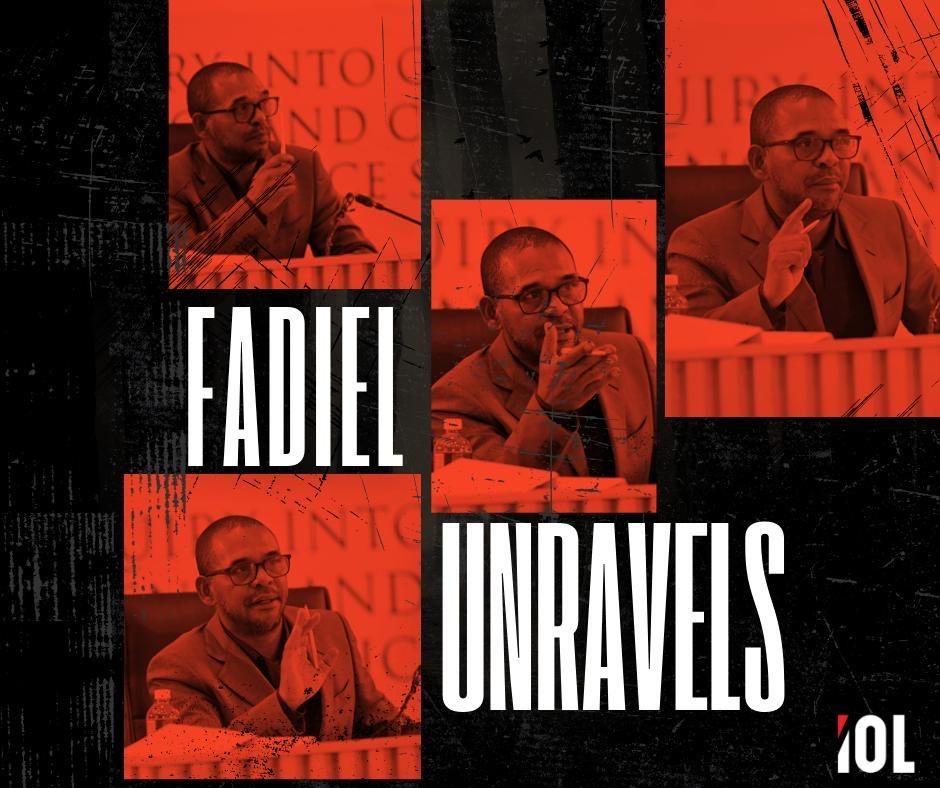
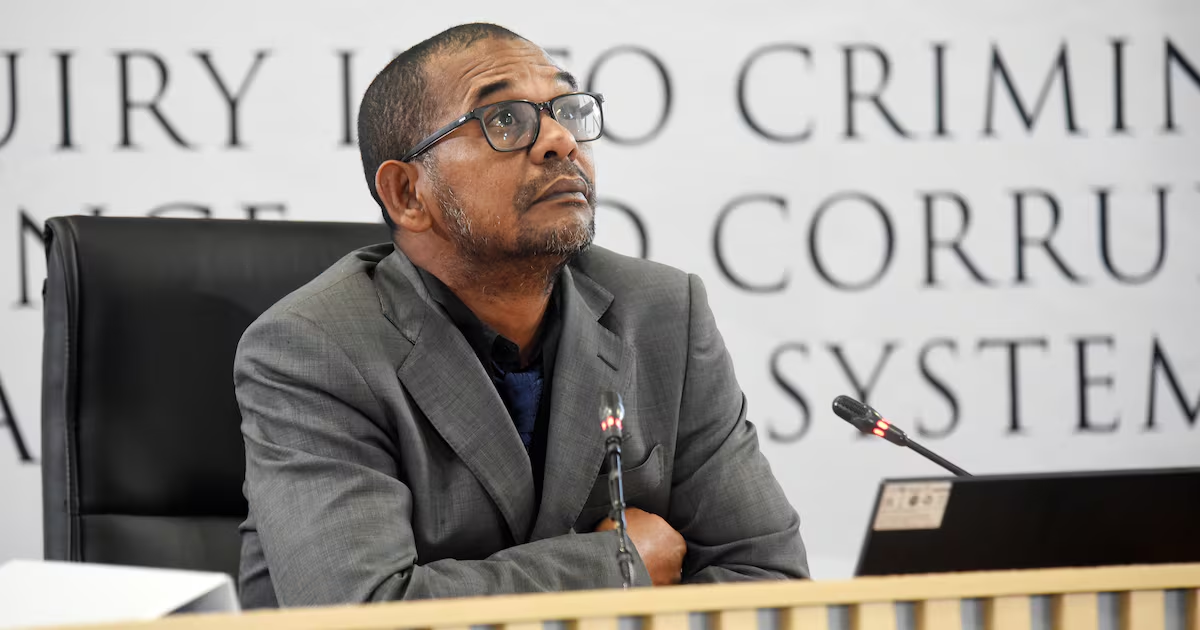
National Coloured Congress MP Fadiel Adams says his referral to the Investigating Directorate Against Corruption (Idac) included allegations about the KwaZulu-Natal political killings task team (PKTT) — a significant contradiction to evidence led before the Madlanga commission by Andrea Johnson.This suggests that the former head of Idac lied to the commission about the contents of the referral affidavit. Johnson told the commission that the section 27 referral did not include allegations about the task team and for months she publicly stated the directorate was not investigating the task team managed by police crime intelligence head Lt-Gen Dumisani Khumalo. Adams, as the main complainant in the directorate’s corruption investigation against Khumalo and other crime intelligence generals, told the commission his affidavit did include allegations of promotions of officers within the task team. Adams also alleged that crime intelligence funds were used for the task team. “I mentioned the PKTT,” Adams said. The affidavit submitted by Johnson, purported to be of Adams, did not include the allegations about the task team. This prompted questions from commissioners Mbuyiseli Madlanga, Sesi Baloyi and Sandile Khumalo about whether it was a “fabricated” affidavit.Adams told the commission he has opened a case against Idac and chief investigator Dylan Perumal on how the now-collapsed case against crime intelligence generals was handled.On Thursday he conceded he misled suspended police minister Senzo Mchunu by alleging that corruption case dockets, which he had opened against top crime intelligence officers in Gauteng, were intercepted and that police interfered with investigations hours after opening the cases. Adams opened cases against the top cops — including Khumalo, alleging he was involved in corruption — on October 29 2025 in Cape Town. On October 31 he opened the cases in Gauteng. On November 1 he wrote an email to Mchunu stating he was notified the dockets were intercepted in both provinces. He was asked by Madlanga commission of inquiry evidence leader Lee Segeels-Ncube why he wrote to Mchunu a day after opening the cases in Orlando, Gauteng, at a premature stage and without fact-checking with the relevant station. Adams pinned his actions on late anti-gang unit member Maj-Gen André Lincoln, who he said gave him the information that there was an attempt to intercept the dockets in Gauteng on the day they were opened. Lincoln was a veteran policeman who served in former president Nelson Mandela’s security team.Segeels-Ncube responded: “No, Mr Adams, you have the case number now. You cannot rely on a dead man every time. It is unacceptable.” Adams said he acted on the information hastily because in the Cape Flats, where he is from, murder dockets go missing. He said in his email he did not say there was an attempt to intercept the dockets in Gauteng but said “the Gauteng police department has followed the same modus operandi in the Western Cape and is interfering in the investigative process”. Baloyi said the email Adams sent to Mchunu did not reflect the truth. “All of it looks like a scheme generated to culminate the way it did at the Idac. It looks like a well-orchestrated scheme because your conduct does not make sense,” Baloyi said. She said as a “thinking” member of parliament it did not make sense for Adams not to ask a police officer, linked to Brown Mogotsi, who helped him open the case in Orlando. “For a lack of a better word, it stinks of machination,” Baloyi said. Khumalo said evidence before the commission suggested there was no interception of dockets. Adams conceded this.Adams’ two-day testimony at the commission has been dramatic. On Thursday a person close to him, Stuart Scharnick, was taken away by the police after threatening Sowetan journalist Herman Moloi at the commission. Moloi was taking a video of him and Adams talking during a tea break. Academic Brian William, a friend of Lincoln, in a statement on Thursday cast doubt on Adams’ testimony about the late top cop. “André held the utmost respect for Gen Nhlanhla Mkhwanazi. I also knew André to be a person who would never encourage or condone unlawful or unethical conduct,” Williams said.“I therefore reject any attempt to portray him as having encouraged, facilitated or endorsed unlawful or unethical conduct. “Gen André Lincoln deserves to be remembered and assessed based on the life he lived, the principles he upheld and the contribution he made to South Africa, rather than through allegations made after his death.”Business Day