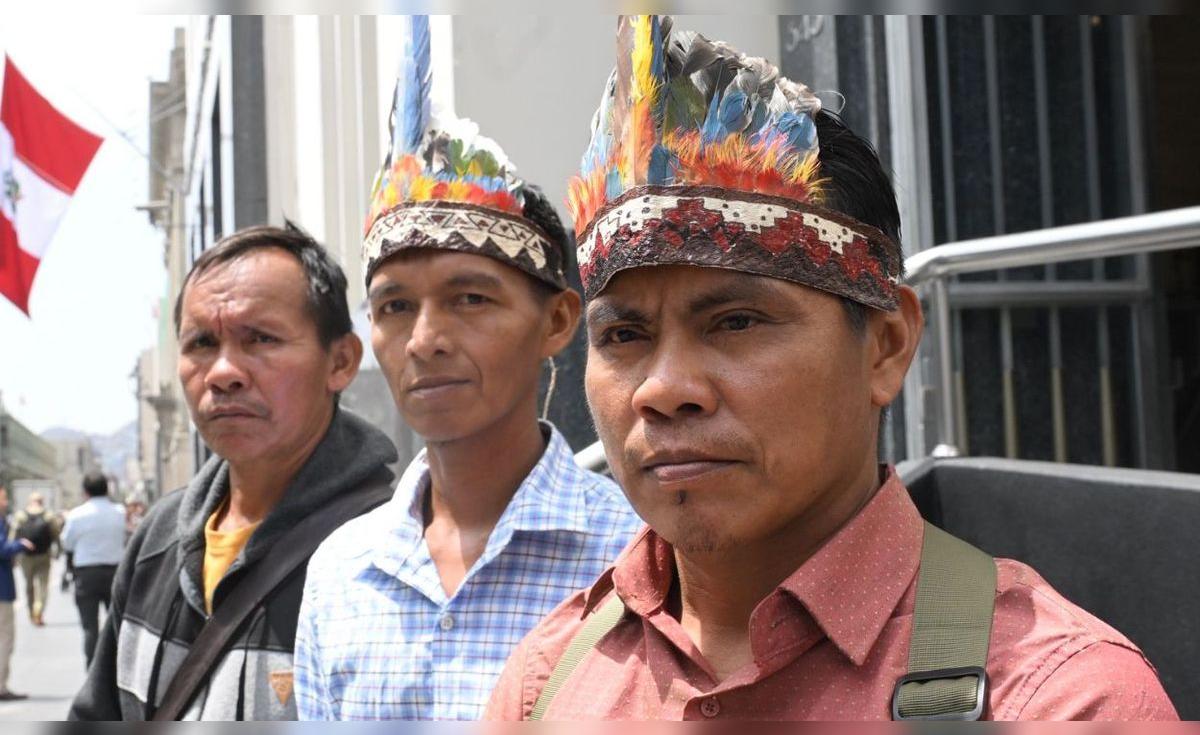
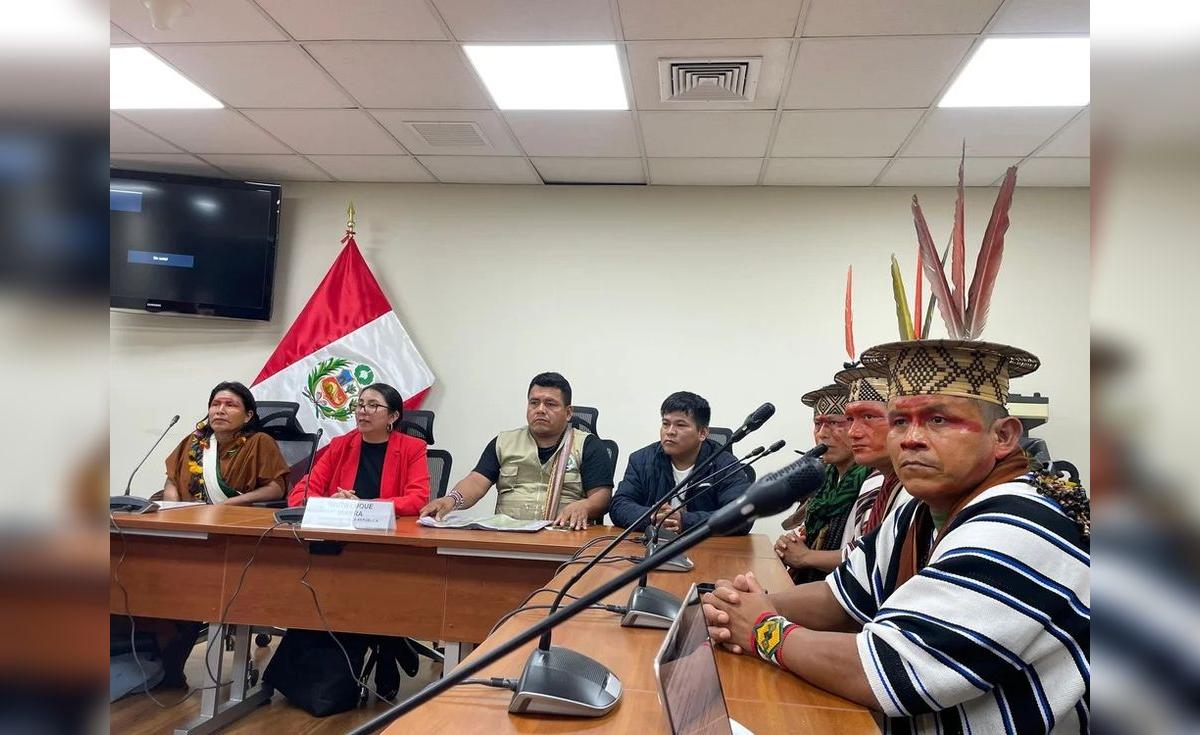
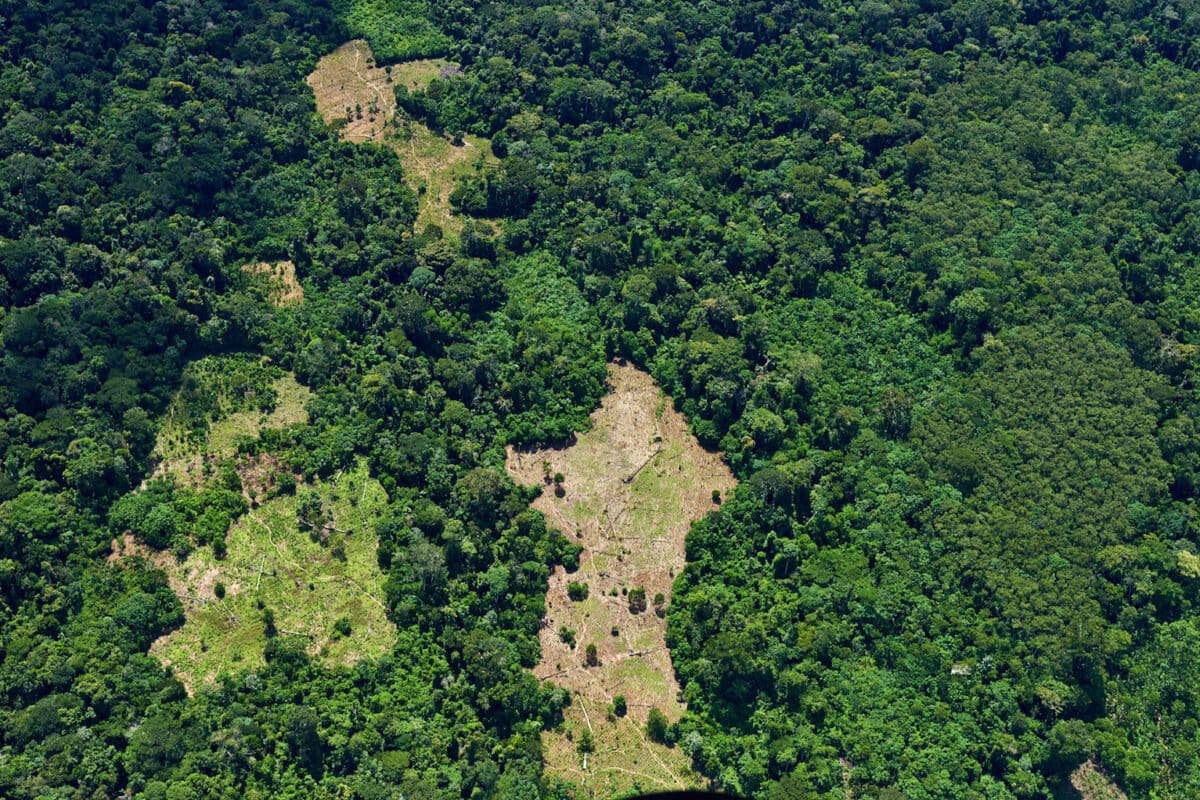
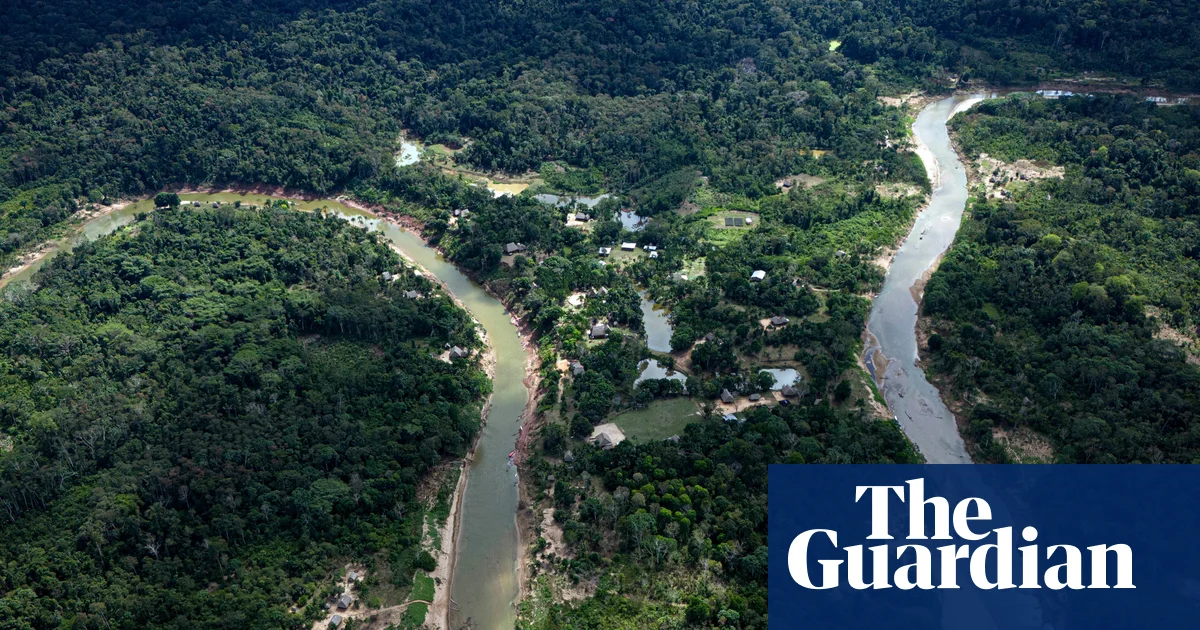
Mongabay interviewed Francisco Hernández Cayetano, president of the Federation of Ticuna and Yagua Communities of the Lower Amazon, about substance abuse problems affecting Ticuna youth.He says many youth are addicted to drugs and alcohol, which they picked up while working as coca harvesters for drug traffickers due to a lack of alternative employment options.The arrival of narcotraffickers, as well as illegal miners, has also led to deforestation and water pollution in Peru.In this interview with Mongabay, Hernández describes efforts to bring Ticuna leaders from the Amazon’s tri-border area together to discuss solutions to their shared problems.
Francisco Hernández Cayetano, president of the Federation of Ticuna and Yagua Communities of the Lower Amazon (FECOTYBA), is raising the alarm about the latest threats related to drug trafficking in the Amazon’s tri-border area.
Living along riverbanks and lowland forests in the remote area where Peru, Colombia and Brazil meet, the Ticuna and Yagua people find themselves in a hotspot for crime — and it is embedding in their communities. Tri-border areas in the Amazon often have a weak state presence that allows drug traffickers and other criminal groups to move drugs, gold and timber freely. As a 2024 report by Crisis Group, an independent organization, revealed, criminal activities in these areas can bring insecurity, violence and environmental damage to Indigenous peoples and their territories.