Support CleanTechnica's work through a Substack subscription, on Patreon, or on Stripe. Help us produce all of the high-quality, original content we publish week after week despite the challenges of content-scraping AI, antisocial media, inflation, and other hurdles.
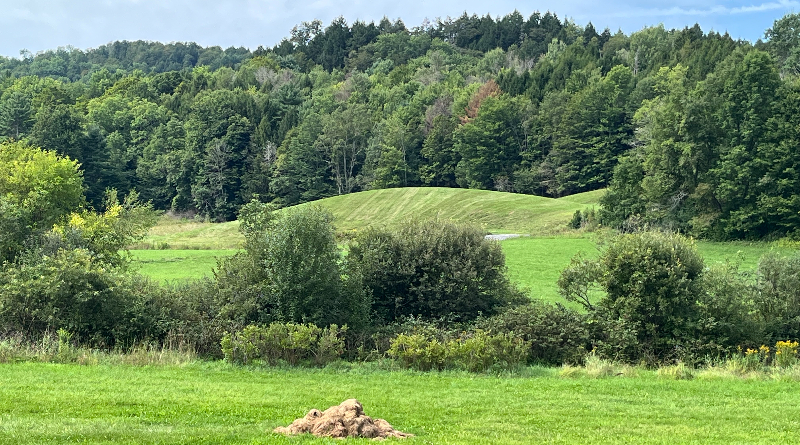
This week, as part of our summer travels around New England, hubby and I have reserved a Vermont farmhouse. The rolling hills are lush and verdant. Generations of farmers have planted creamy hydrangea and purple phlox. Native columbine, wild grapes, and milkweed feed pollinators are among the thousands of plants that surround us. Crab apple, willow, maple, elm: deciduous trees stand guard beside the barns. Huge mounds of yellow day lilies. Oh! The long rows of vegetables — tomatoes, cukes, zucchini, carrots still producing. Pole beans, lettuces, asparagus gone to seed. All emit slightly sweet aromas.
To vacation in Vermont in August means slow days and mindfulness. It means going light on the beach and leaning more toward immersion in museums and north country architecture. It means studying the rising mist and breathing in familiar and hard-to-identify fragrances.
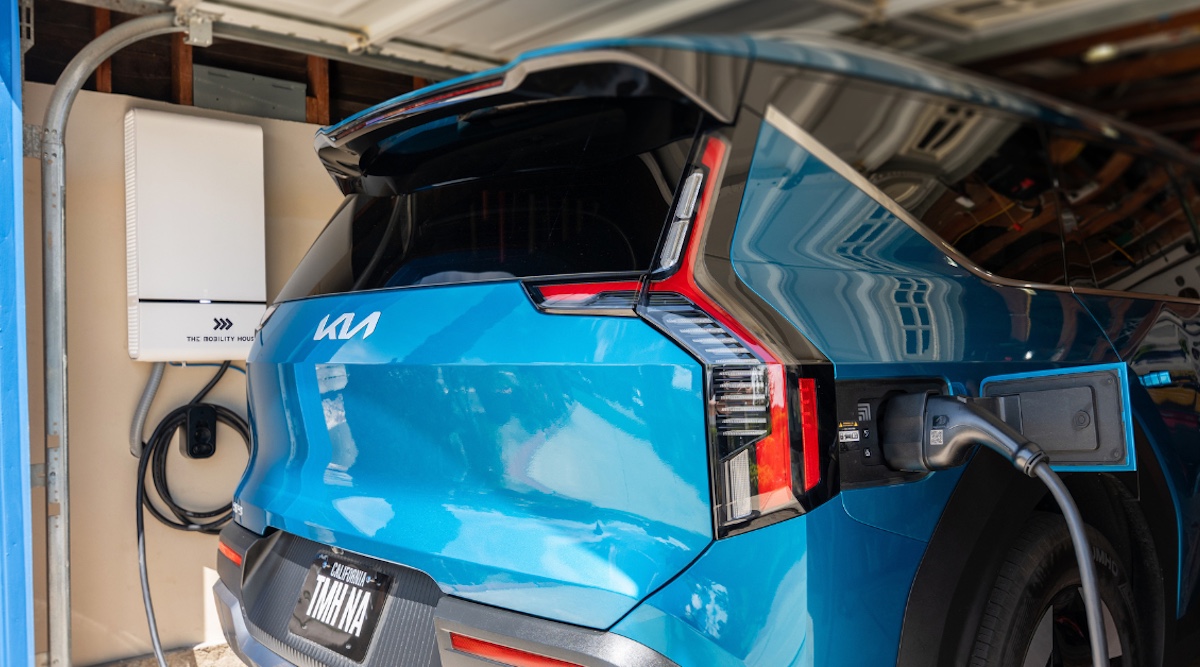
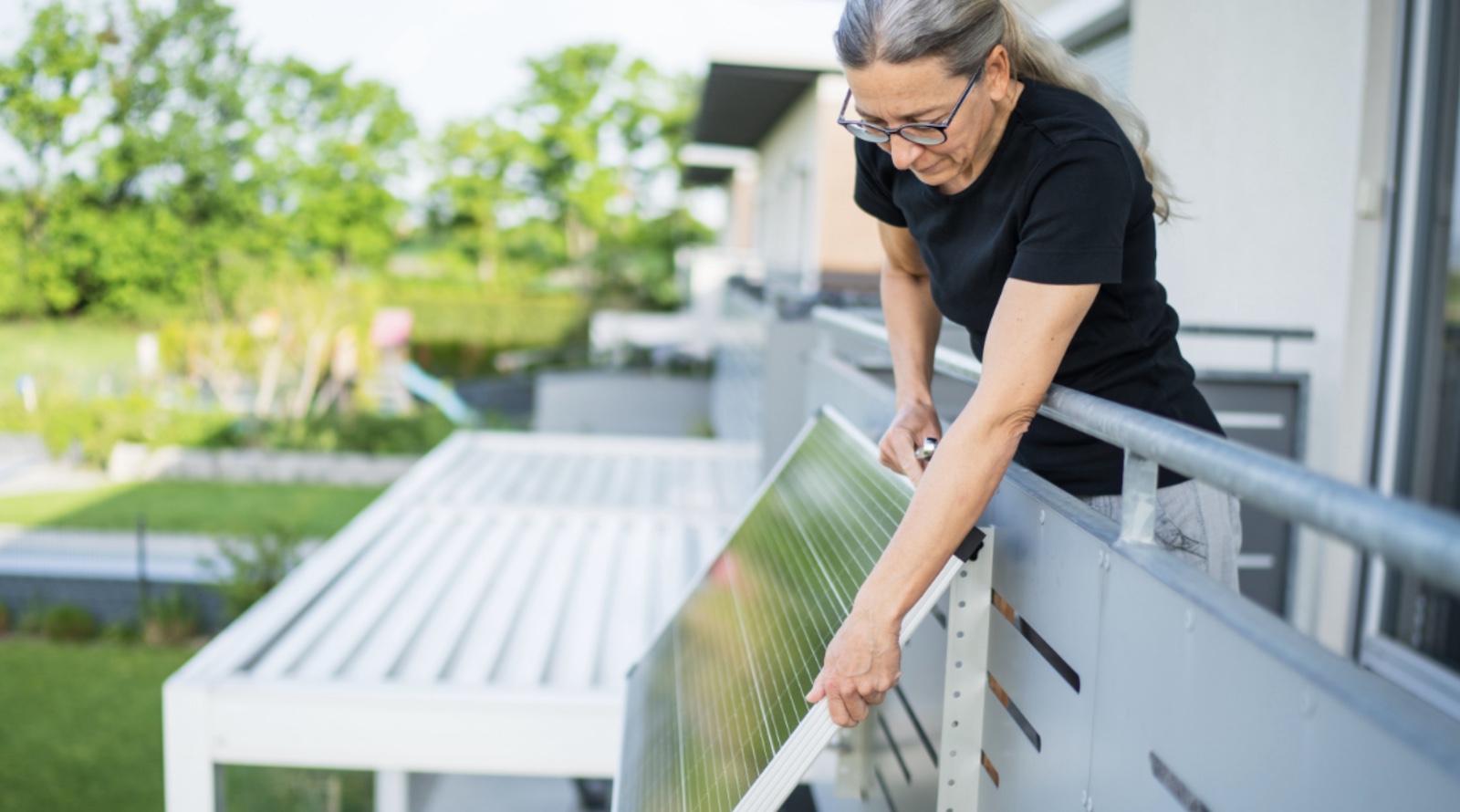
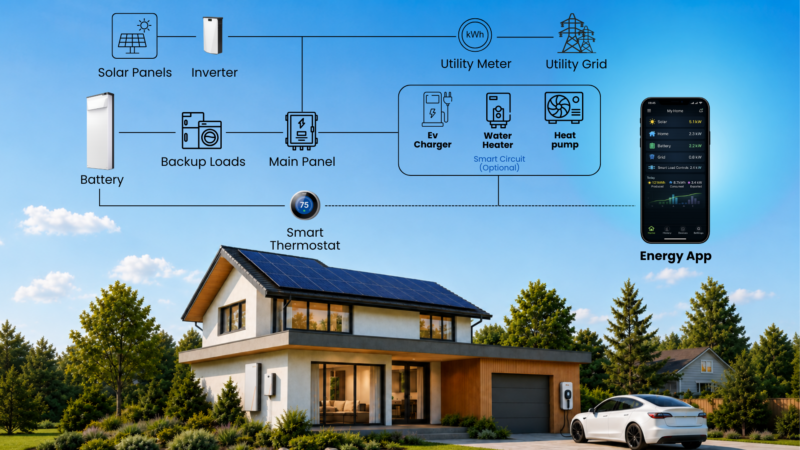
With touchless check-in, one of my first activities was to familiarize myself with the property and home. As my regular readers know, I’ve been attempting to convert my summer home to all-electric. At our host farmhouse, interestingly, there’s a surprising lack of one smell: burning fossil fuels. I was a little caught off-guard by the multiple ways that our hosts have made a slow and steady conversion toward an all-electric lifestyle.