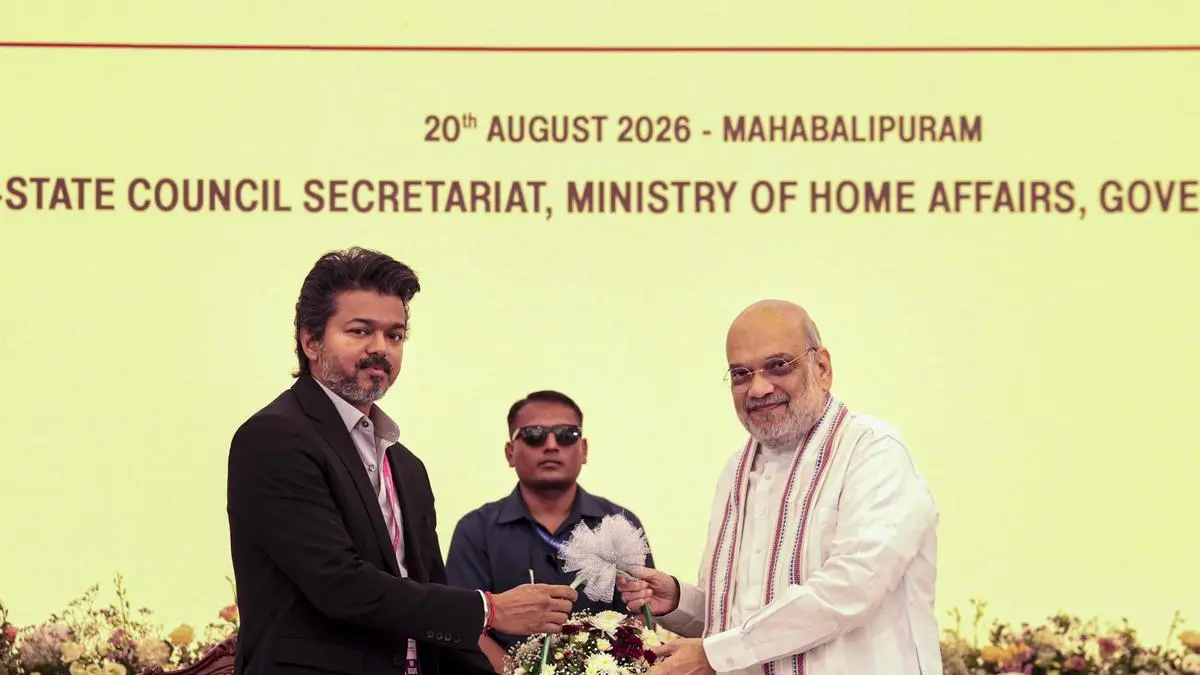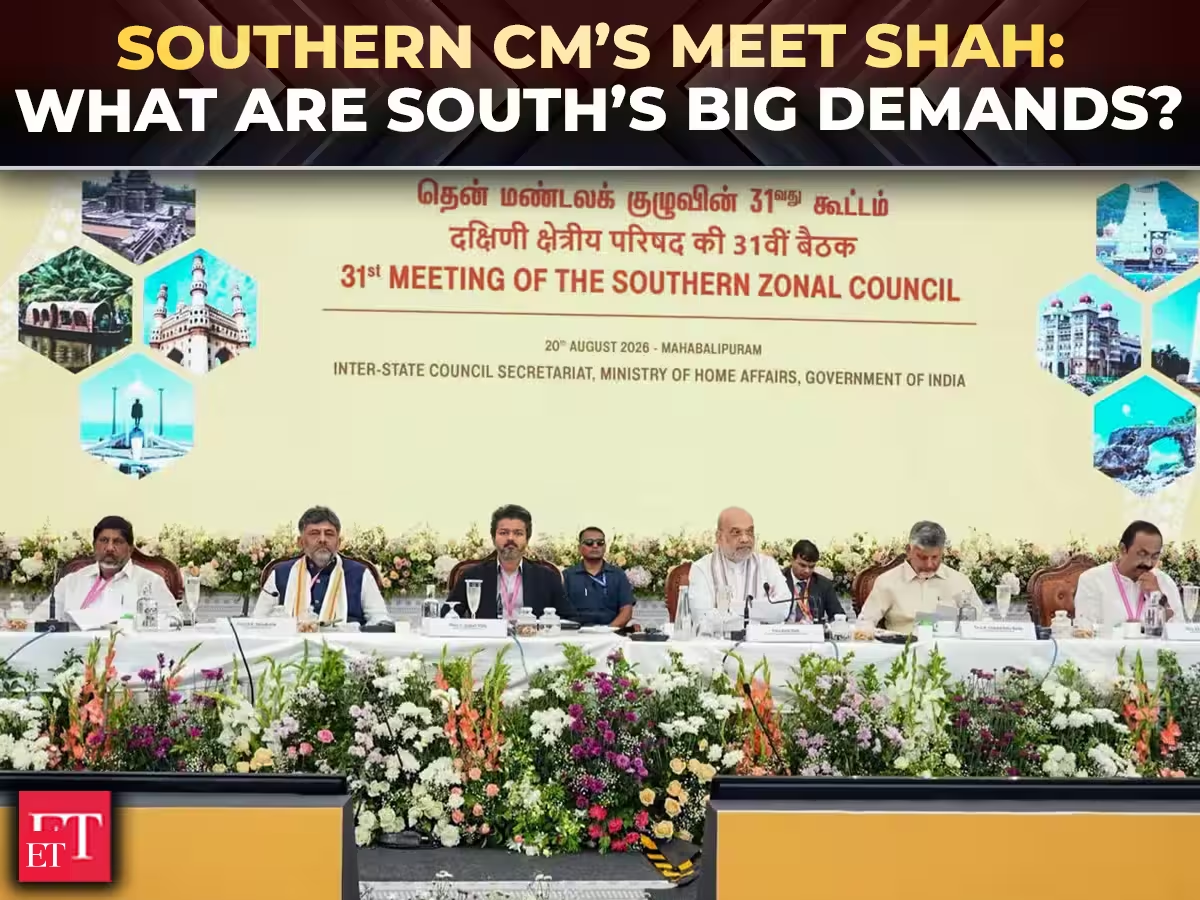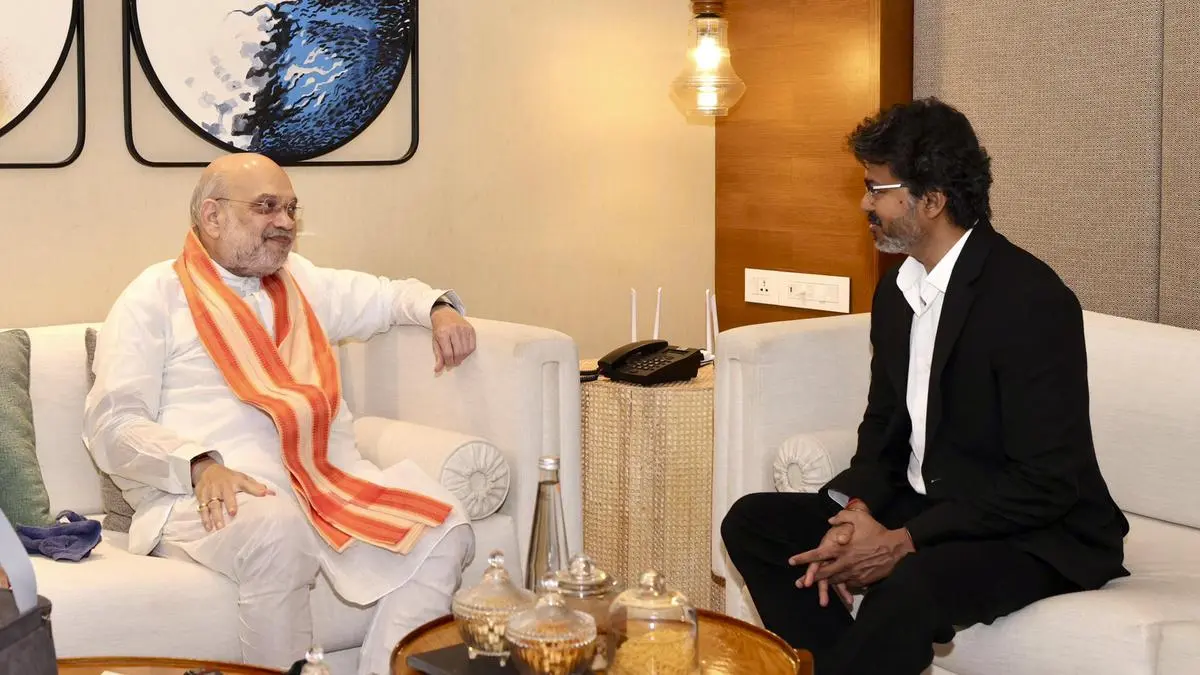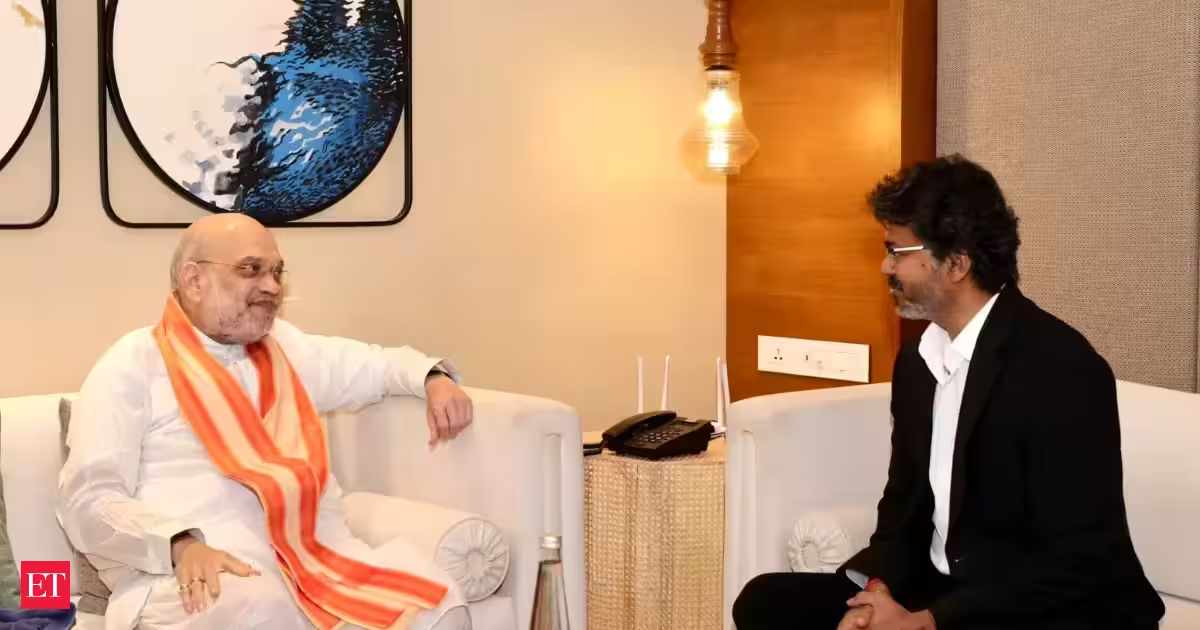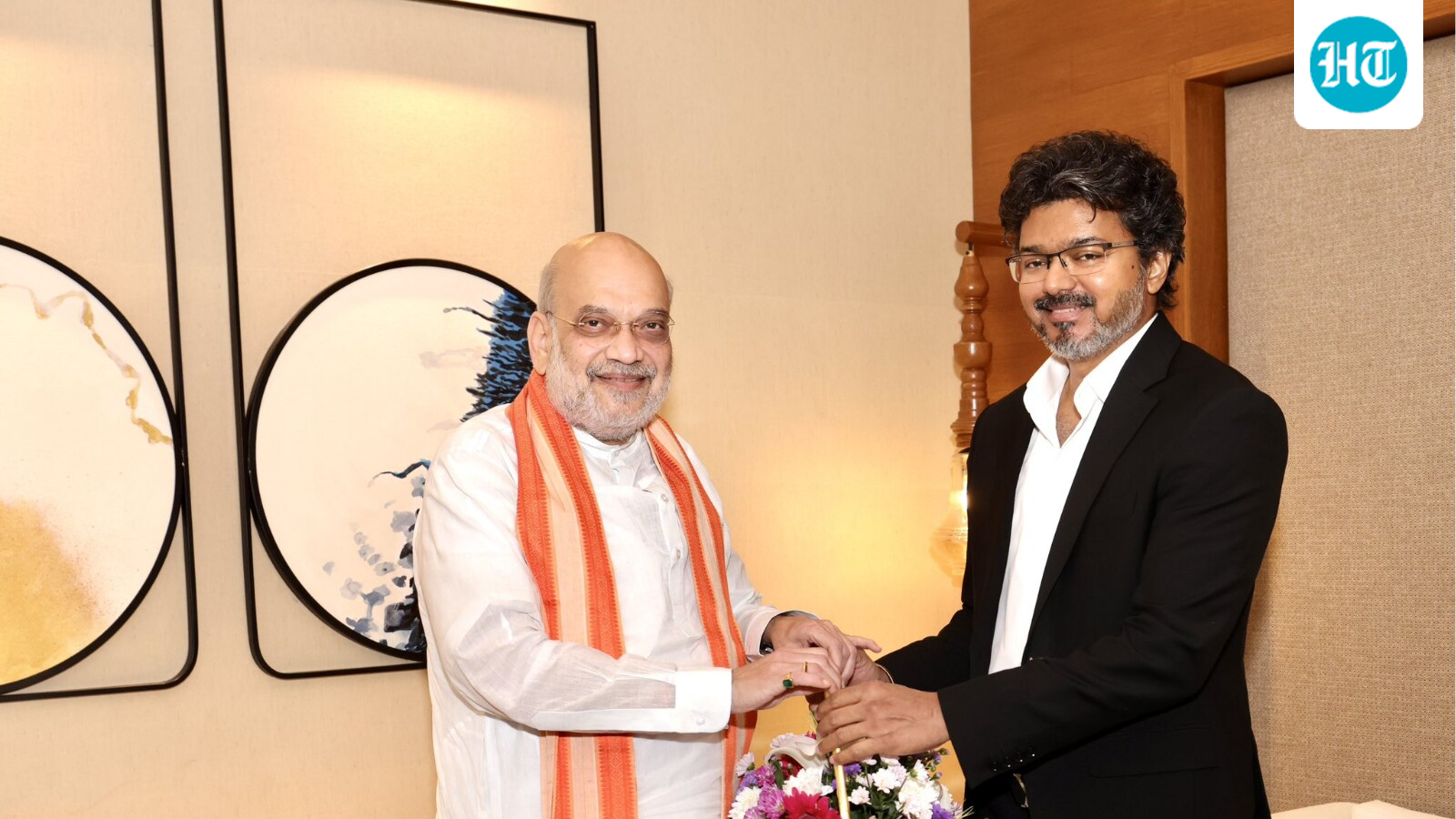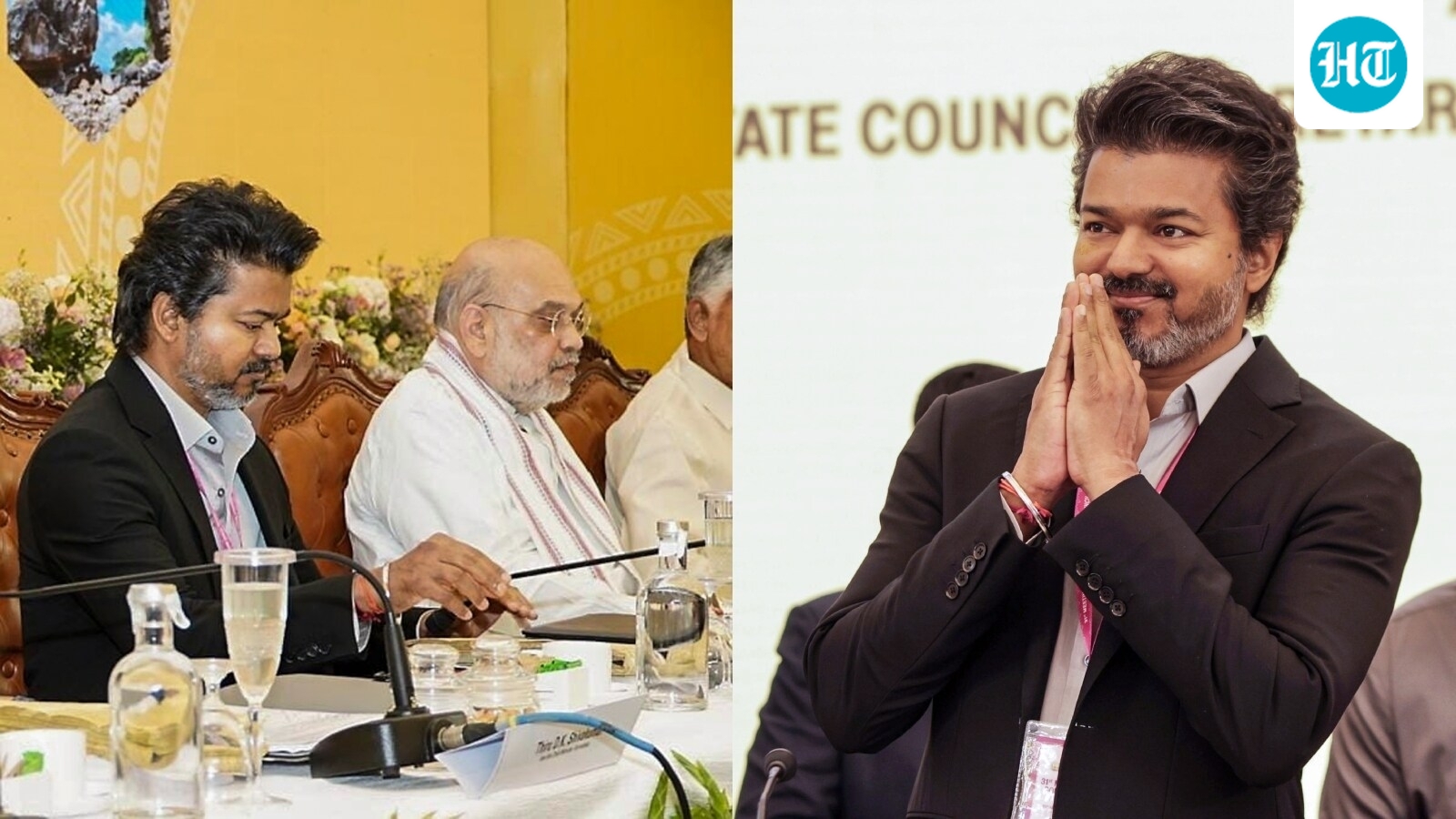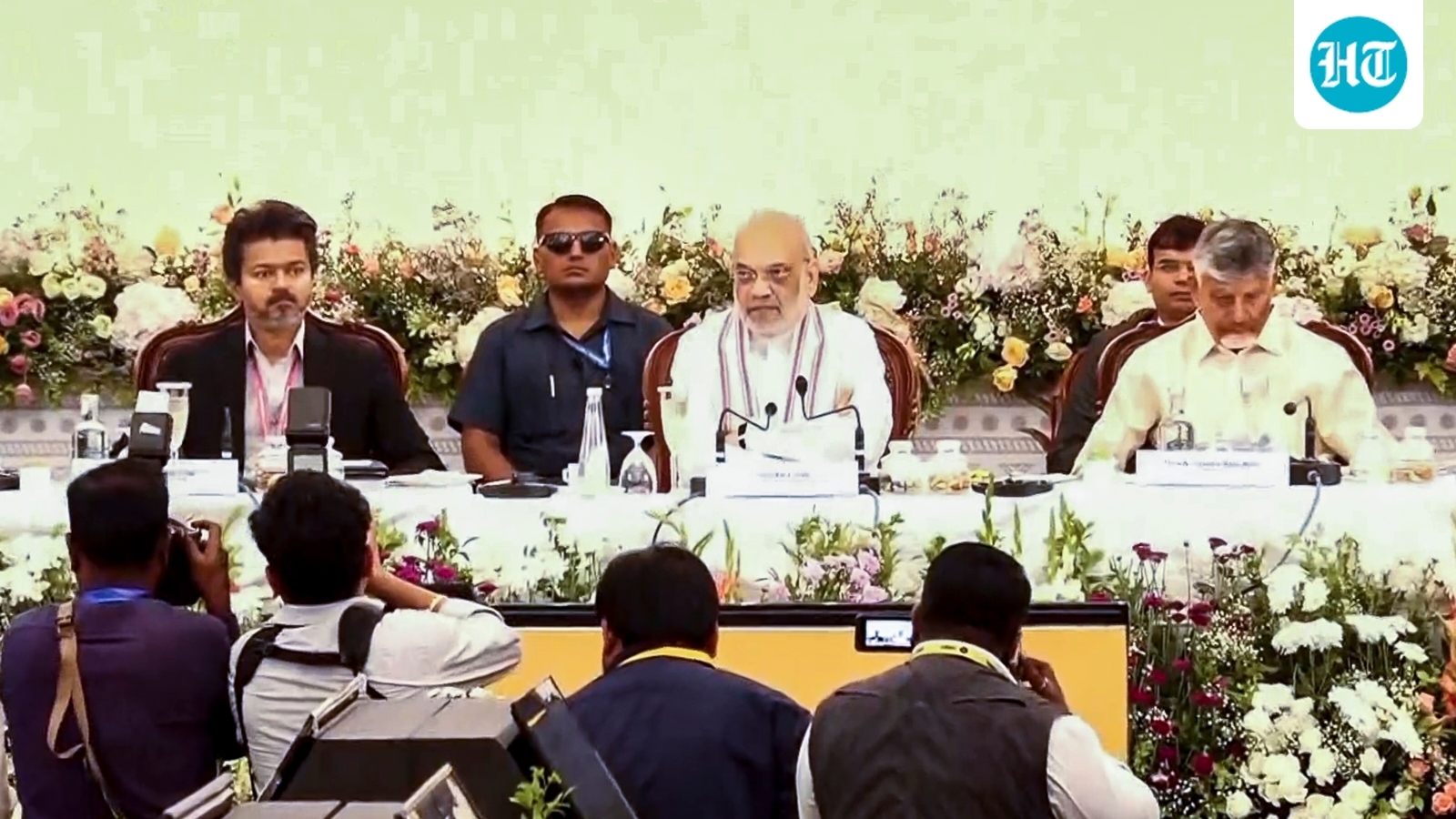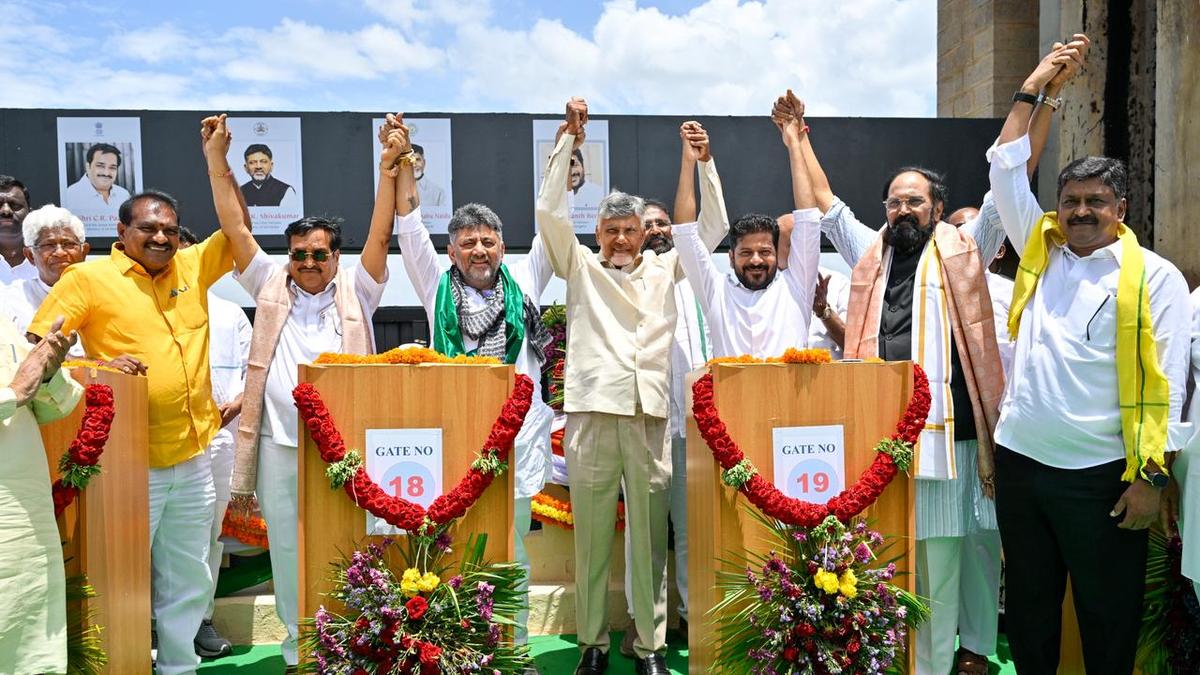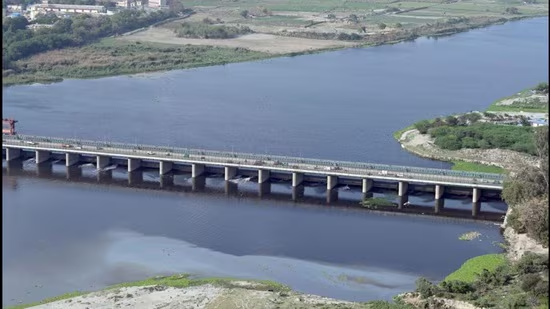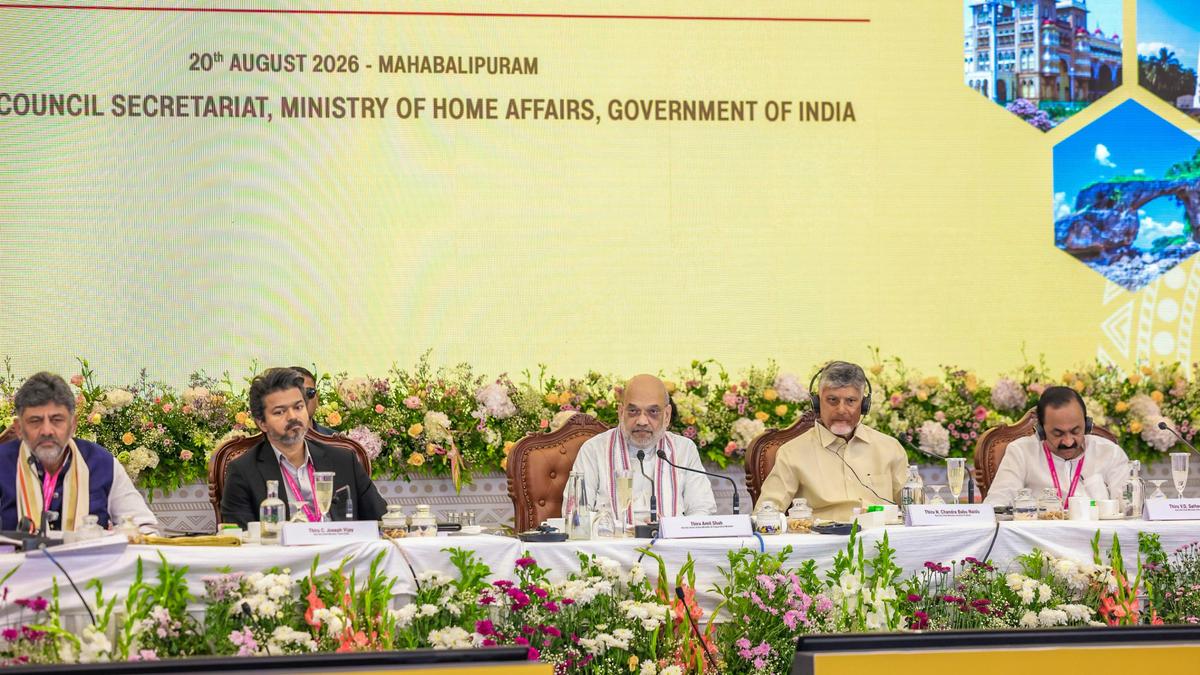
Union Home Minister Amit Shah on Thursday (August 20, 2026) emphasised the need for early resolution of pending water-related issues concerning southern States through joint meetings involving the Ministry of Jal Shakti, the Ministry of Home Affairs, the Inter-State Council, and the respective States.Addressing the 31st Southern Zonal Council meeting at Mamallapuram near Chennai, Mr. Shah said while protecting the interests of one’s own State was not wrong, if it results in other States being deprived of water for years, no actual interest was being served.He said linking major rivers, from the Brahmaputra to the Cauvery and the Godavari, could ensure India faces no water shortage for the next 100 years. This initiative could also facilitate the creation of multiple waterways, which would not only save fuel and improve the environment, but also provide a cost-effective transportation system. He stated that a dispute-free North India has been created by resolving river-sharing issues spanning from Kashmir to Uttar Pradesh.According to a release, the southern States agreed with the Home Minister’s suggestion that the pending water disputes should be resolved expeditiously through mutual dialogue and constructive solutions. Regarding issues concerning the division of assets and liabilities between Andhra Pradesh and Telangana, both States agreed to resolve them in consultation with the Union Home Ministry.The meeting was attended by Chief Ministers C. Joseph Vijay (Tamil Nadu), N. Chandrababu Naidu (Andhra Pradesh), D.K. Shivakumar (Karnataka), and V.D. Satheesan (Keralam); Deputy Chief Minister Bhatti Vikramarka Mallu; and Lieutenant Governors K. Kailashnathan (Puducherry) and Admiral (retd.) D.K. Joshi (Andaman and Nicobar); and Lakshadweep Administrator Praful Patel.The Home Minister termed south India a very important region for the development of the country, as it has contributed in every sector and plays a major role in information technology, automobiles, pharmaceuticals and infrastructure development, due to which the region has attracted a large share of foreign direct investment.High literacy rate, trained manpower and “technical expertise in the utilisation of deep seas” were the three pillars that had made south India the biggest contributor to the country’s development, the Minister said. The region had also established many excellent traditions in the fields of innovation and revenue generation. “The whole of India should learn from South India in these two areas,” he said.He also called for swift investigation of cases of rape against women and children, and the early disposal of rape and Protection of Children from Sexual Offences (POCSO) Act cases through the implementation of Fast Track Special Courts (FTSC). These issues need to be viewed with great sensitivity at the level of Chief Ministers. He also flagged malnutrition, stunting and the school dropout ratio as issues that would impact future generations. He recalled the fight against malnutrition initiated by Tamil Nadu and Andhra Pradesh, which was eventually accepted across the country.The Minister also called for a drug-free India. The Home Ministry has prepared a three-year road map in which the roles of several departments of the States and the Centre have been defined. “Until all departments of the Central government and all departments of all State governments join this movement, we will not be able to save the coming generation from this evil,” he said.In his address, Mr. Naidu called for greater cooperation and coordination among southern States, saying their collective progress could become a powerful driving force for India’s development and help realise the goal of Viksit Bharat (developed India). He said the southern States had the potential to collectively emerge as a $10 trillion economy by 2047.Mr. Naidu also called for a heritage, tourism and pilgrimage circuit linking major southern centres such as Tirupati, Srisailam, Kancheepuram, Madurai, Rameswaram and Mysuru with Varanasi, Ayodhya and the Char Dham destinations.On water security, Mr. Naidu described river-interlinking as a long-term solution. He proposed transferring more than 500 TMC of surplus floodwaters through the Godavari-Krishna-Penna-Cauvery linkage, saying the project could benefit Andhra Pradesh, Telangana, Karnataka and Tamil Nadu.He also called for the Ganga-Cauvery link to be taken up as a national project and suggested a dedicated coordination mechanism for southern river basins to ensure timely preparation of DPRs and statutory clearances.Mr Vijay underscored that southern States do not seek preferential treatment, but fair and equitable treatment, one that respects fiscal autonomy, rewards performance alongside equity, and enables high-performing States to continue investing in the infrastructure, innovation, and human capital that drive India’s growth.Mr. Shivakumar made a pitch for “fairness in funds, voice and respect” for southern States, which form the “engine of the Indian economy”. He urged the Council to adopt a resolution calling upon the Union government to honour the 1971 Census as the basis for delimitation, retain the Lok Sabha’s existing strength of 543 seats for the next 25 years, and accommodate women’s reservation within these existing seats.Keralam Chief Minister Mr. Satheesan reaffirmed the stand that it was willing to supply water to Tamil Nadu from the new dam it has proposed at Idukki district’s Mullaperiyar in place of the over 130-year-old existing structure. Keralam would bear the expenses of building the dam, while Tamil Nadu can be responsible for the design, construction and location. Mr. Satheesan also had a brief meeting with Mr. Vijay during the conference.Mr. Vikramarka said cooperative federalism should provide a framework for resolving inter-State issues in a fair, time-bound and legally sustainable manner, stressing the need to move beyond prolonged deliberations towards concrete decisions and effective implementation.
Home Minister calls for early resolution of pending water-related issues in south India
Home Minister Amit Shah urges swift resolution of southern India's water disputes and highlights river interlinking for future sustainability.
893 words~4 min read