GT Voice: Why private investors remain wary of US’ rare-earth push
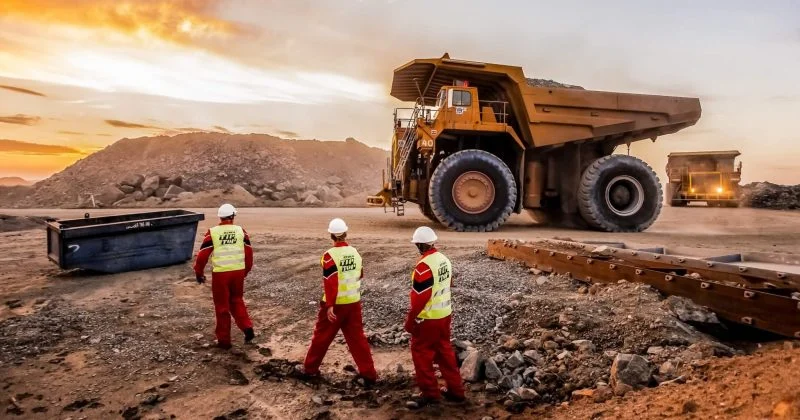
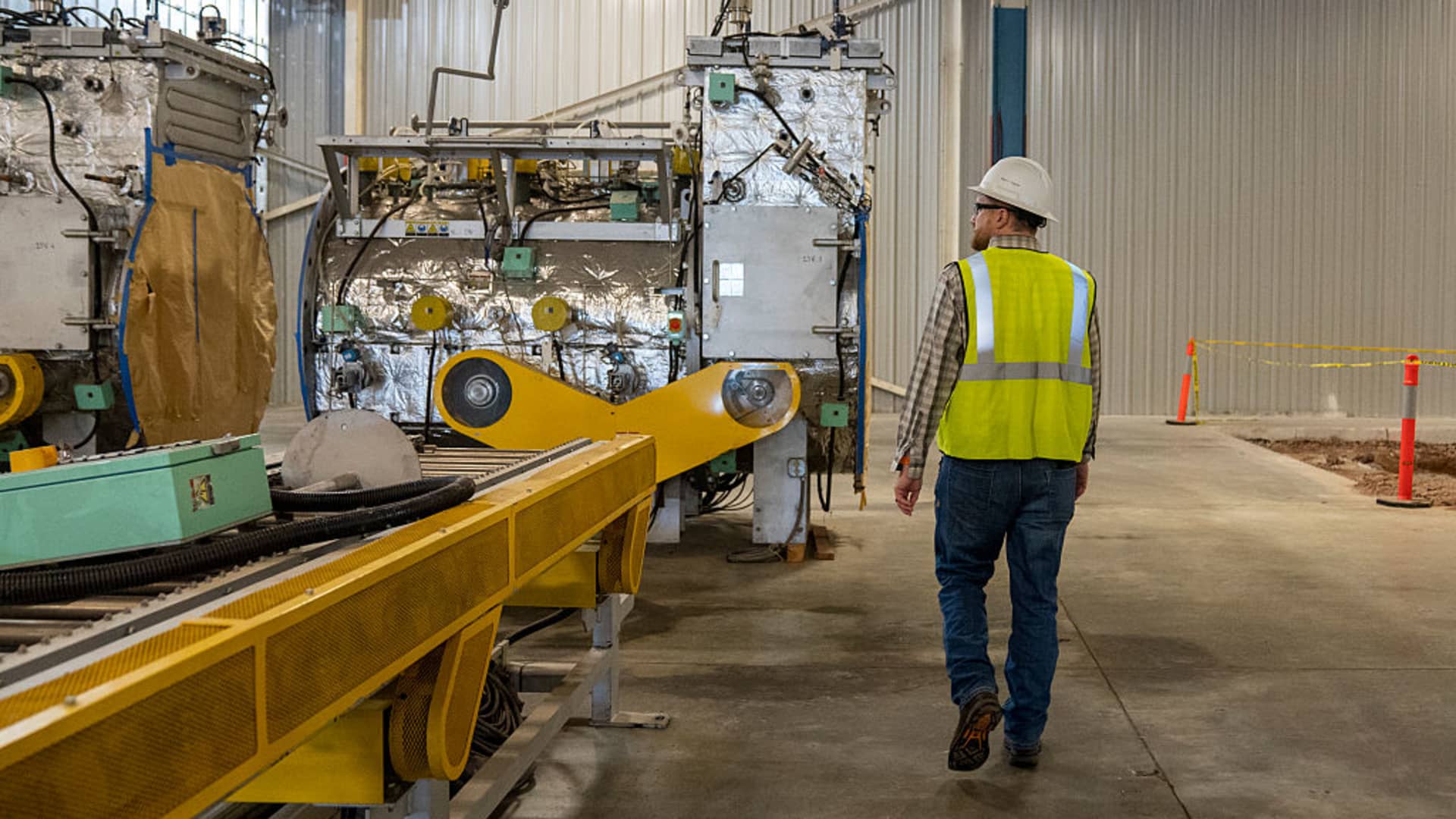
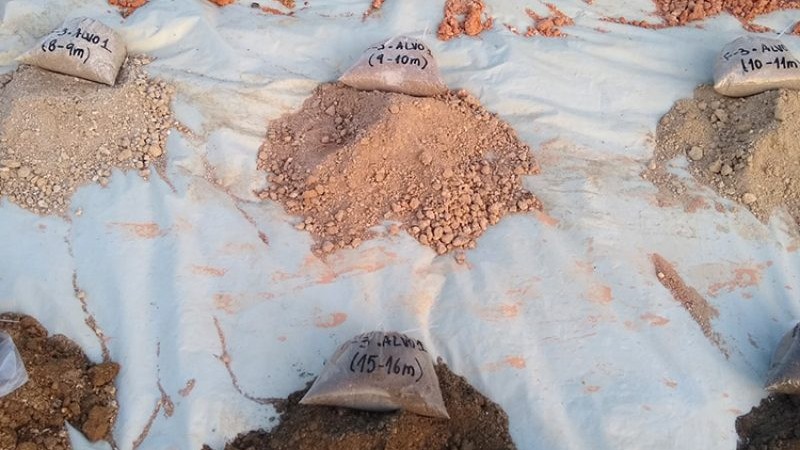
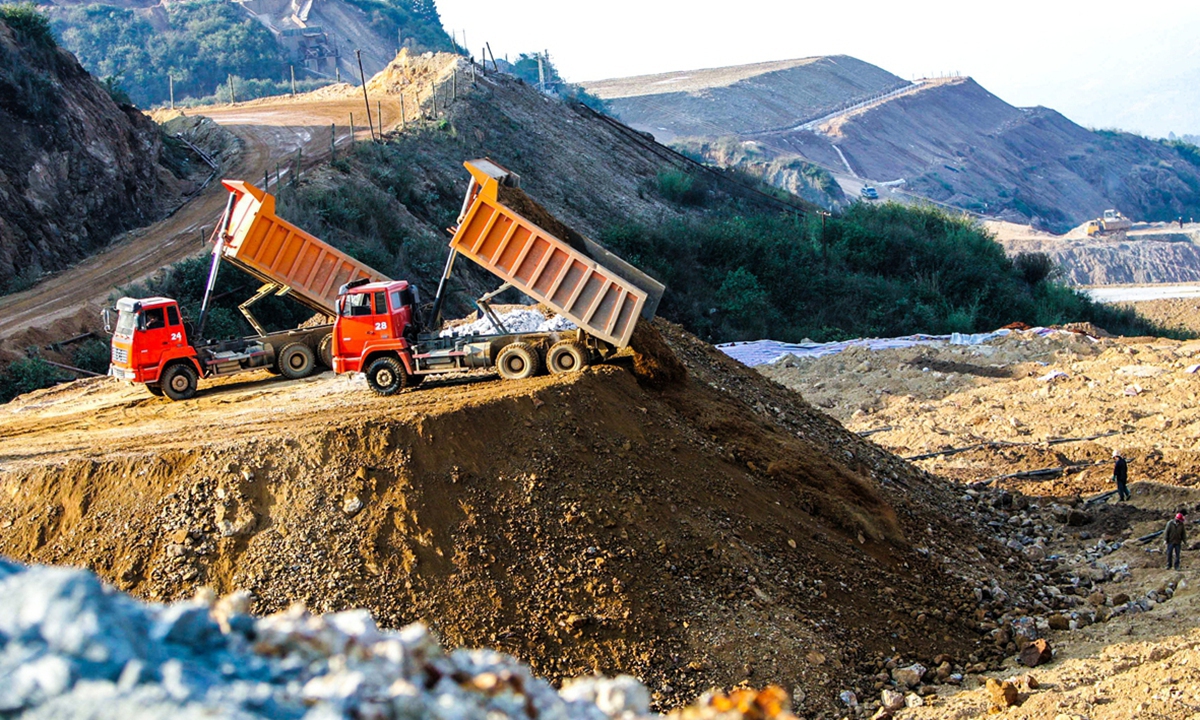
Rare earth File photo:VCGThe US International Development Finance Corp has committed $62.8 million to rare-earth projects in Malawi, Angola, Madagascar and South Africa, though none has so far reached production, Reuters reported on Wednesday. The report noted that private investors remain wary of rare-earth projects because of their higher risk profile and concerns that "Chinese market intervention" can undermine pricing and project economics.Nevertheless, blaming external factors for stalled investment only lays bare the inherent fragility of Washington's overseas critical minerals layout.The US has noticeably accelerated its global critical minerals push in recent days. In early August, the US Department of Defense announced a $400 million conditional loan commitment to Australian mining firm Sunrise Energy Metals for a proposed scandium mine in Fifield, New South Wales. From African rare‑earth projects to a scandium mine in Australia, US financing has reached multiple regions.Yet, private investors' reluctance to finance the sector underscores the inherent limitations of the US-led mineral strategy. The critical minerals industry is not a simple extract-and-sell business. It demands decades of technological accumulation, skilled professionals, and stable downstream coordination across every stage - from exploration and mine infrastructure, through midstream separation and purification, to downstream permanent magnet production and end‑user applications. These are precisely the capabilities that US-backed overseas projects mostly lack.State‑led funding alone cannot fill the massive gaps across the entire industrial chain. When the $62.8 million is spread across four rare-earth projects in four African countries, the funds allocated to each individual project are most likely far from sufficient to support a mining site, let alone support the full-process capacity building from mining to separation and refining. Private investors understand this clearly: without mature end‑to‑end industrial support, a few tens or even hundreds of millions of dollars in official funding cannot cover an investment cycle that can run for a decade or more, from exploration to finished products. Geopolitical changes and fluctuations in commodity prices magnify the uncertainty of future returns. China's industrial edge in rare‑earth refining and processing stems from years of sustained technical investment, complete industrial ecosystems and economies of scale. Even if some US-backed projects operate, they need to face competition from established players. Shifting the blame for investment risks onto geopolitical narratives does little to address the economic viability of these projects.In recent years, Washington has appeared to be attempting to reshape global supply chains by imposing geopolitical logic on market principles. Encouraging allies to diversify their critical minerals supply chains has become a prominent feature of US policy in this domain. Yet industrial supply chains follow their own intrinsic economic logic. They are optimal choices made by enterprises over long-term competition based on cost, efficiency, technology, and supporting capabilities, not something a government decree can conjure out of thin air. The current US-led minerals strategy focuses heavily on upstream mine development but struggles to simultaneously build matching midstream refining and downstream processing capacity, with skilled technical talent also in shortage. The US produces about one-fifteenth as many mining graduates as China, a figure that has declined sharply over the past decade to roughly 285 last year, according to Bloomberg. Ultimately, the fundamental challenge confronting US overseas strategy involving critical minerals is not merely insufficient capital, but the absence of viable industrial systems. While government funding can guide the industrial landscape to some extent, it cannot replace the decisive role of market mechanisms in resource allocation. Trying to leapfrog the entire industrial accumulation phase simply by scattering money to buy mines around the world runs against the fundamental laws of industrial development.Therefore, as Washington continues to wave the banner of "supply chain security" in pursuit of alternative mineral sources, what it really needs to confront is the contradiction within its mineral policies: it wants to break up the established market supply landscape yet remains unwilling to bear the costs for patient, long‑term industrial nurturing.