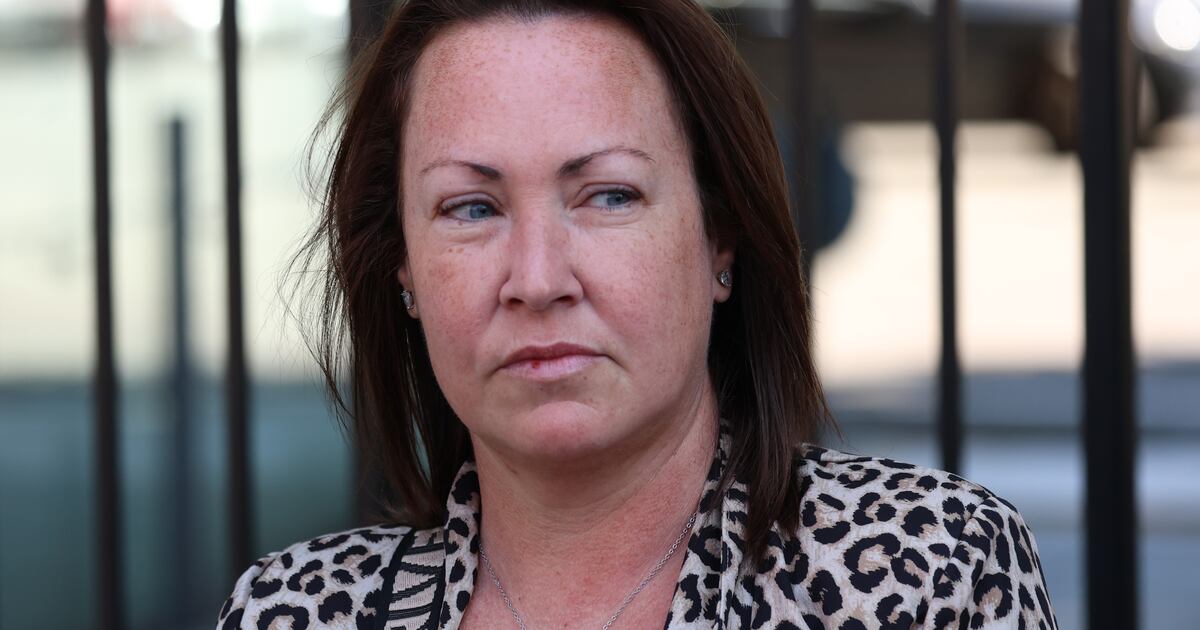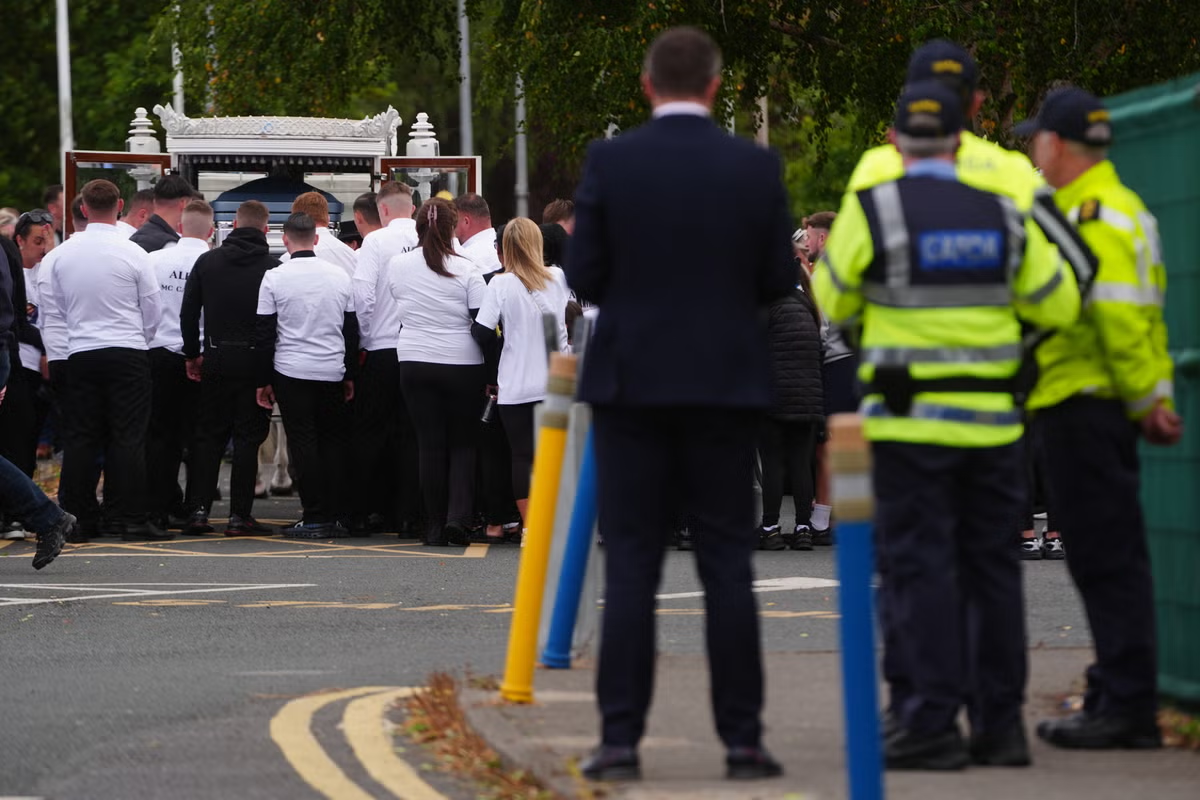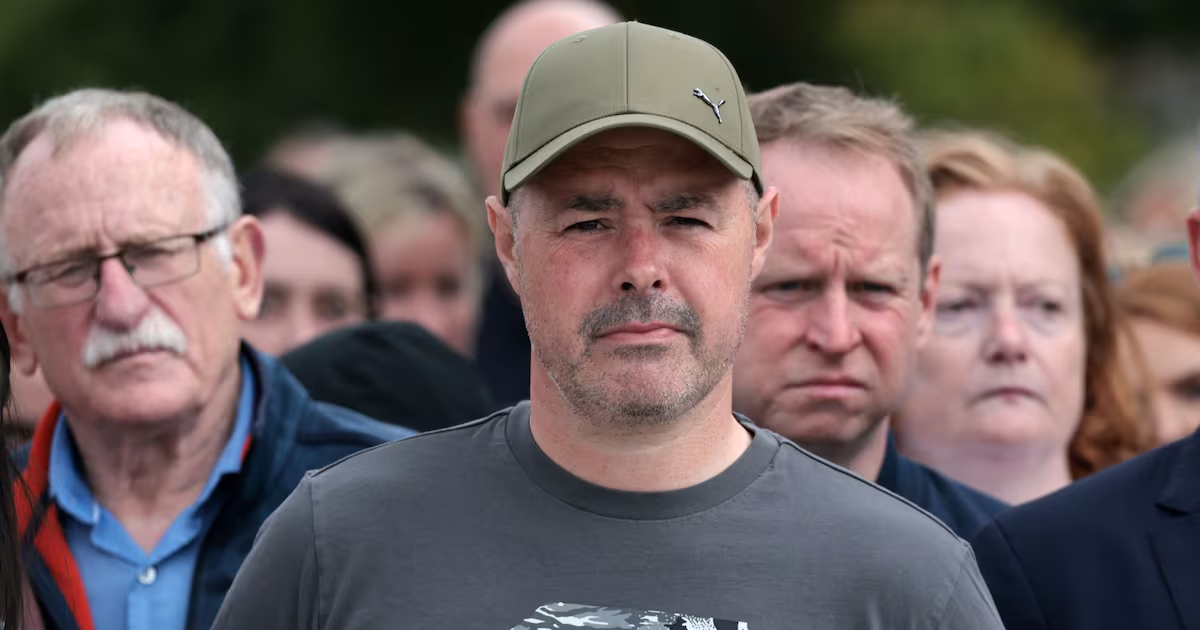
The father of the Dublin girl killed by a scrambler bike in January has written to the Minister for Justice asking how many CCTV cameras are actually working on public roads. Martin Lynch’s daughter Grace, aged 16, was killed following a fatal collision with a scrambler bike on the Ratoath Road in Finglas.In April he, wife Siobhan and son Jude, had a close call with a scrambler on the Cardiffsbridge Road in Finglas, he told The Irish Times. The male on the scrambler drove through a red light while doing a wheelie. Lynch managed to stop Siobhan and Jude, who was cycling a bike, from stepping on to the road.He said that when Siobhan “let a roar at him”, the male stopped “and stuck his fingers up and drove off up the road popping more wheelies”. He reported the incident to the gardaí and the following day he met Garda Commissioner Justin Kelly, a meeting that had been planned before the incident. His wife did not attend as she was “shook up” from the previous day’s incident.He was told by Kelly that the camera on Cardiffsbridge Road was broken and had been for a “number of months” before Grace was fatally injured.Martin said the road is “one of the main roads for scramblers in Finglas”.“If Siobhan or Jude had have been hit that day and there’s nobody around, the person that was responsible probably would have gotten away with it,” he said. He wrote to Minister Jim O’Callaghan “regarding the state of play with the cameras”. He asked the Minister: how many cameras are the Gardaí in control of? How many are working? Is there a repair plan in place for when they break? And whose job is it to service or maintain the cameras? Martin is now calling for gardaí to receive more training regarding scramblers and e-scooters.“All we’re asking for as a family is that the people in the control room are qualified and the people on the ground are qualified. These two qualified people making the right decision. Not two unqualified people making possibly the right decision or possibly the wrong decision.”“I would hope that comes in as quick as possible,” he said. He said in the UK stingers (tire-deflation devices), containment (cornering a rider in a restricted space) and plain-clothed officers are used.“One thing is not going to fix all this,” he said, adding that Ireland would need to adopt a “collection of methods and they all work together” like in the UK.“We can’t just let people do what they want because they’re on two wheels or they’re in a stolen car.”Martin, who said he has been in contact with members of the public, gardaí and councils about the cameras in general, said he has discovered that “a lot” of the cameras outside of the city centre, “are not working”.Martin said he is not asking for “mass surveillance of people” but said, “the fact that they’re [the cameras] there and they’re not working is worrying me.”The incident in April with a scrambler is not Lynch’s only experience.“Nearly every day, I see something happen,” he said.A week after Grace’s death, he said he was driving on the Tolka Valley Road when a scrambler drove towards his car on the wrong side of a road on a wheelie. He said he had to stop his car.As well as that, he has had e-scooter and e-bike users come off footpaths in front of him while he has been driving. He has also seen them driving the wrong way around roundabouts.“I know what happened to my daughter, and I wouldn’t like it to happen to anybody else.”In April, Grace’s Law came into effect to ban the use of scrambler motorbikes in public places.The Department of Justice and the gardaí have been contacted for comment.
Grace Lynch’s father tells of near miss with scrambler bike months after daughter’s death
Garda Commissioner told Martin Lynch camera not working on road in which encounter took place
634 words~3 min read