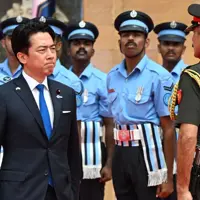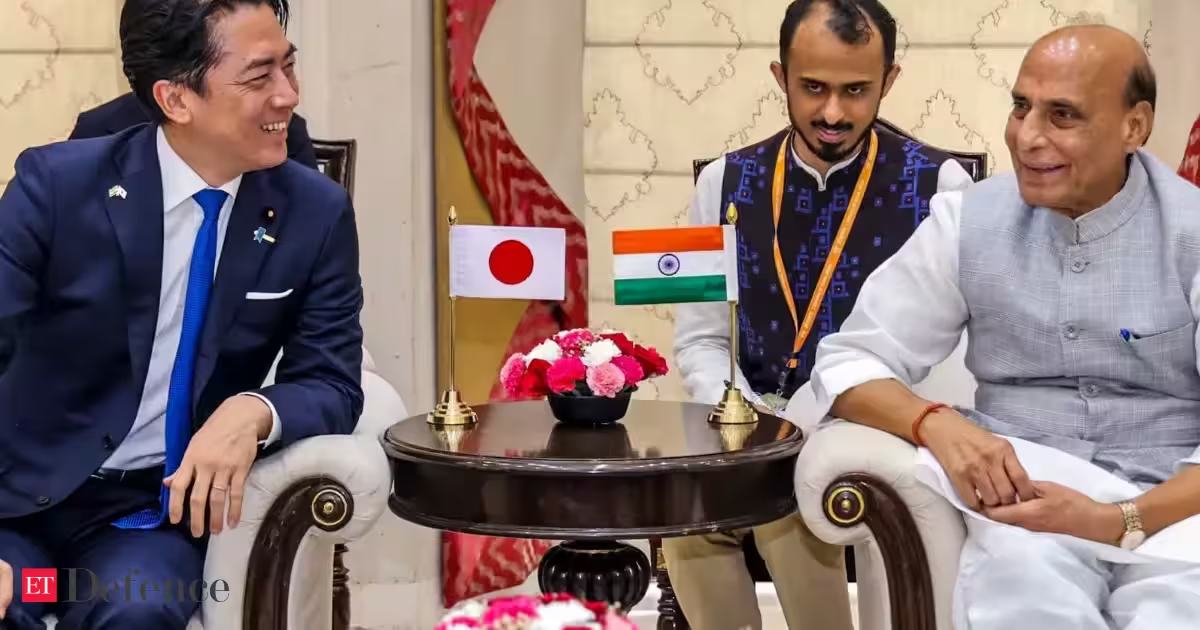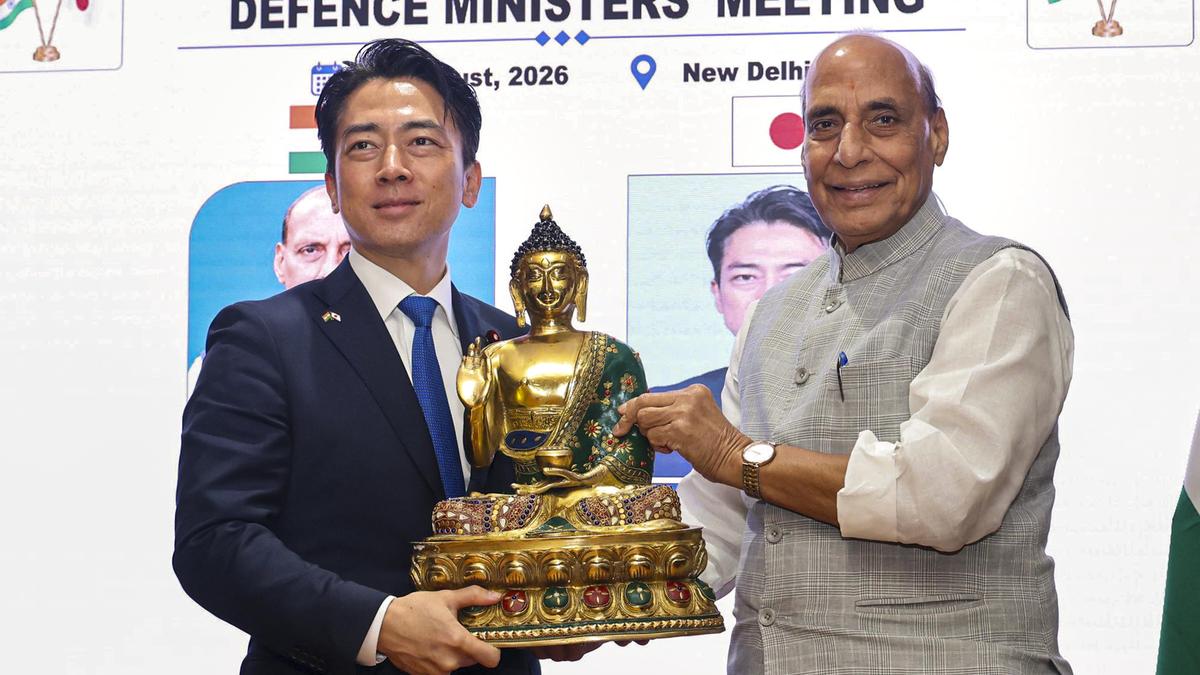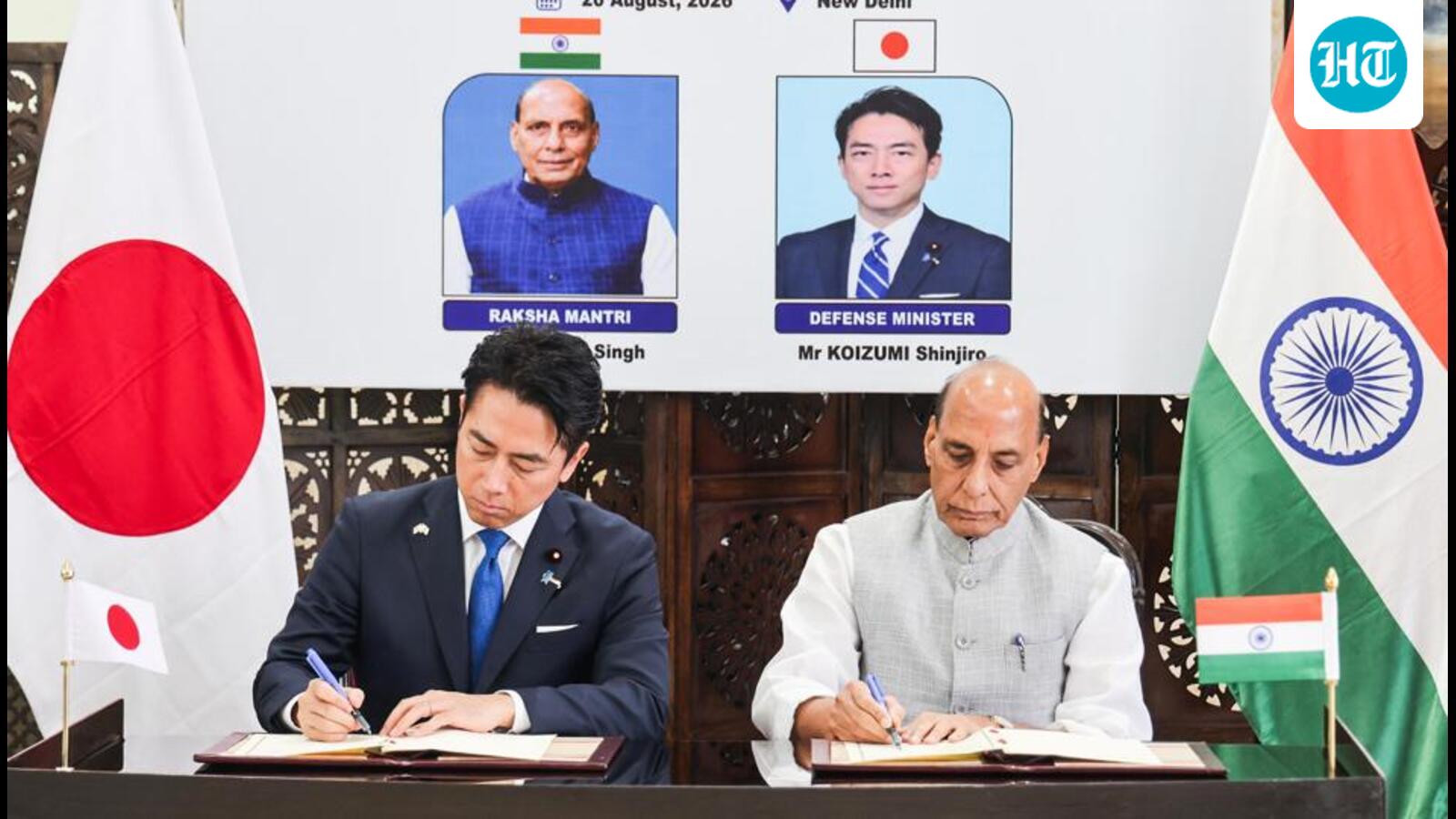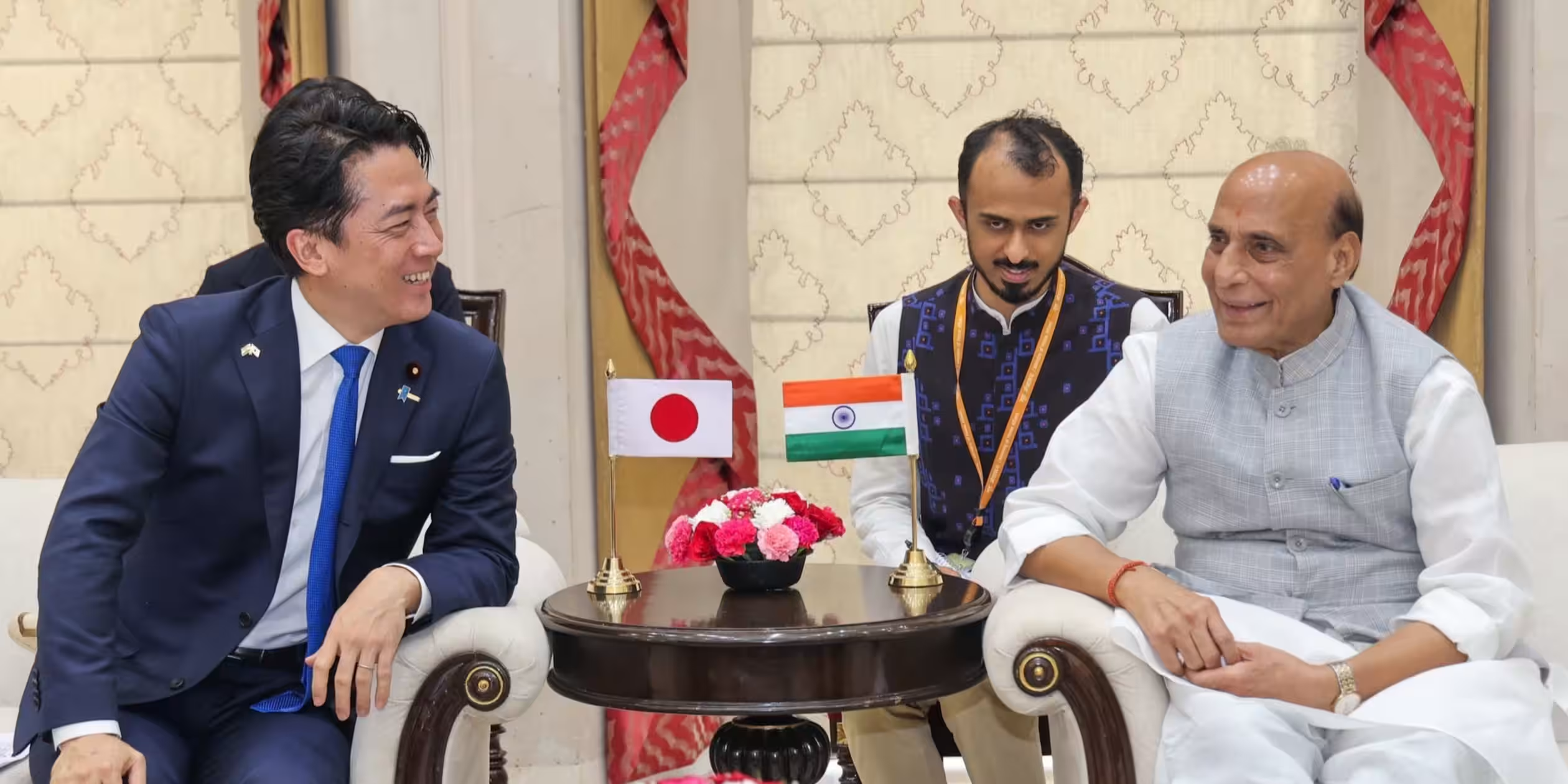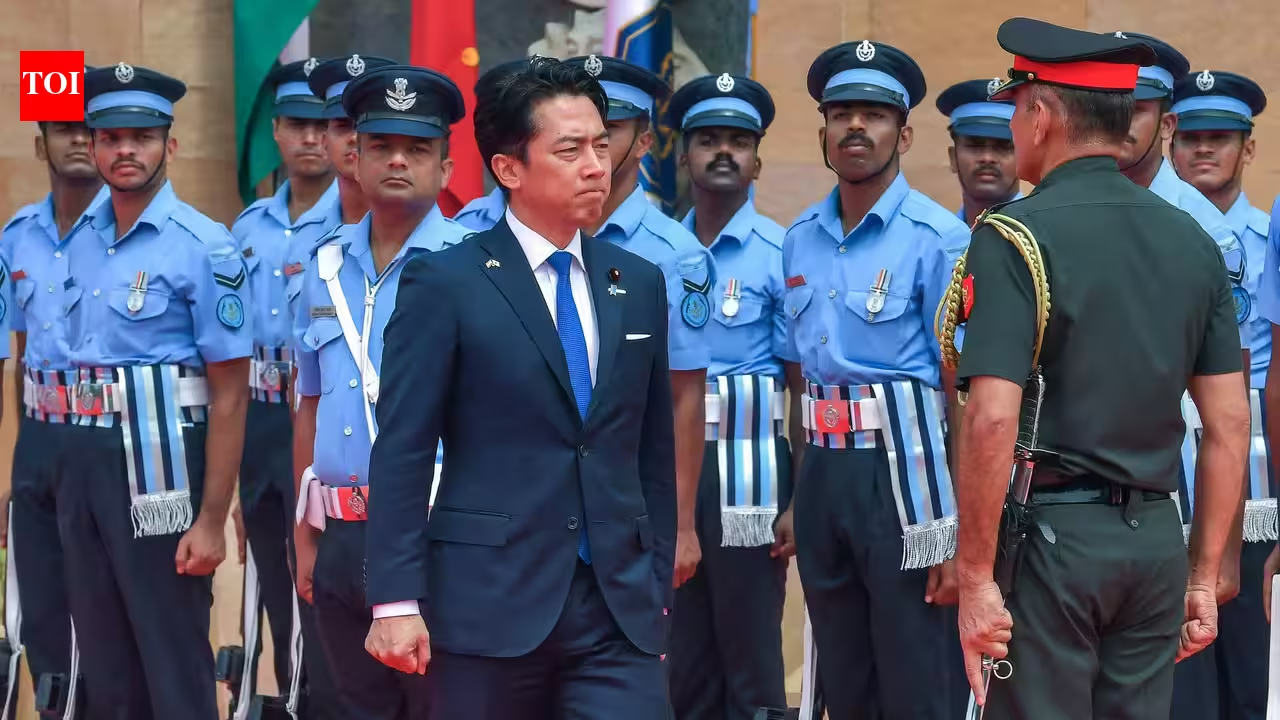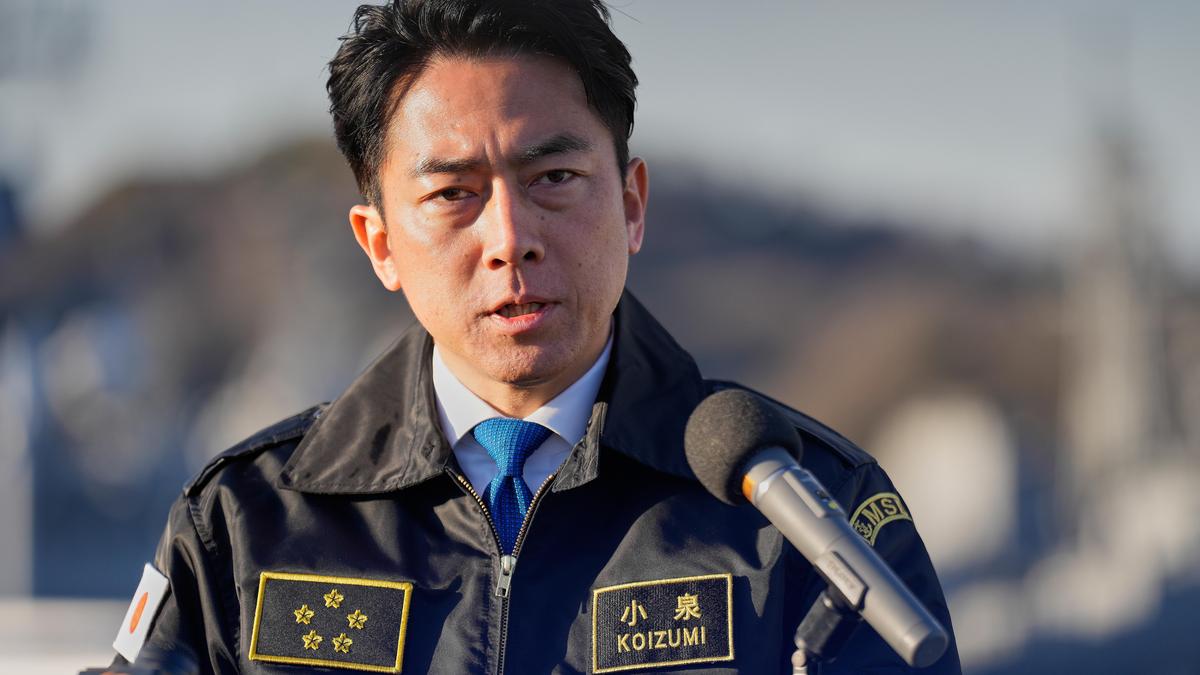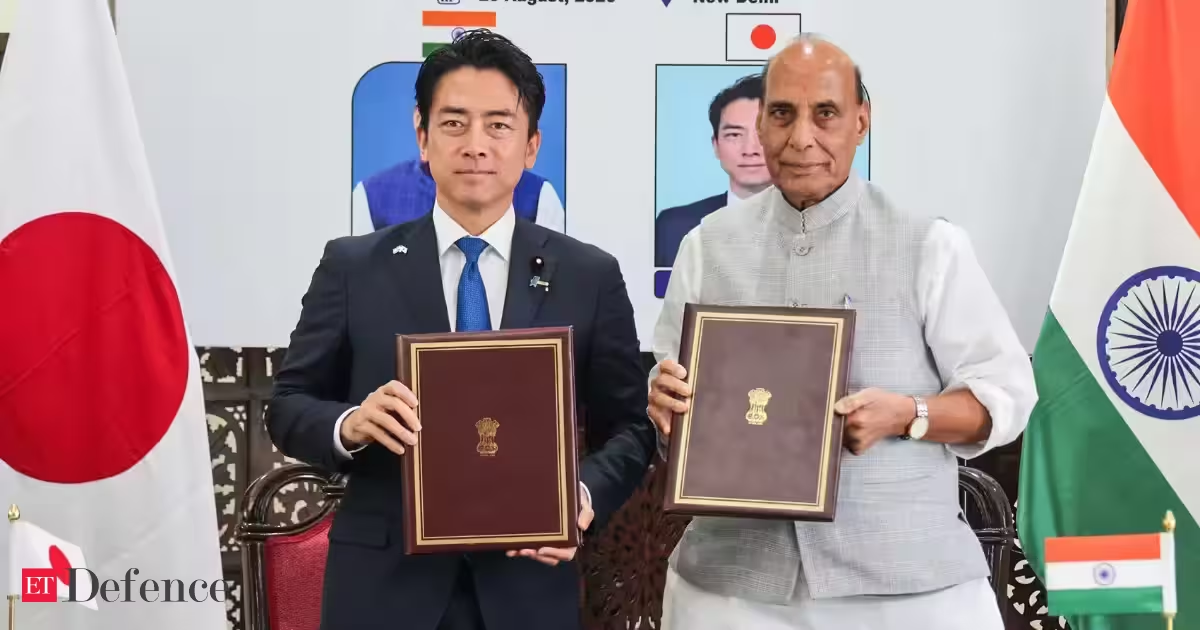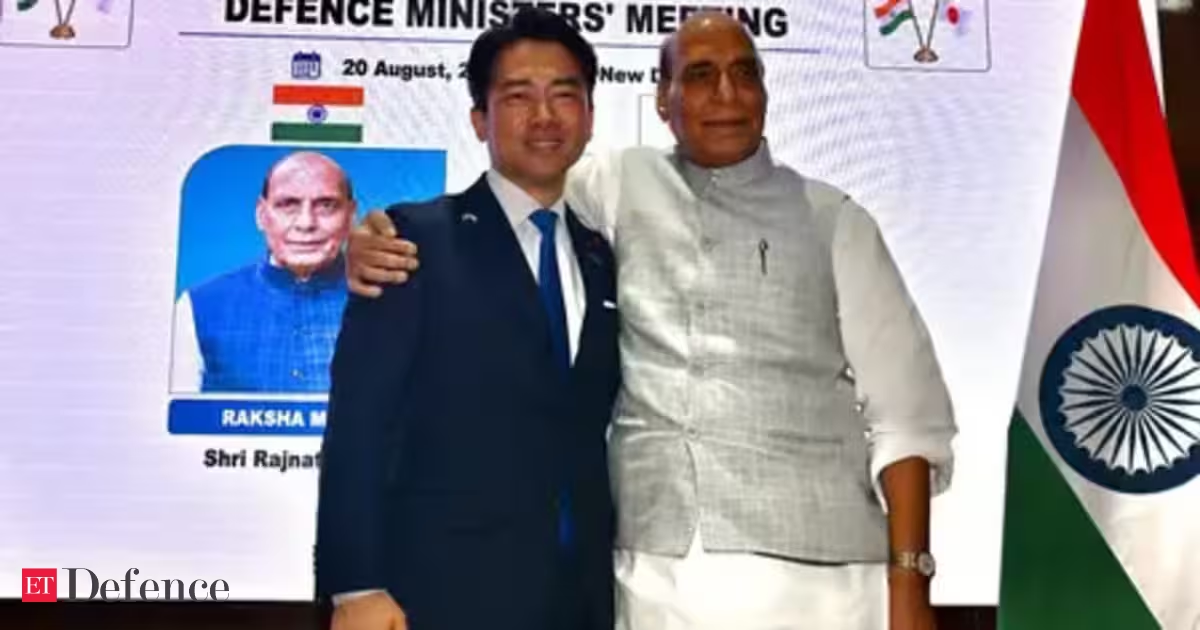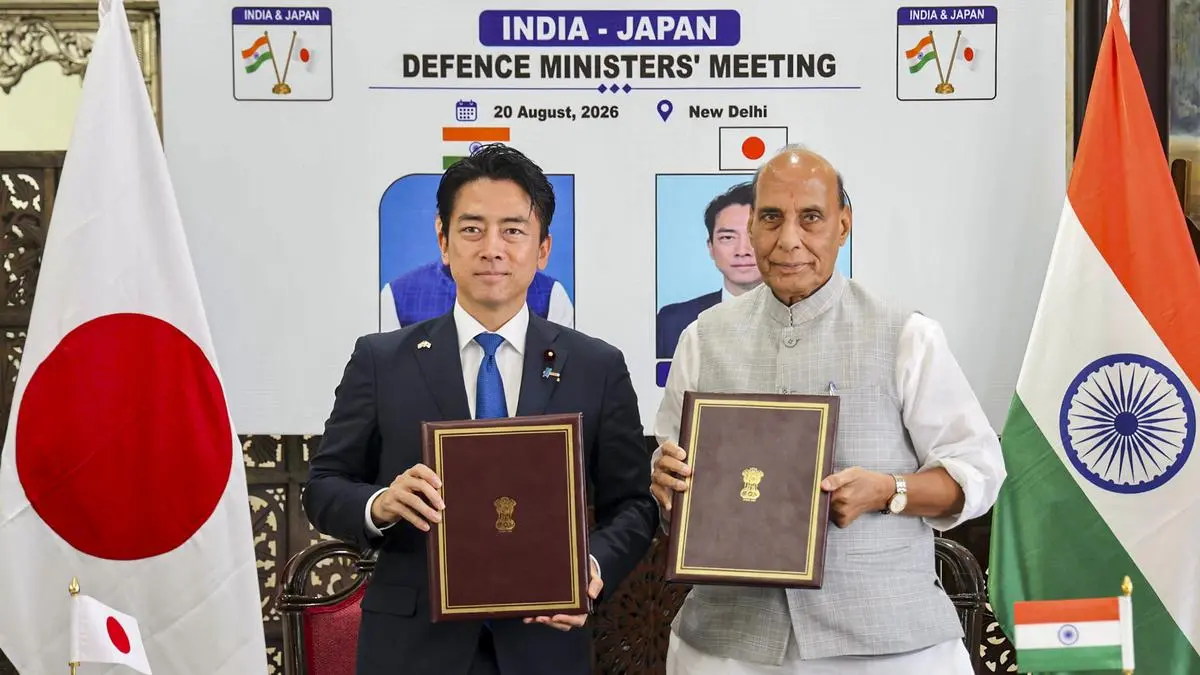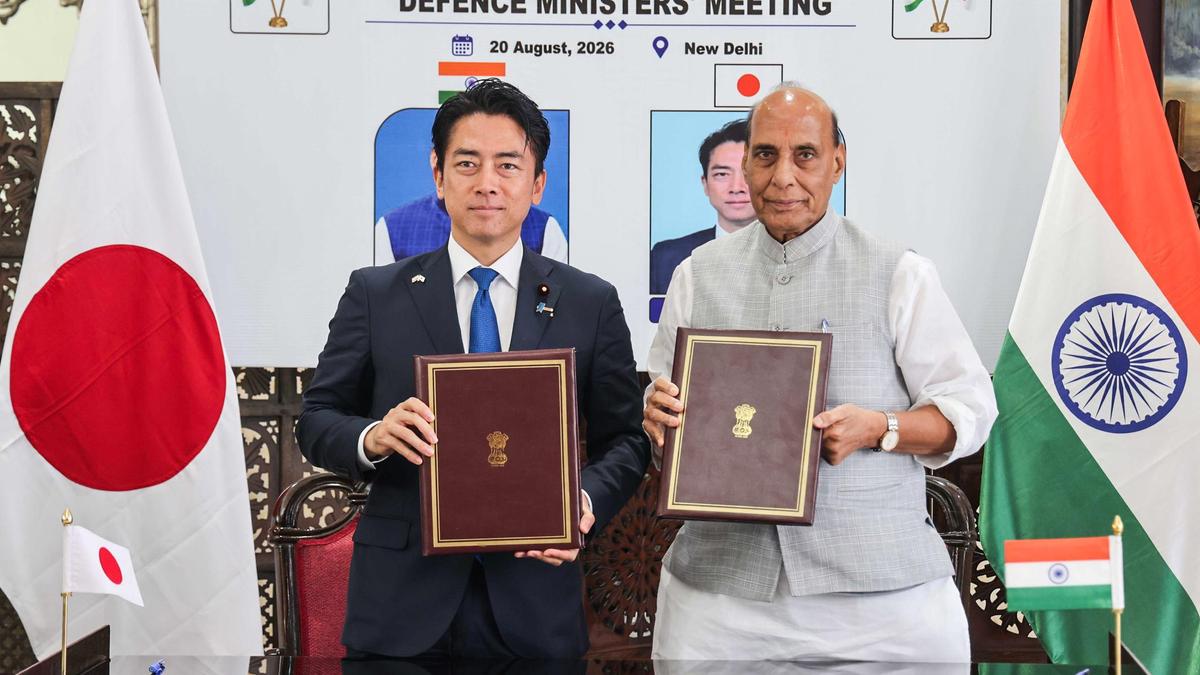
Union Defence Minister Rajnath Singh with his Japanese counterpart Shinjiro Koizumi during a bilateral meeting in New Delhi on Thursday
| Photo Credit:
With ongoing US-Iran conflict severely threatening critical sea lines of communication (SLOCs), India and Japan have also affirmed to strengthen coordination between both the sides for the protection of undersea communication infrastructure through mutual visits by naval ships and units.This emerged during the bilateral meeting between Defence Minister Rajnath Singh with his Japanese counterpart Shinjiro Koizumi in New Delhi on Thursday.At the bilateral meeting, the Ministries of Defense of the two countries signed a memorandum of arrangement on maritime security co-operation. Both the Ministers concurred on deepening operational cooperation in a practical and effective manner, as per a joint statement issued by the Defence Ministry after the conclusion of the bilateral talks.India and Japan rely on sea lines of communication for most of its trade, making maritime traffic security central to their individual national defence strategy. Due to that, both sides are trying to pool their respective operational capabilities to focus on choking-point surveillance, multi-domain tracking, and quick-response escort missions in case of any lurking threat or accident. They could damage communication infra through ship anchor drag, deep-sea sabotage and geopolitical blockades.For protection of maritime assets, both the sides also agreed to maximise synergies to enhance mine countermeasure capabilities — the need for which was again felt following the West Asia conflict. It demonstrated the strategic lethality of naval mines which Iran effectively used to disrupt maritime traffic and enforce a selective blockade in the Strait of Hormuz. Joint developmentThe two countries also agreed to explore the possibility of joint development in naval shipbuilding and design by leveraging Japan’s technological expertise and India’s production capabilities in accordance with their respective relevant policies, the joint statement stated, reflecting the deepening of ties as Tokyo looks for alternative military industrial engagement overcoming its sole reliance on the US.Given that the two sides are working for co-production of Unified Complex Radio Antenna (UNICORN) mast announced earlier, the joint statement stated that both were of the common view over leveraging each other’s strengths in the field of defense shipbuilding and related areas, and deepen discussions on Japan’s use of India’s production capabilities under the framework of “Make in India”.The DRDO and Japan’s ALTA will intensify engagement for exploring advanced defence technologies. Both the ministers also concurred on progressing reciprocal provision of ship repair facilities including the conclusion of ship repair arrangement in near future.Earlier in his opening remarks at the meeting, Shinjiro Koizumi appreciated “high capabilities and strong morale of the Indian Armed Forces” and Navy Chief Krishna Swaminathan during his previous day’s visit to Western Naval Command and the destroyer INS Chennai. “I can say that Swaminathan is a great person, not only as an admiral but also as the host of yesterday’s visit and today’s visit. I have a special place for India in my heart.”“On August 6, 2018, I visited India with fellow members of Parliament and participated in a memorial ceremony for the victims of the atomic bomb. India is probably the only Parliament outside Japan that holds such a ceremony every year, and I would like to express my respect and gratitude for this tradition,” he said while insisting that he was willing to work with the Indian Defence Minister to elevate the partnership to a level it should be. Rajnath Singh said coming together of India’s Mutual and Holistic Advancement for Security and Growth Across Regions (MAHASAGAR) vision and Japan’s Free and Open Indo-Pacific (FOIP) initiative is “more important now than ever before” as the maritime lifelines are facing growing vulnerabilities.“Our efforts to ensure freedom of navigation, overflight and unimpeded lawful commerce are not just an economic necessity but a strategic imperative. The security of the Indian Ocean and the Pacific Ocean is deeply interlinked,” he remarked during the bilateral talk.Published on August 20, 2026