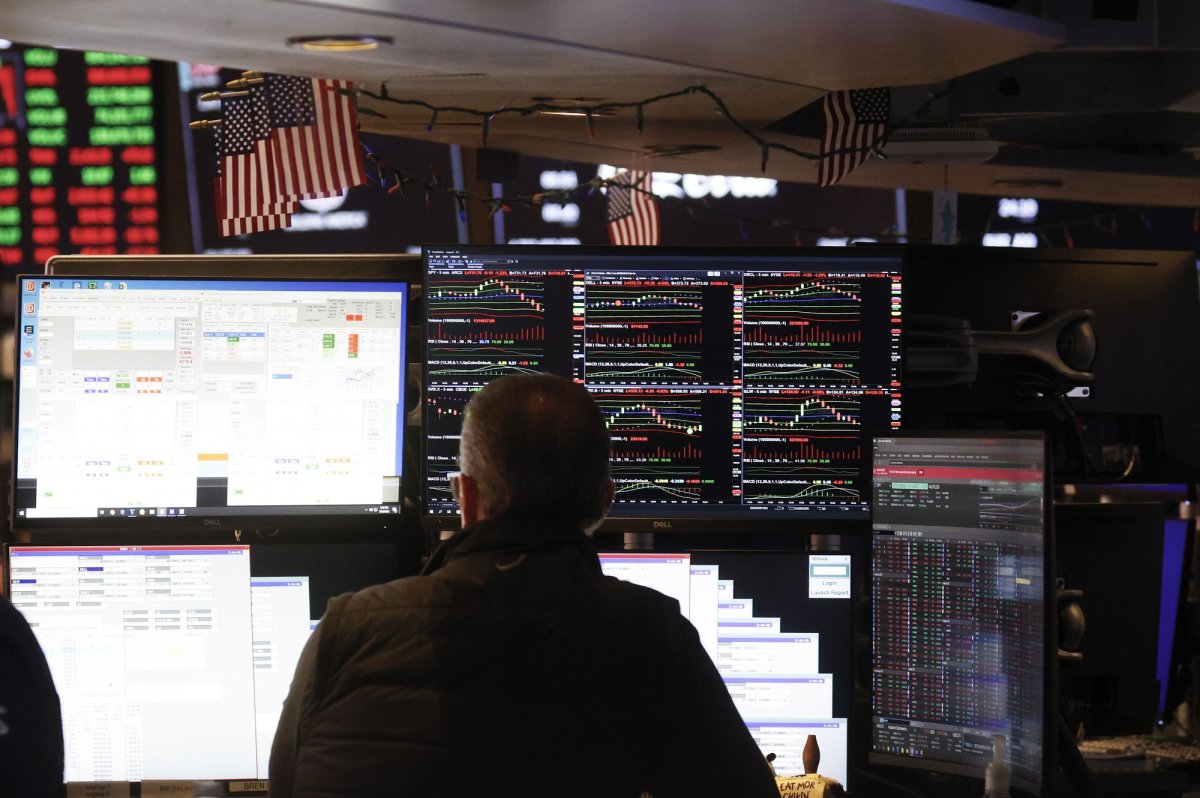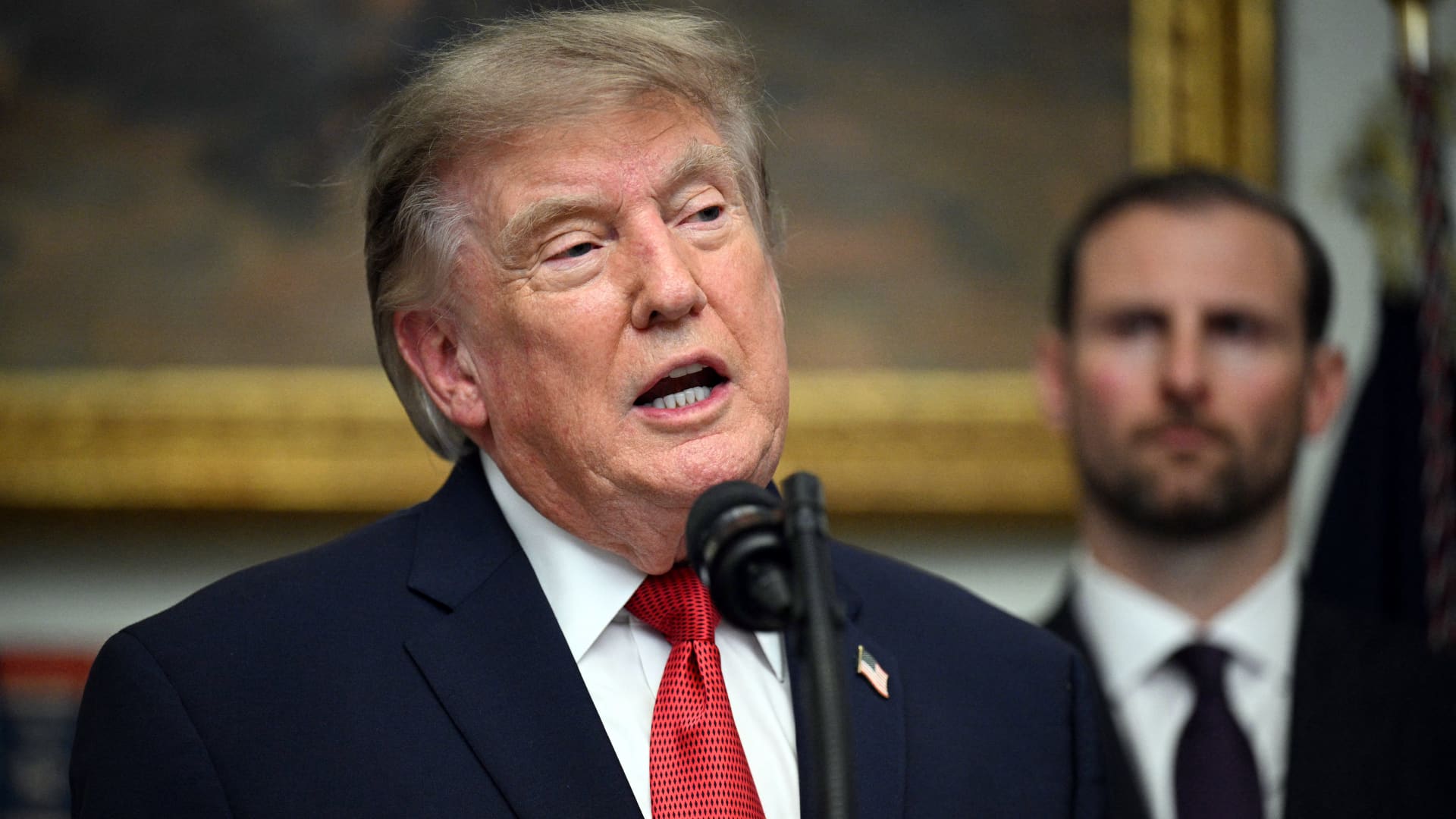
Oil prices rose to their highest levels in a month on Thursday after US President Donald Trump threatened Iran with what he called “economic D-Day,” warning that countries that help or do business with the Islamic Republic would face economic consequences.What happened: In an all-caps Truth Social post on Wednesday, Trump said the measures would be "the most crushing economic operation ever taken against any country.”“Today, I am also announcing that any country that allows its financial institutions, businesses, airports, or government entities to provide any type of lifeline to Iran will itself face tremendous economic consequences,” he added.Trump said assistance includes oil smuggling, swap lines, cash transfers, exchange houses, ship registries, and front companies.He said it will be an “economic D-Day” for Iran and called on US allies to help isolate and defeat Iran. Al-Monitor has contacted the US Treasury for more details.Why it matters: Trump’s threat marks an escalation of his maximum economic pressure campaign against Iran, extending the potential consequences beyond Tehran to countries that continue doing business with the Islamic Republic. It comes as US-Iranian talks have broken down over agreeing to a permanent end to the conflict, curbing Tehran’s nuclear program and reopening the Strait of Hormuz, the critical waterway that in peacetime carried a fifth of the world’s oil shipments.Brent crude, the global oil benchmark, rose more than 3%, to above $94 a barrel, following Trump’s comments, peaking at $94.67 at 8:18 a.m. EDT.Iran’s largest trading partner, China, pushed back against Trump’s plan. Beijing buys more than 80% of Iran’s exported oil, or roughly 1.4 million barrels per day.“Imposing sanctions and pressuring do not help to solve the issue,” China’s Foreign Ministry spokesman Lin Jian told reporters in Beijing. “China calls on relevant parties to take responsible measures and solve the issues through diplomatic and political means.”Iran also rejected Trump’s threat, with Foreign Minister Abbas Araghchi dismissing the campaign as a diversion from US domestic problems.Writing on X, Araghchi said the "so-called 'Economic D-Day' is a diversion from America's own crisis: unprecedented debt & surging interest costs."He added, "Doubling down on failed policies will only bring further defeat—and enmity of Iranians. US economic terrorism threatens global economy and sovereignty worldwide."Iran’s economy is already reeling from years of sanctions and the nearly six-month-old war. An estimate in April put damage to the country’s infrastructure at about $270 billion. The Iranian rial fell to a record low against the dollar in July, when the greenback reached 1,918,000 rials, while year-on-year inflation rose to 87.9% from a prewar 68.1%, according to the Statistical Center of Iran.A June ceasefire with the United States briefly provided Iran some relief. Iranian crude exports rebounded from just 64,900 barrels per day in May to roughly 1.76 million bpd in June after restrictions were eased, according to data compiled by the US-based advocacy group United Against Nuclear Iran. The exports were worth $4.5 billion that month as stored hydrocarbons left Iranian waters.That respite, however, was short-lived. Trump reinstated a blockade on Iranian ports on July 14 and revoked a waiver that had allowed Tehran to resume oil exports.Iran has endured Western sanctions for years, raising questions over whether further economic pressure will force the government to change course.Vali Nasr, the Majid Khadduri Professor of International Affairs and Middle East Studies at Johns Hopkins-SAIS and a former US State Department adviser, said the latest measures are unlikely to force Iran to capitulate to Washington’s demands.“Their stated goal is that Trump return to and implement the MoU,” Nasr told Al-Monitor, referring to the interim pact toward a ceasefire announced by the two sides in June.Know more: The Trump administration has already pressured the United Arab Emirates over its economic ties with Iran, previously threatening Abu Dhabi with tariffs over its continued engagement with Tehran.The UAE said on Tuesday that it had cut trade ties with Iran, a significant move given its longstanding role as one of Tehran’s most important economic partners. The UAE has been Iran’s largest import market over the past five years, while Dubai has served as a major hub for financial flows linked to the Islamic Republic.The announcement also followed Iran firing two ballistic missiles toward the UAE, triggering the Gulf country’s air defenses for the first time since May.
Trump’s Iran ‘economic D-Day’ threat sends oil prices above $94
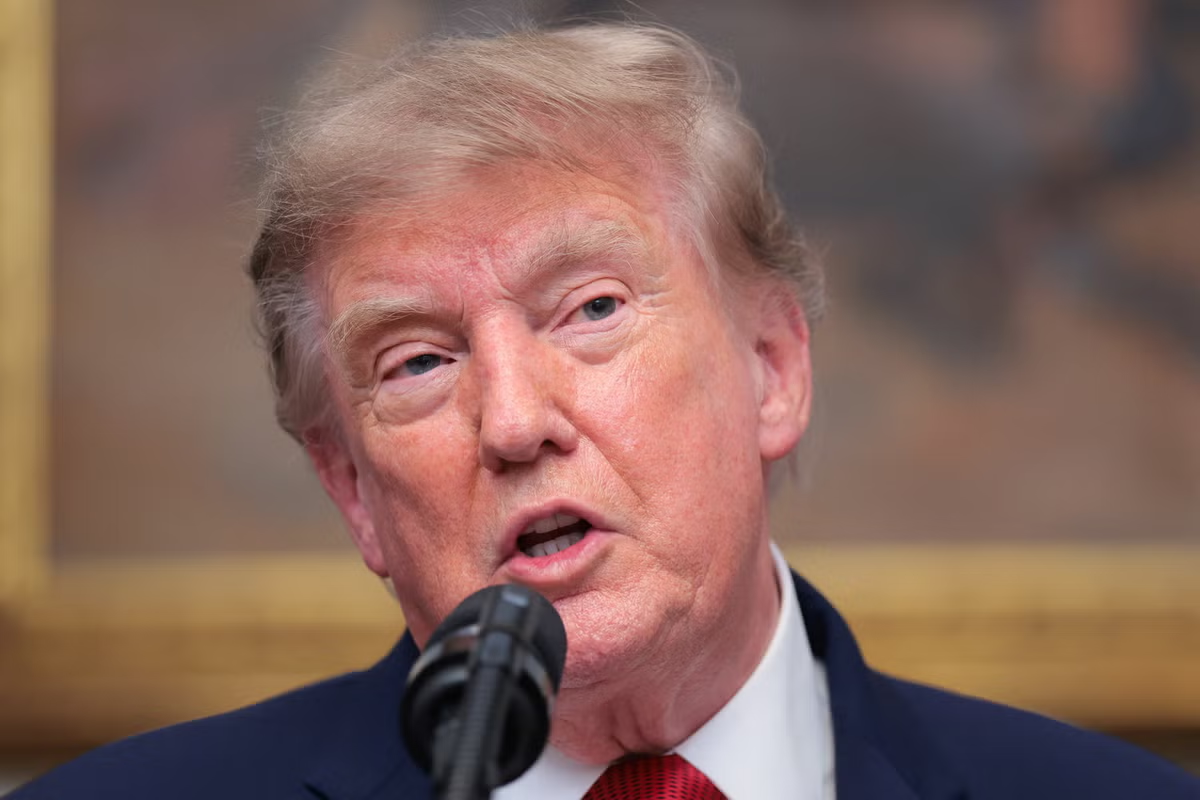
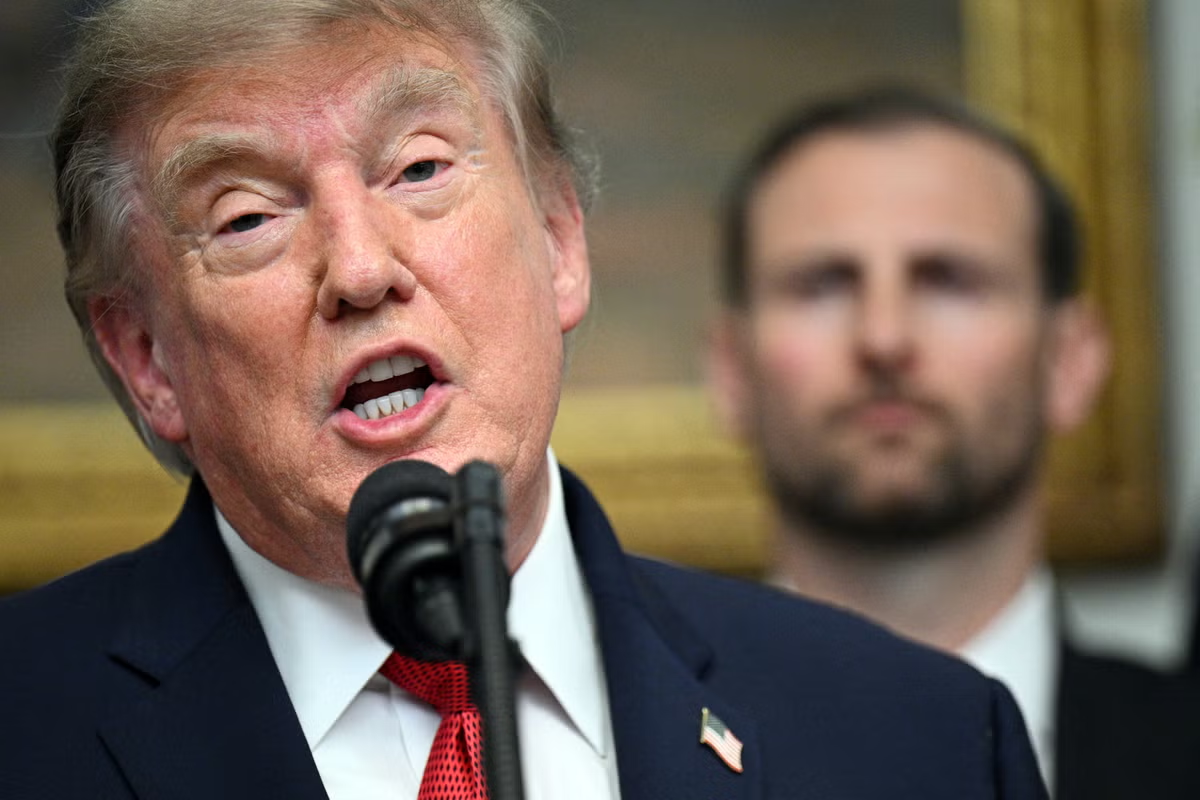
In a Truth Social post, the president threatened that any country that provides a financial lifeline to Iran will face "tremendous economic consequences."
735 words~3 min read