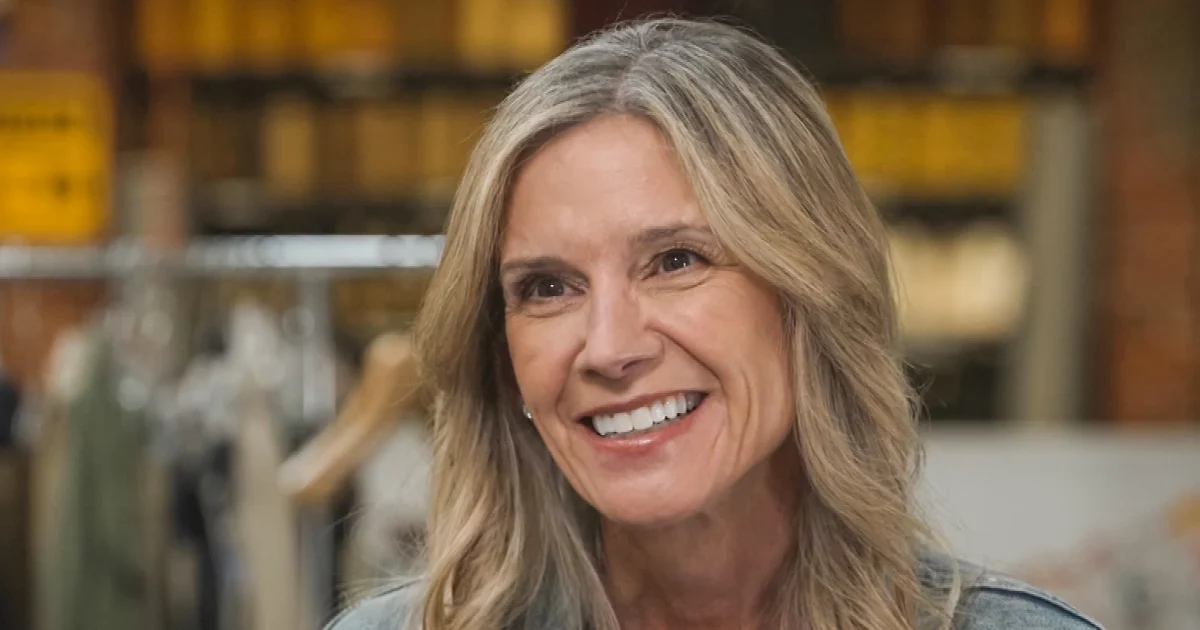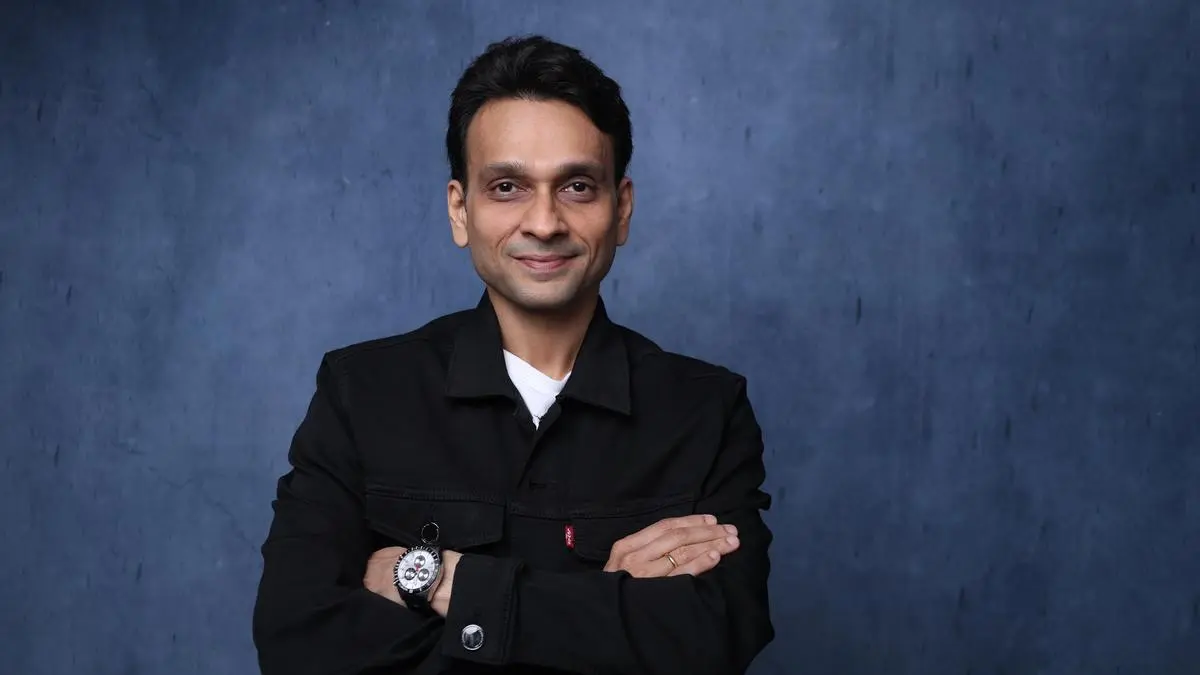
Hiren Gor, Managing Director, SAMEA, Levi Strauss & Co
Levi Strauss & Co is betting on India to play a pivotal role in its ambition to become a $10 billion company. The denim major sees headroom for growth not just in jeans but across women’s wear, tops, and premium products.“India has always been referred to as one of the pivotal countries that will contribute to this ambition in a big way,” Hiren Gor, Managing Director, South Asia, Middle East & Africa (SAMEA), Levi Strauss & Co, said in an interaction with businessline.This comes as the company continues to see momentum in its international business. For the quarter ended May, Levi Strauss reported a net revenue of $1.6 billion, up 8 per cent year-on-year, while Asia revenue rose 10 per cent. The NYSE-listed company’s financial year starts in December.International markets currently account for about 60 per cent of the group’s global revenue, with India among its top six markets. Its India business had reported sales of ₹1,668.7 crore in FY24, according to RoC filings, while profit declined 13.4 per cent to ₹159.4 crore.Both its denim and non-denim businesses in India, said Gor, are growing in the mid-double digits, with women’s wear outpacing men’s. “Men’s business still makes the larger component of our business, but women’s products are growing faster,” he added.The premium segment is also growing in high double digits, while the company’s Red Loop premium proposition accounts for about 15 per cent of its men’s business.The shift is significant for a brand historically synonymous with jeans. Levi’s now sells more than one top for every bottom, according to Gor, with tops, non-denims, and women’s wear becoming important avenues to increase consumer engagement and wardrobe penetration.The company is also seeing consumers buy more denim as fashion cycles create additional use cases. The shift from skinny and slim fits towards loose, baggy, wide-leg, and flare silhouettes has created more occasions to buy denim, while premium ranges such as Red Loop are targeting higher-stakes social occasions.95% made in IndiaBeyond consumption, India is also becoming an important part of Levi’s supply chain. Gor said more than 95 per cent of Levi’s India consumption is made or built in India, with a broad supplier base spread across the country.Importantly, the sourcing is not restricted to the domestic market. “India is also producing for the globe along with many other source bases across the world,” Gor said.This could give India a larger role as global apparel supply chains diversify, particularly as the country builds integrated textile and apparel manufacturing infrastructure.500 storesOn the retail side, Levi’s is touching its 500th store mark, a milestone Gor described as significant for the brand’s reach across consumer catchments.Rather than setting a target for store count, Levi’s is looking to open larger stores with wider assortments in key cities and catchments, alongside its online platform, marketplaces, and shop-in-shop network.Published on August 20, 2026