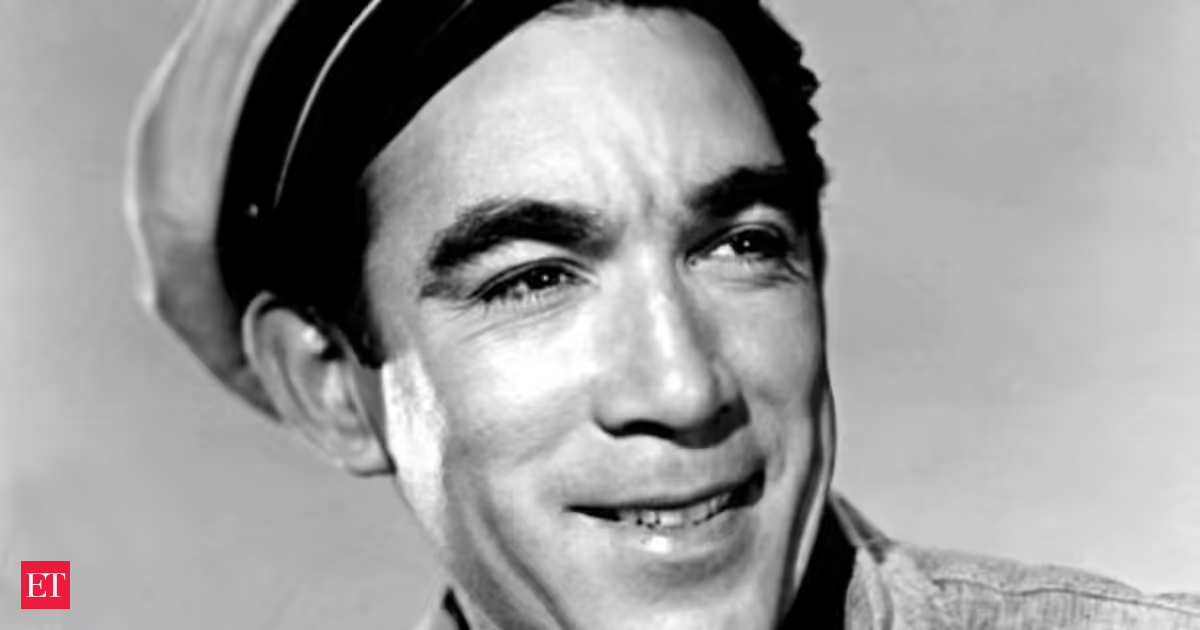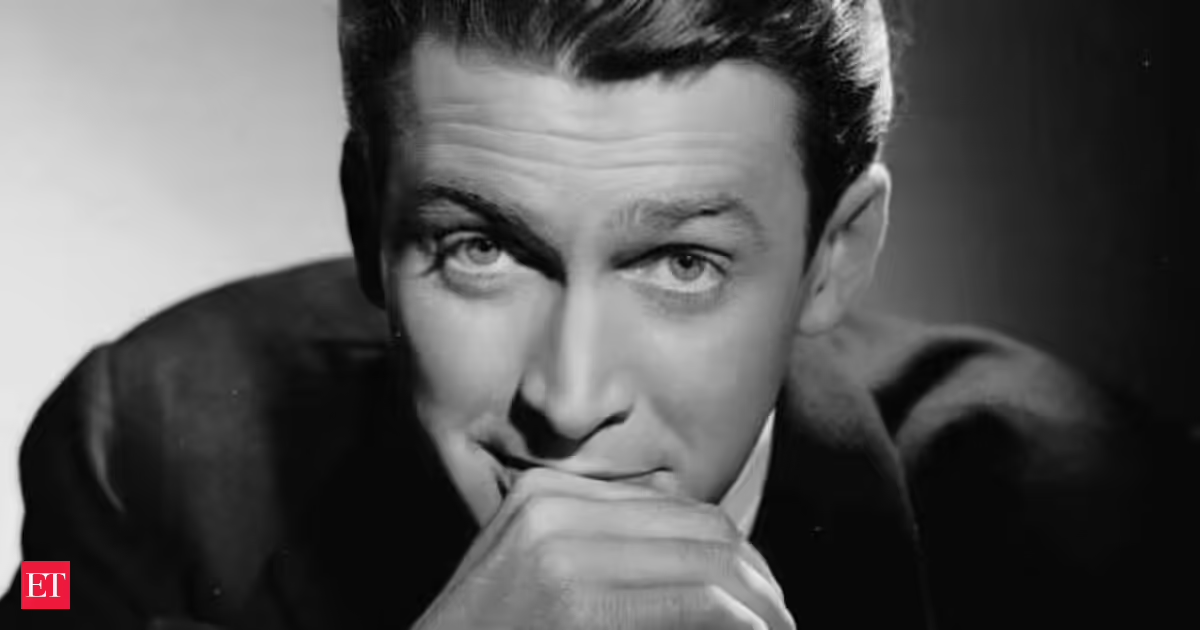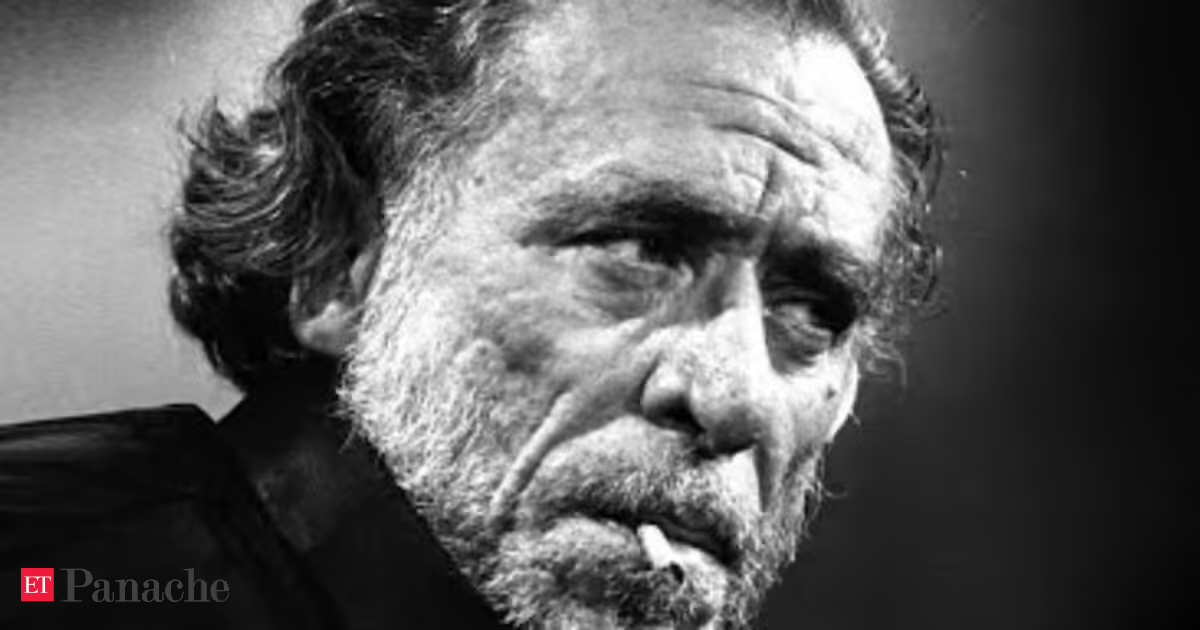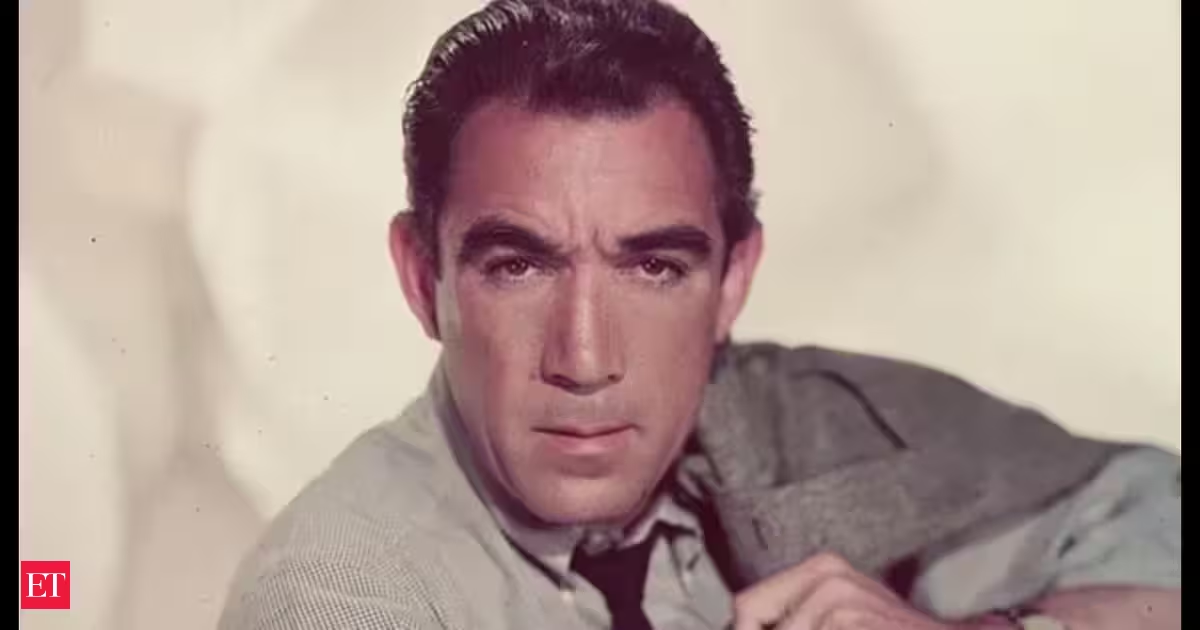
Quote of the Day by Anthony Quinn: Truth has the power to make art meaningful and authentic. It can help performers connect deeply with their characters, communicate genuine emotions, and create experiences that feel real to an audience. However, true artistic expression also requires the courage to remain honest even when that honesty may not receive immediate approval or appreciation.His powerful quote, “On the stage, you have to find truth, even if you have to lose the audience,” highlights the importance of authenticity, courage, and emotional honesty in performance. In today’s world of entertainment, social media, public opinion, and constant pressure to gain attention, this quote still carries deep significance. It reminds us that genuine expression should not always be sacrificed simply to please others. Quinn’s words continue to inspire discussions about artistic integrity, confidence, individuality, and the importance of staying true to oneself even when the audience may not immediately understand or accept the message.Quote of the Day Today: Anthony Quinn on approval, truth and confidenceQuote of the Day by Anthony Quinn: “On the stage, you have to find truth, even if you have to lose the audience” , as per QuoteFancyMeaning of Anthony Quinn’s Quote About ActingAnthony Quinn’s quote, “On the stage, you have to find truth, even if you have to lose the audience,” explores the deep importance of authenticity, emotional honesty, and artistic integrity in acting. The phrase “find truth” symbolizes the need for performers to understand and express genuine emotions rather than simply delivering a performance designed to impress or entertain. Quinn suggests that a truly meaningful performance should remain faithful to the character and story, even when the audience may not immediately respond positively.However, the deeper meaning of the quote emphasizes that authentic expression sometimes requires courage and the willingness to risk approval. Instead of changing an honest performance simply to satisfy others, an actor should remain committed to emotional truth and artistic integrity. This lesson extends beyond acting, reminding people that staying true to themselves can sometimes be more important than seeking acceptance or popularity. Authenticity, courage, and honesty can create a lasting impact even when they are not immediately understood.Why You Should Stay True to YourselfStaying true to yourself means remaining honest about your values, beliefs, emotions, and identity instead of changing yourself simply to gain approval from others. Staying authentic helps build confidence because you learn to trust your own judgment rather than depending entirely on outside opinions. It also creates healthier relationships, as people can connect with you genuinely instead of with an image you created to please them. In creative fields such as acting, writing, or art, authenticity can make expression more meaningful and emotionally powerful. Anthony Quinn’s words remind us that truth may sometimes be unpopular, but that does not make it less valuable. In a world where social pressure can influence how people behave and present themselves, staying true to yourself encourages courage, integrity, self-respect, and genuine personal growth.Early Life of Anthony QuinnAnthony Quinn was born on April 21, 1915, in Chihuahua, Mexico, and grew up in Los Angeles, California, in a family of Mexican and Irish heritage. His father, Francisco Quinn, worked as a revolutionary and later became involved in law enforcement, while his mother, Manuela Oaxaca, was of Mexican descent. Quinn experienced a difficult childhood and left school at a relatively young age. Before becoming an actor, he explored different interests and worked in various occupations. His early experiences exposed him to different cultures and social environments, helping shape the strong personality and emotional understanding that later became important in his acting career.Education and Early Artistic DevelopmentQuinn did not follow a conventional academic path, but he developed an early interest in art and performance. As a young man, he studied architecture under Frank Lloyd Wright and briefly considered pursuing a career in the arts outside acting. His exposure to architecture, design, and creative expression helped develop his appreciation for artistic detail. However, Quinn eventually turned toward acting and began taking small roles in films during the 1930s. His determination and natural ability gradually opened opportunities for him in Hollywood.Rise as an Actor and International FameAnthony Quinn became one of the most respected actors of his generation, building a career that lasted for more than six decades. He appeared in numerous films and became particularly known for portraying strong, complex, and passionate characters. His performances in Viva Zapata! and Lust for Life earned him Academy Awards for Best Supporting Actor. He later achieved international fame for his role as Alexis Zorba in Zorba the Greek, a performance that became one of the defining roles of his career. Quinn’s powerful screen presence and emotional intensity established him as a major figure in international cinema.Fame, Artistic Challenges, and Personal LifeAt the height of his career, Quinn was celebrated for his versatility and ability to portray characters from different cultures, backgrounds, and social circumstances. He worked with some of the most important filmmakers and actors of the twentieth century and continued accepting challenging roles throughout his career. Beyond acting, he also explored painting, sculpture, and writing, demonstrating his wide-ranging artistic interests. His long career reflected both his determination and his willingness to continue developing creatively rather than being limited to a single type of role.Legacy and Lasting InfluenceAnthony Quinn died on June 3, 2001, in Boston, Massachusetts, at the age of 86. He left behind an extraordinary body of work spanning film, television, theater, and the visual arts. Remembered for his powerful performances, emotional intensity, and remarkable versatility, Quinn remains an important figure in the history of cinema. His career demonstrated the value of authenticity and artistic commitment, ideas reflected in his famous observation about finding truth on stage. His work continues to be remembered by audiences, actors, and filmmakers around the world.Life Lessons from Anthony Quinn’s Famous QuoteAnthony Quinn’s quote teaches that authenticity, honesty, and emotional truth should remain at the heart of meaningful artistic expression. A performance should not simply be designed to please an audience, but should communicate something genuine and emotionally believable. The quote highlights that finding truth sometimes requires courage, especially when honest expression may not receive immediate approval. In acting and in everyday life, this message encourages people to remain faithful to their values rather than constantly changing themselves to satisfy others. Quinn’s words remind us that genuine expression can be more meaningful than popularity, and that staying true to oneself can build confidence, integrity, and emotional strength.Why This Quote Still Matters TodayAnthony Quinn’s quote remains highly relevant today because people constantly face pressure to gain approval, attention, and acceptance from others. In a world shaped by social media, public opinion, and entertainment culture, it can be tempting to present an image that receives praise rather than expressing what is genuinely true. Quinn’s words remind us that authenticity sometimes requires the courage to stand apart from the crowd. Whether on stage, at work, in relationships, or in personal life, meaningful expression comes from honesty and self-belief. His message continues to highlight the importance of choosing truth over popularity and artistic integrity over simply pleasing an audience.Truth WisdomAnthony Quinn’s quote, “On the stage, you have to find truth, even if you have to lose the audience,” reflects a timeless truth about authenticity, courage, and emotional honesty. Meaningful relationships, like meaningful performances, are built on trust, openness, and genuine expression. People should not feel pressured to hide their true emotions or change who they are simply to gain approval from others. Instead, healthy connections should provide space for honesty, individuality, and emotional understanding. This wisdom continues to remain relevant because relationships can sometimes involve the pressure to please or impress others. True companionship is not about performing a role for someone else, but about being honest, vulnerable, and accepted for who you genuinely are.
Quote of the Day by Anthony Quinn: “On the stage, you have to find truth, even if… – Inspiring lessons on authenticity, courage, honesty, integrity and why you should not compromise your principles by the Mexican-American actor known for his powerful performances and deep insights on human nature and creativity
Quote of the Day by Anthony Quinn: Anthony Quinns quote, “On the stage, you have to find truth, even if you have to lose the audience,” explores the importance of authenticity, honesty, and emotional truth in acting and artistic expression. The quote suggests that a performer should remain faithful to the character, the story, and genuine emotion rather than changing a performance simply to please the audience or gain approval.
1,299 words~6 min read