Something has changed in the data-center story, Morgan Stanley warned this week: Money doesn’t talk the way it used to.
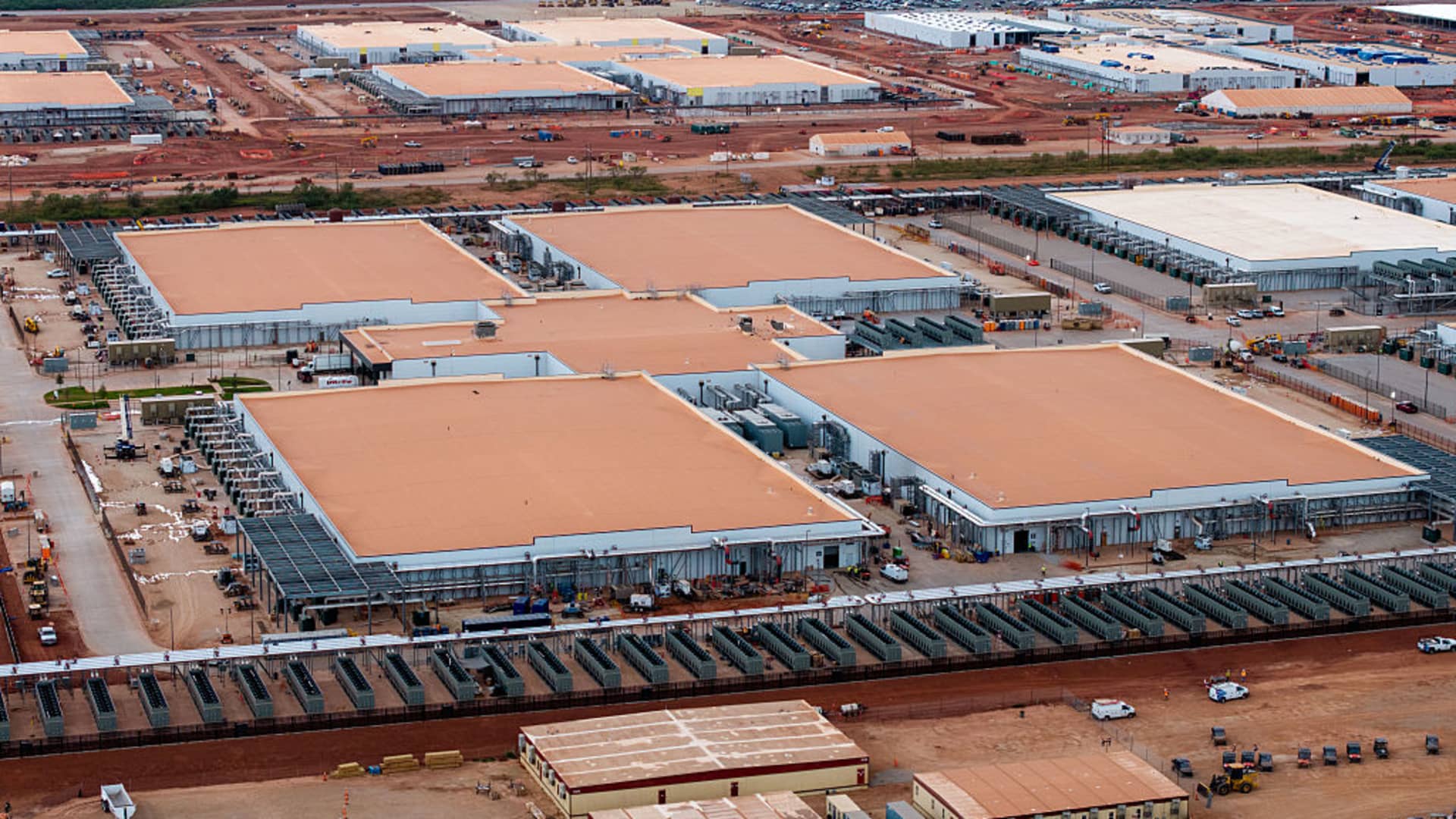
For years, the formula for building a data center in America was straightforward: Find cheap land, line up enormous amounts of electricity, and arrive with a sizable tax-incentive package. Not in the election year of 2026.
“Capital alone no longer clears a site,” the investment bank wrote in an Aug. 17 research report, arguing community resistance to data centers has grown from a public-relations challenge into a material development risk. Citing two expert sessions on the topic, the team led by strategist Michelle Weaver, the bank argued political backlash must now be “underwritten like land, power, or labor.”
The warning lands at a fraught moment in the broader race to build AI. The U.S. and China are competing to dominate a technology that most analysts believe will reshape the global economy, military balance, and scientific capacity for decades. Data centers are the factories of that race—the physical infrastructure on which AI models are trained, run, and deployed at scale. China’s government can build them where it wants, when it wants, with limited friction from the communities that surround new facilities. American developers, increasingly, cannot.