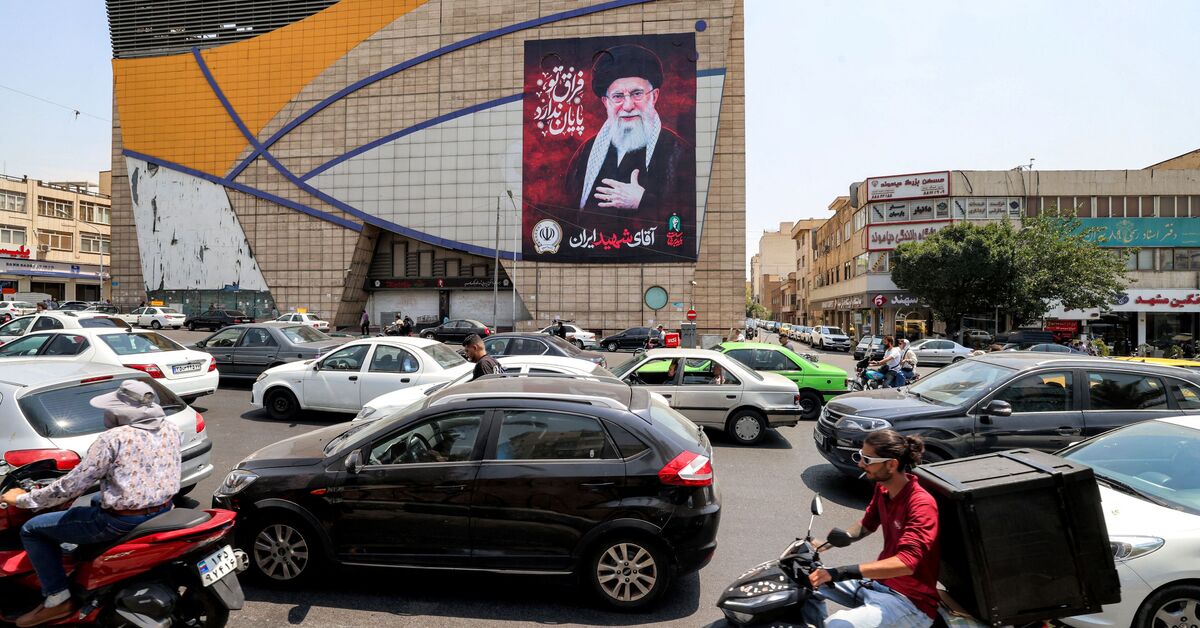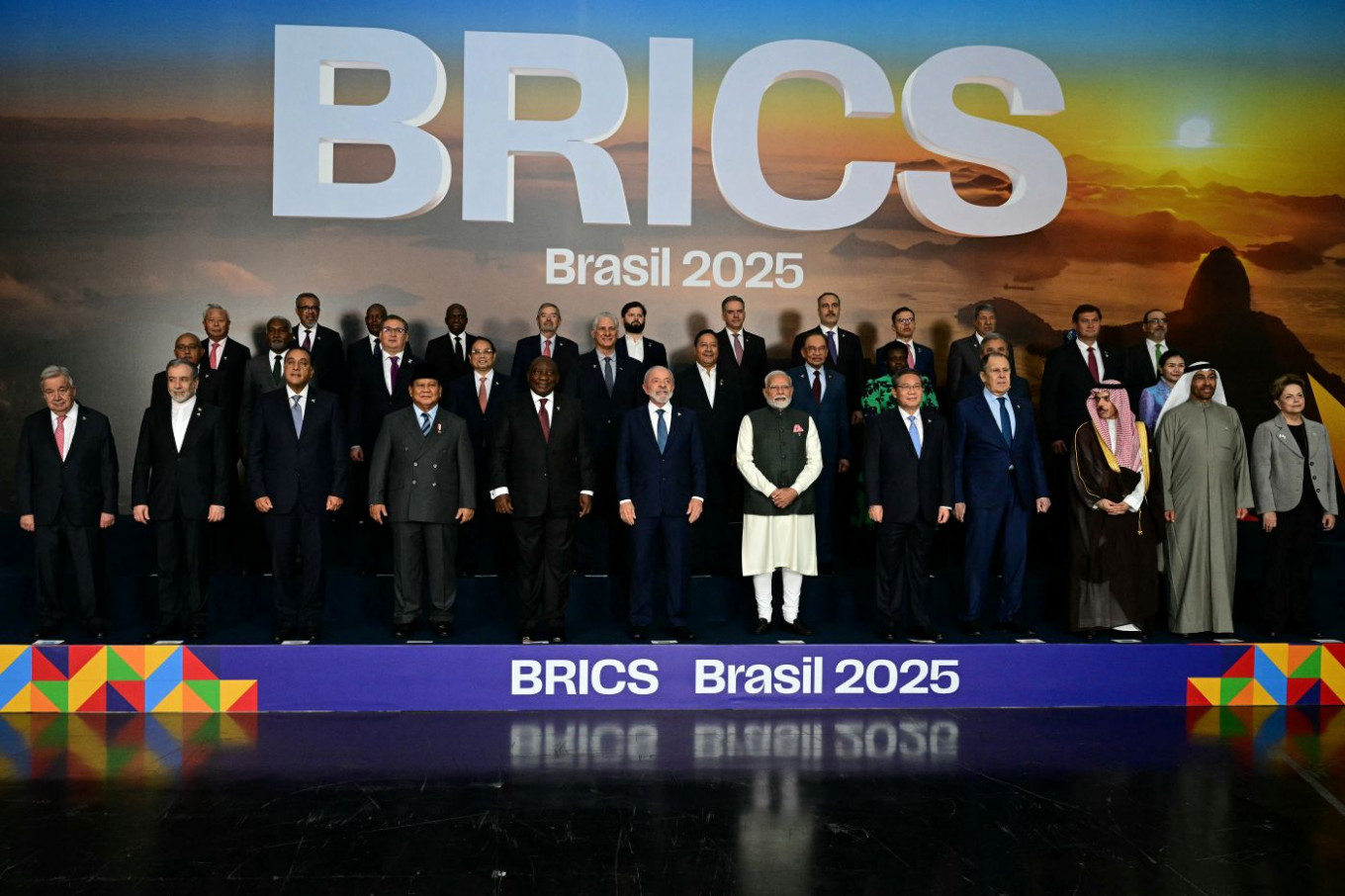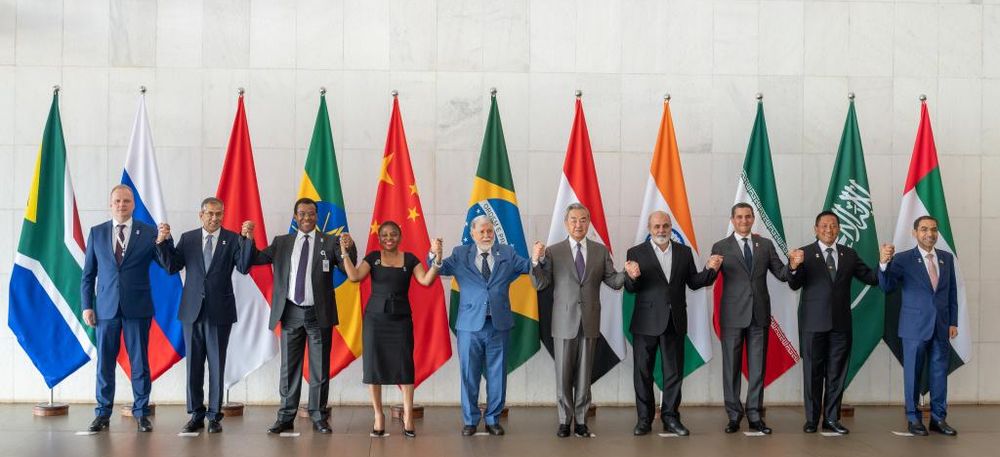
Chinese Foreign Minister Wang Yi, also a member of the Political Bureau of the Communist Party of China (CPC) Central Committee and director of the Office of the Central Commission for Foreign Affairs, poses for a group photo with other participants of the 15th Meeting of BRICS National Security Advisers
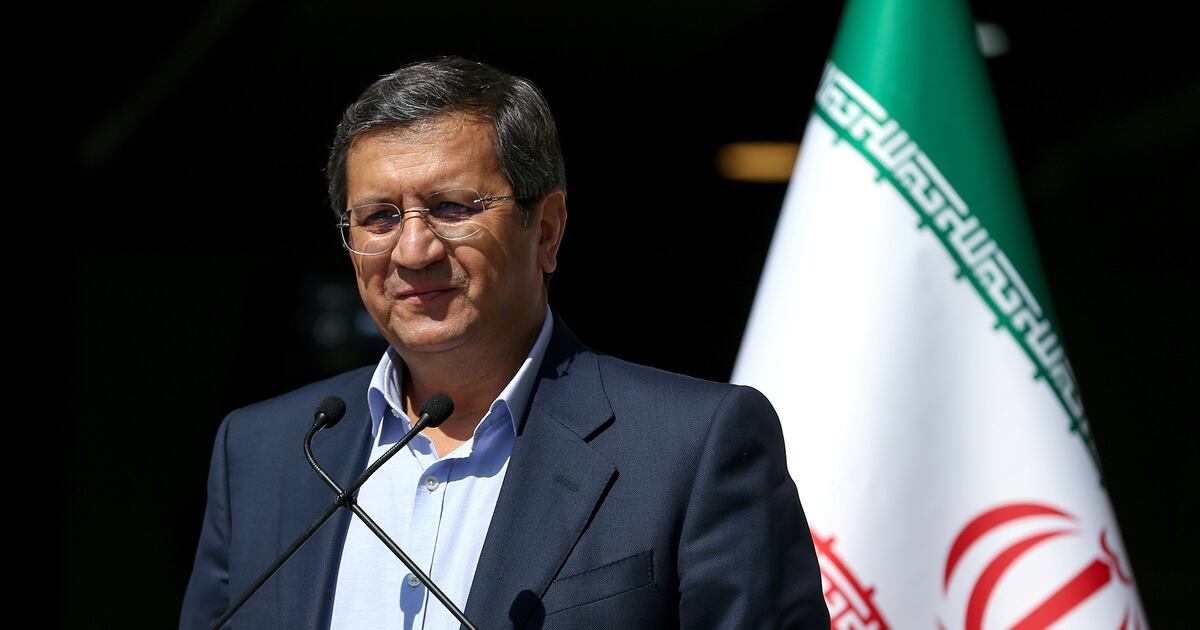
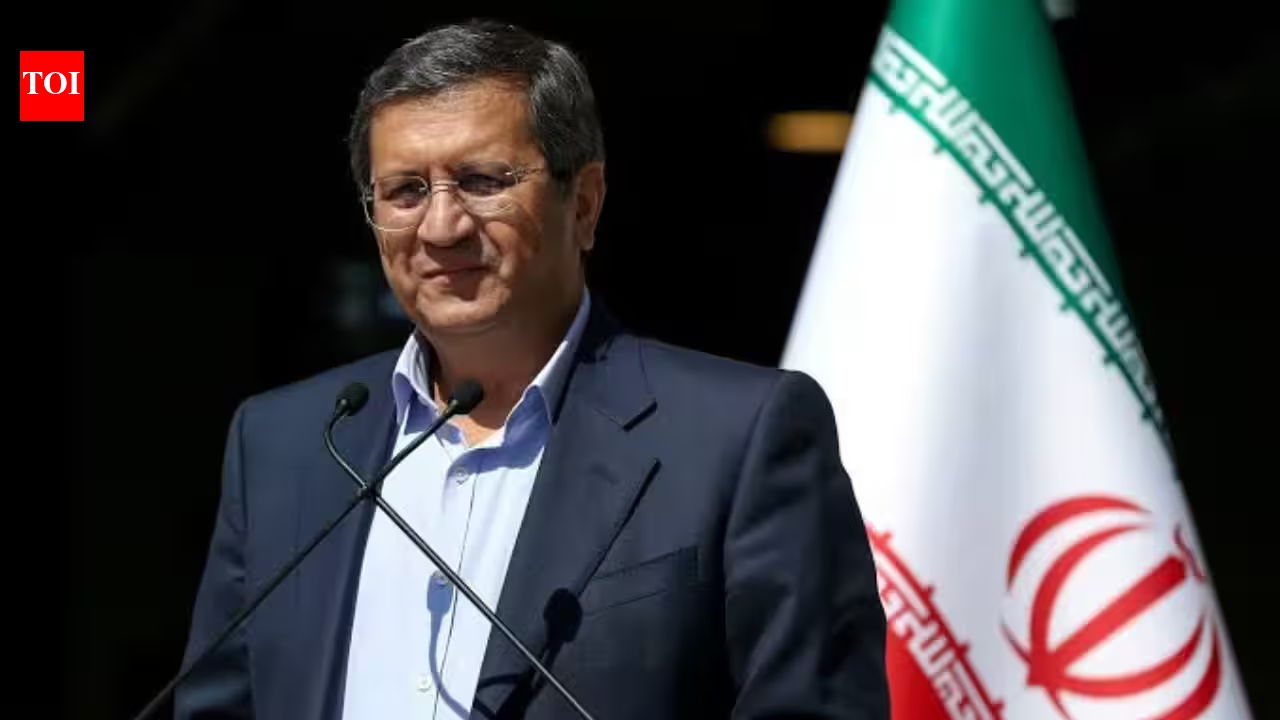
Iran wants BRICS to stop talking and start building. That was the blunt message from Abdolnasser Hemmati, governor of the Central Bank of Iran, when he stood up at the first-ever meeting of BRICS finance ministers and central bank governors, hosted by India in Jaipur earlier this August.
Hemmati's pitch was simple. He advocated for the creation of a dedicated BRICS financial corridor and links the payment systems of member countries together. He argued that real infrastructure like banks and traders can actually be used to move money across borders, safely, cheaply and without leaning on financial networks controlled from outside the bloc.
He laid out the logic plainly. If BRICS countries hook their national payment systems together and lean more heavily on their own currencies for trade, transactions get faster, costs come down, and the whole system becomes harder to disrupt. For a country like Iran, which has spent years locked out of the SWIFT network and boxed in by US sanctions, more so now more than ever with the war, this becomes a survival strategy.