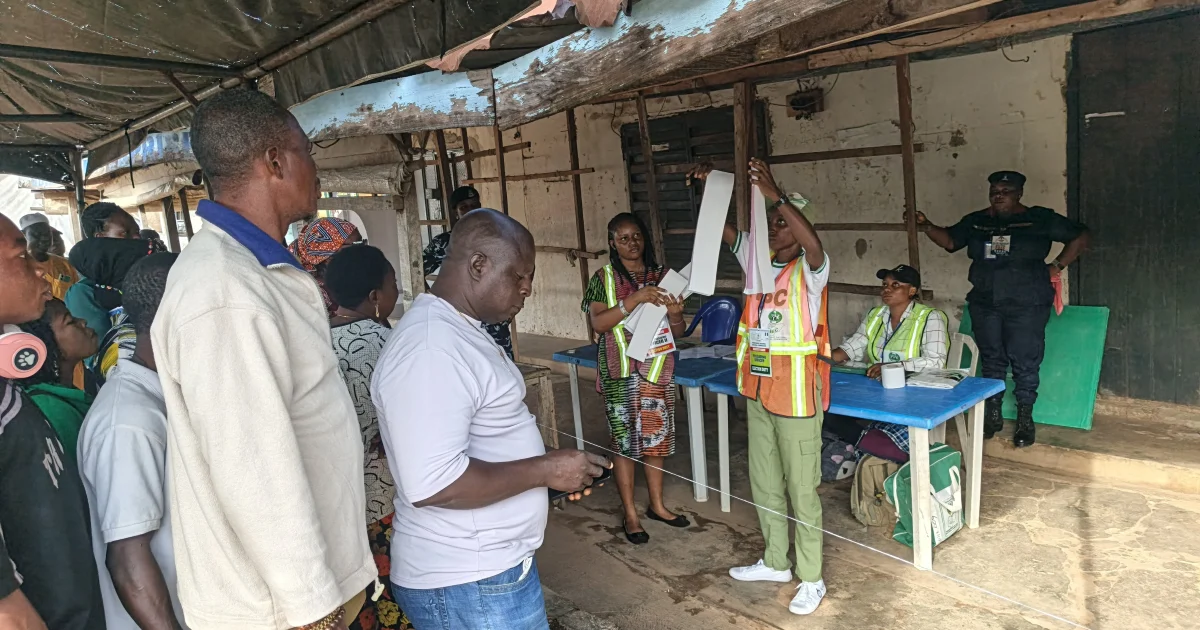
For much of Nigeria’s electoral history, the most dangerous journey in an election has begun after the voter casts the ballot. Ballots may be counted and result sheets signed openly at the polling unit in the presence of voters and party agents, but the physical movement of results through ward, local government and state collation centres has historically created vulnerabilities to alteration, substitution, mutilation and outright fabrication. Judicial records and successive national electoral reform interventions like the Babalakin Commission of Inquiry into the affairs of the Federal Electoral Commission (1986), the Uwais Electoral Reform Committee (2008) and the Nnamani Committee on Constitution and Electoral Reform (2017) converge on a single diagnosis: election results manipulation has been embedded in the pathology of Nigeria’s electoral politics. The enduring challenge, therefore, has been how to protect the integrity of polling-unit results throughout their journey to final declaration.
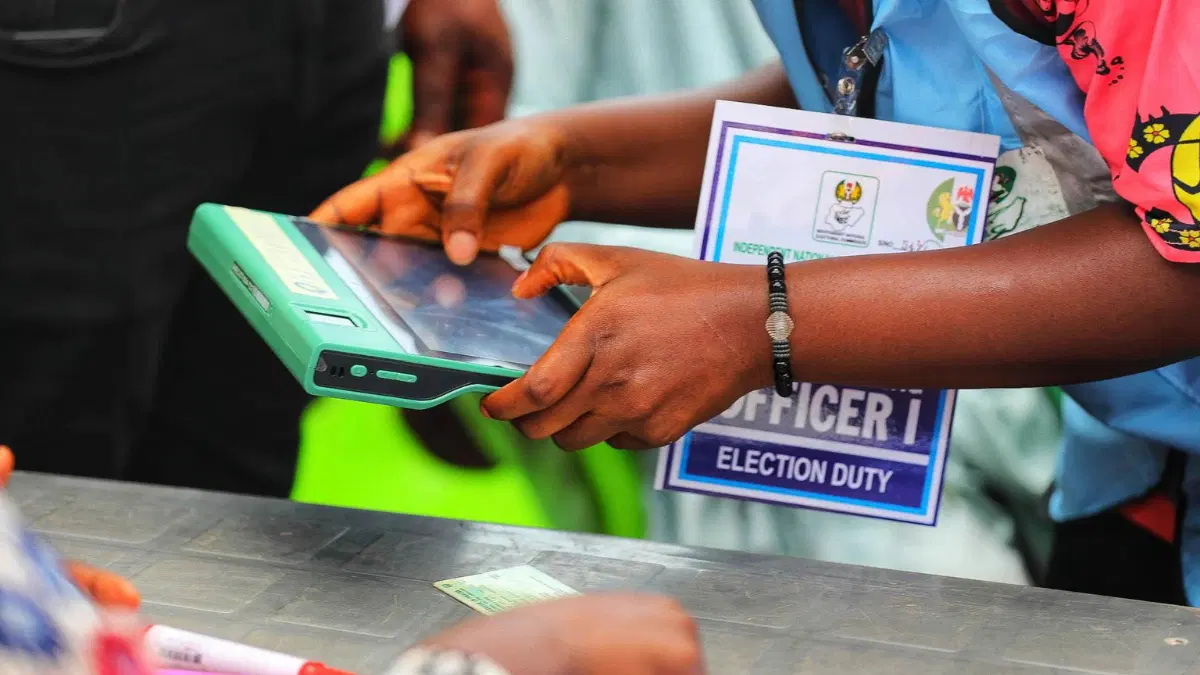
The INEC Result Viewing Portal, IReV, was conceived as solution to the perennial case of election results manipulation. The promise of this innovative technological tool was simple but equally transformative: make the polling-unit result visible to the public to deter manipulation, substitution and manufacture of fake results during collation at the ward, local government and state levels. Under the system, polling officials use the Bimodal Voter Accreditation System (BVAS) to capture images of completed polling-unit result sheets and transmit them to IReV, creating a publicly accessible record against which subsequent collation can be scrutinised.