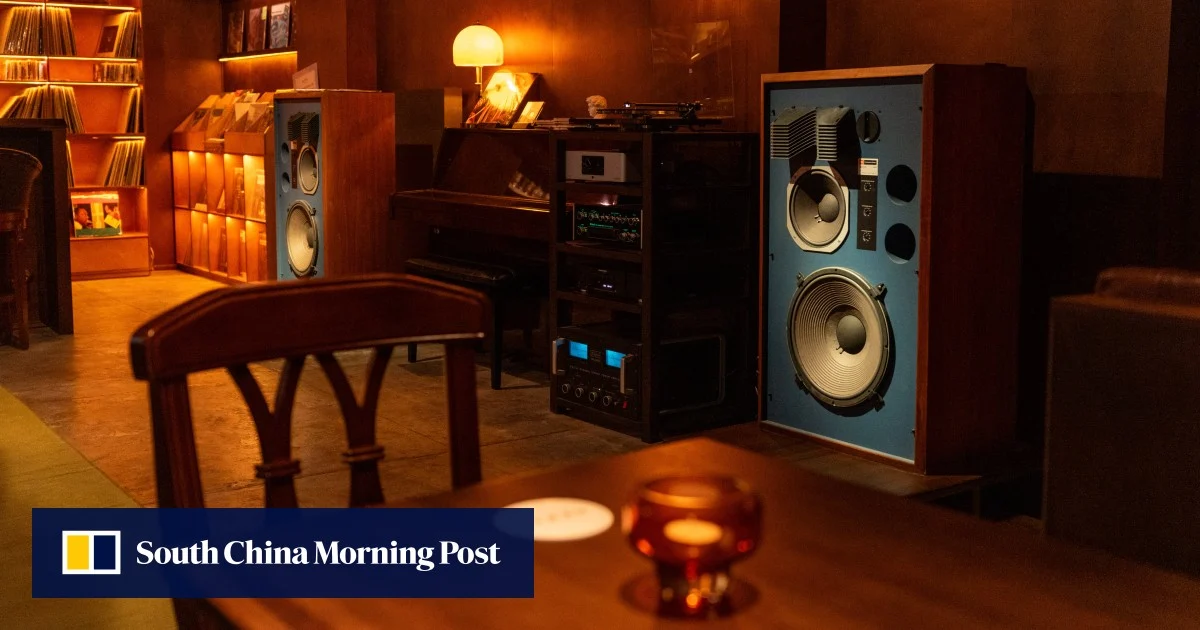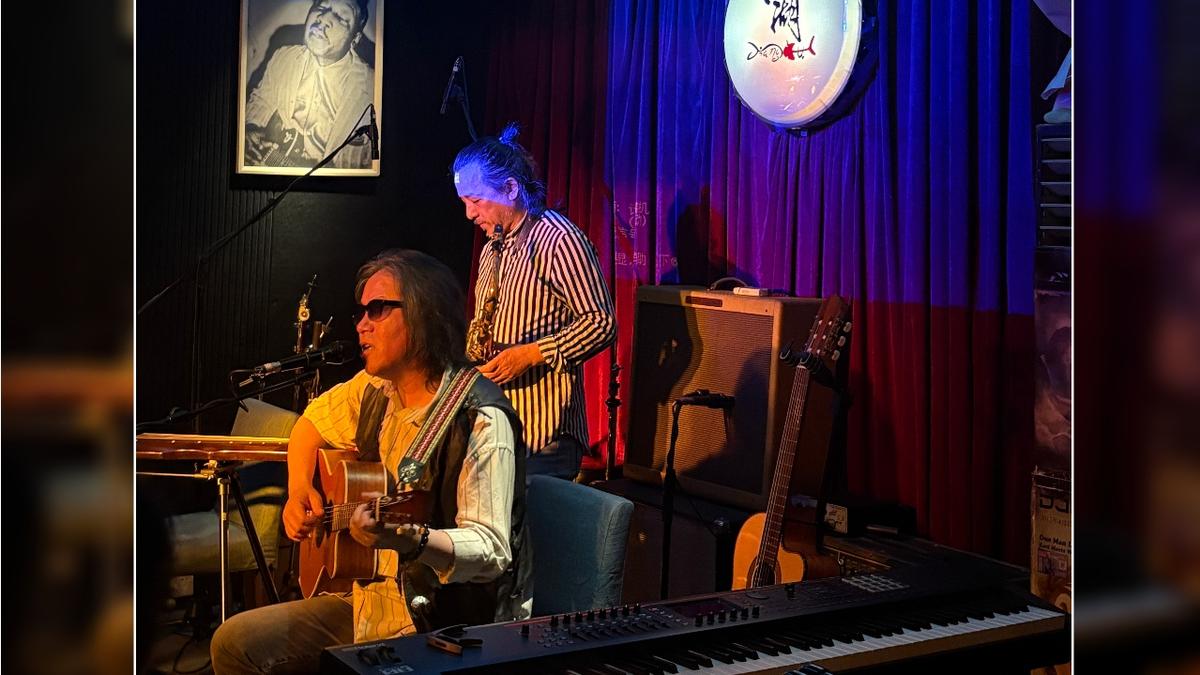
The day after the night before, Jiang Hu, a hole-in-the-wall Beijing bar and live music venue, tucked away inside a hutong alleyway not far from the Forbidden City, is unrecognisable. As I push open the unlocked wooden doors, the bar is entirely empty. The alley outside is silent and still.The previous evening was anything but. For more than two decades, Jiang Hu has been something of a Beijing institution. As other bars and live houses popped up and faded away, part of the waxing and waning that has been a trademark of cultural life in the Chinese capital, Jiang Hu persevered.I arrive on a warm evening to find a long queue snaking its way into the hutong. I am half an hour early, but by the time I make my way in, there is barely enough room to stand. A packed crowd waits impatiently, and breaks into applause and hoots as the star of the evening, Zhou Yunpeng, sunglasses on, strides on to the small stage, guitar in hand.Zhou lost his sight as a child. He taught himself music at university, and in the early 2000s, went on to become one of China’s most well-known folk musicians, following the release of ‘Silent as a Mysterious Breath’ in 2004 and ‘China’s Children’ in 2007.
Over the years, Zhou Yunpeng has built a fan following among young and old Chinese.