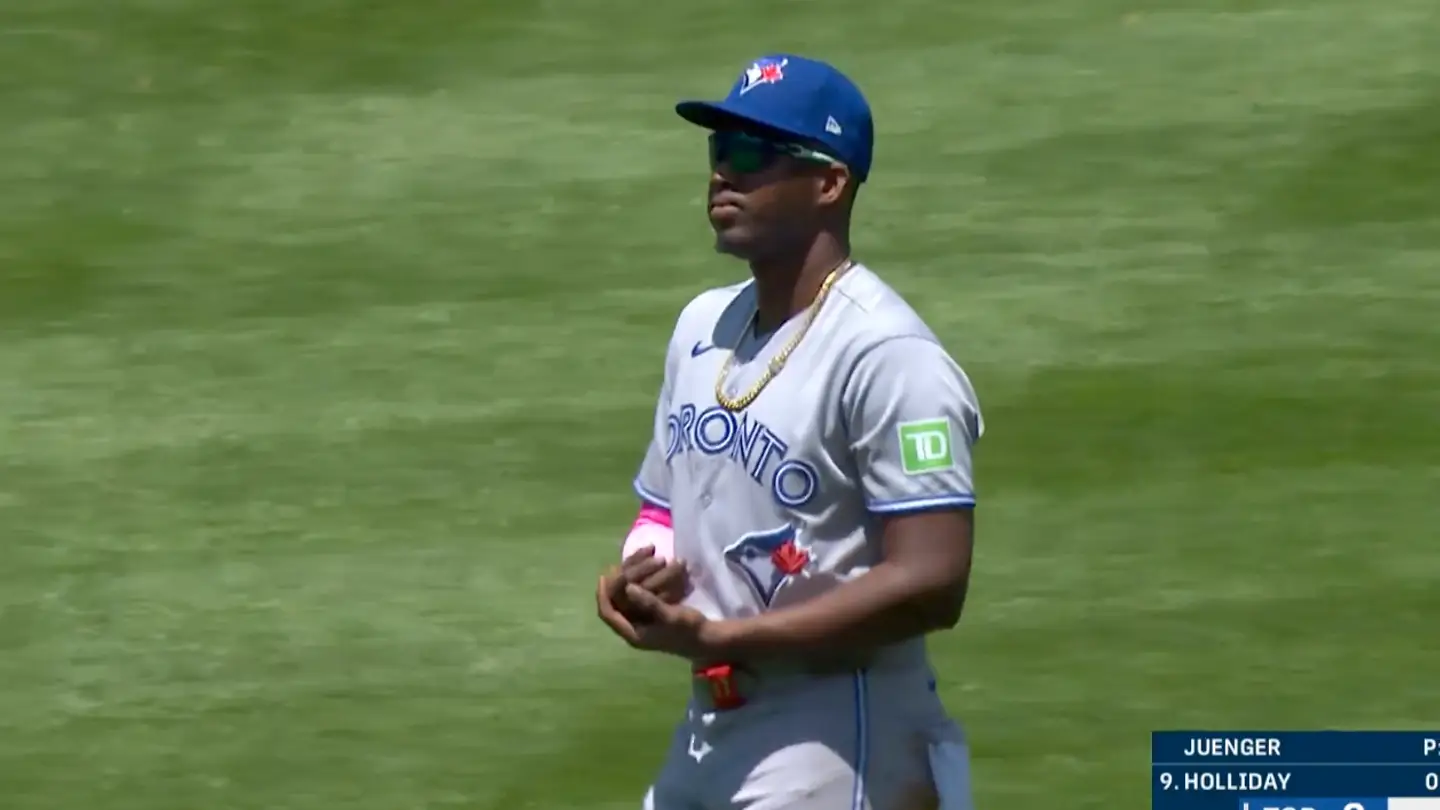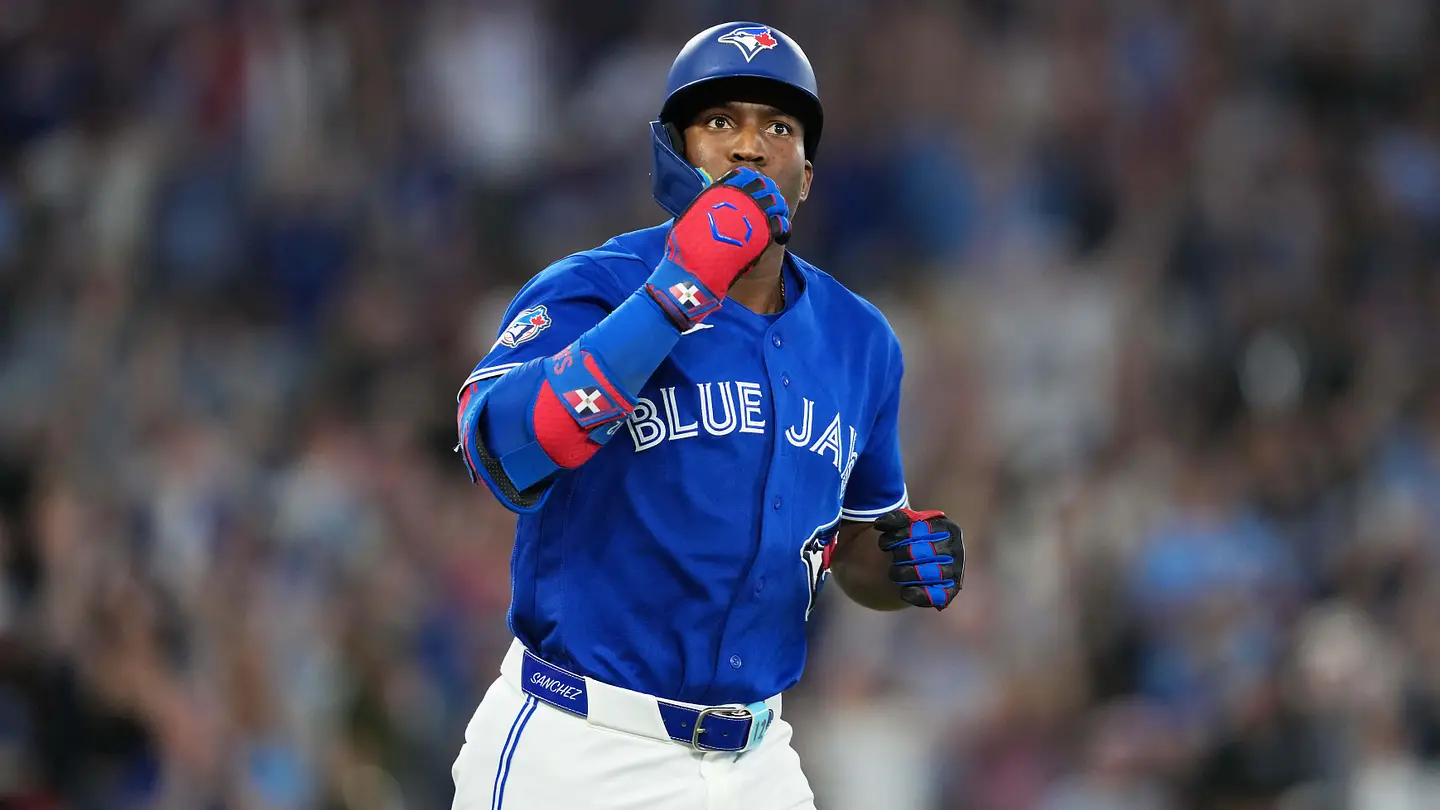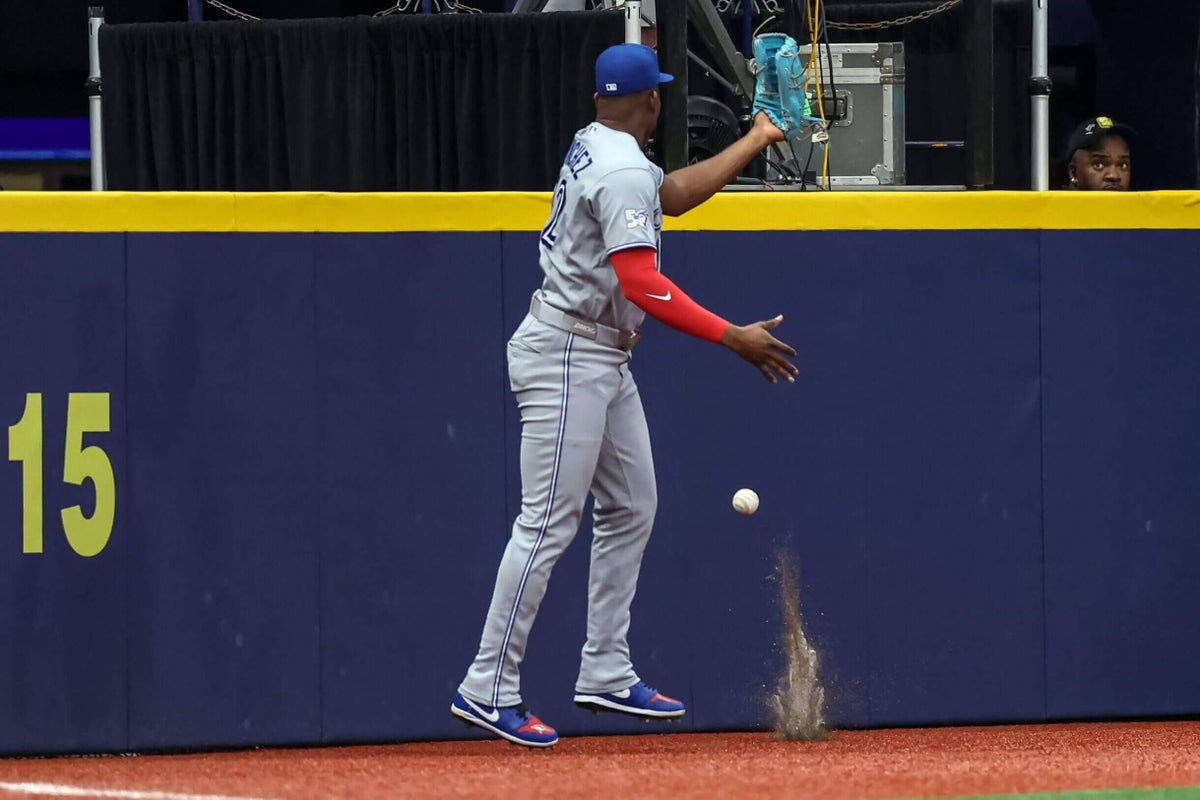
ST. PETERSBURG, Fla. — Jesús Sánchez came charging in on a weak fly ball to left in Wednesday’s fourth inning. He appeared on pace to snare the ball and hold all three Tampa Bay Rays on base. Then Sánchez’s eyes drifted up, his feet stumbled to a stop, and the ball bounced feet away from him on the turf.The play wasn’t charged as an error, but it was certainly a mistake. It contributed to a spiraling fourth inning for the Toronto Blue Jays Jays (62-66) as they gave up five runs in the frame in a 7-6 defeat. The misplay came three innings after another high fly ball — which might have hit the roof ring at Tropicana Field — dropped in left just beside Sánchez.
Rockin' with Richie pic.twitter.com/mQcVc5COqT
— Tampa Bay Rays (@RaysBaseball) August 19, 2026The contest wasn’t the first time misadventures in left field have led to runs against the Jays. Sánchez, by all metrics, is a well-below-average outfielder, but there’s a reason he plays regularly for Toronto, and it’s not his glove. The Jays, like all teams, try to balance offensive contributions with the optimal defensive alignment. For a team on the edge of the wild-card race, nailing that balance is crucial.“You try to weigh it out,” manager John Schneider said. “You’re always trying to project the normal or best version of someone offensively, defensively, on the bases.”There are important caveats to note before diving in here. To start, fielding at Tropicana Field, with four ceiling catwalks and a white roof, is more difficult than at many other parks. Mistakes and weird fly balls occur at Rays home games much more than usual. Also, a dropped fly ball may not matter if the bases aren’t loaded to begin with. Even after the early Rays hits, Toronto had chances to win with the tying run on second in the ninth inning.Games are never won or lost by a single player, as starting pitcher Max Scherzer noted.“Was able to get a strikeout in a big situation and then, obviously, a missed play and mistakes. But I’m not going to sit here and point fingers and talk about those things,” Scherzer said. “I take accountability for my mistakes. Two walks are not acceptable.”Still, the balance of hitting and fielding is a daily decision for the Jays, and it’s illustrated best by Sánchez. His minus-six Outs Above Average ranks 12th-worst among qualified outfielders. His OPS of .742, though, leads all Jays with at least 200 at-bats. He’s one of the team’s best hitters and is still, per Baseball Reference, worth negative WAR. There lies Toronto’s dilemma.If the Jays had nine elite sluggers who were all Gold Glovers, those guys would play every day, but that’s not the reality for any team. Schneider and the Jays’ decision-makers have seemingly determined that, at least to start games against righties, Sánchez’s offensive potential is worth the defensive risk. If they get a lead, Myles Straw often replaces him in the outfield.On paper, the strategy makes sense for a team desperate for runs. The Jays rank 11th in team ERA and sixth in OAA. Their biggest issue is scoring, with the third-fewest runs in MLB after Wednesday’s game. At some point, the Jays may determine the offensive juice isn’t worth the defensive squeeze with Sánchez. Still, they need guys who can swing it in the lineup, or they’re not going to win many games.“When you weigh it out,” Schneider said, “you’re just hoping that everything kind of normalizes and evens out.”It’s not just about Sánchez. It’s the same determination the Jays make when they play any other below-average defender with a good bat or slide someone into an unfamiliar position. Other teams face the same cost-benefit analysis constantly. There’s a reason the Rays play Junior Caminero every day at third base and Bryce Harper has moved back to right field for the Phillies. Those guys are among the best hitters in baseball.Toronto’s decision would be easier if Addison Barger and Anthony Santander didn’t get hurt, as they could play the corner outfield spots as planned. It would be easier, too, if other hitters were mashing and the Jays didn’t need to sacrifice defence for power in some spots. If Sánchez weren’t having the worst defensive season of his career by OAA, playing him wouldn’t be much of a decision. But here the Jays are, with key bats struggling and others on the injured list. Even if Sánchez wasn’t acquired in spring training to play regularly, it’s a position he’s been forced to fill.“He works,” Schneider said. “If a guy wasn’t working, you’d be pissed. But he works at it. But today wasn’t the best day for him.”There are days Sánchez’s swings help the Jays win. He launched a two-run homer off Hunter Brown in Houston to spur a comeback win after the trade deadline. On those days, the offence/defence decision pays off. On other days, such as Wednesday, the balance doesn’t fall in Toronto’s favour.Still, with the Jays resting just outside of the AL playoff picture, they need more good days than bad. They need to catch the catchable fly balls. They can’t afford to lose many contests in which they score five runs off one of the league’s top pitchers. So it leaves Toronto with a daily decision, balancing both sides of the ball. Nailing that balance may determine their spot in October.