Listen
/
1.0x
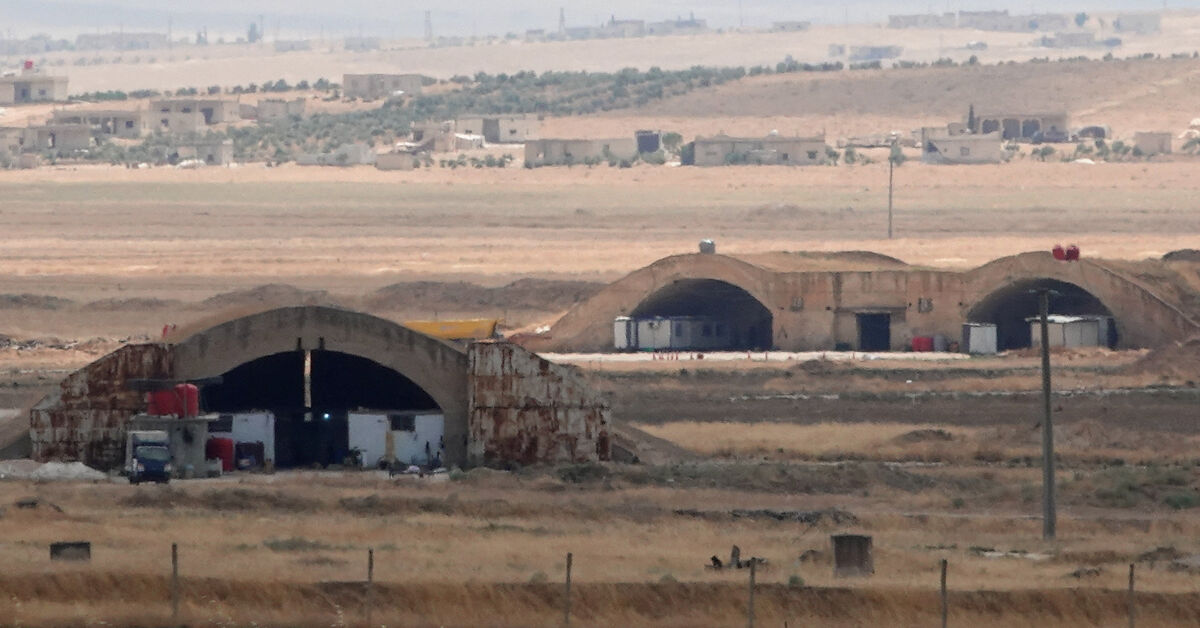
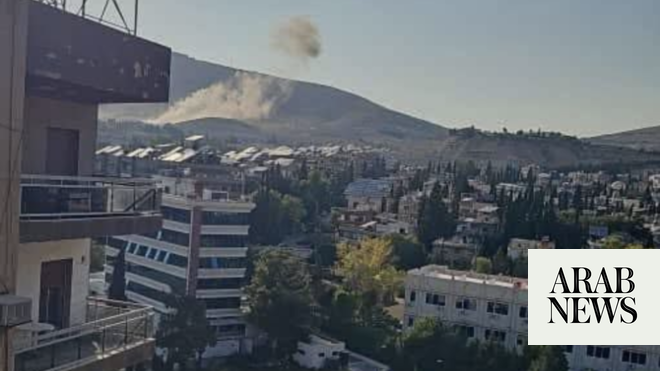
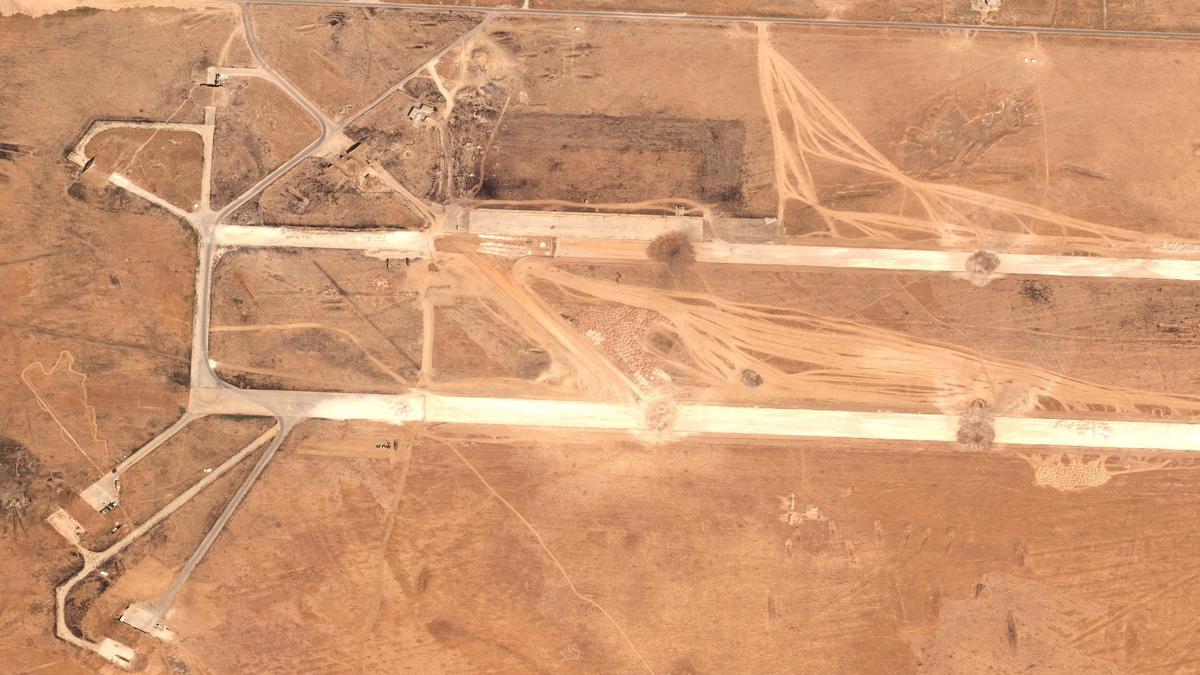
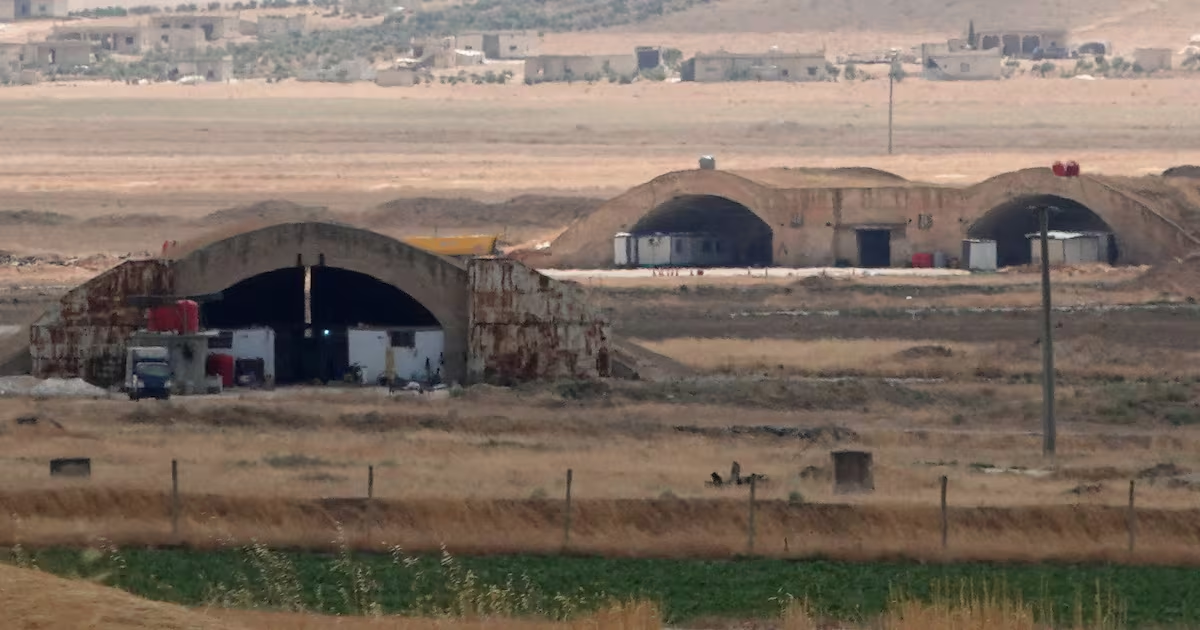
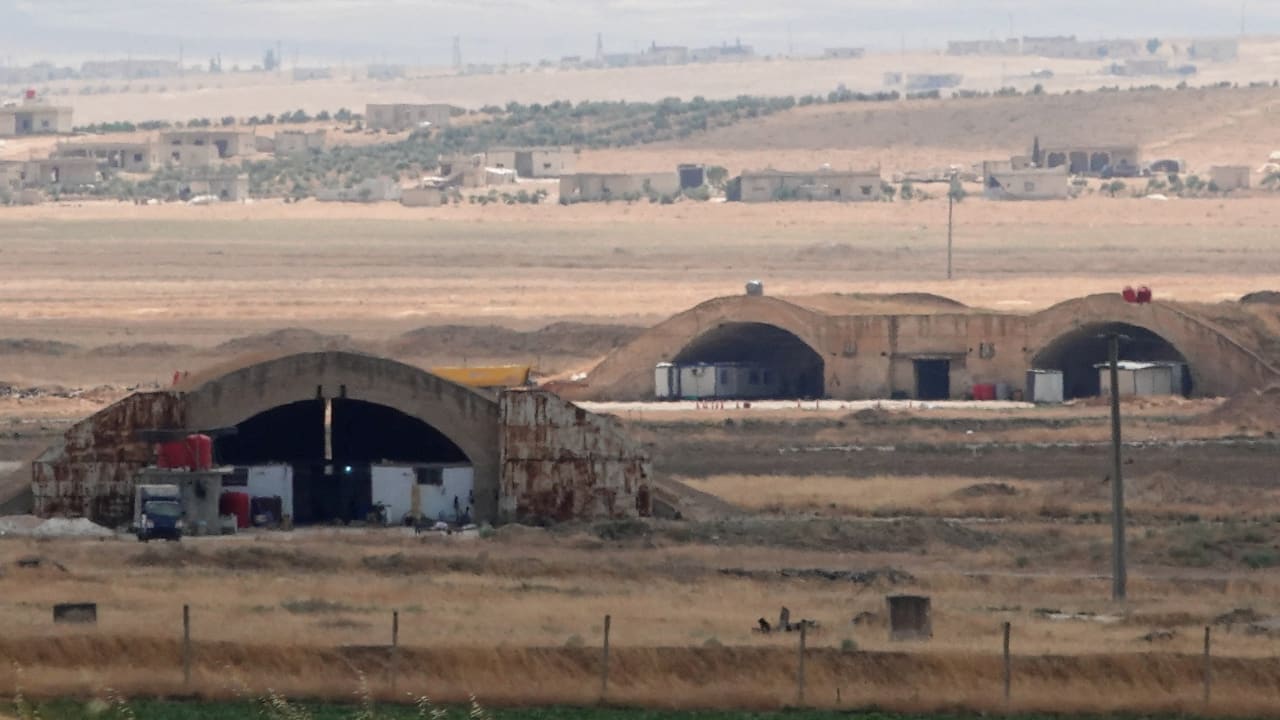
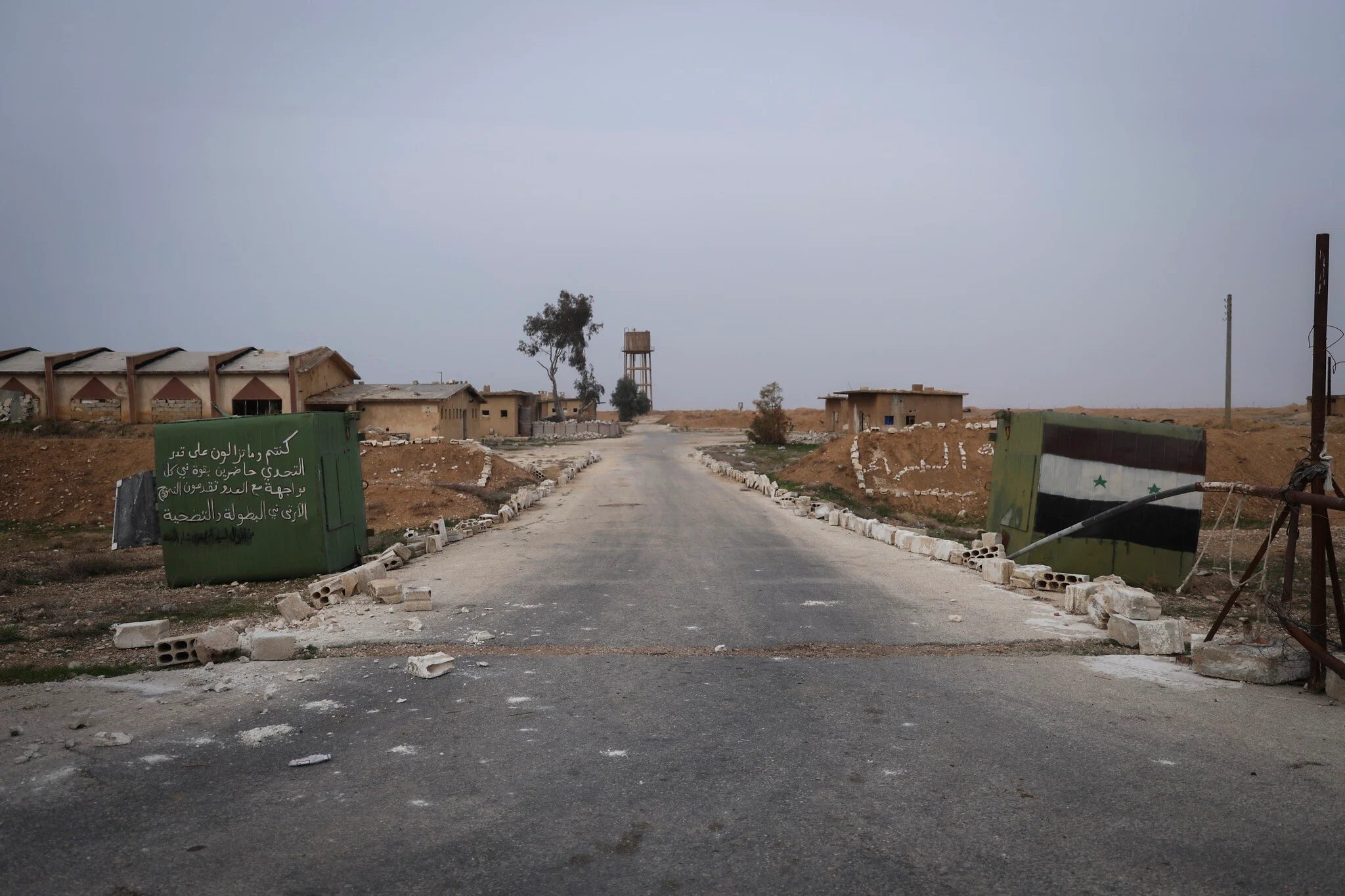
The runway at Abu Duhur had been quiet for many years. Old MiG jets were corroding in the Syrian dust in the north of the country – relics of the civil war that ended when Assad fled to Moscow. On 18 August, in the middle of the night, eight Israeli bombs broke this silence. No casualties occurred. Perhaps this was precisely the point. This was not the strike to kill. The strike sent a message, not to Damascus but to Ankara.
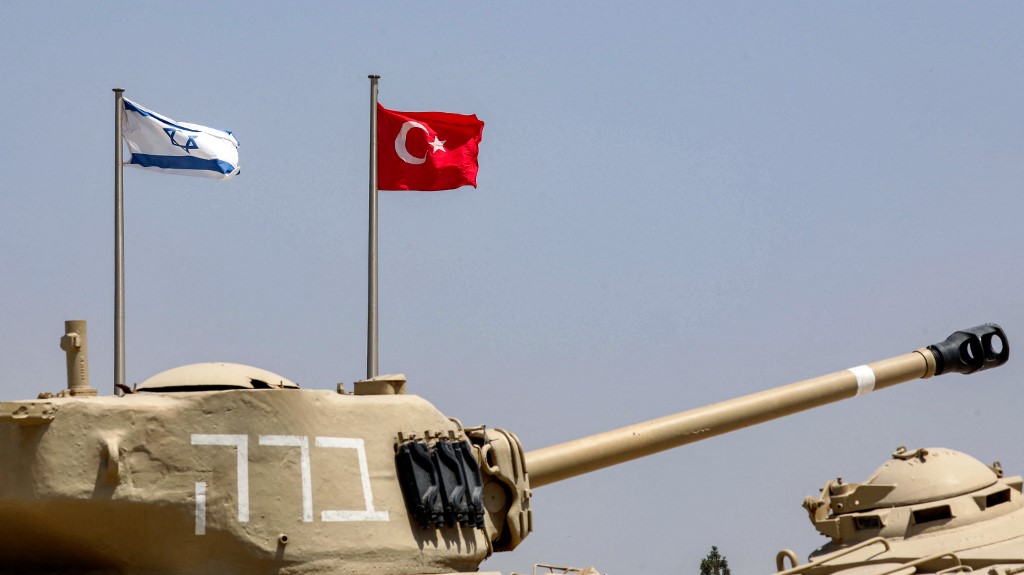
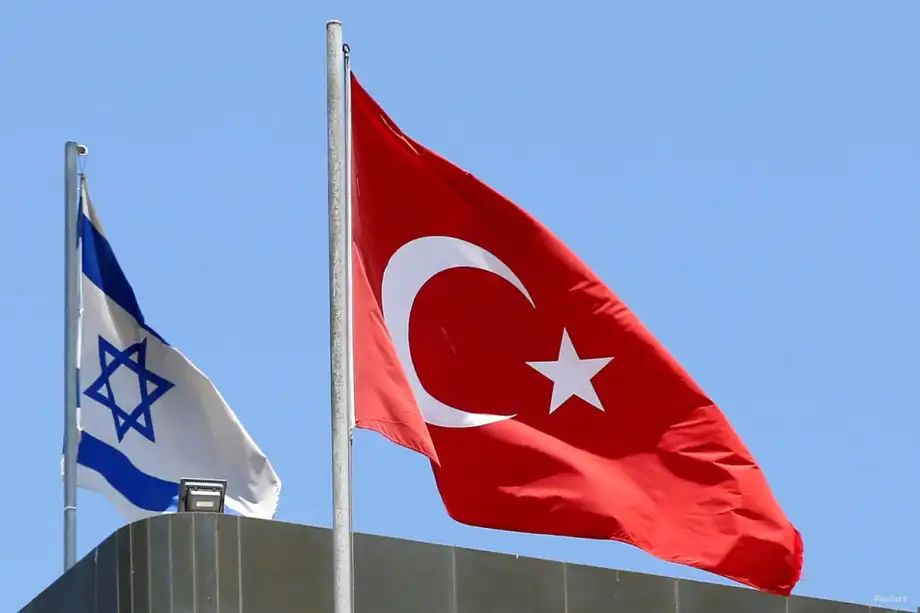
Israel’s version was simple. The Turkish delegation visited this base just a day before. “On the verge of breaching the status quo agreed with Israel on security matters,” Netanyahu’s office claimed that Syria allowed Turkish soldiers to establish themselves in Abu Duhur. As time passed, deploying such radar systems became possible, which could deprive Israeli fighter jets of their invisibility in Syrian skies. As for the Syrians, they called this event something completely different. The strikes, according to their Foreign Ministry, are “an unjustified act of aggression” and “a dangerous escalation that threatens security and stability in the region.” It was not a declaration of anger. It was an appeal. Interim President Ahmed al-Sharaa’s government tried to show during the last months its preference for peace over conflict, even though the Israeli troops are still in the Syrian lands conquered during the fall of Assad’s regime.