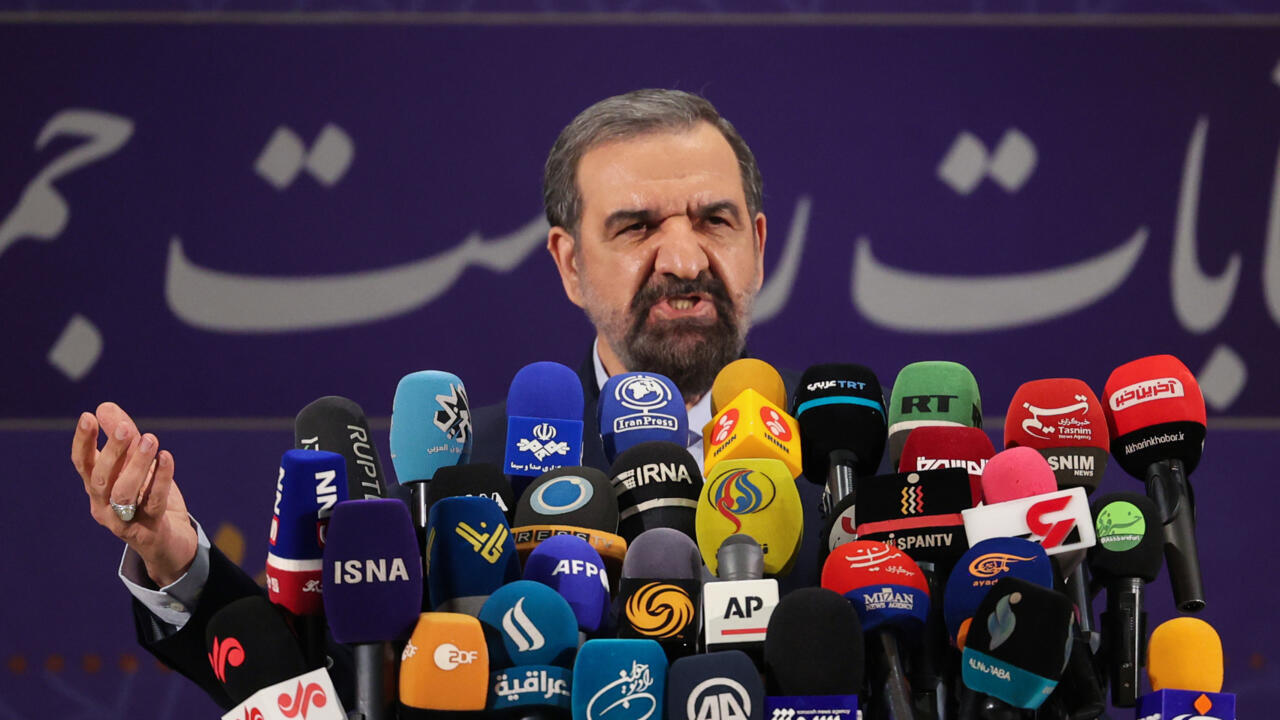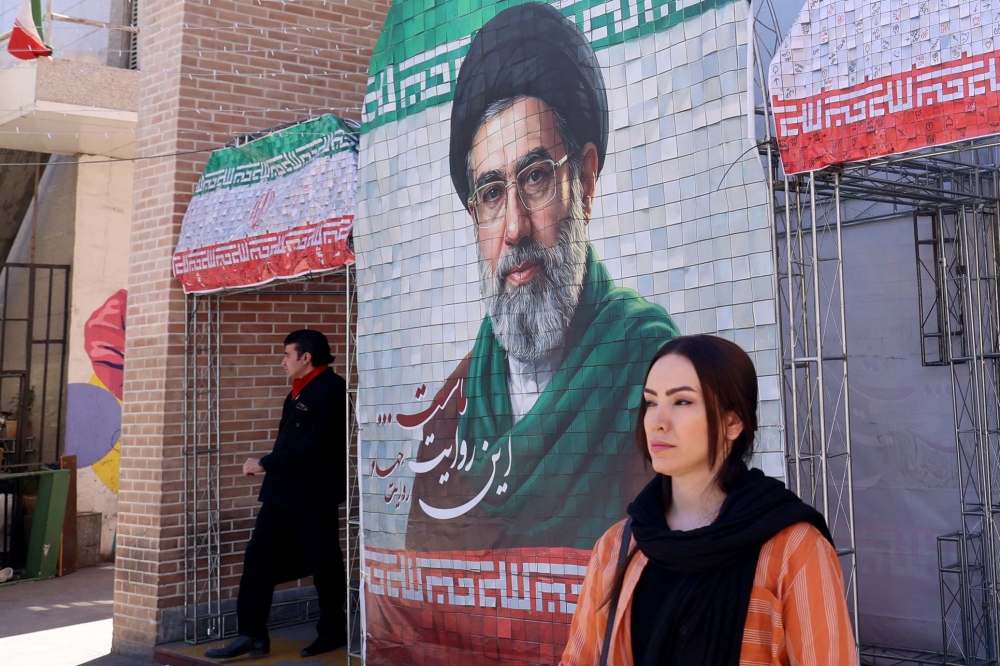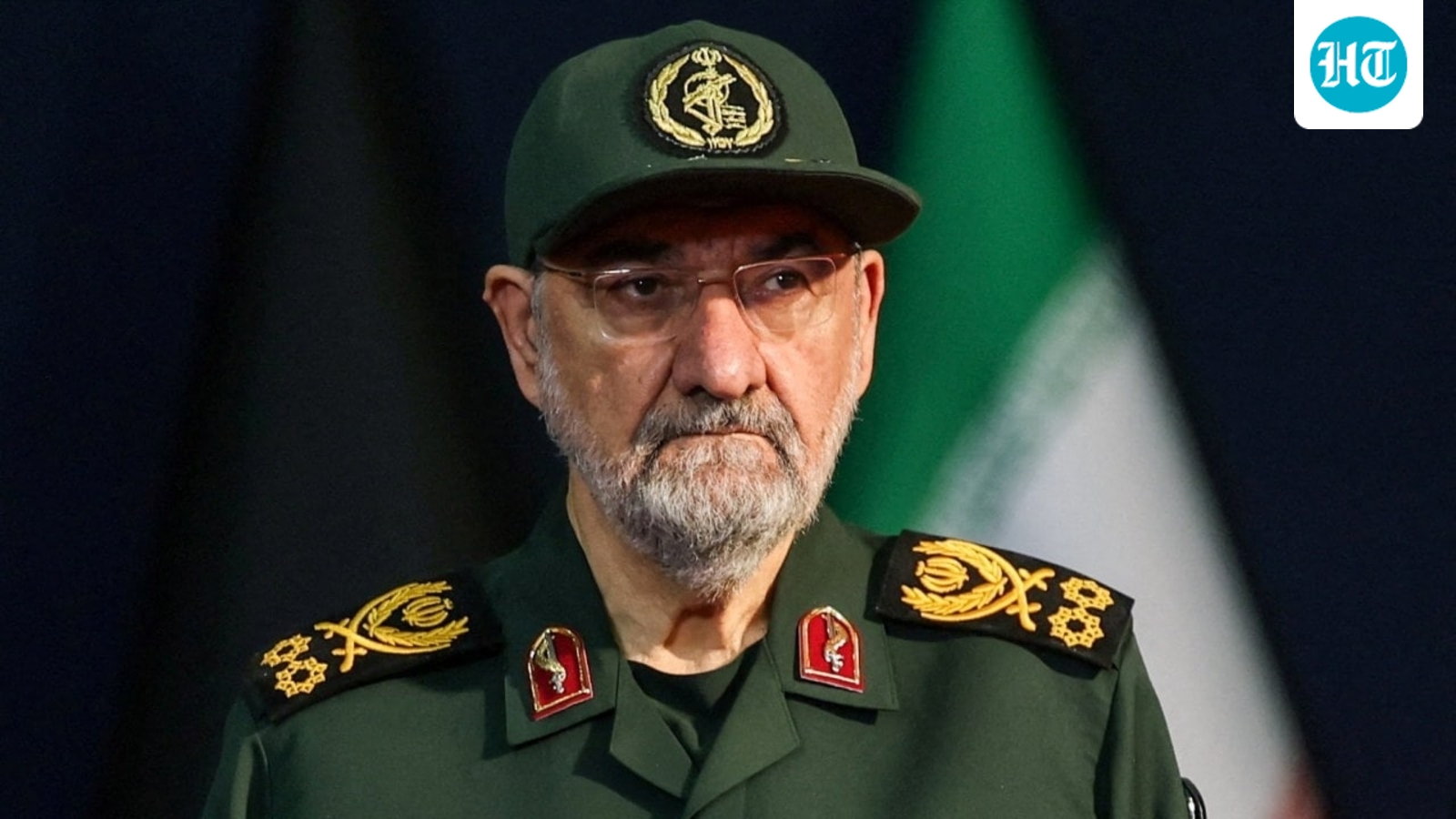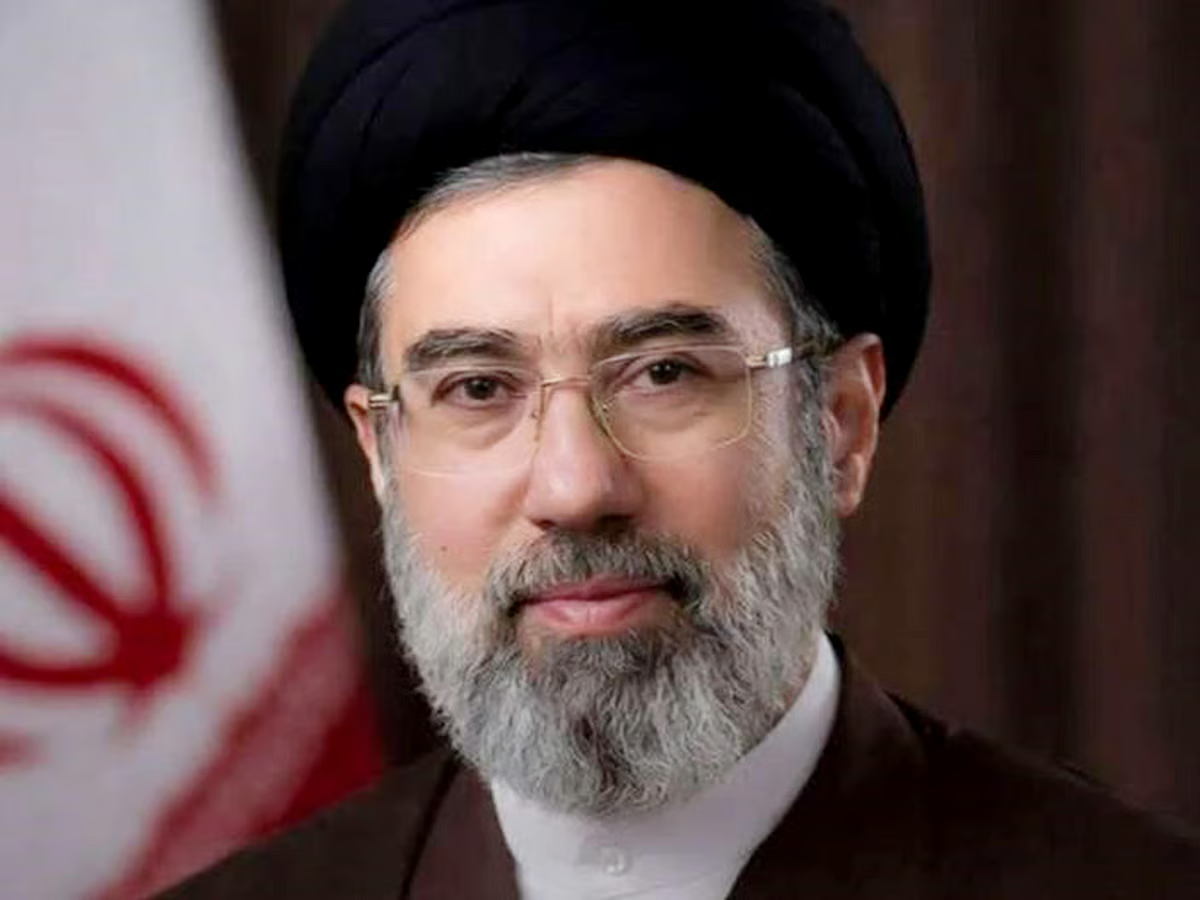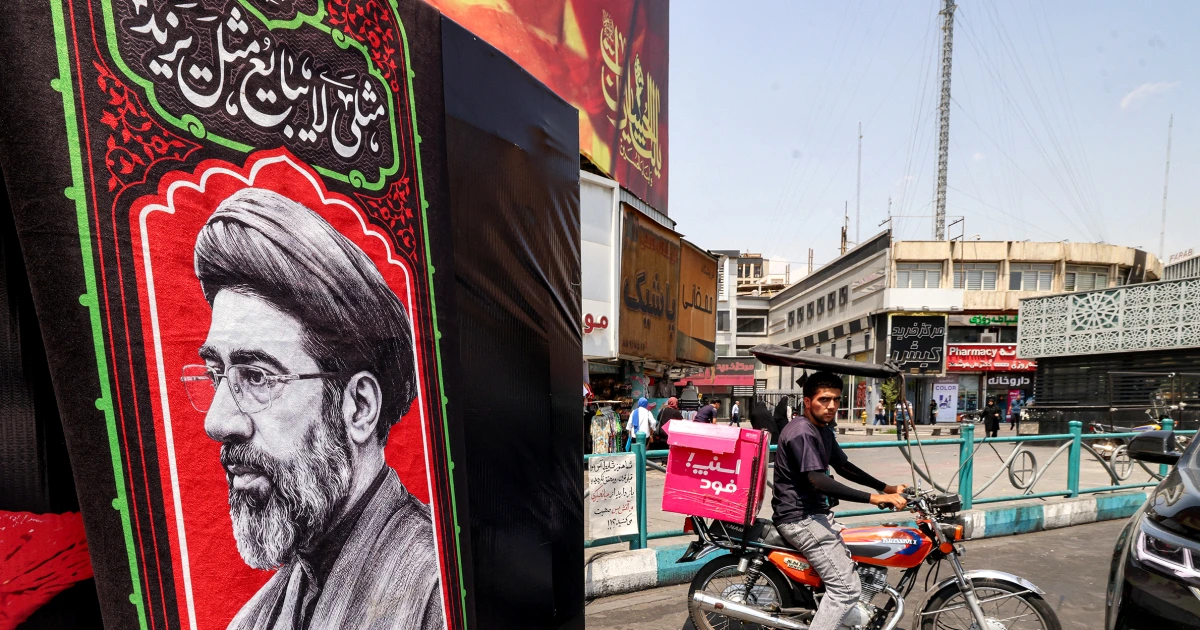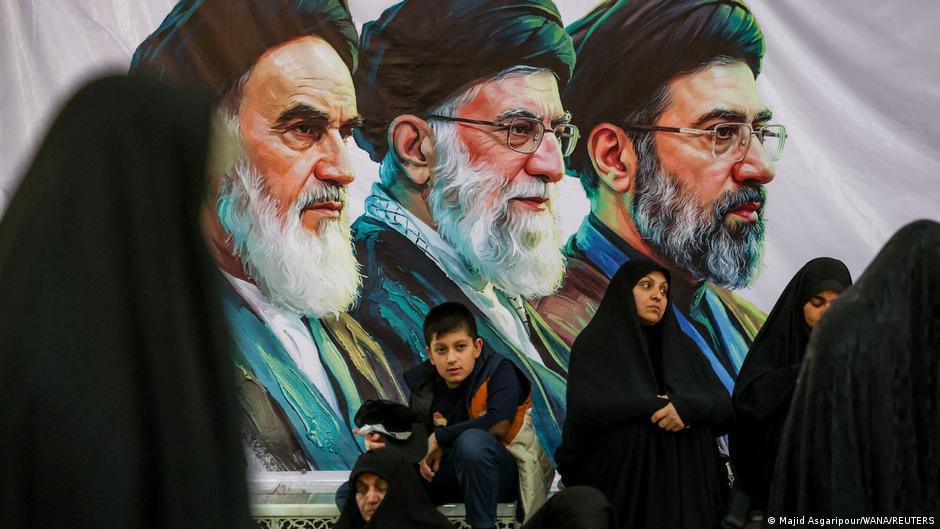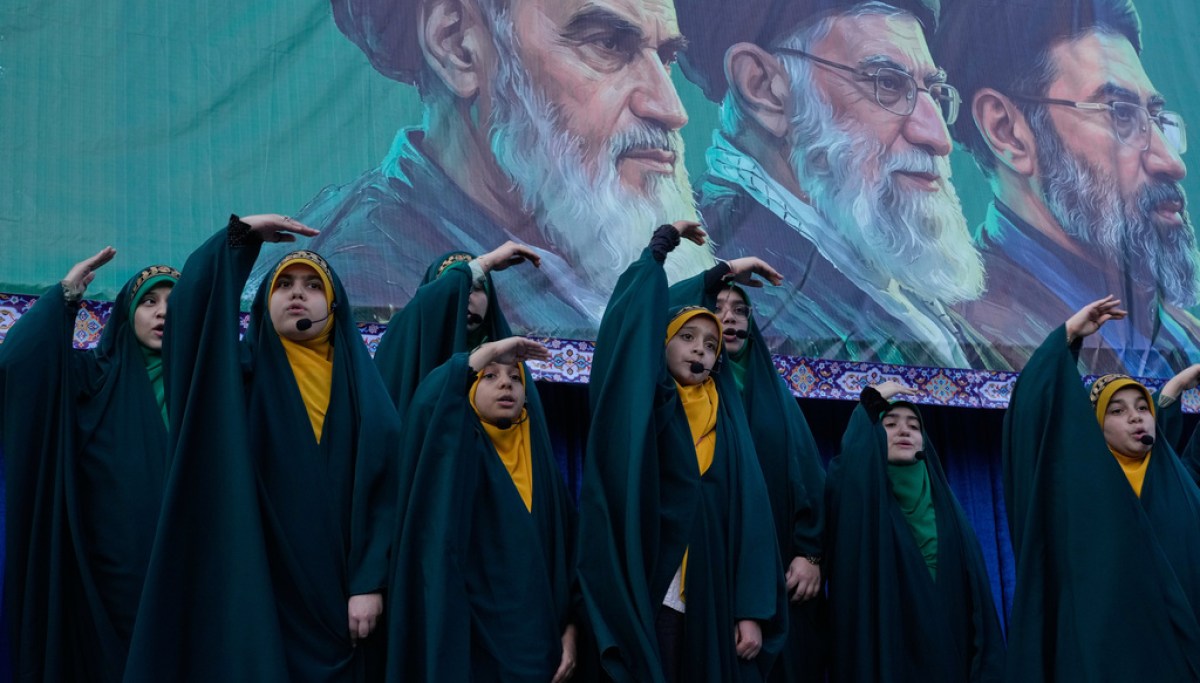
There are moments when personnel decisions reveal more about a political system than its speeches, slogans, or diplomatic statements. The military hierarchy now taking shape in Tehran is one of those moments. Ayatollah Mojtaba Khamenei may represent a new leadership at the apex of the Islamic Republic, but the men being elevated around him belong overwhelmingly to an older political world: the revolution, the Iran-Iraq War, intelligence and counterintelligence operations, ideological enforcement, confrontation with Israel and the United States, and the suppression of dissent at home.The message for Washington should be clear: leadership succession in Tehran should not be confused with political transformation. The Islamic Republic is changing personnel because war and assassinations created vacancies, but the choices made to fill those vacancies demonstrate remarkable continuity in the regime’s understanding of power. Tehran is not responding to vulnerability with reform. It is responding with fortification.That distinction matters because every political order eventually reveals what it fears most. Governments possessing durable legitimacy can survive leaders, parties, and policies. Authoritarian systems face a different problem: as legitimacy weakens, the distinction between protecting the state and protecting the ruling regime becomes increasingly difficult to maintain. The army, intelligence services, and internal-security institutions are judged not simply by whether they can defend the country, but also by whether they can preserve the political order controlling it. The careers of the men now being promoted illustrate that transformation.
Iran just doubled down on the iron fist
Tehran’s military reshuffle under Mojtaba Khamenei is not political reform — it is an insecure regime fortifying its internal power.
1,372 words~6 min read