In Focus delivers deeper coverage of the political, cultural, and ideological issues shaping America. Published daily by senior writers and experts, these in-depth pieces go beyond the headlines to give readers the full picture. You can find our full list of In Focus pieces here.The conservative foreign policy intelligentsia is largely split between those who seek a maximalist policy of global military engagement and those who believe the United States should refocus on defending a far narrower set of core interests.Neither approach is right.
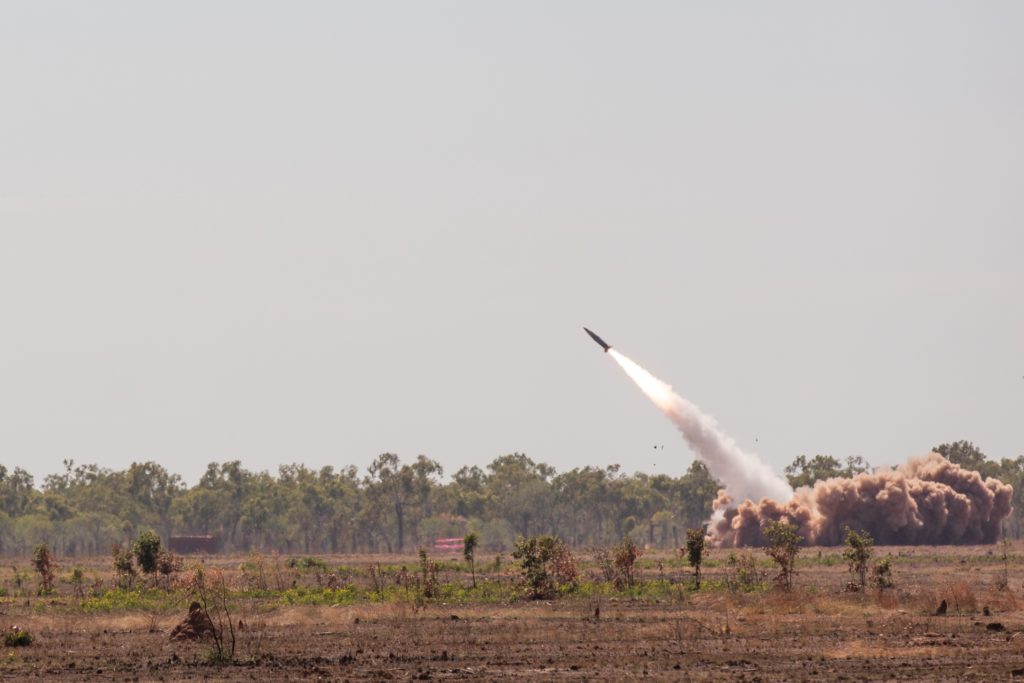
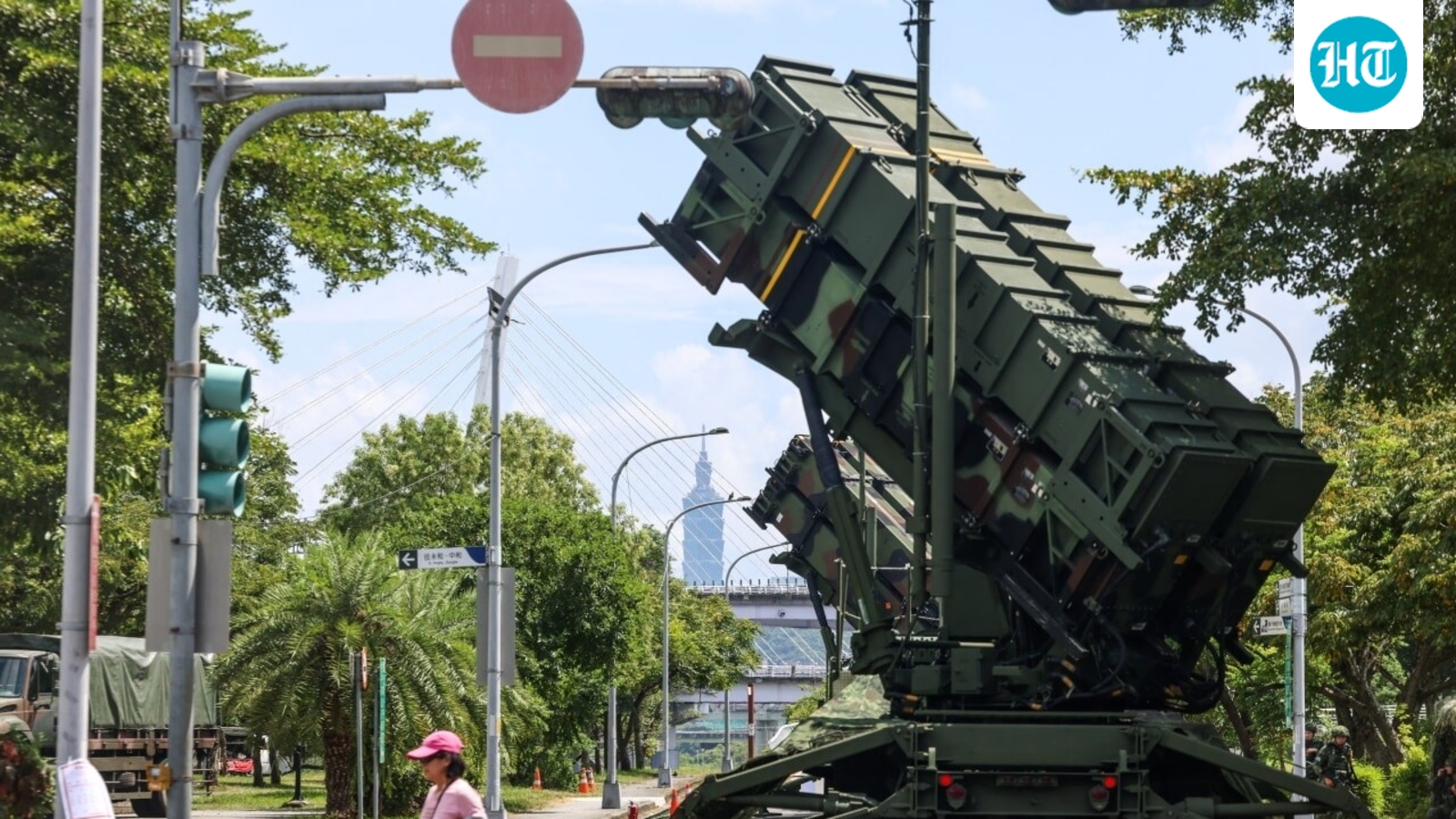
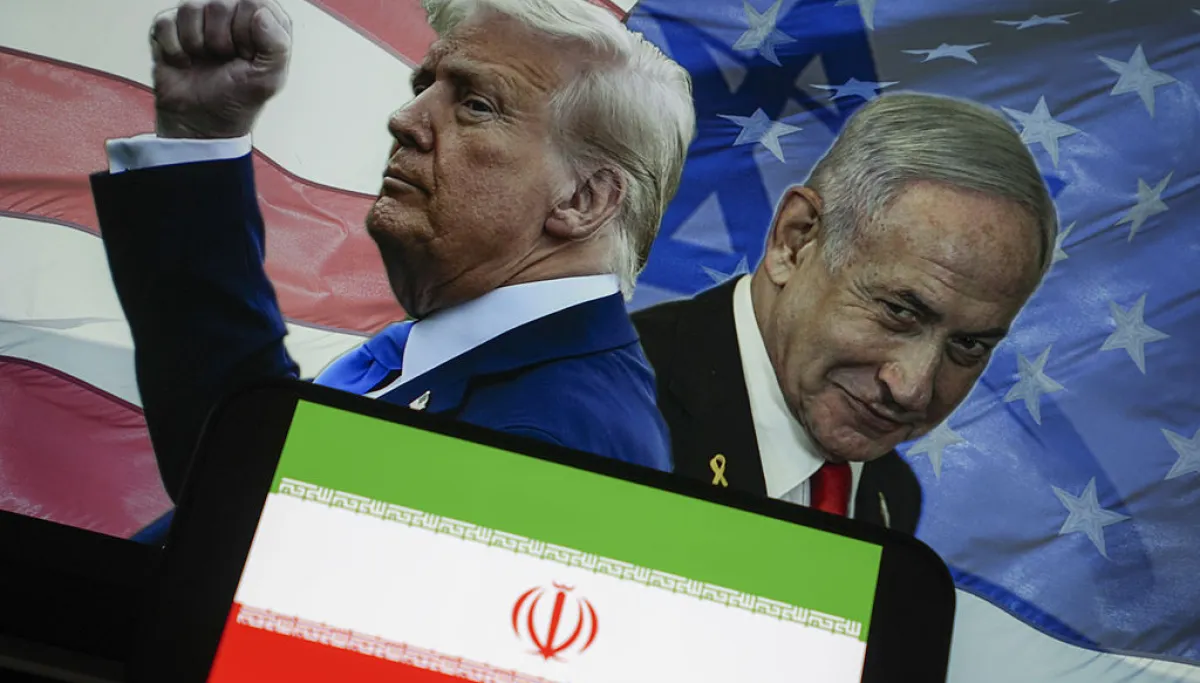
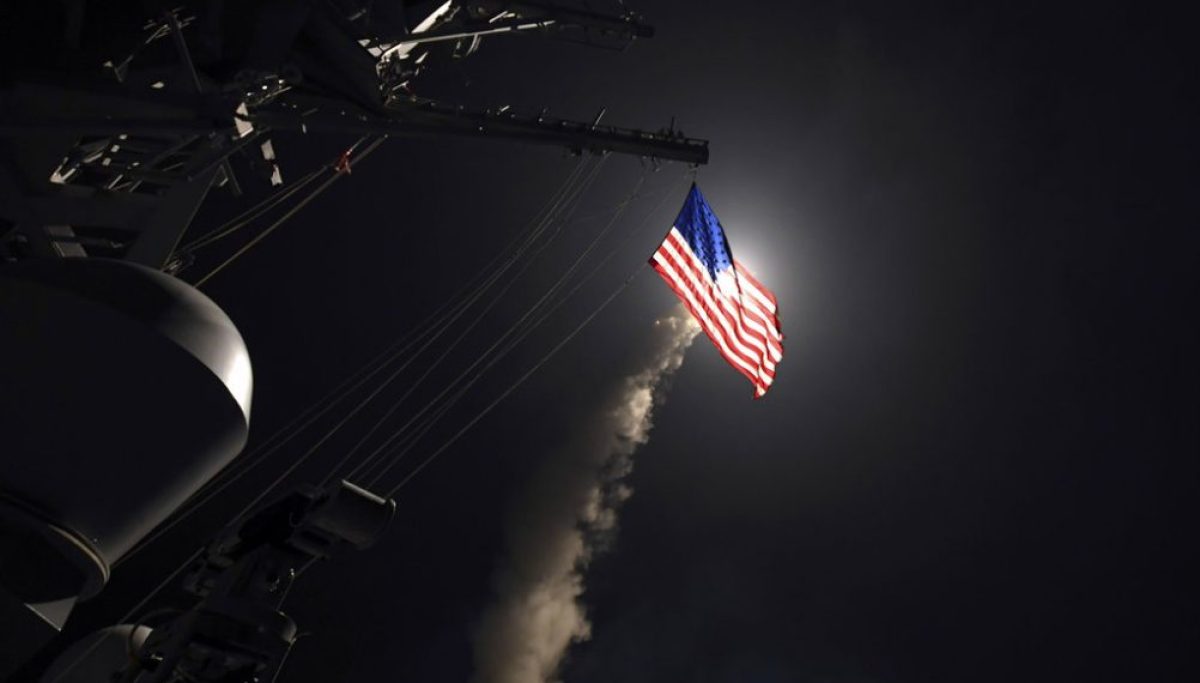
Isolationist-minded conservatives fail to recognize the massive economic and security benefits that people accrue from our alliances. As I noted recently, “In 2025, the total value of NATO member state imports of U.S. goods and foreign direct investments into the U.S. was a staggering $1.4 trillion. In 2021, the year before Russia’s war on Ukraine provoked major international sanctions on Moscow, the equivalent Russian figure was $18.1 billion.”Isolationism would surrender these economic benefits by incentivizing direct challenges to U.S. power that would degrade our global influence. The isolationist ideology is detrimental to American security and prosperity — and historically defective.WHY IRAN IS SO DESPERATE TO ASSASSINATE DONALD TRUMPOn the flip side, maximalists refuse to recognize the problem of scarcity. The challenge that global security demands must be balanced against limited resources. Maximalists also neglect the truth that while an increased defense budget would certainly help manage these various challenges, more money is not a silver bullet. By supporting overextensions of military power, they gut the primary U.S. security requirement: the restraint of Chinese Communist Party imperialism.Instead, U.S. interests would best be served by charting a middle course between isolationism and maximalism. This approach would entail managing scarcity alongside valuable alliances such as those with NATO and Israel (sometimes with hard honesty and difficult reforms).The scarcity concern is increasingly urgent amid the wars in Ukraine and Iran, and alarming contingencies related to China, Russia, and North Korea. Unfortunately, maximalists have long rejected the need for strategic adaptation.In 2023, the Pentagon’s current third-highest-ranking civilian, Undersecretary of War for Policy Elbridge Colby, debated Hudson Institute president John Walters. Colby called for the U.S. to limit some arms supplies (such as Patriot air defense munitions) to Ukraine in order to ensure maximal U.S. readiness for a war with China. Walters countered that “to the extent Ukraine and Taiwan come into competition over military goods, the U.S. should, as it is doing, shore up its defense industrial base rather than hoarding resources in a strategic crisis with long-term significance.”In this image provided by the U.S. Navy, the guided-missile destroyer USS Porter (DDG 78) launches a tomahawk land attack missile in the Mediterranean Sea, Friday, April 7, 2017. The United States blasted a Syrian air base with a barrage of cruise missiles in retaliation for a chemical weapons attack against civilians. (Mass Communication Specialist 3rd Class Ford Williams/U.S. Navy via AP)