Most developers building frontend applications spend a lot of time writing code that communicates with their backend due to the traditional approach (using APIs).
This is not because the logic is hard to implement, but because the communication itself is complex. When using standard APIs, we build routes, define request and response models, generate clients, and keep multiple layers on track with application updates.
Instead of exposing backend functionality through REST endpoints and consuming it through HTTP clients, Graftcode exposes backend methods directly and generates packages that applications can install and use as dependencies. The result is a communication model that is like you are calling a library rather than consuming an API with strongly typed clients. Working with Graftcode is very simple: install your library and call its functions.
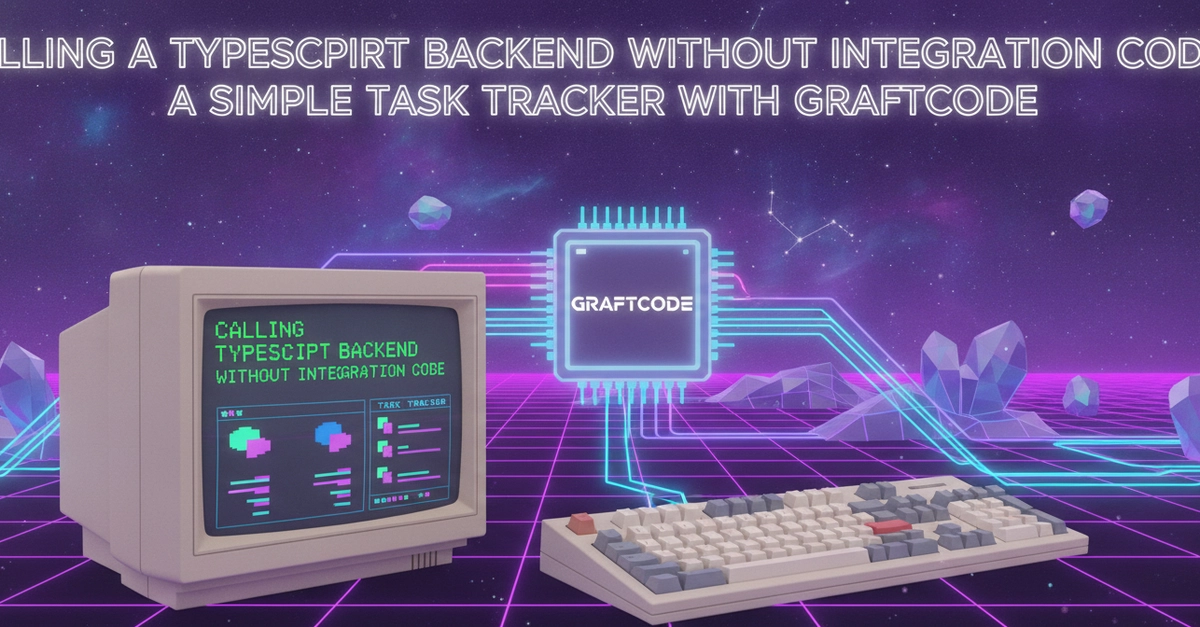
In this article, we'll be building a simple task tracker or to-do list application using React and a TypeScript backend to see what working with Graftcode looks like.
In this blog post, we will learn the following: