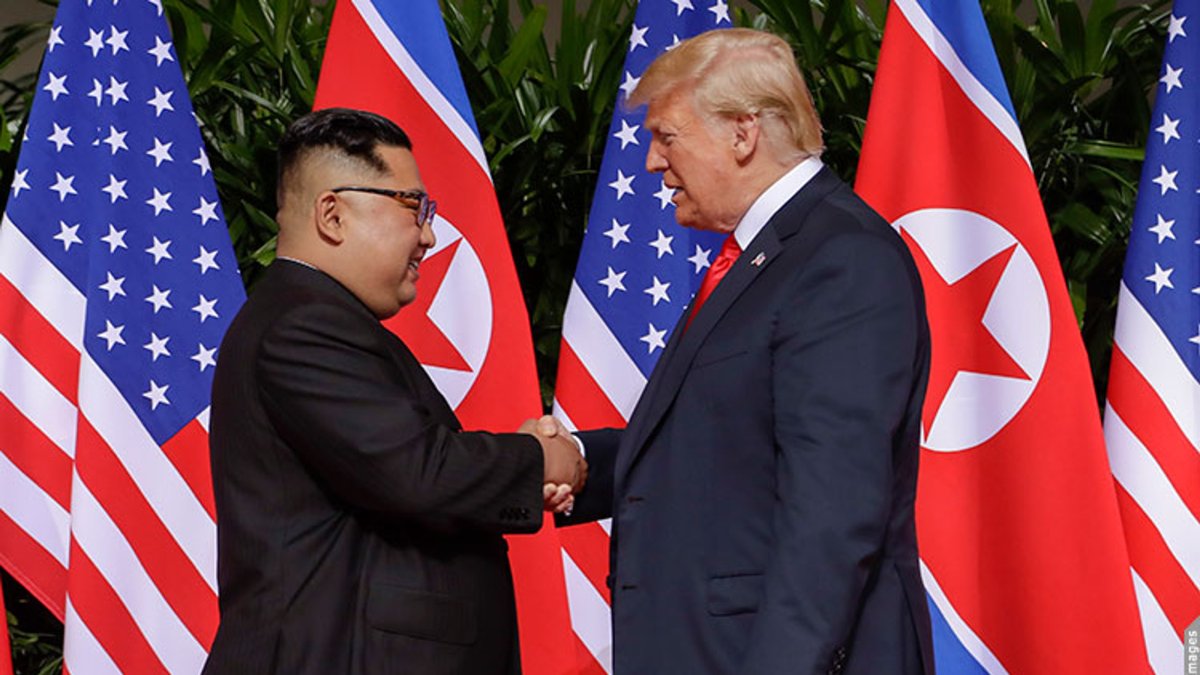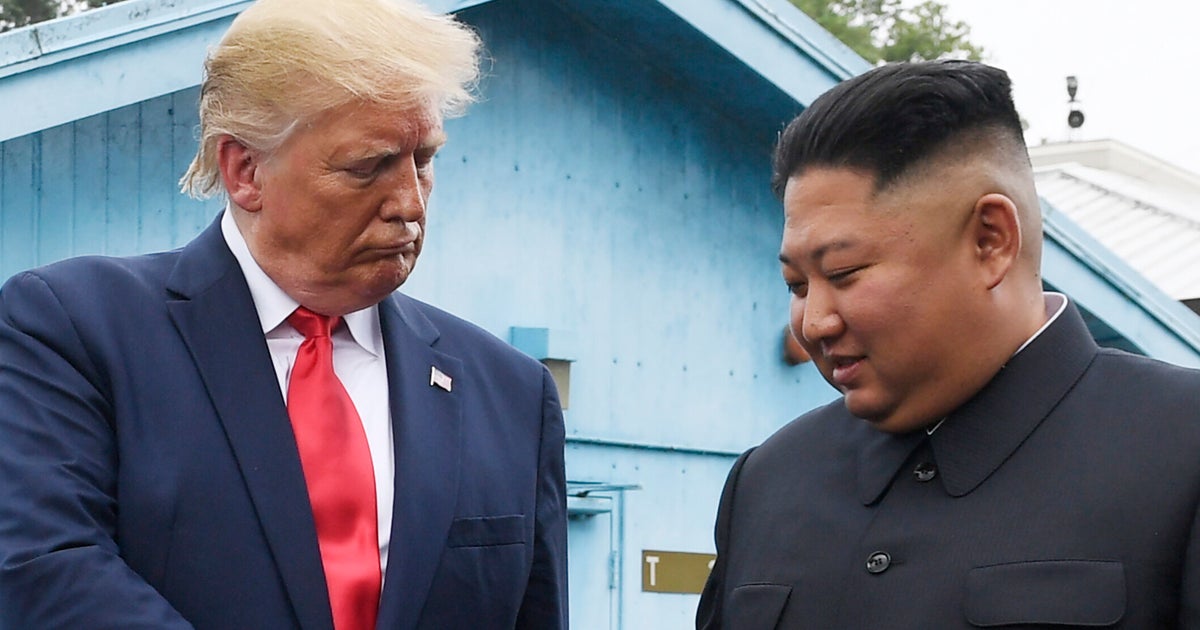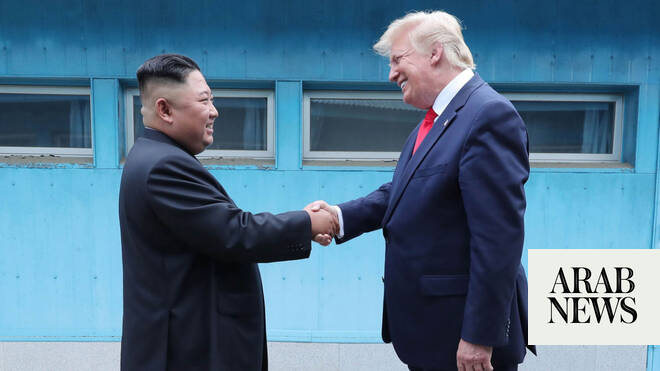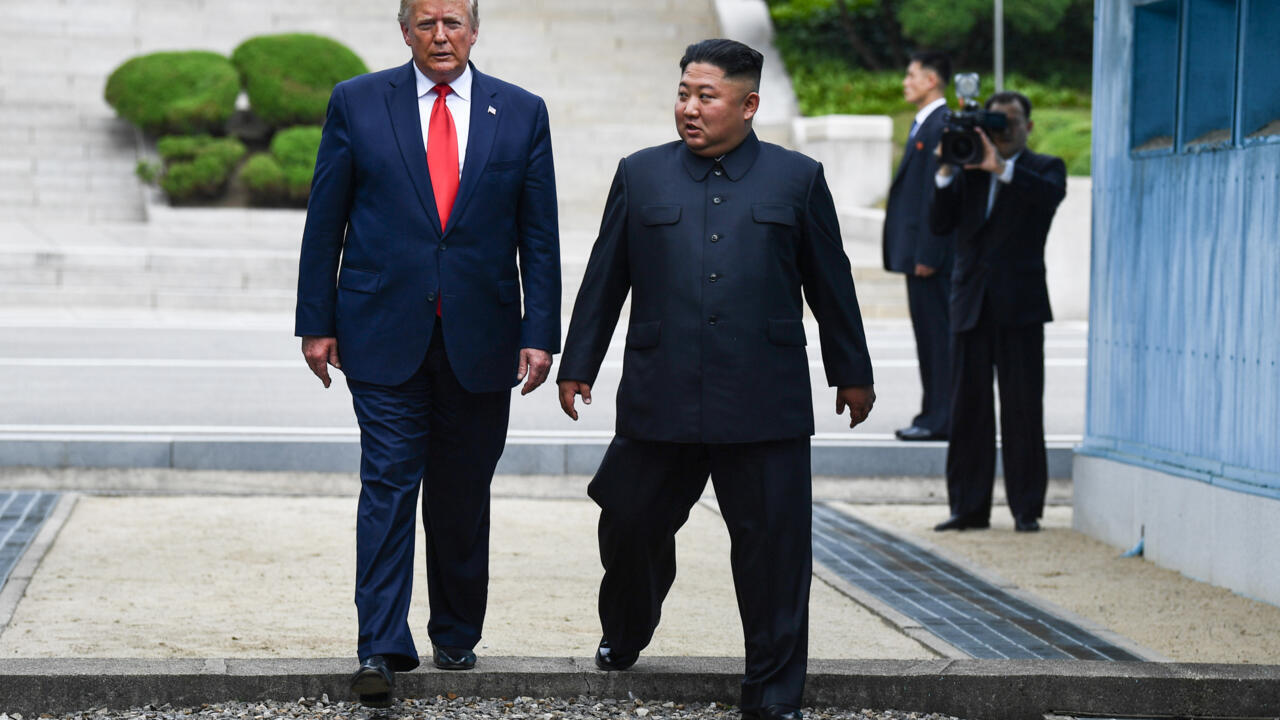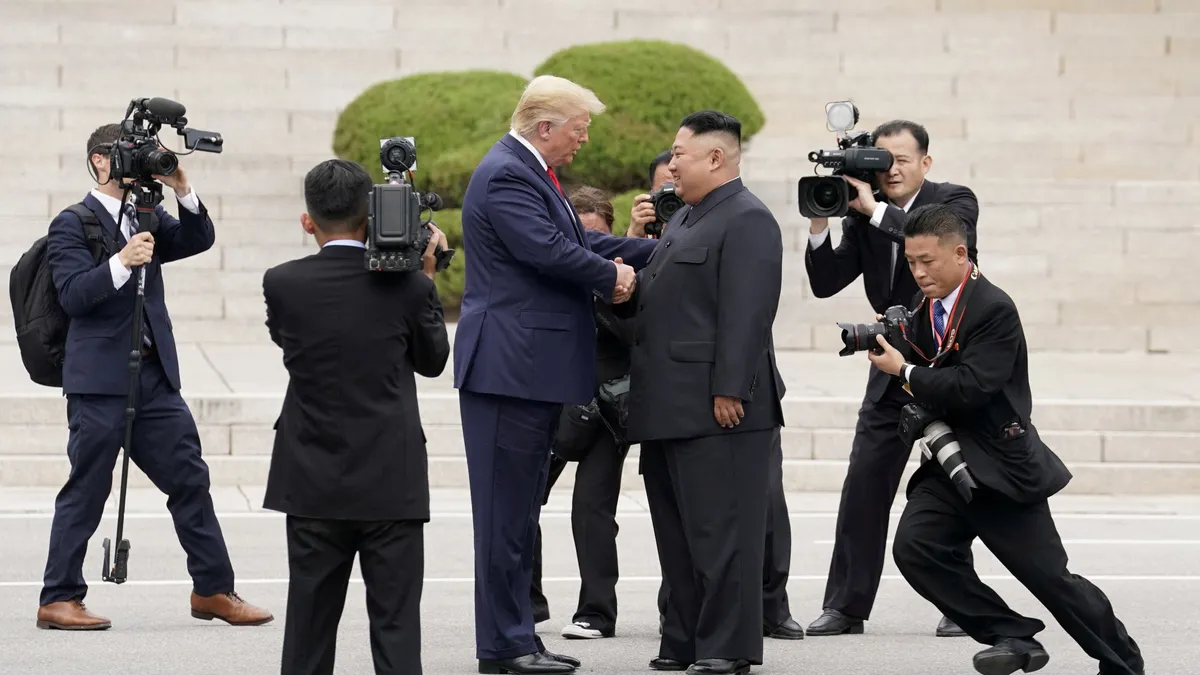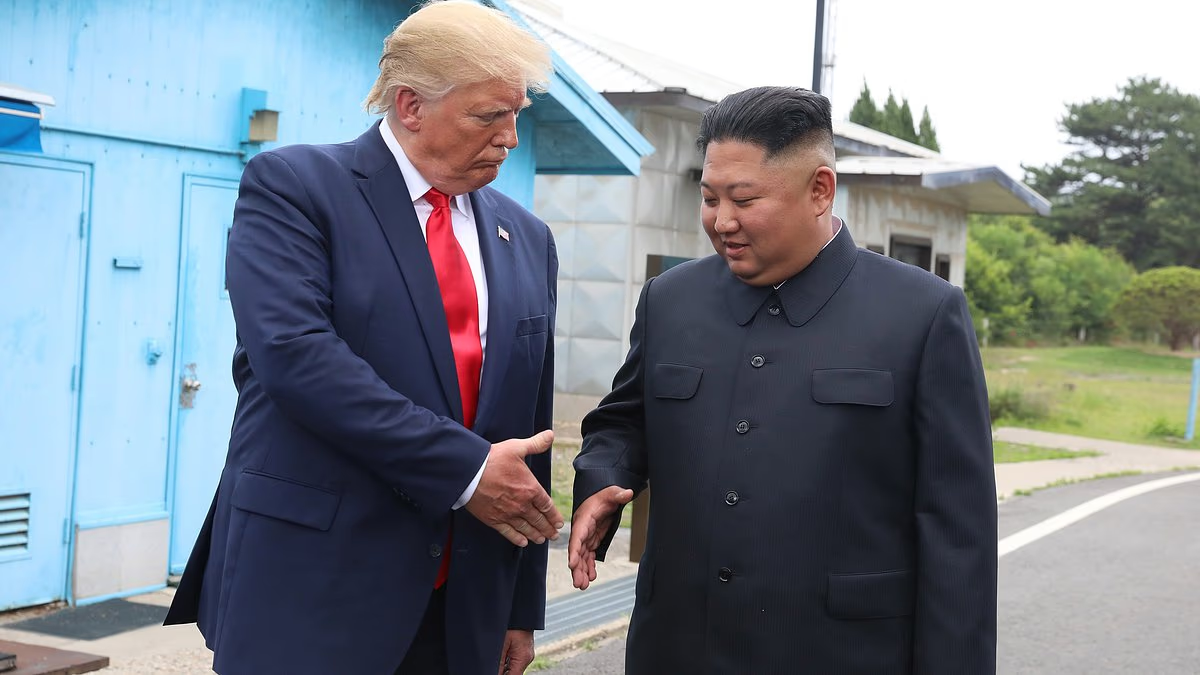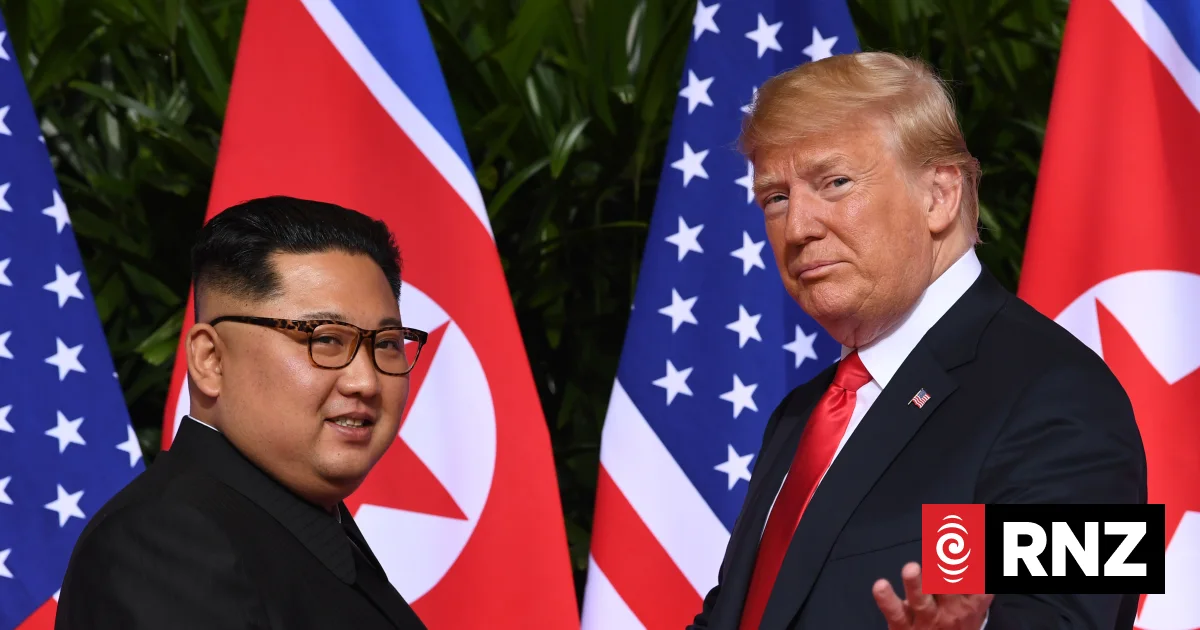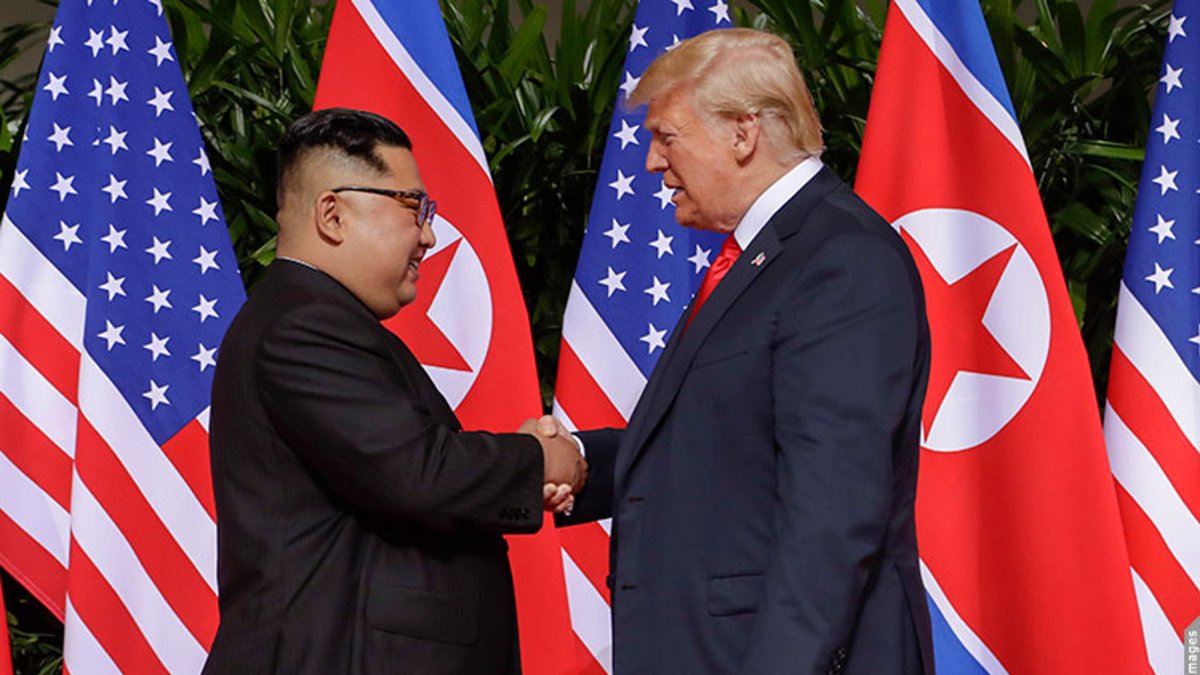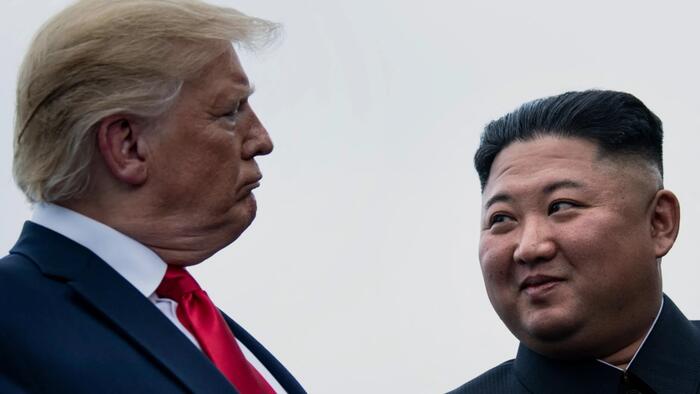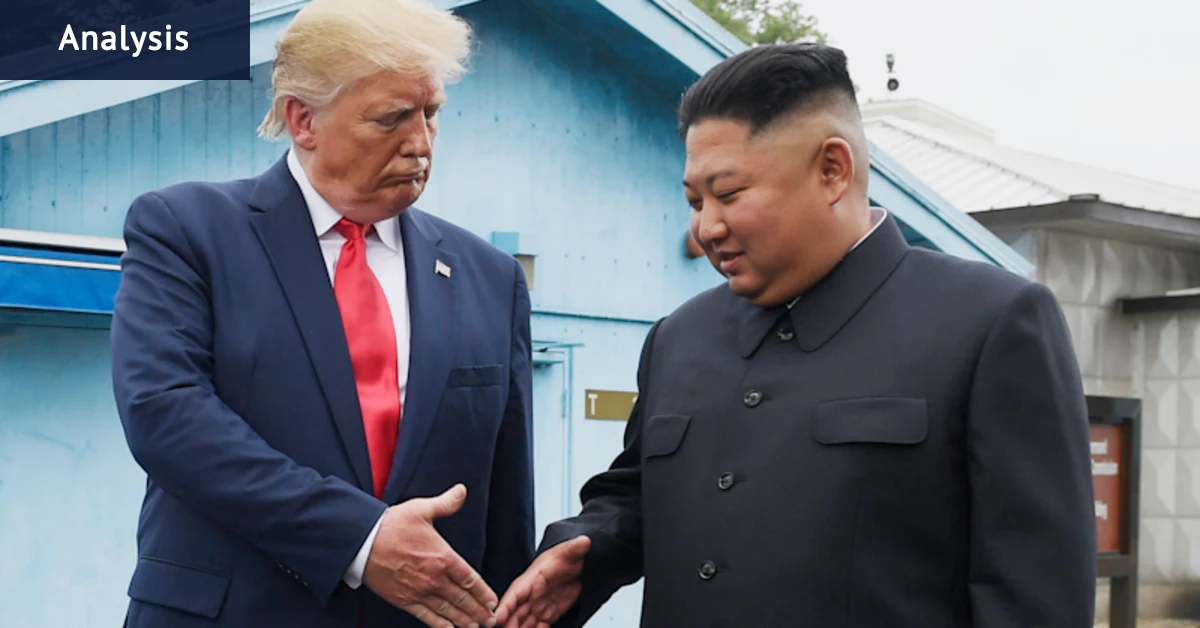
August 20, 2026 — 7:30pmBeijing: Not for the first time in his second term, Donald Trump has dangled the prospect of a revived face-to-face with North Korean dictator Kim Jong-un.The US president repeatedly returned to this theme throughout 2025, at one point telling reporters he hoped talks would eventuate by the end of the year, always invoking his apparent good chemistry and rapport with Kim.There is no public record that the two men have directly communicated since they last met more than seven years ago, when Trump crossed into the North Korean Demilitarised Zone in June 2019. The high-optics summitry later collapsed without a breakthrough to roll back Pyongyang’s nuclear program.Donald Trump last meet face-to-face with Kim Jong-un when he crossed into North Korean territory in 2019. APAnd so Trump’s off-the-cuff assertion,“Yeah, I will be”, when asked by reporters on Wednesday (US time) if he expected to meet Kim this year, will be met with some scepticism.He added that North Korea had “57 very powerful nuclear weapons ... If I were president, I wouldn’t have allowed it, but he’s got them”.Experts have noted it is an oddly specific figure. While it broadly aligns with estimates dating back to 2017, some analysts believe Kim’s stockpiles to be much higher, pointing to his turbocharged nuclear program in the years since the talks with Trump.This week, Trump matched his bravado with a tangible overture to Kim, scaling back joint military drills with South Korea while sideswiping Seoul as a mendicant ally and talking up Pyongyang as “unthreatening and respectful” on his watch.“The pullback was the first concrete move by the president to engage North Korean leader Kim Jong-un this term,” seasoned Korea expert Victor Cha noted in an opinion piece in The Washington Post.It follows the same playbook Trump deployed after his Singapore summit with Kim in 2018, when he suspended military drills with South Korea. It has fuelled speculation that Trump wants to meet Kim during a trip to Asia for the APEC summit in Shenzhen, China, in November, and is looking for a foreign policy win that can distract from his self-made quagmire in Iran.So far, the Kim regime’s response can be generously described as coy. The North Korean leader’s influential sister, Kim Yo-jong, said the curtailed military exercises changed nothing, and Pyongyang test-fired around 10 short-range ballistic missiles on Thursday afternoon, a day before the drills are due to end. Yo-jong denied there was any direct communication between Trump and Kim, but described their relationship as “still excellent” and said her brother had fond memories of the US president.Ultimately, the more consequential factor in this saga is not whether the men will meet, but what they will talk about if they do.The stakes change dramatically depending on whether Trump is searching for a photo op, similar to his meeting last year with Russia’s Vladimir Putin in Alaska, or wants to restart a dialogue with Kim on nuclear weapons, says Peter K. Lee, a research fellow at the Asan Institute for Policy Studies in Seoul.“There is a growing sentiment both in American policy circles and elsewhere that this [denuclearisation of North Korea] is no longer a viable option, if it ever was,” Lee says.“That remains a lodestar for South Korean policy. There can be no recognition of North Korea as a nuclear state.”Russian President Vladimir Putin joined China’s Xi Jinping and Kim Jong-un at a Beijing parade marking the 80th anniversary of the end of World War II in September.KCNA via KNS via APExperts have long argued that officially abandoning denuclearisation could open a Pandora’s box in East Asia, fundamentally weakening confidence in the American deterrence commitments and forcing South Korea and Japan to reconsider their no-nuclear defence positions. Trump has already tacitly acknowledged North Korea as a nuclear power, potentially recalibrating the benchmark for any revived talks in favour of Pyongyang, which is desperate to be recognised as a nuclear state.Meanwhile, North Korea is not the same diminished, hermit state it was a decade ago, when the focus of bilateral talks was on denuclearisation. New revenue streams are flushing through its economy courtesy of its bolstered alliance and weapons supply to Putin’s Russia. It has also entered the war in Ukraine, and has improved trade and relations with China.“The only thing I can possibly see that Kim would be interested in is if somehow it was almost known at the outset that North Korea would get some type of de facto recognition of its nuclear status,” says Mason Richey, a professor at Hankuk University of Foreign Studies in Seoul.The week has left South Korean President Lee Jae Myung juggling tricky dynamics while his trade emissaries were in Dallas trying to broker a way forward on a stalled $US350 billion ($490 billion) deal with the Trump administration.He’s been forced to suck up a public blasting by Trump, who gave him no forewarning of his order to cut short the military drills the evening before they began.At the same time, Lee hails from the progressive left in South Korea that wants engagement with Pyongyang, and has previously urged Trump to play a “peacemaker” role while identifying his own role as “pacemaker” in supporting those efforts.In a late-night tweet on Wednesday, Lee commended Trump for scaling back the military drills and his “efforts to create conditions for dialogue aimed at establishing a peace regime on the Korean Peninsula”.Trump scaled back joint military drills with South Korea the evening before they began this week.APAnd yet, Trump’s unilateralism, wild unpredictability and fondness for dictators will also ramp up anxieties that any dialogue between him and Kim will cut Seoul out of the process altogether.The South Koreans have a term for it: Korea passing.Which raises another question: What might China’s role be in all this?In a stroke of coincidental timing, Chinese Foreign Minister Wang Yi was in Seoul this week, his first visit in five years, as the two countries forge warmer ties – part of Beijing’s diplomatic push into the crevices created by US uncertainty.“The US should change its longstanding hostile policy towards North Korea,” Wang said when asked whether Beijing would mediate a summit between Trump and Kim, distancing China from the process.China quietly stopped calling for North Korea’s denuclearisation in 2023. Would it really be content with sitting on the sidelines for major talks concerning Pyongyang’s weapons capability, its only official ally?From our partners
A photo op or nuclear talks? What Trump wants from a meeting with North Korea’s dictator
Donald Trump is pushing for a meeting with Kim Jong-un, but the stakes shift dramatically depending on what he’s hoping to achieve.
1,061 words~5 min read