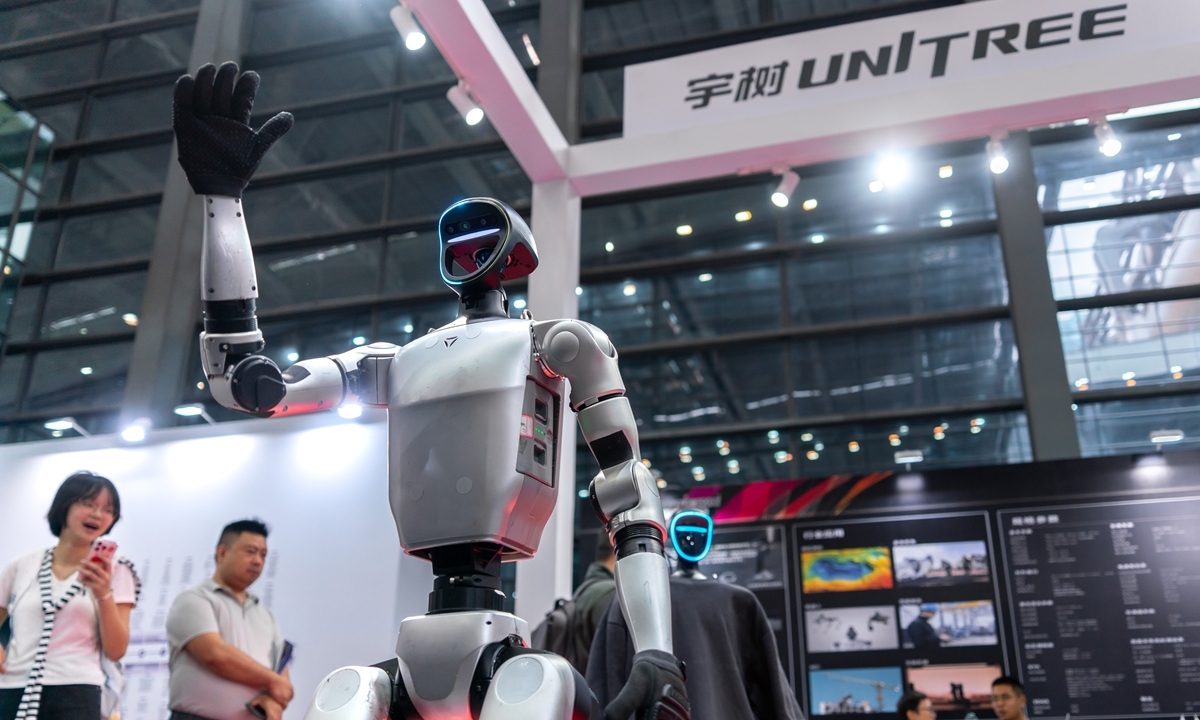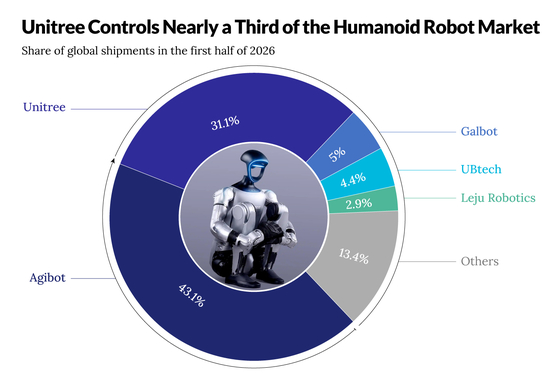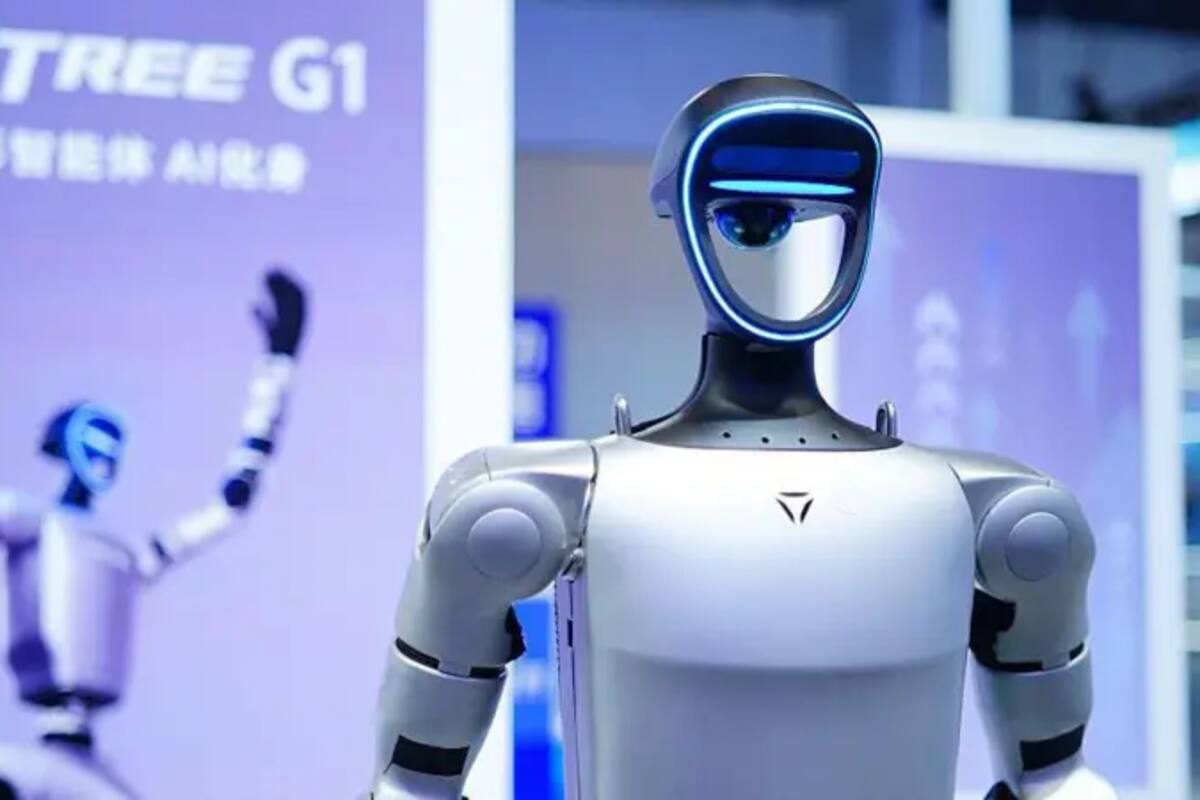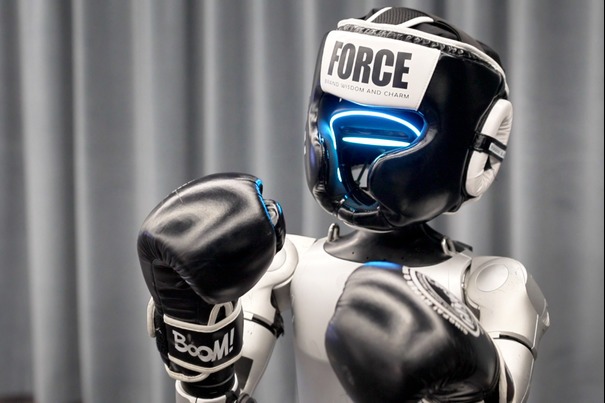
On Wednesday, Unitree Robotics debuted on the STAR Market of the Shanghai Stock Exchange under the ticker 688836.SH. On the same day, the 2026 World Robot Conference opened in Beijing. The timing was symbolic: humanoid robots are moving beyond labs and exhibitions and into the next stage of capital markets and commercial competition.
Unitree priced its initial public offering on the STAR Market at RMB 150.80 ($22.41) per share, issuing 40,446,434 new A-shares and raising total proceeds of around RMB 6.099 billion ($910 million).
But Unitree was not a company that bet on humanoid robots from the beginning.
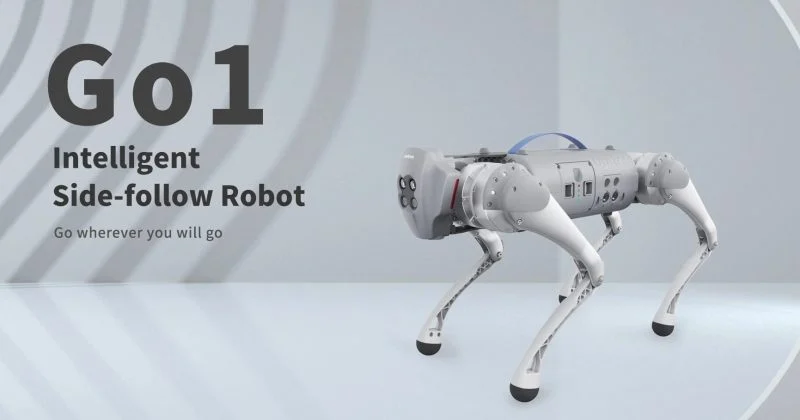
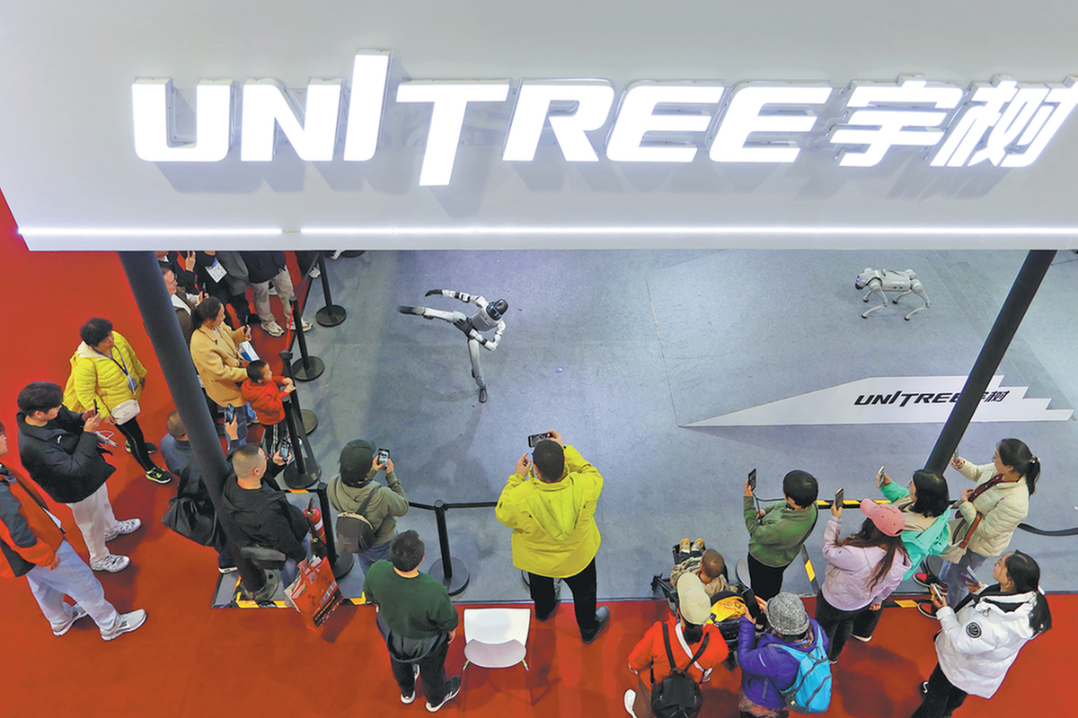
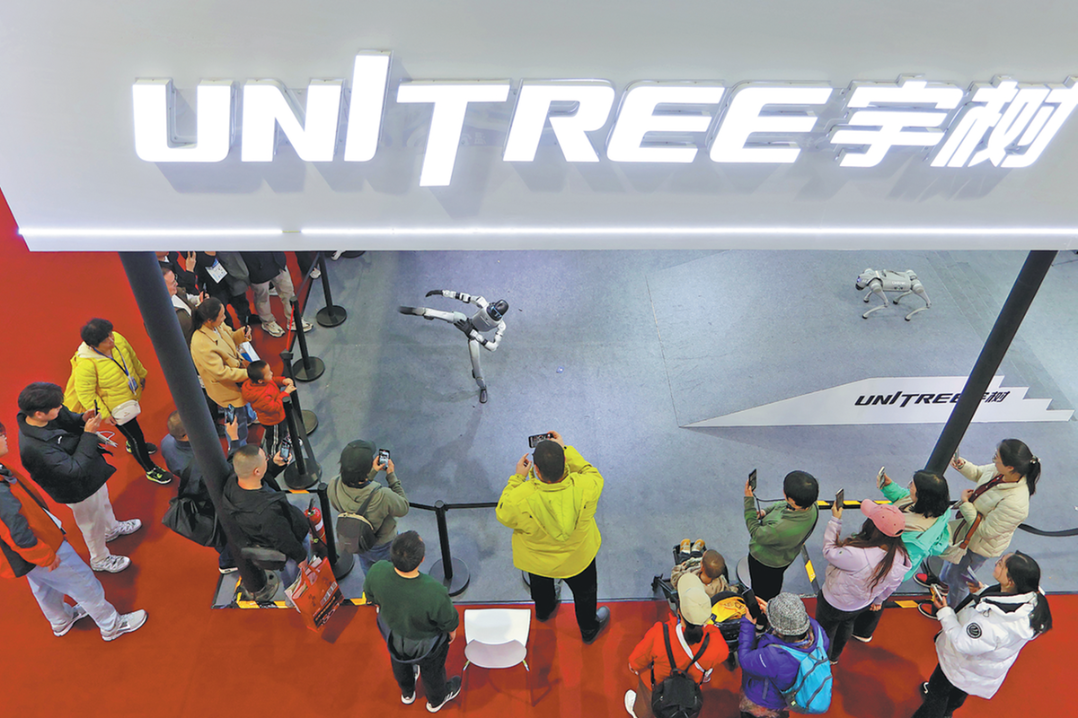
In 2016, founder Wang Xingxing left a university laboratory to start the company. At the time, China’s quadruped robot market was still at a very early stage. Compared with humanoid robots, quadruped robots were relatively easier to develop and commercialize in terms of mechanical design, motion control, and practical applications. Unitree chose to start with quadruped robots, launching the Go, A, and B series and gradually expanding into research, education, and industrial inspection.
This experience gave Unitree an early product and revenue base. From 2022 to 2025, revenue from its quadruped robot business grew from RMB 92.82 million ($13.79 million) to RMB 698 million ($103.72 million). Before humanoid robots became a major industry trend, Unitree had already built a foundation for commercial growth.