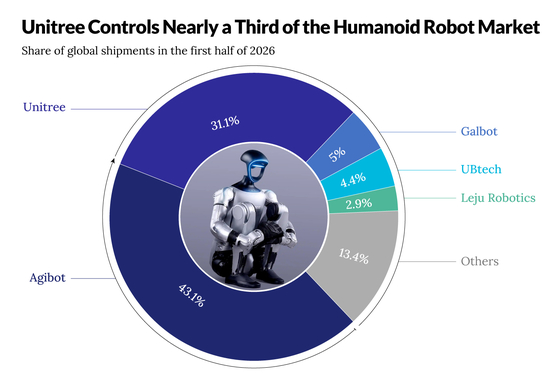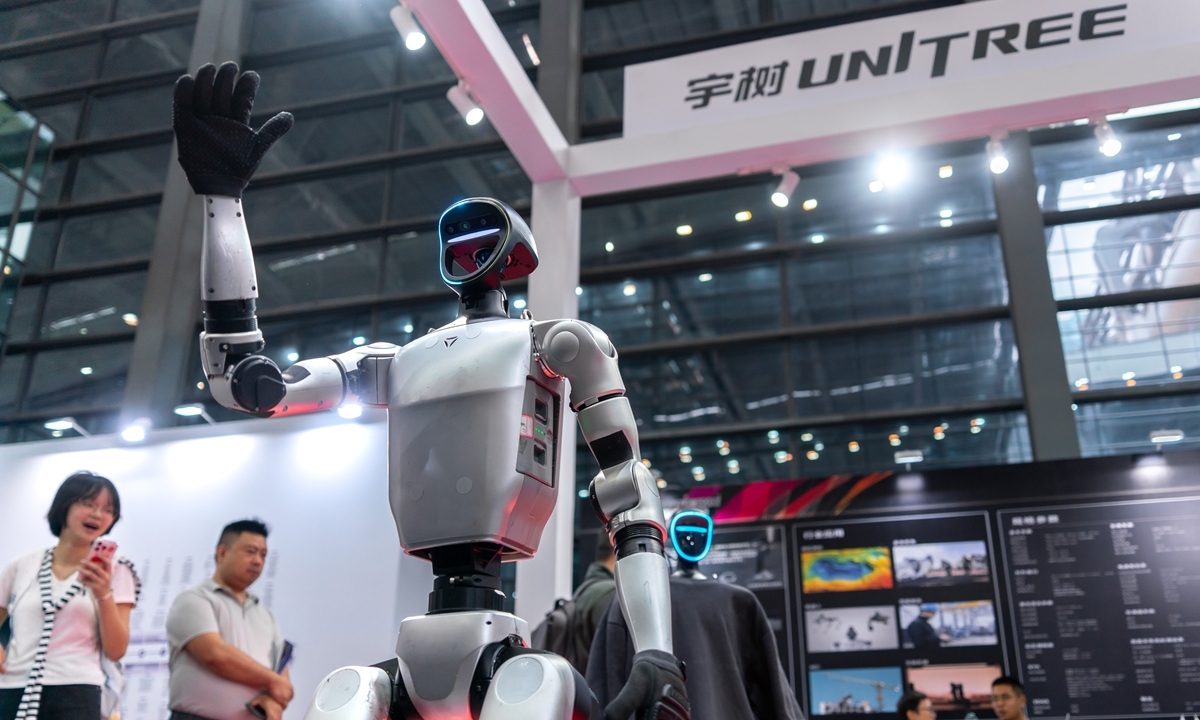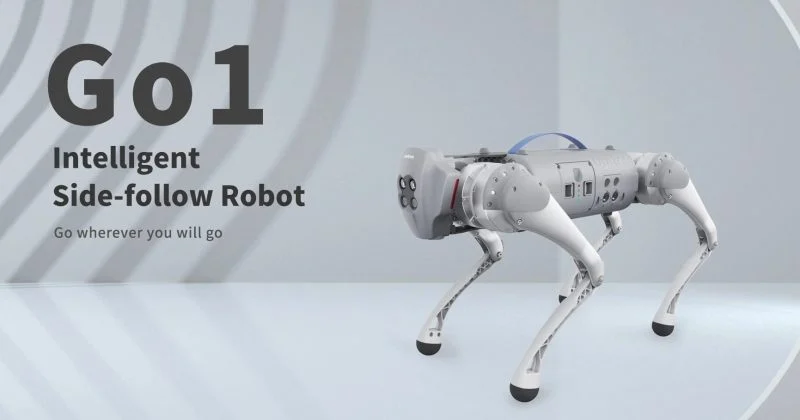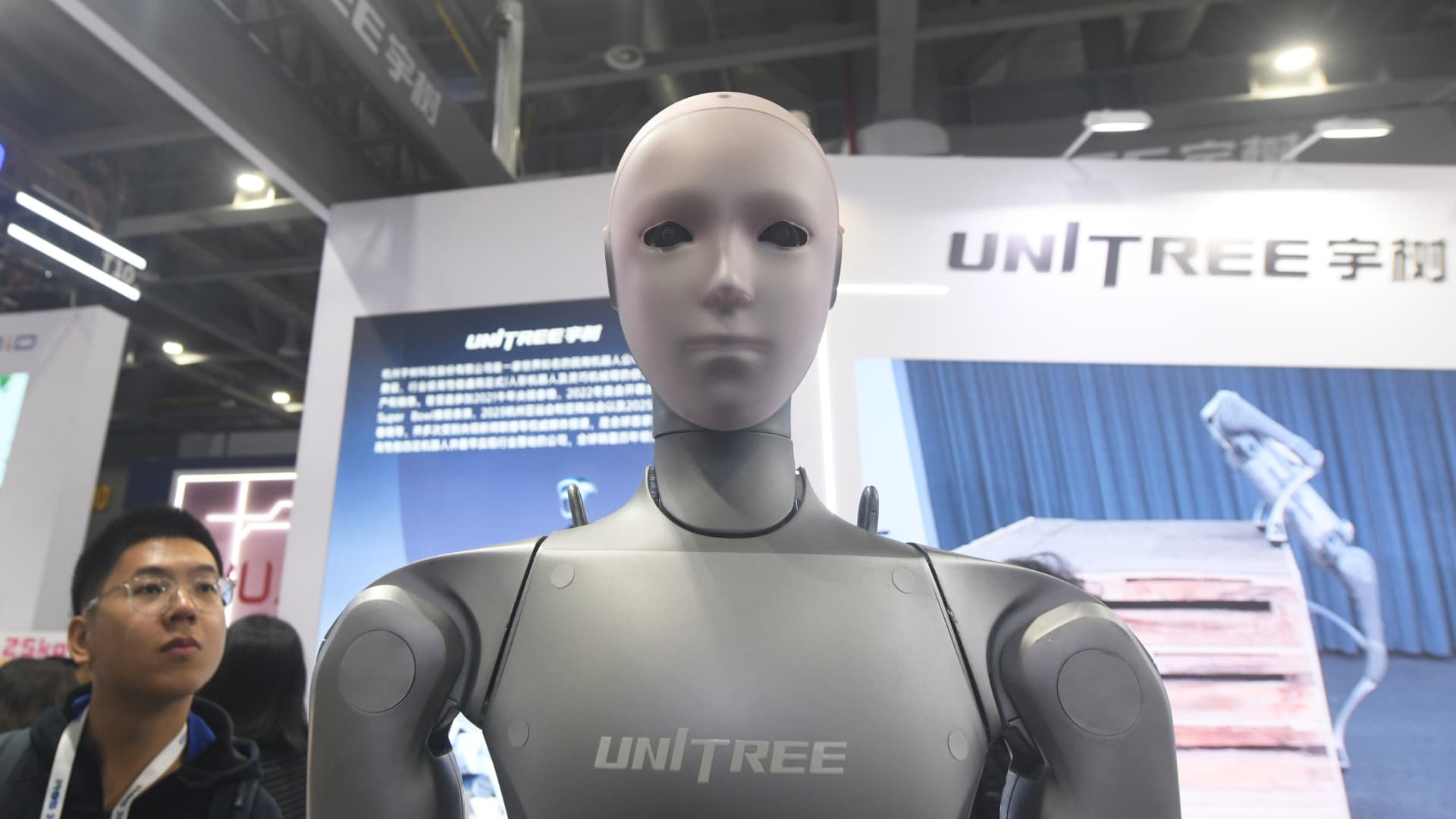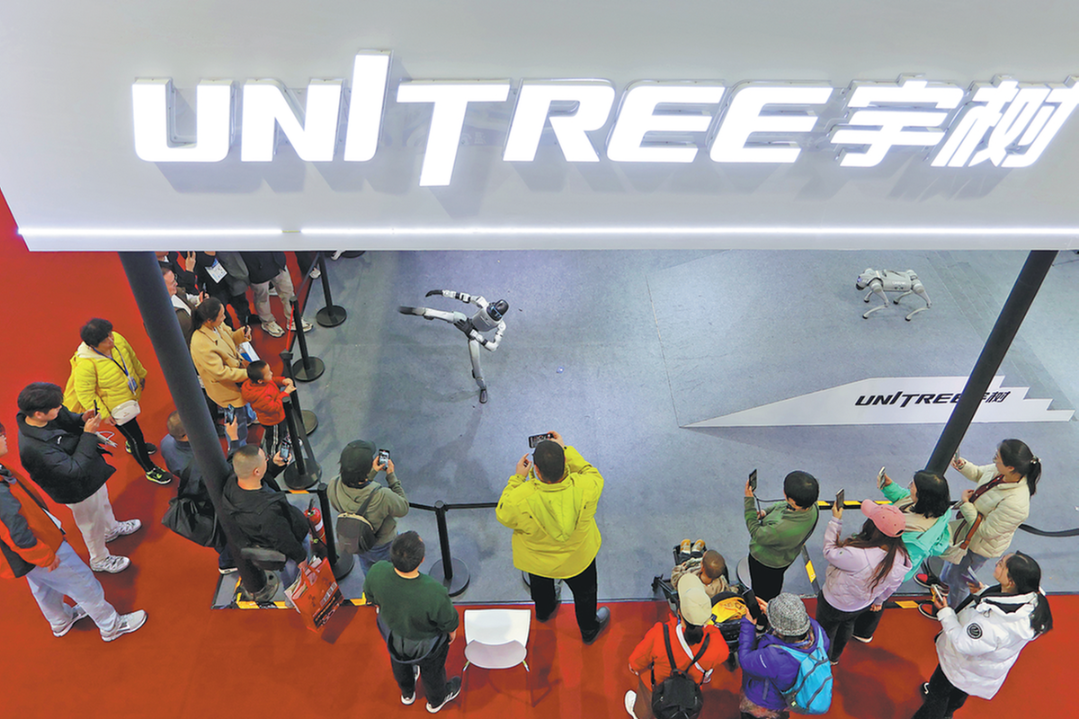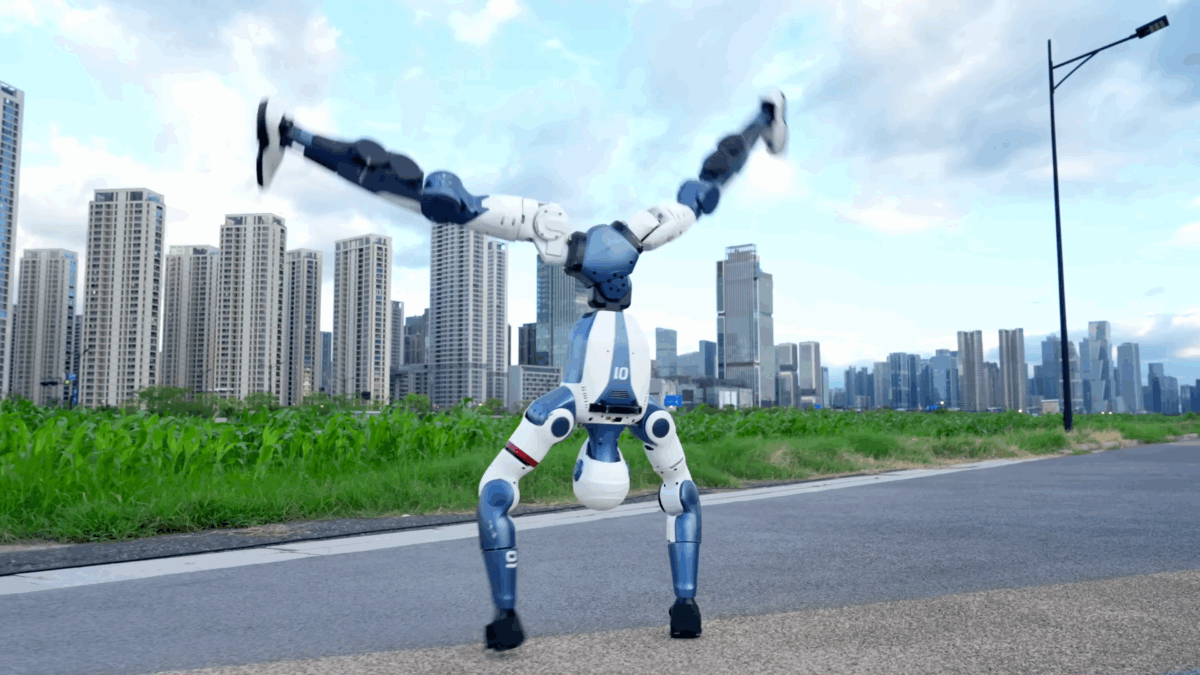
Unitree's IPO valued the robot maker at around $50 billion. But a closer look shows much of the demand for its robots comes from state-backed centers that buy the machines and sell the training data right back to the manufacturers.
Unitree Robotics saw its stock jump as much as 629 percent during its Shanghai debut, closing up 460 percent, according to Bloomberg. The Hangzhou company raised 6.1 billion yuan ($904 million), making it the first publicly traded maker of humanoid robots on the Chinese mainland. The closing price put Unitree's value at around $50 billion.
Behind that surge sits a setup that looks a lot like the circular business model recently criticized in the US industry, according to a report by the Financial Times.
Who actually buys the robots
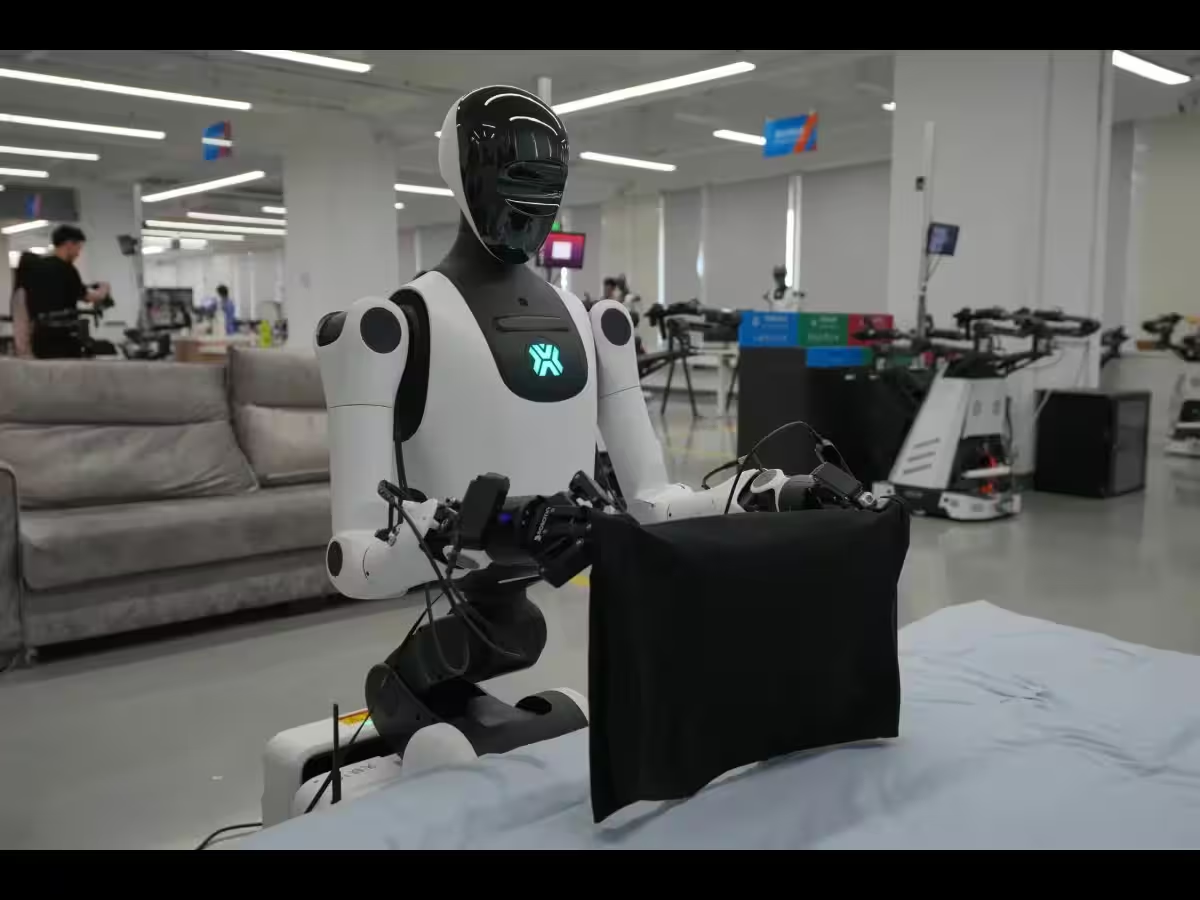
Chinese humanoid makers sell a large share of their machines to state-backed training centers, the FT reports. There, people "teach" the robots physical tasks through teleoperation. The centers then sell the collected data back to the manufacturers. Local governments and manufacturers often fund the centers together.